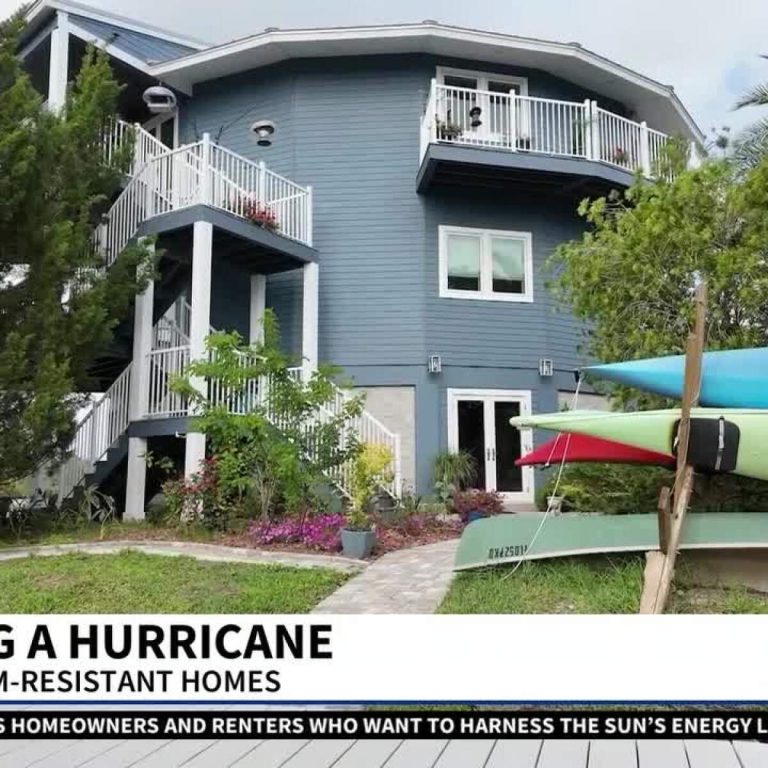
How to Survive in a Hurricane on You: Essential Life-Saving Tips
When a hurricane is on the horizon, your mind might race with questions and concerns. How will you keep yourself and your loved ones safe?
What steps should you take to protect your home and belongings? These are vital questions, and knowing the answers can mean the difference between chaos and calm. You don’t have to feel overwhelmed; you’re not alone in this. By understanding how to survive in a hurricane, you empower yourself to face the storm with confidence and clarity.
Dive into this guide, and discover practical tips and strategies that can make all the difference when the winds start to roar. Let’s ensure you’re prepared, informed, and ready to weather the storm.
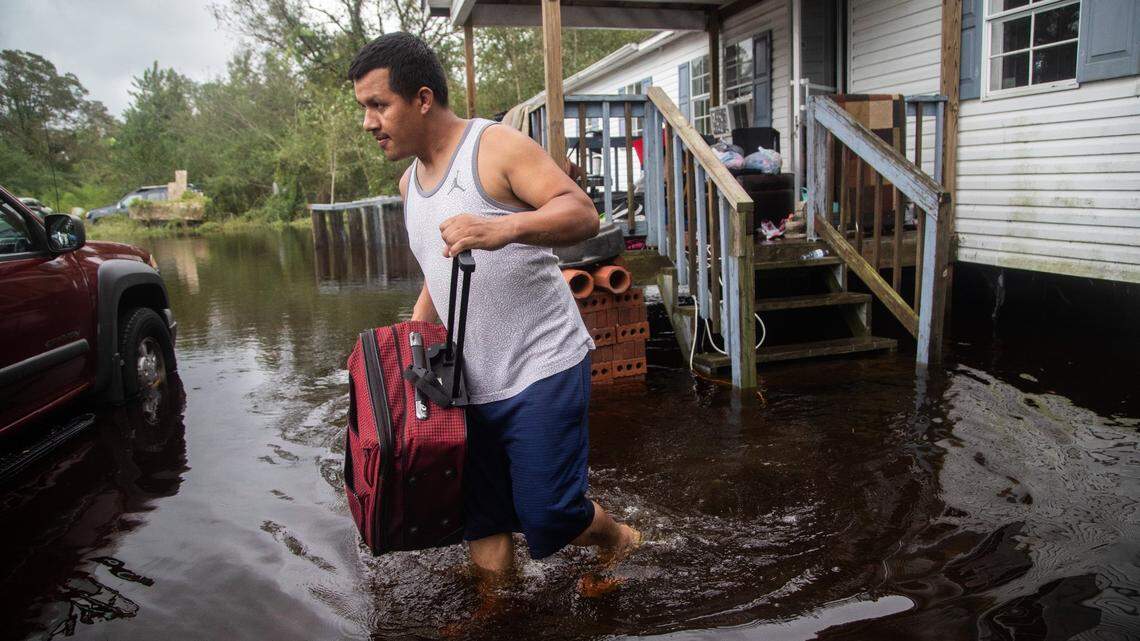
Credit: www.newsobserver.com
Preparing Before The Storm
Hurricanes can cause serious damage and disrupt daily life. Preparing before the storm helps keep you and your family safe.
Planning ahead gives you time to secure your home and gather important supplies. Know what to do to stay ready.
Creating An Emergency Kit
An emergency kit has all the items you need if you must leave quickly or lose power. Gather these supplies before the storm arrives.
- Bottled water for at least three days
- Non-perishable food like canned goods and energy bars
- Flashlights with extra batteries
- First aid kit with medicines and bandages
- Important documents in a waterproof container
- Portable phone charger or power bank
- Clothing and blankets for warmth
- Cash in small bills
- Personal hygiene items
Securing Your Home
Protect your house from strong winds and water damage by taking simple steps. Secure loose items and reinforce windows and doors.
| Task | How to Do It |
|---|---|
| Close and lock all windows | Use storm shutters or plywood |
| Secure doors | Install strong bolts and locks |
| Bring outdoor furniture inside | Move items to a garage or shed |
| Trim trees and shrubs | Remove weak branches near your home |
| Check gutters and drains | Clear debris to prevent flooding |
Planning Evacuation Routes
Know where to go if you need to leave your home. Plan routes and have a backup in case roads are closed.
- Identify the nearest shelter or safe location
- Map out two or three routes to get there
- Share your plan with family and friends
- Keep your car’s gas tank full
- Prepare a bag with essentials to take along
Staying Safe During The Hurricane
Hurricanes can cause strong winds and heavy rain. Staying safe means preparing before and during the storm.
Follow simple safety tips to protect yourself and your family during a hurricane.
Choosing A Safe Shelter
Find a safe place inside your home or nearby building. Choose a small, windowless room on the lowest floor.
A closet, bathroom, or interior hallway works well. Avoid large rooms with many windows.
- Stay away from glass doors and windows
- Pick a room with sturdy walls
- Bring a flashlight and emergency kit
- Keep a phone with you for updates
Protecting Yourself From Debris
Flying debris can cause injuries during a hurricane. Cover yourself with thick blankets or a mattress.
Wear sturdy shoes and long sleeves if you must go outside after the storm.
- Stay indoors while the storm is strong
- Use helmets or hard hats if available
- Secure loose objects before the hurricane arrives
- Avoid windows and doors during the storm
Managing Power Outages
Power may go out during a hurricane. Prepare by having batteries and flashlights ready.
Turn off electrical appliances to avoid damage when power returns.
- Keep your phone charged before the storm
- Use battery-powered lights instead of candles
- Have extra water and non-perishable food
- Use generators only outdoors and safely
Communication And Information
Staying informed and connected is key during a hurricane. Knowing the weather and reaching out to family helps keep everyone safe.
Good communication reduces panic and allows for quick decisions. Use reliable sources and clear methods to share information.
Tracking Weather Updates
Keep track of the hurricane’s path and warnings from trusted sources. This helps you prepare and act on time.
- Use a NOAA weather radio for real-time alerts.
- Follow official weather websites and apps.
- Watch local news channels for updates.
- Sign up for emergency alert texts in your area.
- Charge devices to stay connected during power outages.
Keeping In Touch With Loved Ones
Staying connected with family and friends gives comfort and helps coordinate safety plans.
| Method | Tips |
| Phone Calls | Keep calls short to save battery. |
| Text Messages | Use texts when calls do not go through. |
| Social Media | Share your status and location. |
| Emergency Contacts | Have a list of key contacts saved offline. |
After The Hurricane Passes
The hurricane is over, but danger still exists. Stay alert and take safety steps.
Knowing what to do next helps protect you and your family from harm.
Assessing Damage Safely
Check your home and property only if it is safe. Watch for broken glass and sharp objects.
- Wear sturdy shoes and gloves to protect your hands and feet.
- Look out for downed power lines and avoid them at all costs.
- Use a flashlight, not candles, to avoid fire risks.
- Take photos of damage for insurance claims.
- Do not enter buildings that look unstable.
Avoiding Flooded Areas
Floodwaters hide many dangers. Do not walk or drive through flooded streets.
| Risk | Why Avoid |
| Contaminated Water | Can cause illness and infections |
| Hidden Debris | Sharp objects and holes may cause injury |
| Strong Currents | Can sweep people and vehicles away |
| Electrical Hazards | Water may be electrified by downed wires |
Accessing Emergency Services
Contact emergency services only for urgent help. Keep phone lines open for others.
- Use text messages if possible; they use less network traffic.
- Listen to local radio or TV for updates and instructions.
- Visit official shelters if your home is unsafe.
- Follow directions from emergency responders carefully.
Long-term Preparedness
Preparing for a hurricane takes more than just short-term plans. Long-term readiness helps keep you safe during and after the storm. It means making your home strong and building support in your community.
Use these tips to stay ready for hurricanes and protect your family over time. Focus on your house and the people around you.
Building A Resilient Home
Strengthen your house to resist hurricane damage. Use materials that can hold up against strong winds and heavy rain. Keep your roof, windows, and doors secure.
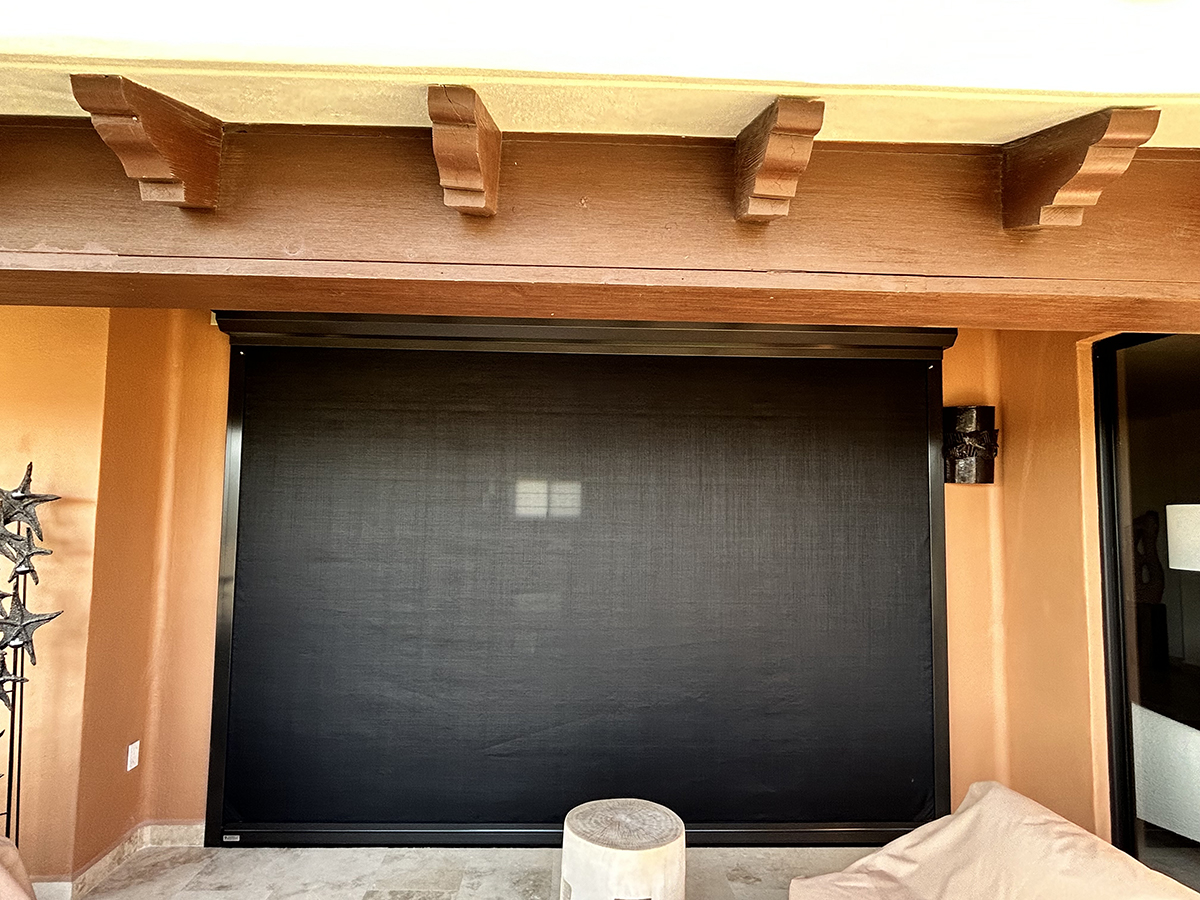
- Install impact-resistant windows and storm shutters
- Reinforce your roof with hurricane straps or clips
- Seal gaps to prevent water leaks inside
- Elevate your home if you live in a flood zone
- Trim trees and remove loose branches near your house
Check your home regularly and fix weak spots. This reduces repair costs after a storm and keeps your family safe.
Community Support And Resources
Strong communities survive hurricanes better. Know your neighbors and share resources. Work together to prepare and recover.
| Resource | Purpose | How to Access |
| Local Emergency Shelter | Safe place during storms | Contact city office or check website |
| Community Emergency Response Team (CERT) | Training and support for disaster help | Sign up at local fire department |
| Food Banks | Provide food after disasters | Locate via community center or online |
| Neighborhood Watch | Enhance security and communication | Join meetings or online groups |
Plan with your community before a hurricane hits. Share emergency plans and supplies. Help each other recover faster.
Credit: www.atlasarmor.com

Credit: mountainhouse.com
Frequently Asked Questions
What Are The Essential Items To Prepare For A Hurricane?
Essential items include water, non-perishable food, flashlight, batteries, first aid kit, and important documents. Prepare enough supplies for at least three days. Having a portable phone charger and sturdy shoes is also recommended.
How Can I Create A Safe Room During A Hurricane?
Choose an interior room without windows, like a closet or bathroom. Reinforce the door and walls if possible. Keep emergency supplies and communication devices inside. This space offers the best protection from flying debris and strong winds.
When Should I Evacuate Before A Hurricane?
Evacuate immediately if local authorities issue mandatory orders. Leave early to avoid traffic and dangerous weather. If your home is in a flood zone or weak structure, don’t wait for the last minute.
How Do I Protect My Home From Hurricane Damage?
Install storm shutters or board up windows with plywood. Secure loose outdoor items like furniture and trash cans. Reinforce garage doors and trim trees to prevent damage. These steps reduce the risk of structural harm during the storm.
Conclusion
Surviving a hurricane takes quick action and clear plans. Stay calm and follow safety steps carefully. Keep emergency supplies close and listen to official updates. Protect your home and avoid risky areas. Remember, preparation saves lives and reduces damage. Stay alert and ready for sudden changes.
Your safety depends on smart choices and teamwork. Always put people first during storms. Stay strong and take care until the danger passes.