Can Palms Survive Cold Weather? Essential Tips to Protect Them
Are you dreaming of a tropical oasis in your backyard, but worried about how your palm trees will handle the chill of winter? You’re not alone.
Many palm enthusiasts find themselves asking, “Can palms survive cold weather? ” The thought of those lush, green fronds turning brown and wilting in the frost can be disheartening. But fear not! Understanding the resilience of palms and how to protect them can make all the difference.
You’ll discover essential tips and insights that could be the key to keeping your palms thriving, even when temperatures drop. Stick around to uncover secrets that could save your beloved palms from the grip of winter’s cold embrace.
Cold Tolerance Of Palms
Palms are often linked to warm climates. Some types can survive cold weather. Knowing their cold tolerance helps gardeners protect them.
Cold tolerance depends on the palm species and how low temperatures drop. This guide covers types, temperature limits, and damage signs.
Types Of Cold-hardy Palms
Some palms handle cold better than others. These palms grow well in cooler areas and can survive frost.
- Needle Palm– Can survive down to -10°F (-23°C).
- Windmill Palm– Tolerates temperatures near 0°F (-18°C).
- European Fan Palm– Survives mild freezes around 10°F (-12°C).
- Sabals– Known to handle temperatures near 5°F (-15°C).
- Mexican Blue Palm– Can endure cold snaps down to 15°F (-9°C).
Temperature Thresholds For Survival
| Palm Species | Lowest Surviving Temperature |
| Needle Palm | -10°F (-23°C) |
| Windmill Palm | 0°F (-18°C) |
| European Fan Palm | 10°F (-12°C) |
| Palmetto Palm | 5°F (-15°C) |
| Mexican Blue Palm | 15°F (-9°C) |
These temperatures represent survival limits, not ideal growing conditions. Palms may need extra care near these lows.
Signs Of Cold Damage
Cold can harm palms in many ways. Early detection helps save the plant.
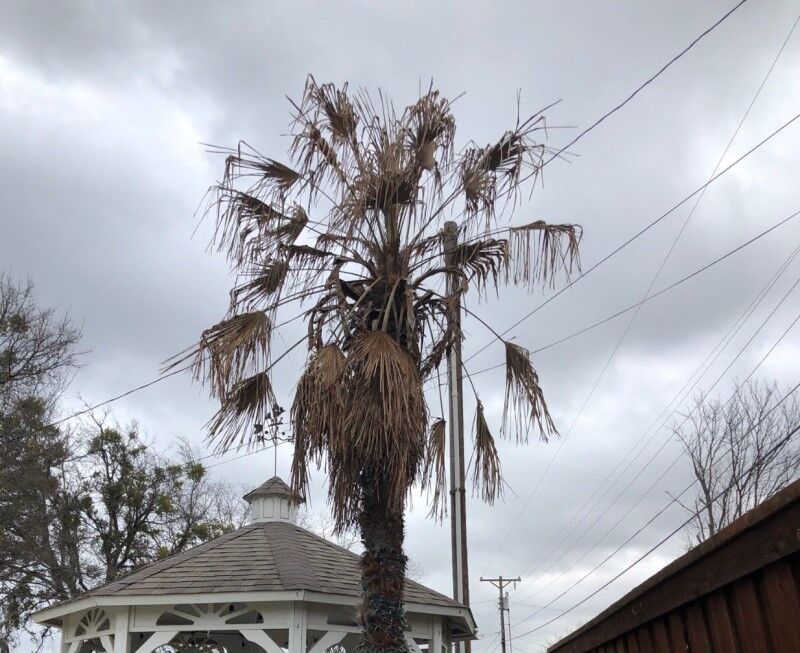
- Browning or blackening of leaf tips and edges.
- Leaves may become dry and brittle.
- Wilting or drooping fronds after a frost.
- Soft or mushy trunk spots indicate severe cold injury.
- Slow growth or no new leaves in spring.
Protect palms by covering them or moving potted palms indoors during cold snaps.

Credit: trynutripod.com
Preparing Palms For Winter
Palms can survive cold weather if you prepare them properly. Taking care before winter helps keep palms healthy.
Focus on location, soil, and watering to protect your palms from frost and freezing temperatures.
Selecting The Right Location
Choose a spot that blocks cold winds. South or southeast sides of buildings are warmer. Avoid low areas where cold air collects.
Sunlight helps palms stay warm. Pick a sunny location that gets the most light during winter days.
Soil And Mulching Techniques
Well-drained soil keeps roots safe from cold damage. Avoid heavy clay that holds water and freezes easily.
- Apply mulch around the base to keep soil warm.
- Use organic mulch like straw or wood chips.
- Keep mulch about 2 to 4 inches thick.
- Leave space near the trunk to prevent rot.
Watering Adjustments In Cold Weather
Water palms deeply before cold spells. Moist soil holds heat better than dry soil.
| Condition | Watering Advice |
| Before frost | Water deeply 1-2 days prior |
| During freeze | Do not water, soil may freeze |
| After frost | Water if soil feels dry and thawed |
Protecting Palms From Frost
Palms can suffer damage when frost strikes. Cold weather causes leaves to brown and die.
Taking steps to protect palms helps them stay healthy through cold spells.
Using Frost Cloths And Covers
Frost cloths keep cold air away from palm leaves. They trap heat from the ground.
- Wrap the palm with frost cloth before nightfall.
- Secure edges with rocks or stakes to block wind.
- Remove the cover during the day to prevent heat damage.
- Use breathable fabric to avoid moisture buildup.
Building Windbreaks
Windbreaks reduce cold wind that dries and chills palms. They act as a shield in winter.
| Material | Benefits | Drawbacks |
|---|---|---|
| Wooden Fence | Blocks strong winds well | Can be costly and permanent |
| Hedges | Natural look, traps heat | Takes time to grow |
| Fabric Screens | Easy to set up and move | Less durable in storms |
Heating Methods For Severe Cold
Heat helps palms survive very low temperatures. Small heaters or lights add warmth around trees.
- Place safe, outdoor-rated heat lamps near palms.
- Use string lights that give off low heat.
- Cover the base with mulch to keep soil warm.
- Check heaters regularly to avoid fire risks.

Credit: texastreesurgeons.com
Post-winter Care
Cold weather can harm palm trees. After winter, they need special care to recover well.
Proper care helps palms grow healthy and strong again after cold damage.
Assessing Damage And Pruning
Check palm leaves and stems for brown or black spots. These signs show cold damage.
Cut off dead or damaged leaves carefully. Use clean tools to avoid infection.
- Remove leaves that are fully brown or black
- Leave green or partially healthy leaves to recover
- Do not cut the main stem or growing point
Fertilizing After Cold Stress
Use a balanced fertilizer to help palms regain nutrients lost in cold weather.
Apply fertilizer in early spring after pruning. This supports new growth and root health.
- Choose a fertilizer with nitrogen, phosphorus, and potassium
- Follow package instructions for amount and frequency
- Water palms well after fertilizing
Monitoring For Disease And Pests
Cold-damaged palms can attract pests and diseases. Check leaves and stems often.
Look for spots, holes, sticky residue, or insects. Early detection stops problems fast.
- Inspect palms weekly in spring and summer
- Use natural or chemical treatments if pests appear
- Remove infected leaves to prevent spread
Choosing Palms For Cold Climates
Palms usually grow in warm places, but some can survive cold weather. Choosing the right palm is important for cold climates.
Knowing which palms handle cold helps you pick the best ones for your garden or yard.
Best Palm Species For Cold Areas
Some palm species can live in cold places. These palms can survive frost and low temperatures better than others.
- Needle Palm (Rhapidophyllum hystrix) – very cold hardy
- Windmill Palm (Trachycarpus fortunei) – tolerates cold and wind
- European Fan Palm (Chamaerops humilis) – small and cold-resistant
- Mazari Palm (Nannorrhops ritchiana) – survives freezing temperatures
- Pindo Palm (Butia capitata) – can handle cold down to 15°F (-9°C)
Hybrid And Dwarf Varieties
Hybrids mix traits from different palms. Some hybrids do well in cold weather. Dwarf palms are smaller and easier to protect.
These varieties often grow faster and resist cold better than regular palms.
- Trachycarpus hybrids – stronger and cold-tolerant
- Dwarf Palmetto (Sabal minor) – small and hardy
- Hybrid Needle Palms – combine cold resistance and growth speed
Local Climate Considerations
Know your area’s coldest temperatures before planting palms. Some palms need protection during winter.
Wind, snow, and frost can affect palm survival. Choose palms that suit your local weather conditions.
- Check average winter lows in your area
- Consider wind exposure and snow load
- Use mulch and covers to protect young palms
- Plant palms in sheltered spots for better survival
Credit: blog.davey.com
Frequently Asked Questions
Can Palms Survive Freezing Temperatures?
Most palms cannot survive prolonged freezing. Some hardy species tolerate brief cold spells. Protection like mulching helps sensitive palms during frost.
Which Palm Species Tolerate Cold Weather Best?
Cold-hardy palms include Windmill, Needle, and Sabal Palms. These species endure temperatures as low as 10°F (-12°C) with minimal damage.
How To Protect Palms In Cold Climates?
Cover palms with frost cloths or blankets at night. Mulch the base to retain soil warmth. Avoid watering before frost to prevent ice damage.
Do Palms Need Special Care After Cold Exposure?
Yes, prune damaged fronds carefully to avoid infection. Resume watering gradually as temperatures rise. Fertilize lightly to support recovery and growth.
Conclusion
Palms can survive cold weather with proper care and protection. Choose cold-hardy palm types for better chances. Cover palms during frost to avoid damage. Mulch around the base to keep roots warm. Watch for signs of stress or damage often.
Some palms recover well after cold snaps. Growing palms in cooler climates takes patience. With the right steps, palms can thrive outside warm zones. Want a tropical look? Cold weather is not always a barrier.