How Does Cuba Survive Hurricanes: Secrets to Resilient Strength
When hurricane season approaches, you might wonder how a country like Cuba, with its stunning landscapes and vibrant culture, manages to withstand the powerful storms. Hurricanes are not just a meteorological event; they are a force of nature that can disrupt lives and devastate communities.
Yet, Cuba has a remarkable track record of resilience. What’s their secret? How do they protect their people and infrastructure from such fierce natural disasters? Understanding Cuba’s methods could not only satisfy your curiosity but also offer valuable insights into survival strategies that you might find useful.
Dive into this exploration to uncover the fascinating ways Cuba not only endures but thrives in the face of hurricanes. You’ll discover practical tips, community strategies, and innovative solutions that could change how you think about disaster preparedness. Keep reading, because what you learn might just surprise you.
Cuba’s Hurricane History
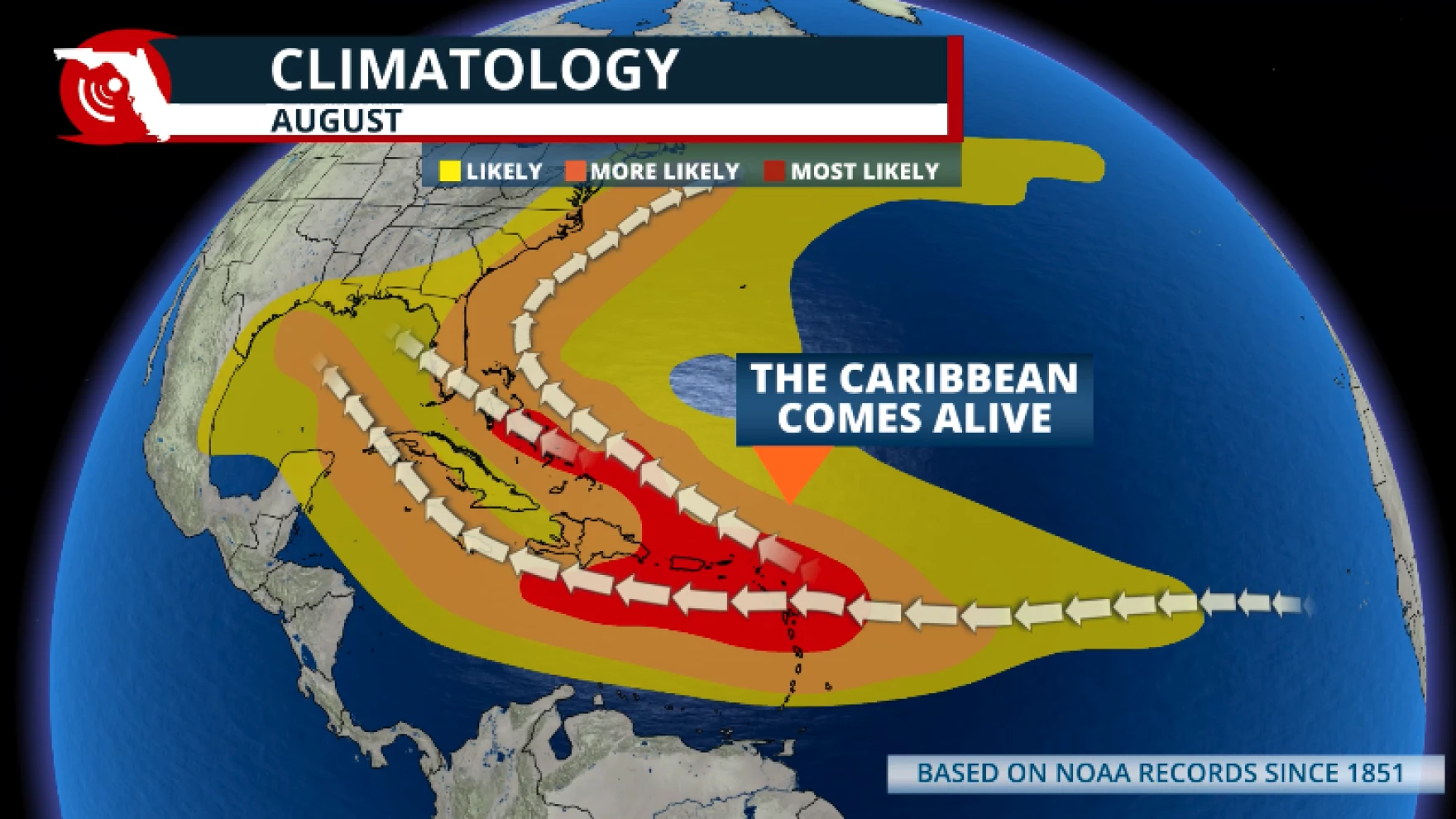
Cuba lies in the Caribbean where hurricanes often form. These storms bring strong winds and heavy rain. Over many years, Cuba has faced many hurricanes.
The island’s history with hurricanes shows how it survives these dangerous storms. People and the government learn from each event to prepare better.
Frequent Storms And Impact
Cuba gets hit by hurricanes almost every year. Some storms are small, while others cause great damage. The island’s location makes it a frequent target.
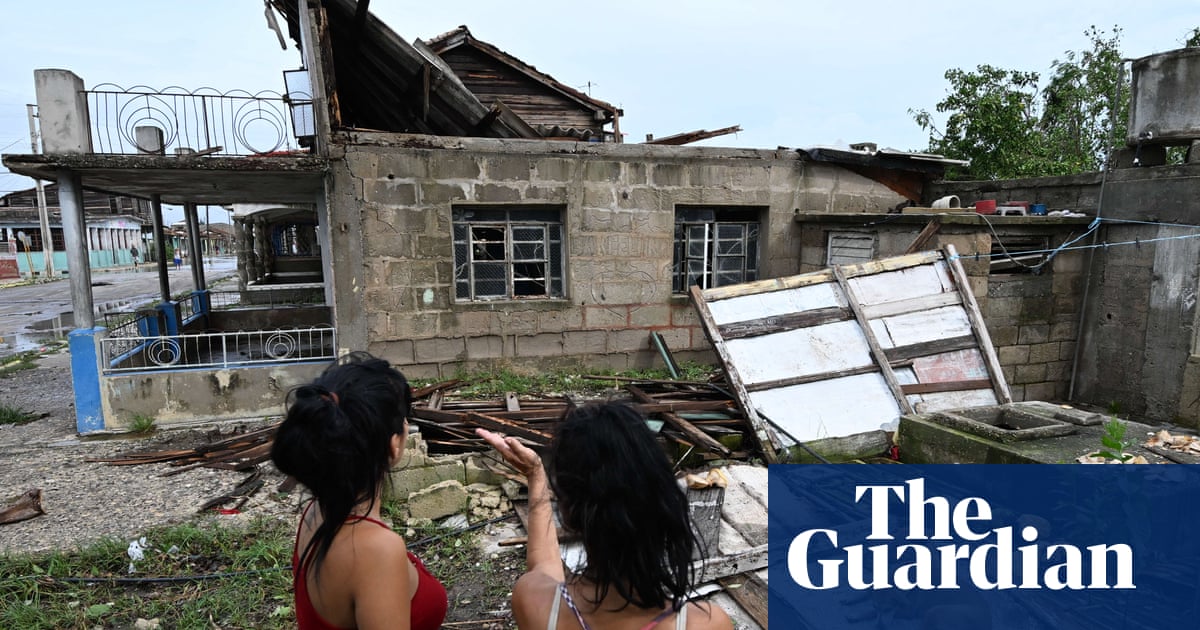
Hurricanes can destroy homes, crops, and roads. They also cause power outages and flooding. Many people must leave their homes before storms arrive.
- Strong winds damage buildings and trees
- Floods affect cities and farmland
- Power and water services often stop
- People lose homes and belongings
Lessons From Past Hurricanes
Cuba learns a lot after each hurricane. The country uses early warnings to prepare people. Evacuations happen to keep many safe.
The government builds strong shelters and improves building rules. People get training on how to stay safe during storms. These steps save many lives.
- Early warning systems alert citizens
- Evacuation plans move people to safety
- Stronger buildings reduce damage
- Public education teaches safety measures
Credit: www.miamiherald.com
Early Warning Systems
Cuba faces hurricanes every year. Early warning systems help the country prepare and stay safe.
These systems give people time to protect their homes and evacuate if needed.
Meteorological Advances
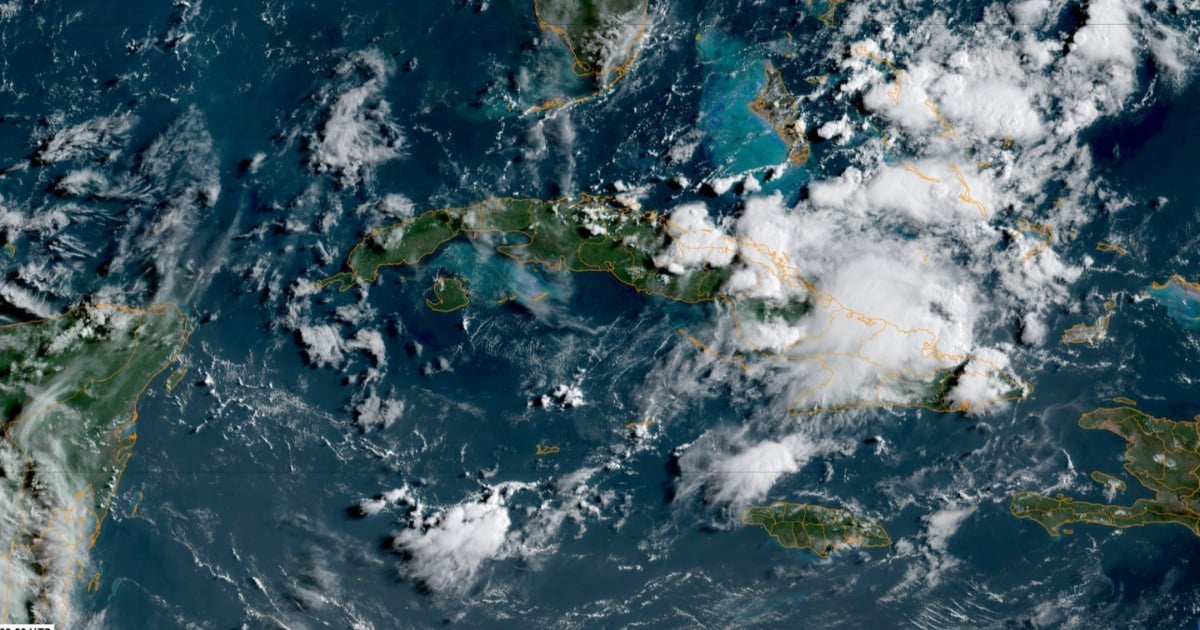
Cuba uses modern technology to track hurricanes. Satellites and radar help predict the storms’ paths.
Meteorologists analyze data to give accurate forecasts. This allows early alerts for strong winds and heavy rain.
- Satellite images show storm development
- Radar detects rain and wind speed
- Computer models predict hurricane paths
- Continuous weather monitoring improves accuracy
Community Alerts And Communication
Cuba’s government sends alerts through radio, TV, and loudspeakers. They reach even remote areas.
Community leaders help spread warnings. They organize evacuations and share safety tips with neighbors.
- Radio broadcasts reach most homes
- Loudspeakers warn people in towns and villages
- Local leaders coordinate evacuation plans
- Schools and workplaces prepare with alerts
Government Preparedness
Cuba faces hurricanes regularly. The government plans well to protect its people.
Strong preparation helps reduce damage and save lives during storms.
Evacuation Plans
The government has clear evacuation routes and shelters for citizens. People know where to go before the storm arrives.
- Authorities announce evacuation orders early
- Schools and community centers serve as shelters
- Special help is available for the elderly and disabled
- Transportation is arranged for those without vehicles
- Emergency drills happen regularly to keep everyone ready
Resource Allocation
The government moves resources to key areas before a hurricane hits. This helps with quick recovery after the storm.
| Resource | Purpose | Location |
| Food Supplies | Feed displaced families | Warehouses near cities |
| Medical Kits | First aid and emergency care | Hospitals and shelters |
| Rescue Equipment | Search and rescue missions | Coastal and flood-prone zones |
| Communication Gear | Keep officials and teams connected | Command centers |
Community Involvement
Cuba faces hurricanes with strong help from its communities. People work together to prepare and recover. This teamwork saves lives and reduces damage.
Communities know their areas well and can act fast. They share information and support each other during storms.
Neighborhood Committees
Neighborhood committees are groups of local people. They organize safety plans and spread warnings before hurricanes arrive.
These committees check homes for risks and help neighbors move to safe shelters. They also keep track of people who need extra help.
- Give early warnings to residents
- Help secure homes and property
- Organize evacuation when needed
- Support elderly and disabled neighbors
Volunteer Networks
Volunteer networks form quickly before and after hurricanes. Volunteers clean up debris and repair damage to homes and roads.
They also deliver food, water, and medicine to those in need. Volunteers train all year to respond fast and safely.
- Clear fallen trees and blockages
- Distribute emergency supplies
- Help rebuild damaged houses
- Provide first aid and care
Infrastructure Design
Cuba faces strong hurricanes often. The country builds to protect lives and homes. Its infrastructure design helps reduce damage.
Strong buildings and smart city plans make a big difference. These designs help Cuba survive storms better than many places.
Storm-resistant Buildings
Cuba uses special building methods to resist hurricane winds and rain. Houses often have thick walls and strong roofs.
- Concrete and brick materials for strong walls
- Sloped metal roofs to prevent water buildup
- Small windows with shutters to block wind and debris
- Deep foundations to keep buildings steady
- Simple shapes to reduce wind pressure
Urban Planning Strategies
City designs in Cuba focus on safety and quick recovery. Planners use open spaces and good drainage to reduce flooding.
| Strategy | Purpose |
| Wide streets | Allow emergency vehicles to pass easily |
| Green areas and parks | Absorb rainwater and reduce floods |
| Elevated roads | Prevent water damage during storms |
| Building codes | Ensure all constructions resist hurricanes |
| Community shelters | Provide safe places for residents |
Credit: en.cibercuba.com
Emergency Response
Cuba faces hurricanes every year. The country uses strong emergency plans to keep people safe.
Emergency response in Cuba is quick and well-organized. The government and communities work together closely.
Rapid Relief Distribution
After a hurricane, Cuba moves fast to give out food, water, and supplies. Relief teams know the hardest-hit areas.
They use trucks and boats to reach remote places. This helps people get help on time and reduce suffering.
- Emergency centers store food and water before storms
- Volunteers help pack and deliver supplies
- Priority goes to shelters and isolated communities
- Communication systems guide relief efforts
Medical Support Systems
Cuba has strong medical teams ready to act after a hurricane. Hospitals prepare early for patient care.
Mobile clinics visit damaged areas to treat injuries and illnesses. Medical staff work day and night to save lives.
- Health centers stock medicines before hurricanes
- Doctors and nurses provide emergency care quickly
- Ambulances and boats transport patients from hard places
- Psychological support helps people cope with trauma
Cultural Resilience
Cuba faces hurricanes often. The country has strong cultural ways to survive. People work together and stay calm.
The culture helps Cubans prepare for storms. Their traditions and values support them during hard times.
Social Solidarity
Cubans rely on each other to get through hurricanes. Families, neighbors, and communities share resources and help.
Social events and gatherings build strong bonds. These ties create trust and quick action during storms.
- Neighbors check on each other before and after hurricanes
- Community groups organize cleanups and repairs together
- People share food, water, and shelter during emergencies
- Local leaders coordinate safety plans with residents
Adaptation Mindset
Cubans expect hurricanes and prepare for them. They learn from past storms to improve safety and response.
People use simple tools and plans to protect their homes. Schools and workplaces practice drills to stay ready.
- Building houses with strong materials and shutters
- Storing food and water before the hurricane season
- Listening to weather forecasts and warnings
- Helping children and the elderly stay safe
International Collaboration
Cuba faces hurricanes every year with strong winds and heavy rains. The country works with other nations and groups to handle these storms better.
Sharing help and knowledge with the world helps Cuba stay ready and safe during hurricanes.
Aid And Support
Many countries and organizations send aid to Cuba before and after hurricanes. This help includes food, medicine, and rescue teams.
- Emergency supplies like water and food
- Medical aid and doctors
- Rescue and recovery teams
- Equipment for rebuilding homes and roads
Knowledge Exchange
Cuba shares its experience in hurricane preparation with other countries. It also learns new methods from international experts.
| Type of Exchange | Purpose |
| Training Programs | Teach hurricane safety and rescue skills |
| Research Sharing | Improve storm prediction and response |
| Technology Transfer | Use better tools for weather monitoring |
Credit: www.wmnf.org
Frequently Asked Questions
How Does Cuba Prepare For Hurricanes Effectively?
Cuba uses early warning systems and community drills to prepare. The government enforces strict building codes and evacuates vulnerable populations timely. This organized approach minimizes casualties and property damage during hurricanes.
Why Is Cuba’s Disaster Response So Successful?
Cuba’s disaster response is swift due to strong government coordination and community involvement. Healthcare and emergency services are well-prepared. Education on hurricane risks ensures citizens act quickly, reducing harm significantly.
What Role Do Cuban Communities Play In Hurricane Survival?
Communities in Cuba actively participate in preparedness and recovery efforts. They follow evacuation orders, help vulnerable neighbors, and rebuild together. This collective effort strengthens resilience and speeds up recovery after hurricanes.
How Does Cuba’s Infrastructure Withstand Hurricanes?
Cuba enforces hurricane-resistant building codes focusing on sturdy materials and designs. Infrastructure is regularly maintained and upgraded. This proactive approach reduces structural damage and protects lives during storms.
Conclusion
Cuba stays strong by preparing early for hurricanes. People follow clear safety plans and practice drills often. Buildings are made tough to withstand fierce winds. The government shares weather updates quickly and clearly. Communities work together to protect homes and families.
This teamwork helps reduce damage and save lives. Cuba’s careful planning shows how to face storms well. It proves that readiness and unity matter most. Hurricanes remain a challenge, but Cuba meets them head-on.


