Can Dogs Survive in Cold Weather: Essential Tips to Keep Them Safe
When the temperature drops, you might find yourself bundled up in layers, but have you ever wondered how your furry friend handles the cold? The question, “Can dogs survive in cold weather?”
Is more common than you might think. You love your dog and want to ensure their safety and comfort, especially when icy winds blow. Understanding your dog’s needs during the chilly months can make a world of difference. So, how cold is too cold for them?
And what can you do to keep them warm and healthy? Dive into this article to uncover the essential tips and insights that will keep your dog happy and safe this winter. Your pup’s well-being might depend on it!
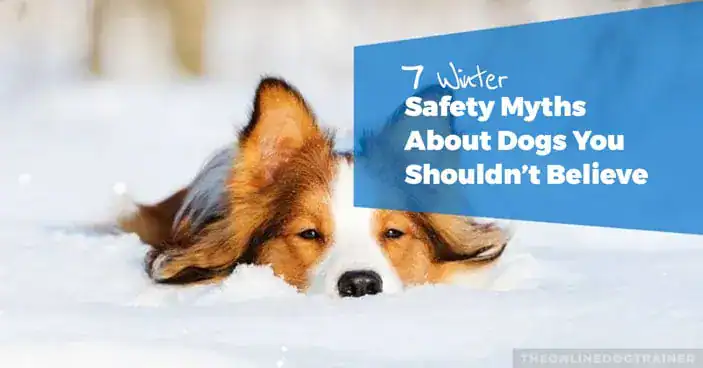
Credit: theonlinedogtrainer.com
Effects Of Cold On Dogs
Cold weather can affect dogs in many ways. Their health may suffer if they stay outside too long. It is important to know how cold impacts dogs.
Some dogs handle cold better than others. Small breeds, puppies, and older dogs need more care. Watch your dog closely in winter.
How Cold Impacts Dog Health
Cold weather can cause several health problems for dogs. Their body tries to keep warm, but long exposure may bring harm.
- Shivering to generate body heat
- Stiff muscles and joints
- Dry and cracked paw pads
- Lowered immune response
- Increased risk of illness
Signs Of Hypothermia And Frostbite
Hypothermia and frostbite are serious cold-related problems. Knowing the signs can help you act fast and protect your dog.
| Condition | Signs |
| Hypothermia | Shivering, weakness, slow breathing, low body temperature |
| Frostbite | Pale or gray skin, cold ears or tail, swelling, pain |
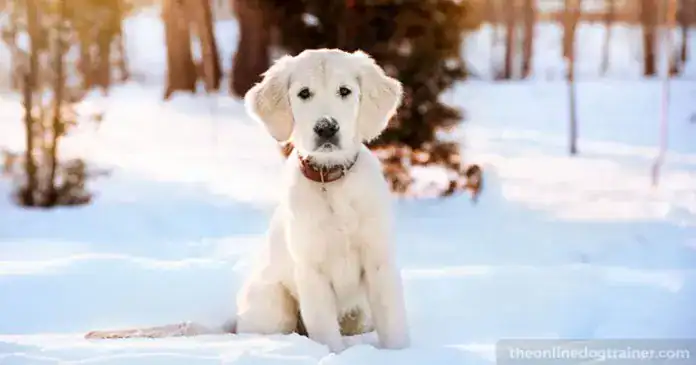
Credit: theonlinedogtrainer.com
Breed And Coat Considerations
Dogs have different abilities to handle cold weather. Their breed and coat type play a big role in this.
Some dogs are made for cold climates, while others need extra care to stay warm. Knowing your dog’s breed and coat helps keep them safe.
Breeds That Handle Cold Well
Some dog breeds have traits that help them stay warm in cold weather. These breeds often have thick fur and a strong build.
Examples of cold-weather breeds include Huskies and Malamutes. They come from snowy places and have natural protection.
- Siberian Husky
- Alaskan Malamute
- Saint Bernard
- Newfoundland
- Bernese Mountain Dog
Short-haired Vs. Long-haired Dogs
Long-haired dogs have thick coats that keep cold air out. Their fur traps warmth close to the skin.
Short-haired dogs have less protection. They may need sweaters or jackets in cold weather to stay warm.
- Long-Haired Dogs:Better natural insulation
- Short-Haired Dogs:Need extra warmth in cold
Shelter And Warmth Needs
Dogs can survive in cold weather if they have proper shelter and warmth. Cold temperatures can cause serious health problems for dogs. It is important to provide a safe and warm place for them to stay.
Understanding the best shelter options and indoor heating tips helps keep dogs comfortable and healthy during cold days and nights.
Safe Outdoor Shelter Options
Outdoor shelters must block wind, rain, and snow. The shelter should be dry and insulated. It should also be raised off the ground to avoid cold and dampness.
- Use a dog house with thick walls and a sloped roof.
- Place straw or blankets inside for warmth.
- Cover the entrance with a flap to keep cold air out.
- Keep the shelter in a spot protected from wind.
- Make sure the shelter is large enough to move but small enough to keep heat.
Indoor Heating Tips
| Tip | Details |
| Use a space heater | Keep it away from water and flammable items |
| Provide heated dog beds | Choose low-voltage, safe options |
| Keep rooms warm | Maintain a temperature above 65°F (18°C) |
| Limit drafts | Seal windows and doors where the dog stays |
Nutrition And Hydration In Winter
Cold weather affects dogs differently than warm weather. Their bodies work harder to stay warm. This means they need good food and water to stay healthy.
Nutrition and hydration are very important in winter. Dogs may need more calories and must drink enough water. Let’s look at how to adjust their diet and water intake.
Adjusting Diet For Cold Weather
Dogs burn more energy in cold weather to keep warm. They need more calories than usual. Feeding them high-quality food helps keep their body heat up.
Adding healthy fats to their diet gives extra energy. Protein helps keep their muscles strong. Avoid feeding too much food at once to prevent stomach problems.
- Increase calorie intake slightly
- Include healthy fats like fish oil
- Feed high-protein food
- Give smaller meals more often
- Check with a vet for special needs
Ensuring Proper Water Intake
Dogs may drink less water in winter because they feel less thirsty. Cold air can dry out their skin and body. It is important to keep water available and fresh.
Warm water can encourage dogs to drink more. Always check their water bowl to make sure it is not frozen. Proper hydration helps their body stay healthy and warm.
- Provide fresh water often
- Use bowls that don’t freeze easily
- Offer warm water if needed
- Watch for signs of dehydration
- Encourage drinking after exercise
Exercise And Activity Tips
Cold weather can change how dogs exercise and play. Owners need to keep dogs active but safe. This guide shares tips for exercise and activity in winter.
Keeping dogs moving helps their health and mood. Watch for signs of cold stress and adjust activities as needed.
Keeping Dogs Active Safely
Keep walks shorter in cold weather. Use dog clothes for warmth if needed. Play games indoors if it is too cold outside. Warm up your dog before exercise and check paws for ice buildup.
- Dress your dog with a coat or sweater
- Limit outdoor time to prevent hypothermia
- Warm up muscles with gentle play before walks
- Choose safe, dry places for running and playing
- Bring water to keep your dog hydrated
Avoiding Ice And Snow Hazards
Ice and snow can cause slips, cuts, and cold injuries. Protect your dog by avoiding icy areas. Check paws often for damage from salt or ice.
| Hazard | Risk | Prevention |
| Ice patches | Slipping, broken bones | Walk on cleared paths |
| Snow clumps on fur | Cold spots, discomfort | Trim fur on paws |
| Salt and chemicals | Paw irritation | Rinse paws after walk |
| Hidden objects | Injury from sharp items | Use flashlight or avoid dark areas |

Credit: kennelkitchen.com
Protective Gear For Cold
Dogs can feel cold just like humans. Protective gear helps keep them warm and safe. It also protects their skin and paws from harsh weather.
Choosing the right gear depends on your dog’s size, breed, and the weather. Good gear lets your dog enjoy cold days comfortably.
Dog Coats And Sweaters
Dog coats and sweaters add a layer of warmth. They are helpful for small or short-haired dogs. These clothes keep body heat inside and block cold wind.
Look for coats with water-resistant material. Sweaters made of soft wool can keep dogs cozy indoors and outside. Make sure the coat fits well and does not restrict movement.
Boots And Paw Protection
Boots protect paws from ice, snow, and salt. Salt on roads can hurt dog paws and cause irritation. Boots also give extra grip on slippery surfaces.
Choose boots that fit snugly but are not too tight. Some dogs may need time to get used to wearing boots. Paw wax can also protect pads if boots are not an option.
When To Seek Veterinary Care
Cold weather can be tough for dogs, especially if they are outside for long. It is important to know when your dog needs help from a vet.
Some signs show that your dog is in danger. You should act fast and get veterinary care to keep your dog safe.
Recognizing Emergency Symptoms
Watch your dog closely in cold weather. Some symptoms need urgent care from a vet. These include:
- Shivering that does not stop
- Weakness or trouble walking
- Blue or pale gums and tongue
- Slow or shallow breathing
- Stiff or cold body parts
- Collapse or unconsciousness
If you see any of these signs, take your dog to the vet right away. Early care can save your dog’s life.
Preventive Health Checks
Regular vet visits help keep your dog healthy in cold weather. The vet can check for risks and suggest ways to protect your dog.
| Check | Purpose | Frequency |
| Body Temperature | Detect if dog is too cold or feverish | During cold months |
| Skin and Coat | Check for dryness or damage from cold | Every visit |
| Heart and Lungs | Ensure good circulation and breathing | Every 6 months |
| Weight and Nutrition | Keep dog strong and warm | Every visit |
Frequently Asked Questions
Can Dogs Survive In Extremely Cold Weather?
Yes, some dog breeds survive cold weather well due to thick coats and body fat. However, all dogs need protection from extreme cold.
What Signs Show A Dog Is Too Cold Outside?
Shivering, whining, slow movements, and lifting paws indicate a dog is too cold. Immediate warming and shelter are necessary.
How Can I Keep My Dog Warm In Winter?
Provide insulated shelter, warm bedding, and dog coats. Limit outdoor time and ensure fresh water doesn’t freeze.
Are Certain Dog Breeds Better For Cold Climates?
Yes, breeds like Huskies, Malamutes, and Saint Bernards have thick fur and adapt well to cold weather.
Conclusion
Dogs can survive cold weather with the right care and protection. Not all breeds handle cold well. Some need extra warmth like coats or blankets. Always watch for signs of cold stress or discomfort. Keep them dry and limit outdoor time in freezing weather.
Healthy dogs with proper care enjoy winter safely. Cold weather means extra attention and love for your pet. Stay alert, stay kind, and keep your dog warm.