Do Cows Survive in Cold Weather: Essential Facts Revealed
Have you ever wondered how cows manage during the chilly months? As winter sets in, these gentle giants face cold, biting winds and frosty temperatures.
You might be concerned about how they stay warm and healthy. Understanding how cows cope in cold weather can give you peace of mind, especially if you’re involved in farming or simply care about animal welfare. By reading on, you’ll discover the fascinating ways cows adapt to the cold and learn practical tips to ensure their well-being.
So, if you’re curious about the resilience of these animals and want to ensure their comfort during the winter, this article is just for you.
Cold Weather Challenges
Cows face many challenges during cold weather. Their health and comfort can suffer. Farmers must understand these issues to care for cows well.
Cold weather affects cows in many ways. This article looks at low temperatures, snow and ice, and wind chill factors.
Impact Of Low Temperatures
Low temperatures cause cows to use more energy to stay warm. They need more food to keep their body heat. If they do not get enough food, they can lose weight and get weak.
- Energy from food helps keep cows warm.
- Cold slows down cow digestion.
- Very low temperatures can cause frostbite on ears and tails.
- Young calves and old cows are more at risk.
Effects Of Snow And Ice
Snow and ice make it hard for cows to find food and water. Slippery ground can cause injuries. Wet conditions lower their body temperature even more.
| Effect | Impact on Cows |
| Snow Cover | Blocks access to grass and hay |
| Ice | Increases risk of slipping and falling |
| Wet Fur | Reduces insulation and causes cold stress |
| Frozen Water | Limits water availability |
Wind Chill Factors
Wind makes cold temperatures feel colder. It strips away the warm air close to the cow’s skin. This increases heat loss and stress.
Ways wind chill affects cows:
- Raises energy needs to keep warm
- Can cause frostbite on exposed skin
- Increases risk of illness and lowered immunity
- Requires windbreaks or shelter for protection
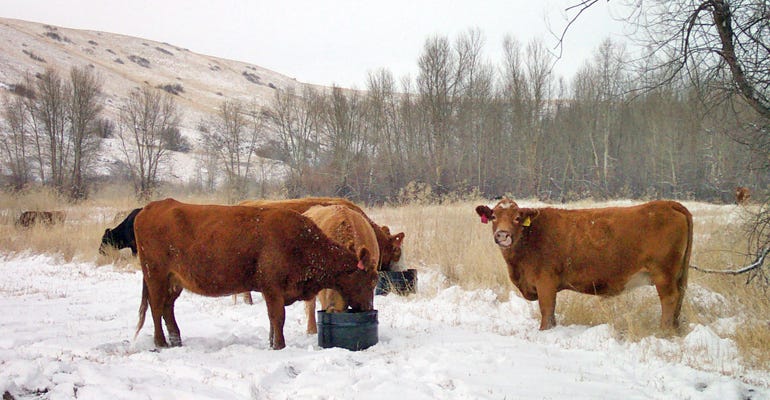
Credit: www.beefmagazine.com
Cow Adaptations
Cows can live in cold weather because they have special ways to stay warm. Their bodies help them survive low temperatures.
These adaptations keep cows safe and healthy during winter months. They protect cows from the cold and wind.
Thick Winter Coats
Cows grow thick winter coats to keep heat inside their bodies. The hair becomes longer and denser as the weather gets colder.
This coat works like a blanket. It traps warm air close to the cow’s skin and blocks cold air from reaching it.
Body Fat Insulation
Cows build up body fat before winter starts. This fat acts like a cushion and keeps their bodies warm.
Fat helps stop heat from escaping. It also protects cows from cold winds and freezing temperatures.
- Fat stores energy for cold days
- Thicker fat layer means better warmth
- Fat helps during times of less food
Behavioral Changes
Cows change how they act to stay warm. They move less to save energy and huddle close together for heat.
Cows also look for shelter from wind and snow. These actions help them avoid losing body heat in cold weather.
- Group together to share warmth
- Find sheltered areas to block wind
- Reduce movement to keep energy
Shelter And Housing
Cows need protection from cold weather to stay healthy. Proper shelter helps them keep warm. It also prevents illness caused by harsh weather.
Good housing design and materials improve cow comfort. This leads to better survival rates during cold seasons.
Importance Of Windbreaks
Windbreaks reduce cold wind exposure for cows. They lower wind chill and keep cows calmer. Trees, fences, or walls work well as windbreaks.
- Protect cows from strong winds
- Reduce heat loss from body
- Provide a dry, calm area
- Help maintain cow energy in winter
Barn Design For Warmth
Barns should block wind and keep rain out. They need good ventilation without drafts. Warm barns keep cows dry and comfortable.
| Design Feature | Benefit |
| Solid walls | Block wind and cold air |
| Roof overhangs | Keep rain and snow away |
| Ventilation openings | Allow fresh air without drafts |
| Elevated floors | Prevent dampness and cold ground |
Bedding Materials
Soft, dry bedding helps cows stay warm. It also absorbs moisture and keeps cows clean. Common bedding includes straw, sawdust, and wood shavings.
- Straw: good insulation and comfort
- Sawdust: absorbs moisture well
- Wood shavings: soft and warm
- Sand: stays dry but less warm

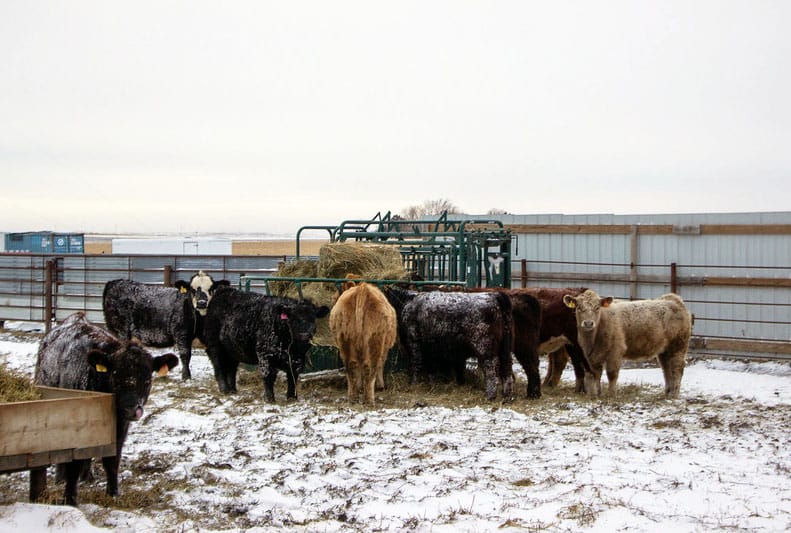
Credit: grantranch.ca
Nutrition Needs
Cows need special care to stay healthy during cold weather. Their nutrition must support extra energy use. Proper feeding helps them keep warm and strong.
Meeting cows’ nutrition needs in winter prevents weight loss and illness. Farmers must adjust feeding and water supply to match cold weather demands.
Increased Energy Requirements
Cows burn more calories to keep warm. They need more energy-rich food. Extra energy helps maintain body heat and body condition.
- Increase grain or concentrate feed
- Provide high-quality hay and silage
- Offer extra supplements if needed
- Monitor body condition regularly
Feeding Strategies In Winter
Feeding cows in cold weather requires good planning. Feed timing and type can affect their energy use. Consistent feeding times help cows digest better.
| Feeding Strategy | Description |
|---|---|
| Increase Feed Frequency | Feed smaller meals more often to improve digestion. |
| Use Energy-Dense Feed | Choose feeds higher in calories to meet energy needs. |
| Protect Feed from Weather | Keep feed dry and clean to avoid spoilage. |
| Provide Shelter | Feed cows in protected areas to reduce stress. |
Water Access And Quality
Cows need clean water to stay healthy in winter. Cold weather can freeze water sources. Frozen water limits intake and affects digestion.
- Check water sources often for ice
- Use heated water tanks if possible
- Keep water containers clean
- Provide water near feeding areas
Health Risks
Cows can survive cold weather, but they face health risks. Cold affects their body and well-being.
Farmers need to watch for problems that cold weather can cause. This helps keep cows healthy.
Frostbite And Hypothermia
Frostbite happens when cow skin and tissues freeze. It can cause pain and damage.
Hypothermia occurs when a cow’s body temperature drops too low. This is very dangerous.
- Frostbite often affects ears, tails, and teats.
- Hypothermia signs include shivering and weakness.
- Both need quick care to prevent serious harm.
Respiratory Issues
Cold weather can cause breathing problems in cows. Dry, cold air irritates their lungs.
Cows may cough or have runny noses. These symptoms can lead to infections.
- Watch for coughing and nasal discharge.
- Keep barns clean and dry to reduce risk.
- Provide fresh air but avoid drafts.
Preventative Care Tips
Good care helps cows stay safe in cold weather. Proper shelter and food are important.
Farmers should check cows often and treat any health issues fast.
- Provide dry, windproof shelters for cows.
- Feed extra energy-rich food to keep body heat.
- Keep water unfrozen and clean for drinking.
- Monitor cows for signs of cold stress daily.
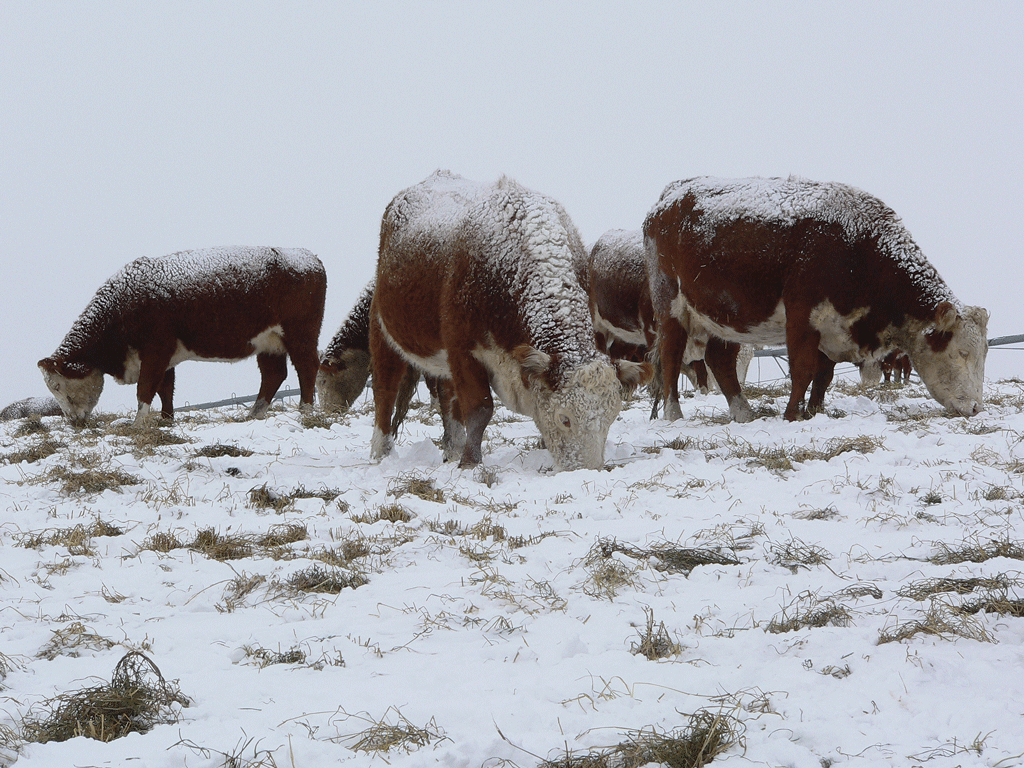
Credit: www.beefmagazine.com
Management Practices
Cold weather can be tough on cows. Proper management helps keep them healthy and safe. Farmers must watch their animals closely and adjust care routines.
Good preparation and quick response to cold conditions reduce risks of illness and stress in cows.
Monitoring Cow Condition
Check cows often for signs of cold stress. Look for shivering, slow movement, or changes in eating habits. Keep track of body condition and weight.
- Observe behavior daily
- Feel body for cold spots
- Check for frostbite on ears and tails
- Watch for coughing or nasal discharge
- Record any changes in milk production
Adjusting Routine Care
Change feeding and shelter plans to help cows stay warm. Provide extra energy with good quality feed. Make sure water does not freeze.
| Care Aspect | Cold Weather Adjustment |
| Feeding | Increase grain and hay intake |
| Water | Keep fresh and unfrozen |
| Shelter | Use windbreaks and dry bedding |
| Health Checks | More frequent monitoring |
Emergency Preparedness
Have a plan ready for extreme cold or storms. Know how to protect cows quickly. Keep supplies on hand for emergencies.
- Extra feed and water
- Blankets or covers
- Heat lamps or warming devices
- First aid kit
- Backup power source
Survival Success Stories
Cows can live through cold weather if cared for well. Many farmers in cold places share how their cows survive harsh winters.
This article tells real stories from cold regions. It also shares lessons learned from farmers’ experiences.
Examples From Cold Regions
In Alaska and northern Canada, cows face snow and freezing temperatures. Farmers use insulated barns and plenty of hay to keep cows warm.
- Cows grow thick winter coats for natural warmth.
- They eat more food to keep energy up.
- Farmers provide fresh water that does not freeze.
- Windbreaks protect cows from cold winds.
Farmer Experiences
Many farmers say preparation is key. One farmer in Norway shared how covering water buckets with lids stopped freezing. Another farmer in Siberia built heated shelters.
| Farmer | Region | Survival Tip |
| Anna | Norway | Use lids on water buckets |
| Ivan | Siberia | Build heated cow shelters |
| Mike | Alaska | Feed extra hay and grains |
Lessons Learned
Farmers learned important lessons about keeping cows safe in cold weather. These include:
- Keep cows dry by using shelters.
- Give extra food for energy and warmth.
- Check water supply often to prevent freezing.
- Watch cows for signs of cold stress.
Frequently Asked Questions
Can Cows Survive Harsh Cold Weather Conditions?
Yes, cows can survive cold weather by growing thick winter coats. They regulate body heat and huddle together to stay warm.
How Do Cows Stay Warm During Winter?
Cows generate heat through digestion and muscle activity. Farmers provide shelter, extra feed, and bedding to help them maintain warmth.
Do Cows Need Special Care In Cold Weather?
Yes, cows need more food and water in cold weather. Proper shelter and dry bedding are essential to prevent illness.
What Temperature Can Cows Tolerate Without Harm?
Cows can tolerate temperatures as low as -20°F (-29°C) with adequate shelter and nutrition. Exposure without protection risks hypothermia.
Conclusion
Cows can live through cold weather with the right care. They grow thick fur to stay warm naturally. Farmers also give them shelter from wind and snow. Good food helps cows keep their energy in winter. Water should never freeze so they can drink easily.
Watching cows closely helps spot any cold stress early. Cold weather is tough, but cows are strong animals. Taking simple steps keeps cows healthy and safe all winter.