Do Chickens Survive Cold Weather: Essential Tips to Keep Warm
As the colder months approach, you might find yourself wondering about the resilience of your feathered friends. Do chickens survive cold weather?
This question isn’t just about ensuring their comfort; it’s crucial for their health and productivity. Imagine waking up to find your beloved backyard flock shivering, stressed, or worse. You want to ensure that your chickens thrive, even when the temperatures drop.
We’ll uncover the secrets to keeping your chickens warm and happy through the winter chill. You’ll discover expert tips and practical advice that will ease your worries and keep your chickens clucking contentedly. Ready to unlock the key to winter chicken care? Let’s dive in!
Cold Weather Effects On Chickens
Chickens live in many climates, including cold areas. Cold weather can affect their health and behavior. It is important to know how cold impacts chickens to keep them safe.
Low temperatures can cause stress and make chickens more likely to get sick. Farmers and chicken owners must provide proper care during cold seasons.
How Chickens React To Low Temperatures
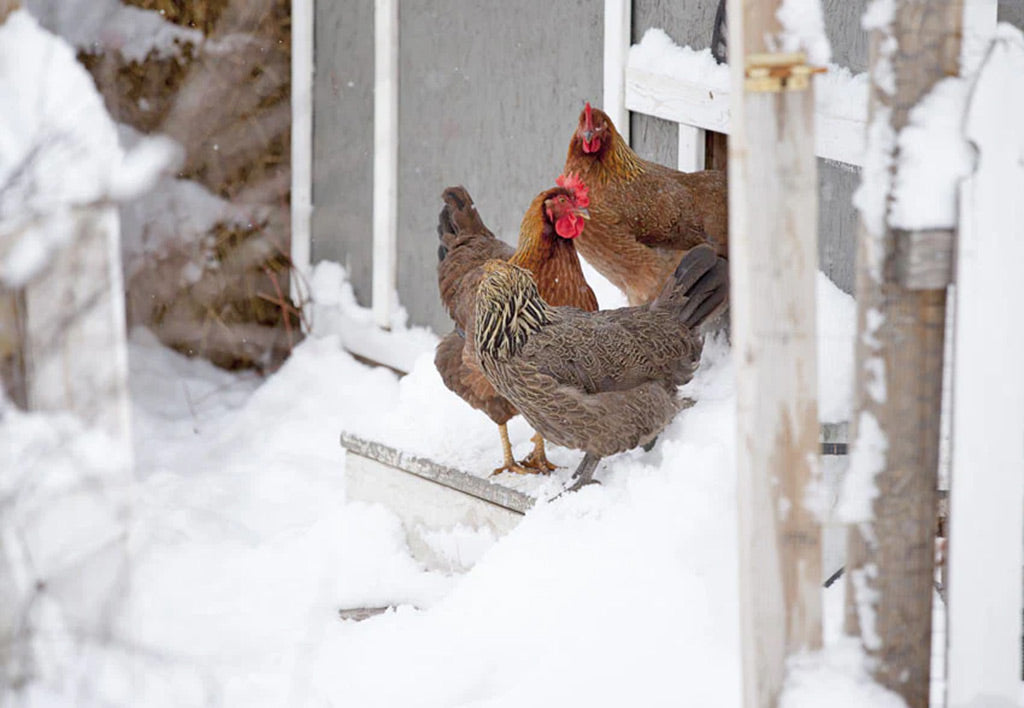
Chickens try to stay warm by fluffing their feathers. This traps air and creates insulation. They often huddle together to share body heat.
Chickens may reduce their activity and eat less in very cold weather. They also sleep more to conserve energy. Their combs and wattles might turn pale or blue due to cold.
- Fluff feathers to trap heat
- Huddle for warmth
- Reduce movement and food intake
- Show color changes in combs and wattles
Common Cold-related Health Issues
Cold weather can cause frostbite on chickens’ combs and feet. This is painful and can lead to tissue damage. Wet and drafty conditions make these problems worse.
Chickens also risk respiratory infections in cold weather. Damp and crowded coops increase the chance of illness. Weak chickens may die if they do not get care.
- Frostbite on combs, wattles, and feet
- Respiratory infections from cold and moisture
- Stress leading to weaker immune systems
- Increased risk of death without proper care
Preparing The Coop For Winter
Cold weather can be tough on chickens. Preparing their coop helps keep them safe and warm. Proper care reduces stress and health risks during winter.
Focus on insulation, ventilation, and bedding. These elements create a comfortable environment for your flock. Let’s explore how to prepare each part.
Insulation Techniques
Insulating the coop keeps heat inside and cold air out. Use materials that trap air and block wind. Avoid airtight sealing to keep fresh air flowing.
- Install foam board or rigid insulation on walls
- Seal gaps and cracks with weather stripping
- Use straw or hay bales outside the coop for extra windbreak
- Cover windows with clear plastic to trap sunlight
Ventilation Without Drafts
Good ventilation removes moisture and ammonia. Moisture causes frostbite and respiratory problems. Keep vents high to avoid cold drafts on chickens.
| Vent Location | Purpose | Notes |
| Near Roof | Release hot, moist air | Keep openings small to reduce drafts |
| Opposite Walls | Cross ventilation | Position vents above roosts |
| Adjustable Covers | Control airflow | Close partially in extreme cold |
Bedding Choices For Warmth
Choose bedding that insulates and absorbs moisture. Fresh bedding helps keep the coop dry and cozy. Change bedding regularly during winter.
- Straw: Great insulation and easy to replace
- Wood shavings: Absorbs moisture well but avoid cedar
- Hay: Adds warmth but can mold if wet
- Sand: Dries quickly, less insulation
Feeding Strategies In Cold Weather
Chickens need special care in cold weather to stay healthy. Feeding them properly helps them keep warm.
Cold weather makes chickens use more energy. Giving them the right food supports their body heat.
High-energy Diet Options
Chickens need more calories in cold weather. High-energy foods help them produce body heat.
Offer grains like corn and oats. These provide extra energy for cold days.
- Cracked corn
- Oats
- Sunflower seeds
- Scratch grains mix
Adding fats like vegetable oil or suet helps too. Fat gives more energy than carbs.
Water Management To Prevent Freezing
Chickens need fresh water all day. Water can freeze fast in cold weather.
Use heated waterers or change water often. Keep water from freezing to keep chickens drinking.
- Use heated water bowls or buckets
- Check water twice daily
- Bring water inside at night if possible
- Add warm water to keep temperature up

Credit: backyardpoultry.iamcountryside.com
Protecting Chickens From Frostbite
Chickens can survive cold weather, but frostbite is a big risk. Frostbite hurts their combs, wattles, and feet. Protecting chickens helps keep them healthy in winter.
Cold wind and wet conditions make frostbite worse. You should watch your chickens and take steps to stop frostbite from happening.
Identifying Frostbite Symptoms
Frostbite shows up as pale or dark skin on chickens’ combs, wattles, and feet. The affected areas may look hard or swollen. Chickens might stop eating or move slowly.
Check your chickens every day in cold weather. Early signs help you act fast to protect them. Watch for:
- Discolored combs or wattles (pale, gray, or black)
- Swollen or hard skin
- Chickens limping or not walking
- Loss of appetite or less activity
Preventative Measures
Keep chickens warm and dry to stop frostbite. Good coop design helps air flow without cold drafts. Use bedding like straw to keep feet warm.
Other ways to protect chickens include:
- Provide fresh water that does not freeze
- Use a safe heat source in the coop if needed
- Trim feathers around feet to keep them dry
- Apply petroleum jelly on combs and wattles for protection
- Limit time outside on very cold or windy days
Enhancing Chicken Warmth Outdoors
Chickens can stay warm outdoors if you take the right steps. Cold weather can be tough for them. You need to help them keep warm and safe.
This guide shows three ways to improve warmth. Use heat lamps carefully, create windbreaks, and provide shelter options.
Using Heat Lamps Safely
Heat lamps give chickens extra warmth in cold weather. Place lamps where chickens can reach warmth but stay safe. Avoid fire risks by following safety tips.
- Keep lamps away from flammable materials like straw and wood.
- Use clamps or secure mounts to prevent lamps from falling.
- Check wiring regularly for damage or wear.
- Turn off lamps when not needed to save energy and reduce risk.
- Use lamps designed for outdoor use and with protective covers.
Creating Windbreaks
Wind can make cold feel worse for chickens. A windbreak stops cold winds and keeps the air warmer. You can build or place natural or artificial barriers.
- Use wooden panels or fences around the coop.
- Plant shrubs or bushes near the outdoor area.
- Place tarps or plastic sheets to block strong winds.
- Ensure windbreaks do not block sunlight or airflow.
Providing Shelter Options
Chickens need shelter to escape cold and wet weather. Good shelters keep them dry and warm. Here is a simple table showing shelter types and benefits.
| Shelter Type | Benefits |
|---|---|
| Coop with insulated walls | Keeps heat inside, protects from cold |
| Raised shelters | Prevents dampness from ground, good airflow |
| Covered run area | Protects from rain and snow, adds warmth |
| Deep bedding (straw or wood shavings) | Traps heat, provides comfort |

Credit: www.reddit.com
Behavioral Signs Of Cold Stress
Chickens can feel cold just like people. When they are too cold, they show signs to protect themselves. Watching these signs helps keep them safe.
Cold stress affects how chickens act and look. You can see changes in their behavior if the weather is harsh.
Changes In Activity Levels
Chickens move less when they feel cold. They try to save energy and stay warm. You may notice them sitting or standing still more often.
Less activity means chickens eat and drink less too. This can make them weaker if cold stress lasts long.
Feather Puffing And Grouping
Chickens puff up their feathers to trap heat inside. This makes them look bigger and fluffier. It helps keep their body warm.
They also group together in one spot. Huddling shares body heat and protects them from wind and cold air.
- Fluffed feathers hold warmth
- Huddling reduces heat loss
- Both signs mean chickens feel cold
Breed Selection For Cold Climates
Choosing the right chicken breed helps them survive cold winters. Some breeds handle cold better than others.
Picking cold-hardy chickens keeps your flock healthy and comfortable in low temperatures.
Cold-hardy Chicken Breeds
Some chicken breeds are known for their ability to live well in cold weather. These breeds have traits that help them stay warm.
- Rhode Island Red: Tough and good at handling cold.
- Plymouth Rock: Has thick feathers and stays warm.
- Buff Orpington: Large and fluffy, perfect for winter.
- Australorp: Hardy breed with dense feathering.
- Wyandotte: Compact body and great cold resistance.
Traits That Improve Survival
Some traits make chickens better at surviving cold weather. These traits protect them from freezing temperatures.
- Dense Feathering: Feathers trap heat and keep chickens warm.
- Small Comb and Wattles: Less skin exposed to cold, reducing frostbite risk.
- Large Body Size: Bigger bodies keep heat longer.
- Good Appetite: Chickens that eat well generate more body heat.
- Active Behavior: Moving helps chickens stay warm.

Credit: backyardpoultry.iamcountryside.com
Frequently Asked Questions
Can Chickens Survive In Freezing Cold Weather?
Yes, chickens can survive cold weather if properly cared for. They grow thicker feathers to insulate themselves naturally. Providing shelter, bedding, and protection from wind and moisture is essential for their survival during freezing temperatures.
How Do Chickens Stay Warm In Winter?
Chickens fluff their feathers to trap warm air close to their bodies. They huddle together for added warmth. Proper coop insulation and dry bedding also help maintain a comfortable temperature for them during cold weather.
What Are Signs Of Cold Stress In Chickens?
Signs include shivering, lethargy, pale combs, and decreased egg production. Chickens may also crowd near heat sources or huddle excessively. Early detection helps prevent severe cold stress and potential health issues.
Should Chicken Water Freeze In Winter?
Frozen water can harm chickens by limiting their hydration. Use heated waterers or check water frequently to keep it liquid. Fresh, unfrozen water is vital for chicken health and egg production in cold weather.
Conclusion
Chickens can live through cold weather with some care. They need dry, draft-free shelter to stay warm. Providing extra food helps them keep energy in winter. Water must not freeze, so check it often. Watch your flock for signs of stress or illness.
Simple steps make cold months easier for chickens. Keep them safe, warm, and healthy all winter long. Cold weather does not have to harm your birds. Caring for chickens in winter is possible and rewarding.