How Horses Survive a Hurricane: Essential Survival Tactics Revealed
Imagine a storm so powerful that it can uproot trees, destroy homes, and bring entire cities to a standstill. Now, picture a majestic creature standing tall amidst the chaos, facing the fury of nature with grace and resilience.
You’re about to discover the incredible ways horses survive a hurricane, a testament to their strength and intelligence. If you’ve ever wondered how these magnificent animals manage to endure such extreme weather conditions, you’re in for a fascinating exploration. By understanding their natural instincts and survival strategies, you’ll gain insights that could change the way you view these noble creatures.
So, grab a warm drink, settle in, and prepare to be amazed at how horses defy the odds and emerge strong after the storm.
Horses’ Natural Instincts
Horses have strong instincts that help them survive dangerous weather. They can sense changes in the air and react quickly. These instincts are important during hurricanes.
Their natural behavior guides them to stay safe. Understanding these instincts can help people protect horses better during storms.
Sensing Weather Changes
Horses can feel changes in the weather before people notice. Their sharp senses pick up on wind shifts, drops in air pressure, and sounds from far away storms.
- They detect strong winds early.
- They notice dark clouds and lightning.
- They sense drops in temperature and humidity.
- They hear thunder and distant rain sounds.
Flight Response To Danger
Horses have a strong flight response. When they sense danger, they try to escape quickly. This helps them avoid harm during hurricanes.
| Trigger | Horse Reaction |
| Strong wind gusts | Move to shelter or run |
| Loud thunder | Become alert and nervous |
| Heavy rain or flooding | Seek higher ground |
| Dark clouds | Gather with other horses |

Credit: wset.com
Shelter Strategies
Horses face many dangers during hurricanes. Strong winds and heavy rain can harm them. Finding shelter is very important for their safety.
Horses use different ways to protect themselves. They look for natural cover or man-made structures. Both help reduce injury and stress.
Finding Natural Cover
Horses often seek natural shelters like trees or hills. These places block wind and rain. Trees with thick branches work best.
Natural cover can calm horses too. It makes them feel safe during the storm. Horses know to move toward these areas quickly.
- Look for dense tree groups
- Choose hills or high ground
- Avoid areas with loose branches
- Find spots that block wind from one side
Using Man-made Structures
Stables and barns offer good protection. They keep horses dry and shielded from strong winds. Solid walls reduce injury risks.
Horses may also use run-in sheds. These open-front shelters give quick access. They protect horses while letting fresh air in.
- Use sturdy buildings with no loose parts
- Ensure good drainage inside shelters
- Keep shelters clean and free of debris
- Provide enough space for all horses
Group Behavior During Storms
Horses show strong group behavior to stay safe during hurricanes. They gather closely and act together.
This behavior helps them protect each other from harsh winds and flying debris.
Herd Protection Mechanisms
Horses use several ways to shield the herd during storms. They group tightly, often forming a circle.
- Older horses stand in the center to block the wind
- Younger and weaker horses stay inside the group
- They face the storm to reduce wind impact
- Horses use their bodies as a barrier against debris
- The herd moves slowly to safer areas if possible
Communication In Crisis
Horses communicate loudly and clearly during storms to keep the group together. Sounds and body language are key.
| Type of Communication | Purpose | Example |
| Whinnying | Alert others of danger | Loud calls |
| Snorting | Express fear or stress | Short bursts |
| Body Position | Show direction to move | Facing storm wind |
| Ear Movement | Signal attention or warning | Ears pinned back |
Physical Adaptations For Survival
Horses have special physical traits that help them survive tough weather. These traits protect them during strong storms like hurricanes.
Understanding these adaptations shows how horses endure nature’s challenges and stay safe in dangerous conditions.
Endurance And Strength
Horses have powerful muscles and strong bones. These allow them to run fast and travel long distances. This strength helps them escape danger during hurricanes.
- Large lung capacity for better breathing
- Strong heart to support long runs
- Muscular legs for quick movement
- Hooves that provide firm grip on wet ground
Resilience To Harsh Conditions
Horses can handle heavy rain and strong winds. Their thick coats keep them warm and dry. Their skin also protects against cuts and insect bites.
| Feature | Benefit |
| Thick coat | Keeps horse warm and dry |
| Tough skin | Protects from cuts and insects |
| Strong hooves | Prevent slipping on wet surfaces |
| Large eyes | Help see clearly in low light |
Human Roles In Horse Safety
People play a big part in keeping horses safe during hurricanes. Careful planning and quick actions help protect horses from harm.
This guide explains how humans help with evacuation, shelter, and emergency care for horses in storms.
Evacuation And Shelter Planning
Planning where and how to move horses before a hurricane is key. People must prepare in advance to avoid chaos.
- Identify safe shelters that accept horses
- Arrange transport that fits all horses comfortably
- Pack supplies like food, water, and medical kits
- Practice loading horses into trailers
- Make a list of emergency contacts and documents
Emergency Care And Resources
During and after a hurricane, horses may need quick medical care. People must know how to handle injuries and stress.
| Type of Care | What to Do |
| Minor cuts | Clean and bandage wounds |
| Dehydration | Offer clean water often |
| Shock | Keep horse calm and warm |
| Lost horse | Search area and alert shelters |

Credit: www.ajc.com
Post-hurricane Recovery
After a hurricane passes, horses need help to recover. The storm can cause injuries and damage their homes.
Careful steps are needed to keep horses safe and healthy during recovery.
Health Monitoring
Check horses often for wounds or signs of illness. Hurricanes can cause cuts, bruises, and stress.
Watch for changes in eating, drinking, or behavior. Early help can stop health problems from getting worse.
- Look for cuts, swelling, or limping
- Check temperature and breathing
- Note changes in appetite or energy
- Seek vet care if needed
Restoring Habitats
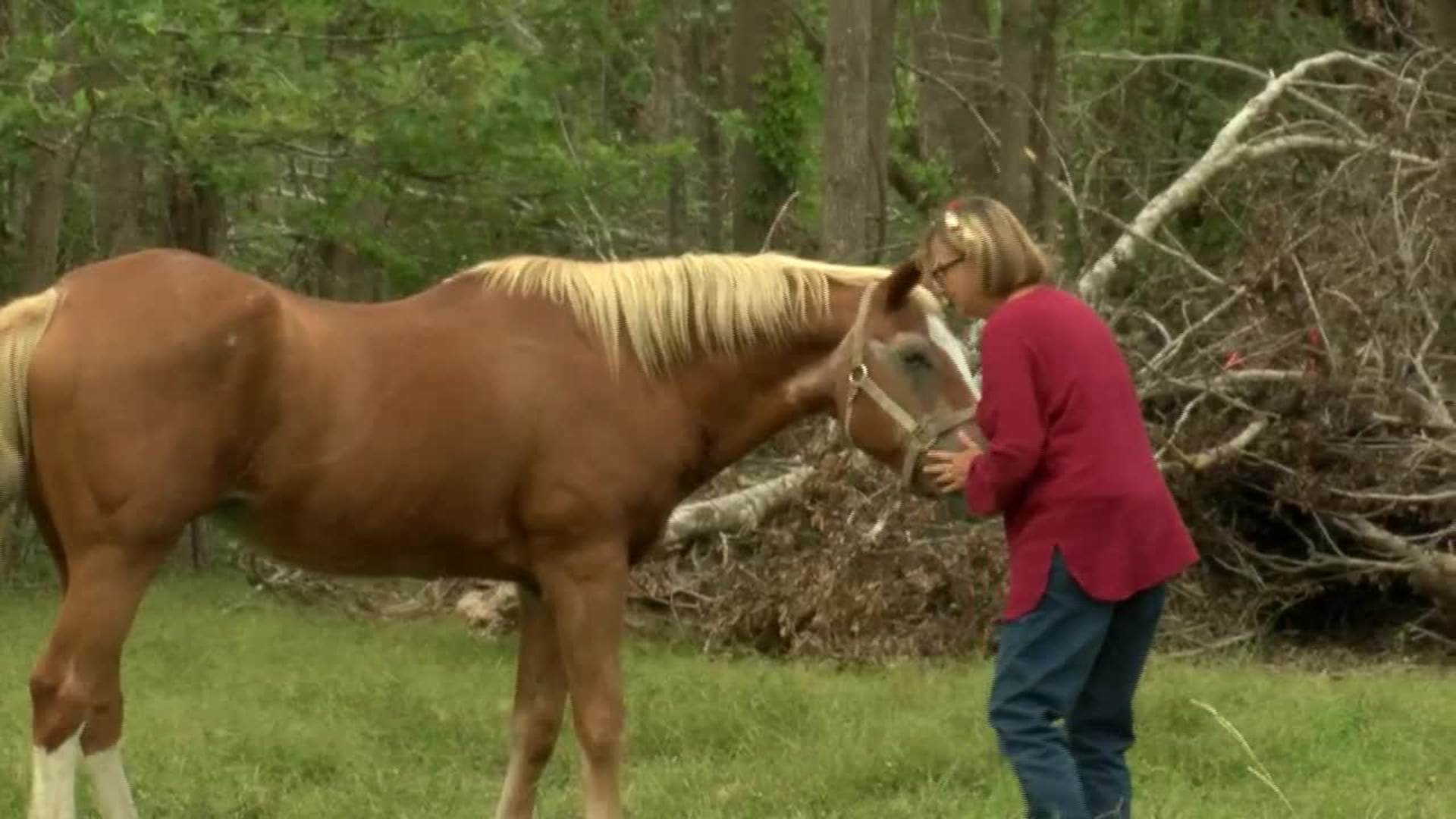
Hurricanes often destroy fences, shelters, and pastures. Fixing these helps horses feel safe again.
Clear debris and repair damaged areas quickly. This makes it easier for horses to return to normal life.
- Remove fallen trees and branches
- Fix or rebuild fences
- Restore shelters and barns
- Check water and food sources
Credit: www.kplctv.com
Frequently Asked Questions
How Do Horses Sense An Approaching Hurricane?
Horses detect changes in air pressure, wind patterns, and sounds. These natural instincts help them sense an approaching hurricane early. Their heightened senses alert them to seek shelter quickly, increasing their chances of survival during extreme weather.
Where Do Horses Find Shelter During Hurricanes?
Horses typically seek sturdy structures like barns or natural shelters such as dense trees. Adequate shelter protects them from strong winds, flying debris, and heavy rain. Proper shelter placement is crucial to minimize injury and stress during hurricanes.
How Can Owners Prepare Horses For Hurricanes?
Owners should have an emergency plan including safe shelter, food, and water supplies. Regularly checking fences and securing loose objects reduces hazards. Preparing in advance ensures horses remain safe and cared for during and after the hurricane.
What Are Common Injuries Horses Face In Hurricanes?
Horses often suffer from cuts, bruises, and broken limbs due to debris and falls. Stress and dehydration are also common issues. Immediate veterinary care and proper shelter reduce the risk of severe injuries during hurricanes.
Conclusion
Horses show amazing strength during hurricanes. They use their instincts to find safe places. Owners must prepare early to protect their animals. Strong shelters and fresh water are very important. Horses stay calm when cared for well. Nature can be tough, but horses adapt.
Understanding their behavior helps us keep them safe. Caring for horses before storms saves lives. Their survival depends on preparation and care. We learn a lot from how horses endure storms.