Did Key Deer Survive Hurricane Irma? Shocking Survival Story
Imagine the chaos and destruction left in the wake of Hurricane Irma. Homes were shattered, landscapes transformed, and lives turned upside down.
But amidst all that turmoil, have you ever wondered about the fate of the delicate and enchanting Key deer? These small, gentle creatures are unique to the Florida Keys and hold a special place in the hearts of many. As someone who cares about wildlife and the balance of our ecosystems, you might be curious about how these animals fared during such a powerful storm.
Did they survive? How did they adapt to the challenging conditions? You’ll uncover the resilience and journey of the Key deer through the storm’s aftermath. Stay with us to discover their story and the efforts made to protect these precious animals. You won’t want to miss the surprising insights and heartwarming updates that lie ahead.
Credit: www.miamiherald.com
Key Deer Habitat
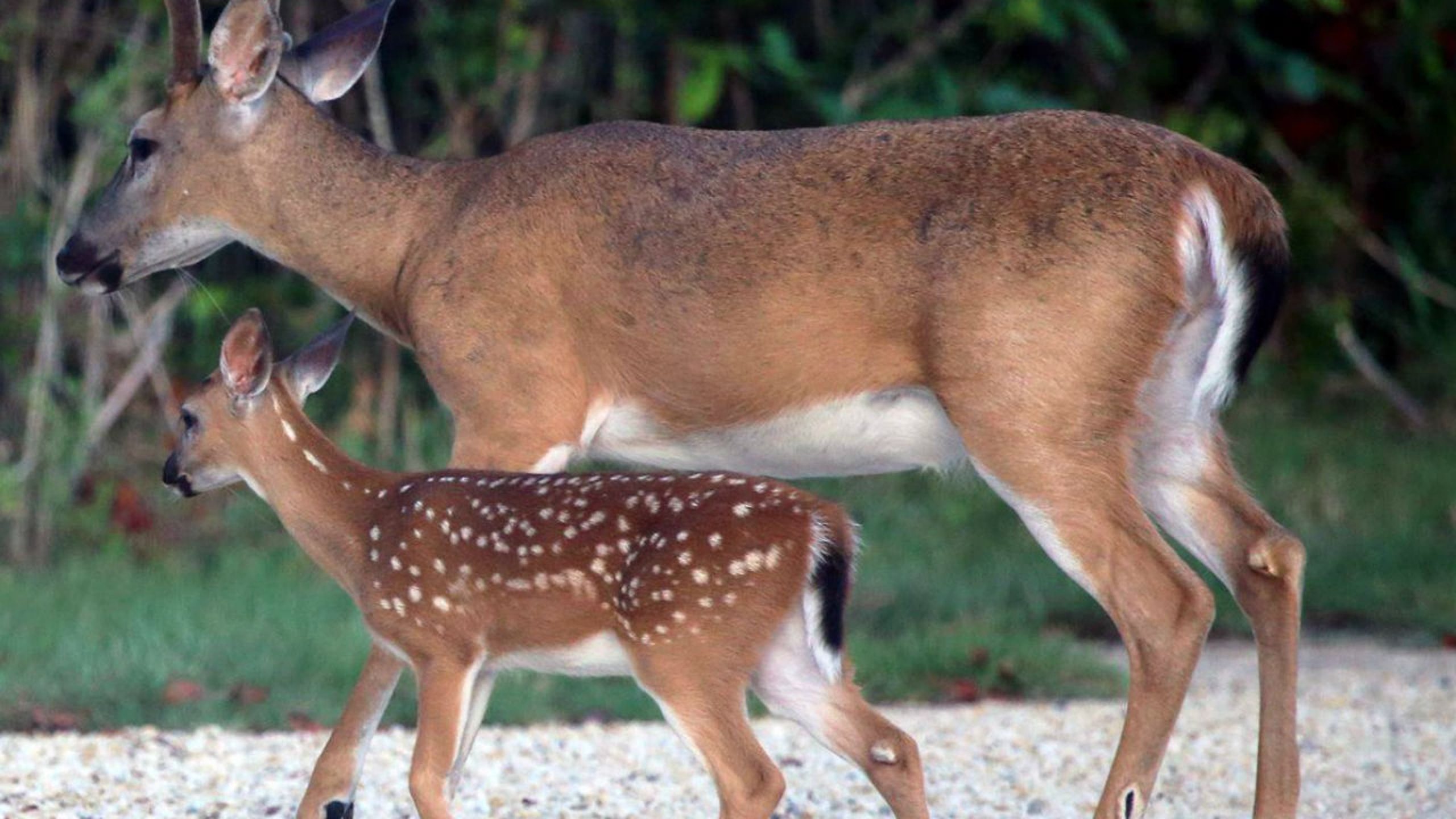
Key deer are small deer that live only in a few places. They need special habitats to survive and stay safe.
Hurricanes like Irma can change their homes. We look at where they live and the conditions they face.
Geographic Range
Key deer live mostly in the Florida Keys. This area is a chain of islands near the southern tip of Florida.
- Range covers islands from Big Pine Key to No Name Key
- They avoid areas with heavy human activity
- They use forests, wetlands, and mangroves for shelter
- Water sources near habitat are important
Environmental Conditions
The Florida Keys have warm temperatures and high humidity. These conditions suit the Key deer well.
| Condition | Effect on Key Deer |
| Temperature | Warm year-round, helps with food growth |
| Rainfall | Supports wetland plants deer eat |
| Storms | Can destroy habitat and cause stress |
| Vegetation | Provides food and cover |
Hurricane Irma Impact
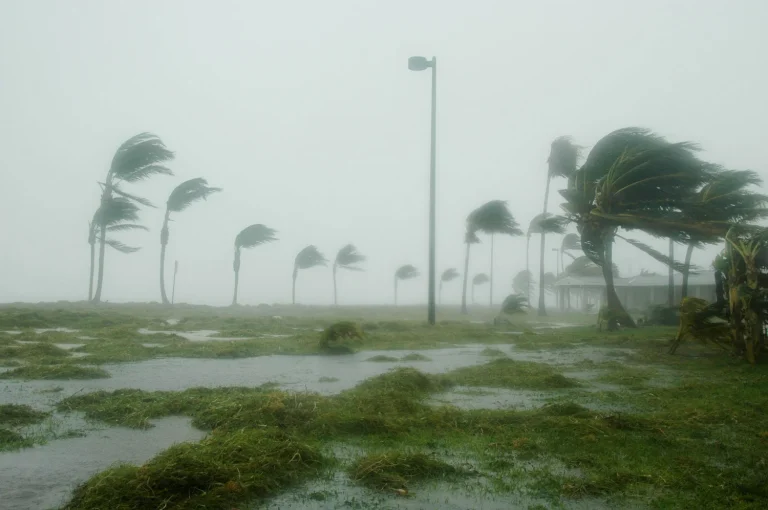
Hurricane Irma hit Florida in September 2017. It was one of the strongest storms recorded in the Atlantic.
The storm caused serious damage to people and nature in the Florida Keys. This includes the Key Deer population.
Storm Path And Strength
Irma began as a Category 5 hurricane with winds over 180 mph. It moved west through the Caribbean and then north toward Florida.
- Made landfall in the Florida Keys as a strong Category 4 storm
- Storm surge caused flooding on low-lying islands
- Heavy rains and wind knocked down trees and power lines
- The storm moved slowly, increasing damage over time
Damage To The Florida Keys
The Florida Keys suffered major damage to homes, roads, and nature habitats. The Key Deer faced serious threats.
| Type of Damage | Effect on Key Deer |
| Flooding | Lost habitat and food sources |
| Strong Winds | Injuries and displacement |
| Power Outages | Disrupted rescue and care efforts |
| Human Evacuations | Deer left without protection |
Many Key Deer survived, but some were injured or lost. Conservation groups worked quickly to help them recover after the storm.
Effects On Key Deer Population
Hurricane Irma hit the Florida Keys in 2017. It caused many problems for the Key deer population. These small deer live only in this area. The storm’s strong winds and flooding changed their lives.
This article explains how the hurricane affected the deer. It looks at the initial casualties and damage to their homes.
Initial Casualties
Many Key deer died during the hurricane. The strong winds knocked down trees and power lines. Some deer were hit by falling objects. Flooding also trapped some deer in unsafe places.
Rescue teams found injured deer after the storm. They helped the animals recover. Still, the population dropped quickly after the hurricane passed.
Habitat Destruction
Hurricane Irma destroyed much of the Key deer habitat. Trees and plants that provide food and shelter were lost. Floodwaters changed the landscape and made some areas unlivable.
The loss of habitat made it harder for the deer to find food and stay safe. This caused stress and lowered their chances of survival.
Survival Strategies
Key deer live in the Florida Keys, an area often hit by storms. Hurricane Irma was a big test for these small deer.
They use special survival strategies to protect themselves during strong hurricanes.
Adaptations To Storms
Key deer have physical and behavioral traits to survive storms. Their small size helps them hide quickly. They can stay still and quiet to avoid danger.
- Use dense vegetation as cover
- Lower their activity before storms
- Seek higher ground to avoid floodwaters
- Stay close to freshwater sources
Migration And Shelter
Key deer move to safer places when storms approach. They find shelters in forests and mangroves that block strong winds.
| Migration Pattern | Shelter Type |
| Short distance moves | Thick forests |
| Seeking higher elevation | Mangrove swamps |
| Cluster in groups | Under dense bushes |
Post-irma Recovery Efforts
Hurricane Irma hit the Florida Keys hard in 2017. The Key deer, a small endangered species, faced many challenges after the storm.
Recovery efforts aimed to help Key deer populations bounce back. These efforts included habitat restoration and protection programs.
Conservation Initiatives
Conservation groups worked to repair damaged habitats where Key deer live. They planted native plants and removed debris to make the area safe again.
Scientists tracked the deer to monitor their health and numbers. This helped guide future protection plans for the species.
- Habitat clean-up and restoration
- Tracking and health checks
- Building safe corridors for deer movement
- Preventing human interference in key areas
Community Involvement
Local communities joined efforts to protect Key deer after Irma. Volunteers helped with clean-up and monitoring activities.
Educational programs raised awareness about the deer’s needs. People learned how to keep deer safe and avoid dangers like traffic.
- Volunteer clean-up days
- Public talks and school programs
- Creating signs to warn drivers
- Reporting injured or trapped deer

Credit: www.theguardian.com
Current Status Of Key Deer
The Key deer is a small subspecies of white-tailed deer. It lives only in the Florida Keys. The population faced many challenges after Hurricane Irma.
This article looks at the recent population trends and ongoing threats to the Key deer. It helps understand their current status.
Population Trends
The Key deer population showed signs of recovery after Hurricane Irma in 2017. Conservation efforts helped the numbers stay stable.
- Population dropped sharply right after the hurricane.
- Wildlife agencies monitored the population closely.
- Breeding programs helped increase deer numbers.
- Protected areas allowed safe habitats to grow.
- Recent counts show slow but steady growth.
Ongoing Threats
Despite recovery, Key deer still face many dangers. These threats can affect their survival in the future.
| Threat | Description |
| Habitat Loss | Development reduces safe areas for deer. |
| Vehicle Collisions | Roads cause injuries and deaths. |
| Climate Change | Rising sea levels flood deer habitats. |
| Predators | Increased predators affect young deer. |
| Disease | Sickness can spread quickly in small populations. |
Lessons From The Survival Story
The Key Deer faced Hurricane Irma’s strong winds and floods. Many wondered if this small species could survive such a disaster. Their story offers important lessons for wildlife protection.
Understanding how the Key Deer survived helps us protect animals during future storms. It shows what we must do to keep habitats safe and how people can help.
Importance Of Habitat Protection
Key Deer depend on their natural habitat to live and find food. When hurricanes hit, healthy habitats give them shelter and resources to survive.
- Strong mangroves reduce wind damage.
- Wetlands provide safe areas from floods.
- Native plants offer food and cover.
- Protected zones limit human disturbance.
Preserving these habitats lowers the risk of animal loss during storms. It also helps ecosystems recover faster after disasters.
Role Of Human Support
Humans played a key role in helping Key Deer after Hurricane Irma. Rescue teams checked injured animals and provided food and water.
| Human Action | Impact on Key Deer |
| Rescue and medical care | Saved injured deer |
| Food and water supply | Helped deer survive shortages |
| Habitat restoration | Rebuilt safe living areas |
| Public awareness | Increased support for conservation |
These efforts showed how people can protect wildlife during natural disasters. Continued support is vital for the Key Deer’s future.
Credit: www.miamiherald.com
Frequently Asked Questions
Did Key Deer Survive Hurricane Irma In 2017?
Yes, many Key Deer survived Hurricane Irma despite severe habitat damage. Conservation efforts helped their recovery and population stability.
How Did Hurricane Irma Impact Key Deer Habitats?
Hurricane Irma destroyed much of the Key Deer’s natural habitat. Flooding and wind damaged food sources and shelter, affecting deer survival.
What Conservation Actions Aided Key Deer Post-irma?
Rescue teams provided medical care and relocated injured deer. Habitat restoration and monitoring programs supported the Key Deer’s rebound after Irma.
Are Key Deer Populations Stable After Hurricane Irma?
Key Deer populations have shown signs of recovery but remain vulnerable. Continued conservation is crucial to ensure their long-term survival post-Irma.
Conclusion
Key deer showed strong resilience after Hurricane Irma. Many survived despite harsh conditions. Their habitats faced severe damage but began recovery. Conservation efforts helped protect these small deer quickly. People continue to watch and support their comeback. Nature’s strength and care give hope for their future.
The story of key deer survival inspires us all.