Do Bumble Bees Survive Cold Weather: Essential Survival Facts Revealed
Imagine it’s a chilly morning, and you spot a bumblebee buzzing around your garden. You might wonder, “How does this little creature survive in cold weather?”
You’re not alone. Many people are curious about how bumblebees manage to thrive when temperatures drop. Understanding this can change how you view these fascinating insects and even how you care for your garden. By the end of this article, you’ll not only have a newfound appreciation for bumblebees but also practical insights into their survival tactics.
Dive in to uncover the surprising resilience of bumblebees in cold weather and discover how you can help these vital pollinators flourish all year round.

Credit: www.terminix.com
Bumble Bee Biology
Bumble bees are important pollinators in many ecosystems. They have unique ways to survive cold weather.
Understanding their biology helps explain how they live through winter and keep their colonies alive.
Life Cycle Overview
Bumble bees go through four stages in their life cycle: egg, larva, pupa, and adult. The queen starts a new colony each spring.
- The queen lays eggs in a nest she builds.
- Larvae hatch and grow by eating pollen and nectar.
- Larvae change into pupae inside cocoons.
- Adult bees emerge to help the colony.
- In late summer, new queens and males are born.
- New queens mate and find a place to hibernate.
- Old queens and workers die off as cold weather comes.
Physical Adaptations
Bumble bees have special body features to survive cold temperatures. Their thick hair keeps them warm.
| Adaptation | Function |
| Thick Hair | Traps heat to keep the bee warm |
| Large Muscles | Help generate heat by shivering |
| Fat Stores | Provide energy during winter hibernation |
| Hibernation | Queens survive cold months in a dormant state |
Cold Weather Challenges
Bumble bees face many problems during cold weather. Cold temperatures can slow them down and cause harm.
Finding food is also hard when flowers are scarce. These challenges affect their survival through winter.
Temperature Effects
Cold weather lowers bumble bees’ body temperature. They cannot fly or gather food when cold.
Bumble bees use heat from their muscles to stay warm. Some huddle together to keep warm inside the nest.
- Cold slows their movement
- Low temperatures can cause death
- Bees stay in nests to survive cold
- Muscle heat helps them warm up
Food Scarcity
Cold weather means fewer flowers bloom. Bumble bees have less nectar and pollen to eat.
Without enough food, bees lose energy. This makes it hard to keep warm and survive winter.
- Few flowers reduce food supply
- Less nectar means less energy
- Pollen shortage affects young bees
- Food scarcity weakens the colony
Survival Strategies
Bumble bees face cold weather with special survival methods. They use their bodies and nests to stay warm. These strategies help them live through winter.
Understanding how bumble bees survive cold shows their strong nature. Their habits protect them until spring returns.
Hibernation Habits
Only queen bumble bees hibernate during winter. Workers and males die off as cold comes. Queens find safe spots underground to sleep through winter.
- Queens burrow into soil or old rodent holes
- They enter a deep sleep called diapause
- Metabolism slows to save energy
- Queens wake when temperatures rise in spring
Nest Insulation
Bumble bee nests have natural insulation to keep warmth inside. They use materials found nearby to protect against cold and wind.
| Material | Purpose |
| Wax | Seals and blocks cold air |
| Plant fibers | Adds warmth and padding |
| Soil and leaves | Extra layer to keep heat |
Energy Conservation
Bumble bees save energy to survive cold times. They slow down their body functions and limit activity to keep fuel.
Key energy-saving methods include:
- Reducing muscle movement to lower heat loss
- Using stored fat in their bodies for fuel
- Staying inside the insulated nest during cold spells
Role Of Queen Bees
Bumble bees face cold weather by relying on their queen bees. The queen is the only bee that survives the winter. She plays a key role in the life of the colony during cold months.
The queen bee prepares herself for winter by finding a safe place to rest. This helps the species continue after the cold season ends.
Overwintering Process
In cold weather, the queen bee stops flying and eating. She finds a warm and dry spot underground. There, she stays quiet and uses stored energy to survive.
Other bees from the colony die off before winter. Only the fertilized queen lives through the cold months. She conserves energy by lowering her body temperature.
- Queen finds a safe underground shelter
- She enters a state of rest to save energy
- Body temperature drops to slow metabolism
- Queen uses stored fat to survive winter
Colony Reestablishment
After winter, the queen leaves her shelter to start a new colony. She looks for a good place to build a nest. Then, she lays eggs to grow the colony.
The queen feeds the first young bees until they can collect food. These new workers help build the nest and gather pollen. This work helps the colony grow strong again.
- Queen finds a new nest site in spring
- She lays eggs to produce workers
- First workers care for the queen and the nest
- Colony grows as workers gather food
Impact Of Climate Change
Climate change affects bumble bees in many ways. Their ability to survive cold weather is changing. This change can harm their populations and the plants they pollinate.
Understanding how shifting weather and survival rates change helps us protect these important insects. We must look at how these factors impact bumble bees over time.
Shifting Weather Patterns
Weather changes caused by climate change make winters less predictable. Some winters are warmer, while others have sudden cold snaps. These shifts affect bumble bees’ hibernation and feeding cycles.
- Warmer winters can cause bees to wake early from hibernation.
- Early waking may lead to a lack of food sources.
- Sudden cold spells can kill bees that are active too soon.
- Changes in snowfall impact the insulation of bee nests.
- Unstable weather increases stress on bee colonies.
Survival Rate Changes
Survival rates of bumble bees have changed due to climate stress. Some species decline while others adapt or move to new areas. Scientists track these changes using data tables.
| Bee Species | Survival Rate in Cold Winters (2010) | Survival Rate in Cold Winters (2020) |
| Bombus terrestris | 75% | 62% |
| Bombus hortorum | 68% | 55% |
| Bombus lapidarius | 70% | 60% |
| Bombus pascuorum | 80% | 72% |

Credit: buzztropolis.com
Supporting Bumble Bees In Winter
Bumble bees face cold weather with unique survival skills. They do not hibernate like some insects. Instead, queen bumble bees find warm places to stay.
Helping bumble bees in winter is important. You can support them by creating safe homes and offering food sources during cold months.
Creating Safe Habitats
Bumble bee queens look for cozy spots to stay warm. They hide in old rodent holes, leaf piles, or thick grass. These places protect them from harsh weather.
You can help by leaving natural debris in your garden. Avoid cleaning all leaves or dead plants in late fall. This gives bees shelter to survive the winter.
- Keep fallen leaves and grass clumps
- Leave old logs or wood piles
- Do not disturb rodent burrows
- Plant native shrubs for wind protection
Providing Food Sources
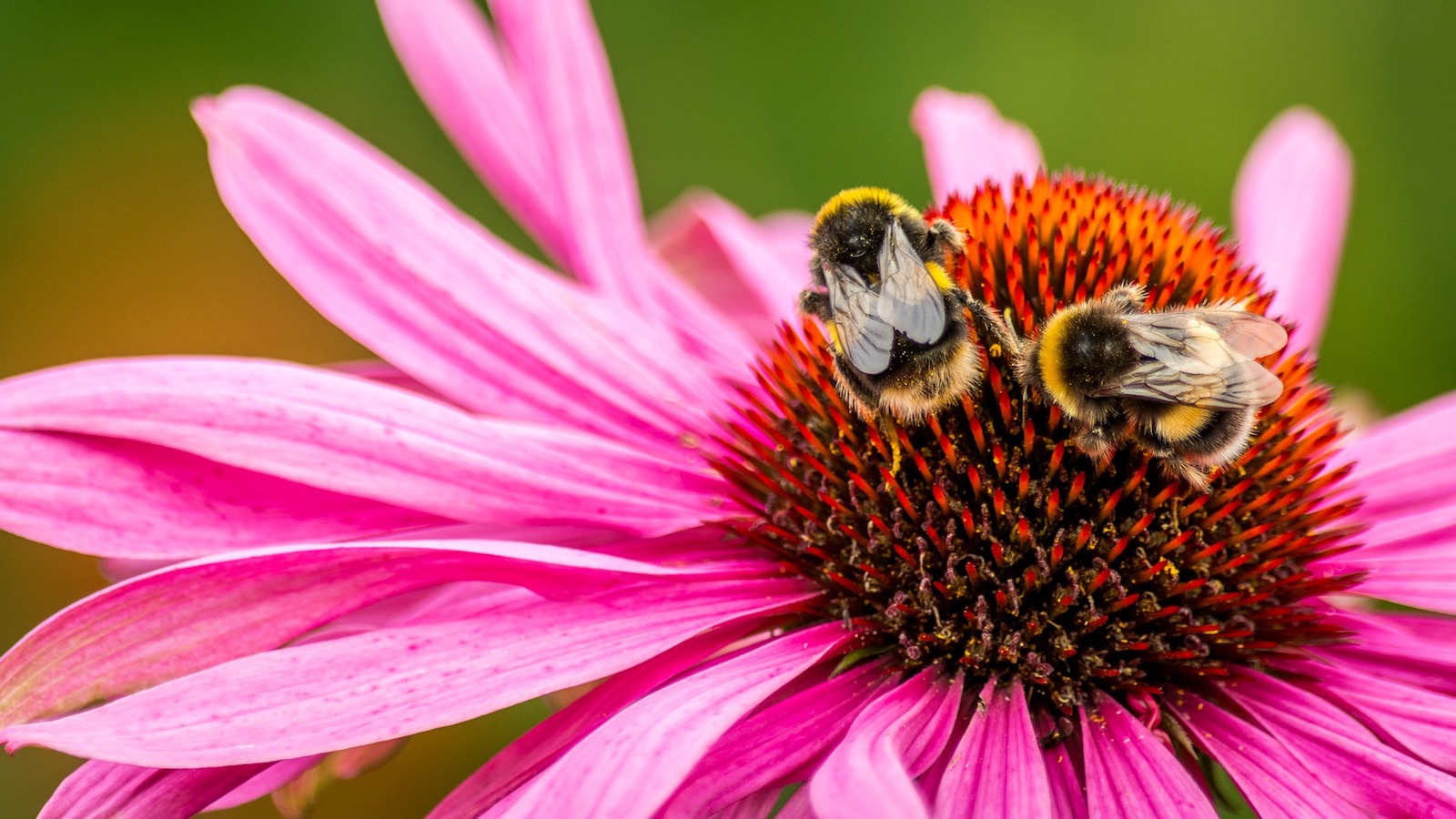
Bumble bees need food before winter to build fat reserves. Late blooming flowers help queens gather nectar and pollen. This food is crucial for their survival.
Plant flowers that bloom in late summer and fall. These plants provide the energy bees need before cold weather. Avoid using pesticides that can harm bees.
- Goldenrod
- Asters
- Heather
- Winter savory
- Hellebore
Credit: environmentamerica.org
Frequently Asked Questions
Do Bumble Bees Hibernate During Cold Weather?
Bumble bees do not hibernate but enter a state called diapause. Queens find sheltered spots to stay inactive through winter. This helps them conserve energy until warmer temperatures return.
How Do Bumble Bees Survive Freezing Temperatures?
Bumble bees survive cold by clustering tightly and generating heat. They vibrate their flight muscles to stay warm. Only the queen survives winter, while others die off.
Can Bumble Bees Survive Snow And Frost?
Bumble bees rarely survive direct exposure to snow or frost. Queens hide underground or in insulated spots to avoid freezing. These protected areas help them endure harsh winter conditions.
What Happens To Bumble Bee Colonies In Winter?
Bumble bee colonies die off in winter except for the queen. The queen overwinters alone and starts a new colony in spring. This cycle ensures species survival through cold months.
Conclusion
Bumble bees have a smart way to survive cold weather. They gather inside their nests to stay warm. The queen sleeps through winter until spring comes. Worker bees keep the nest cozy by vibrating their muscles. This teamwork helps the colony live through cold months.
Knowing this helps us appreciate these busy insects more. Protecting their habitats is important for their survival. Bumble bees play a big role in pollination and nature. They adapt well but still need our care and respect.