Do Bed Bugs Survive Cold Weather: Shocking Truths Revealed
Picture this: the biting chill of winter is settling in, and you might be hoping that the cold weather will rid you of pesky bed bugs. But is that really true?
Can bed bugs survive the freezing temperatures, or will they finally meet their match in the frosty air? If you’re battling these unwelcome guests, you’re probably yearning for a solution that offers peace of mind. You deserve to sleep soundly without worrying about these tiny intruders.
Understanding how bed bugs react to cold weather could be the key to taking back control of your home. Stick around as we uncover the truth about bed bugs and cold weather, and learn how you can protect yourself and your sanctuary from these persistent pests.

Credit: bedbugtreatmentkit.com
Bed Bugs And Cold Weather
Bed bugs are small insects that feed on human blood. People often wonder if cold weather can kill them.
This topic is important for controlling bed bugs in cold climates or during winter months.
How Cold Affects Bed Bugs
Cold temperatures slow down bed bugs’ activity and growth. They become less active and eat less.
Extreme cold can cause them to die, but short cold exposure might not kill all of them.
Temperature Thresholds For Survival
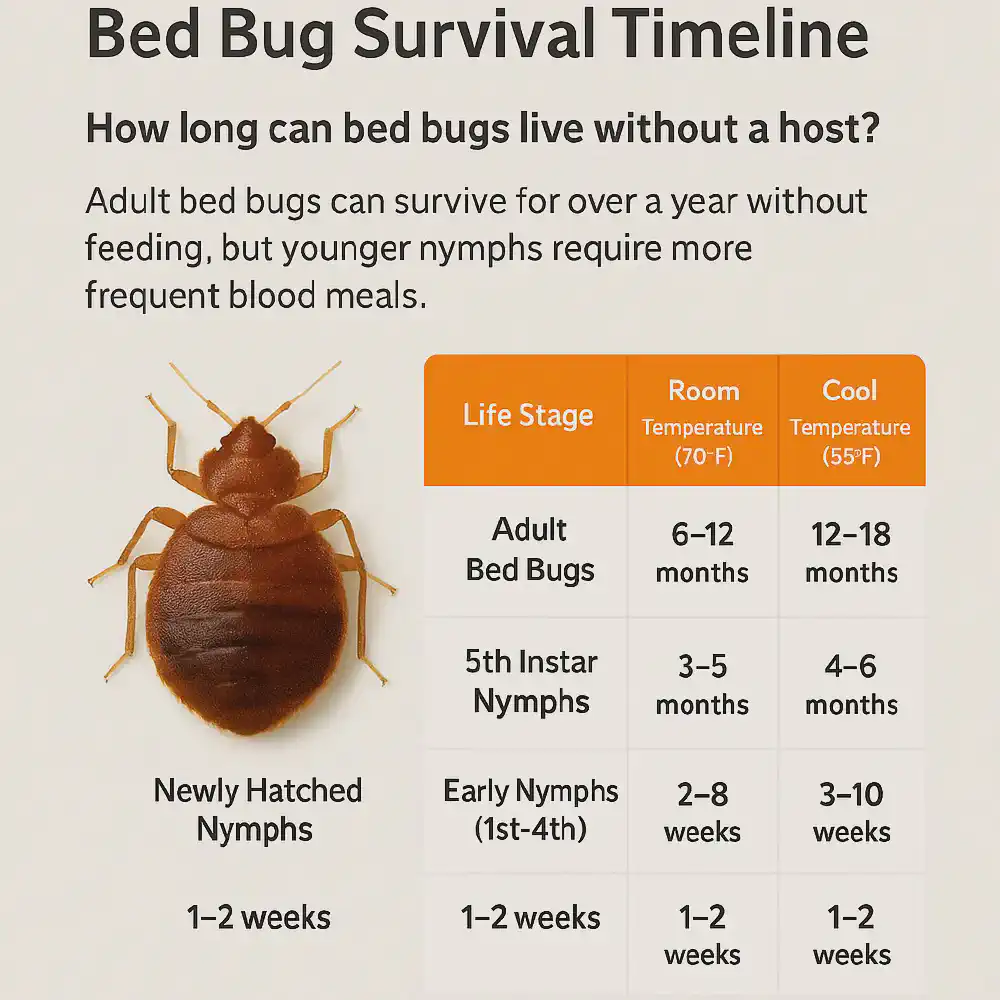
Bed bugs can survive at temperatures just above freezing for some time. They start to die below certain cold levels.
- At 32°F (0°C), bed bugs survive but become inactive.
- Temperatures below 20°F (-6°C) for several days can kill bed bugs.
- Freezing at 0°F (-18°C) for 4 days or more usually kills all stages of bed bugs.
Myths About Bed Bugs And Freezing
Many people believe cold weather kills bed bugs instantly. This idea is common but not always true. Understanding how bed bugs react to freezing can help in dealing with them.
This article explains common myths about bed bugs and freezing. It also shares scientific facts that show what really happens to bed bugs in cold conditions.
Common Misconceptions
Some people think bed bugs freeze and die during winter outside. They believe cold weather alone can stop an infestation. Others say putting items in the freezer kills all bed bugs quickly.
These ideas lead to wrong treatment methods. Bed bugs can hide in warm places inside homes. They do not die just because it is cold outside. Also, freezing small items may not kill all bed bugs if the temperature or time is not enough.
- Bed bugs die instantly when exposed to cold temperatures.
- Freezing household items always kills bed bugs.
- Cold winter weather prevents bed bug infestations.
- Bed bugs cannot survive freezing conditions at all.
Scientific Evidence Against Myths
Studies show bed bugs survive cold temperatures if not exposed long enough. They enter a state called dormancy to survive harsh conditions. Freezing must be very cold and last several days to kill bed bugs.
Experts say freezing items at -18°C (0°F) for at least four days helps kill bed bugs. Warmer freezing times or temperatures may only slow them down, not kill them. Bed bugs inside homes often avoid cold by hiding in warm spots.
- Bed bugs survive short cold exposure by slowing their body functions.
- Freezing below -18°C (0°F) for several days kills most bed bugs.
- Cold outdoor weather rarely kills bed bugs inside homes.
- Proper freezing treatment requires very low temperatures and time.
Cold Weather Survival Strategies
Bed bugs face tough conditions in cold weather. They use special ways to survive freezing temperatures.
Understanding how bed bugs survive cold helps in controlling their spread during winter.
Behavioral Adaptations
Bed bugs hide in warm places to avoid cold. They stay inside homes, furniture, and cracks.
They reduce their activity to save energy. This helps them survive longer without food.
- Hide near heat sources like heaters or electronics
- Stay inside walls and furniture gaps
- Stay still to conserve energy
Physical Resilience
Bed bugs can survive short cold spells by entering a state like hibernation. Their bodies resist freezing damage.
They produce substances that lower the freezing point of their body fluids. This keeps them from freezing solid.
- Enter dormant state to use less energy
- Produce antifreeze-like chemicals
- Withstand cold for days or weeks
Credit: bedbugtreatmentkit.com
Effectiveness Of Freezing To Kill Bed Bugs
Bed bugs can survive in many environments. People often wonder if cold weather kills them. Freezing is one way to try to kill bed bugs.
Freezing can kill bed bugs if done correctly. The bugs die when the cold penetrates their bodies. Not all cold treatments work well.
Ideal Freezing Conditions
To kill bed bugs, freezing must reach very low temperatures. The bugs need to stay frozen long enough. This stops them from surviving the cold.
- Temperature must be below -18°C (0°F)
- Freezing time should last at least 4 days
- All items must be fully exposed to the cold
- Thick or dense items may need longer freezing
Freezing small items like clothes or toys works best. The cold reaches all sides quickly. Large items may protect bed bugs inside.
Limitations Of Cold Treatments
Cold treatments have limits. Bed bugs can survive short cold spells. They can hide in places that stay warmer.
- Bed bugs in thick walls or furniture may survive
- Freezing must be very cold and last long enough
- Not all household freezers are cold enough
- Repeated cold exposure may be needed
Freezing is not a quick fix. It works best with other control methods. Careful monitoring is needed after freezing treatment.
Seasonal Impact On Bed Bug Infestations
Bed bugs are tough pests that can live in many places. Their survival changes with the seasons. Cold weather can affect their activity and spread.
Understanding how winter affects bed bugs helps in managing infestations better. This guide explains how bed bugs behave in cold seasons.
Infestation Patterns In Winter
Bed bugs do not die easily in winter. They hide in warm places indoors. Their activity slows but they stay alive.
Cold outside temperatures keep bed bugs hidden. They often stay inside homes, hotels, and other buildings. Infestations may seem less but continue quietly.
Influence Of Indoor Heating
Indoor heating keeps rooms warm in winter. This warmth helps bed bugs survive and reproduce. Heated areas become safe zones for them.
Heated homes can increase bed bug problems. Bugs stay active longer and spread inside. Controlling temperature can be part of pest management.
- Heating keeps bed bugs active in winter
- Warm rooms support faster reproduction
- Cold outdoor air does not reach indoor bugs
- Heat can help detect infestations by making bugs move
Preventing And Controlling Bed Bugs In Cold Climates
Bed bugs can survive cold weather, but freezing temperatures may slow their activity. They hide in warm areas inside homes during winter. It is important to inspect and control bed bugs even in cold climates.
Knowing how to prevent and control bed bugs in winter helps reduce infestations. Use careful inspection and smart pest management to keep your home safe.
Inspection Tips During Winter
Check beds, furniture, and cracks where bed bugs hide. Look for small dark spots and shed skins. Use a flashlight and magnifier for better viewing.
Inspect places near heat sources since bugs stay warm. Check luggage and clothes after travel. Regular inspection helps catch bed bugs early.
- Look behind headboards and under mattresses
- Check seams of furniture and curtains
- Examine electrical outlets and baseboards
- Inspect pet bedding and areas around heating vents
Integrated Pest Management Approaches
Use a mix of methods to control bed bugs safely and effectively. Combine cleaning, monitoring, and treatments to reduce bug populations.
Seal cracks and gaps to block hiding spots. Use mattress covers and wash bedding in hot water. Consider freezing small items to kill bugs.
- Vacuum regularly and dispose of vacuum bags
- Use bed bug interceptors under bed legs
- Apply approved insecticides carefully if needed
- Freeze infested items at below 0°F (-18°C) for several days
- Work with pest control professionals for severe infestations
Credit: www.kentucky.com
Frequently Asked Questions
Can Bed Bugs Survive Freezing Temperatures?
Bed bugs can survive short exposure to cold but not extreme freezing. Prolonged freezing below 0°F (-18°C) for several days kills them effectively. Brief cold spells only slow their activity, not eliminate infestations.
How Cold Does It Need To Be To Kill Bed Bugs?
Temperatures must reach at least 0°F (-18°C) for 4 days to kill bed bugs. This prolonged freezing ensures all life stages, including eggs, are destroyed. Lower or shorter exposure usually won’t fully eradicate them.
Do Bed Bugs Go Dormant In Winter?
Yes, bed bugs enter a dormant-like state during cold weather. They reduce feeding and reproduction but survive indoors where it’s warmer. Cold weather outdoors rarely kills infestations inside heated buildings.
Can Cold Weather Prevent Bed Bug Infestations?
Cold weather alone cannot prevent infestations. Bed bugs live mainly indoors where temperatures stay warm. Freezing conditions outdoors don’t affect indoor populations significantly. Proper pest control is essential regardless of season.
Conclusion
Cold weather alone does not kill bed bugs easily. These pests hide in warm places indoors. They can survive freezing temperatures for short times. Proper treatment is needed to remove them fully. Keep your home clean and check beds often.
Early action helps stop bed bugs from spreading. Stay alert and protect your living space well.