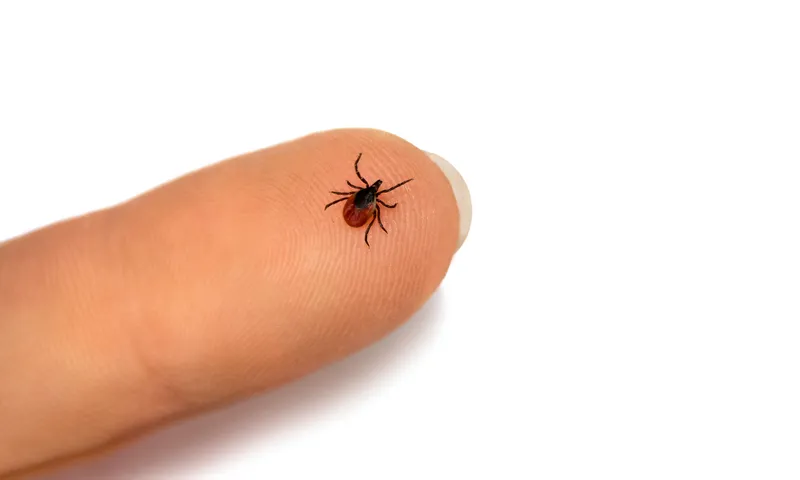
Can Tick Survive Cold Weather: Shocking Truths Revealed
Have you ever wondered if those pesky ticks can survive the cold months? As you cozy up in your warm home during winter, you might assume these tiny nuisances have vanished with the chill.
But the truth might surprise you. Understanding how ticks endure the cold can help you better protect yourself and your loved ones. By diving into this article, you’ll uncover the fascinating survival tactics ticks use to brave the cold and learn practical tips to keep them at bay all year round.
Stay with us to discover how these small creatures manage to thrive despite the freezing temperatures, and ensure your peace of mind even in winter.
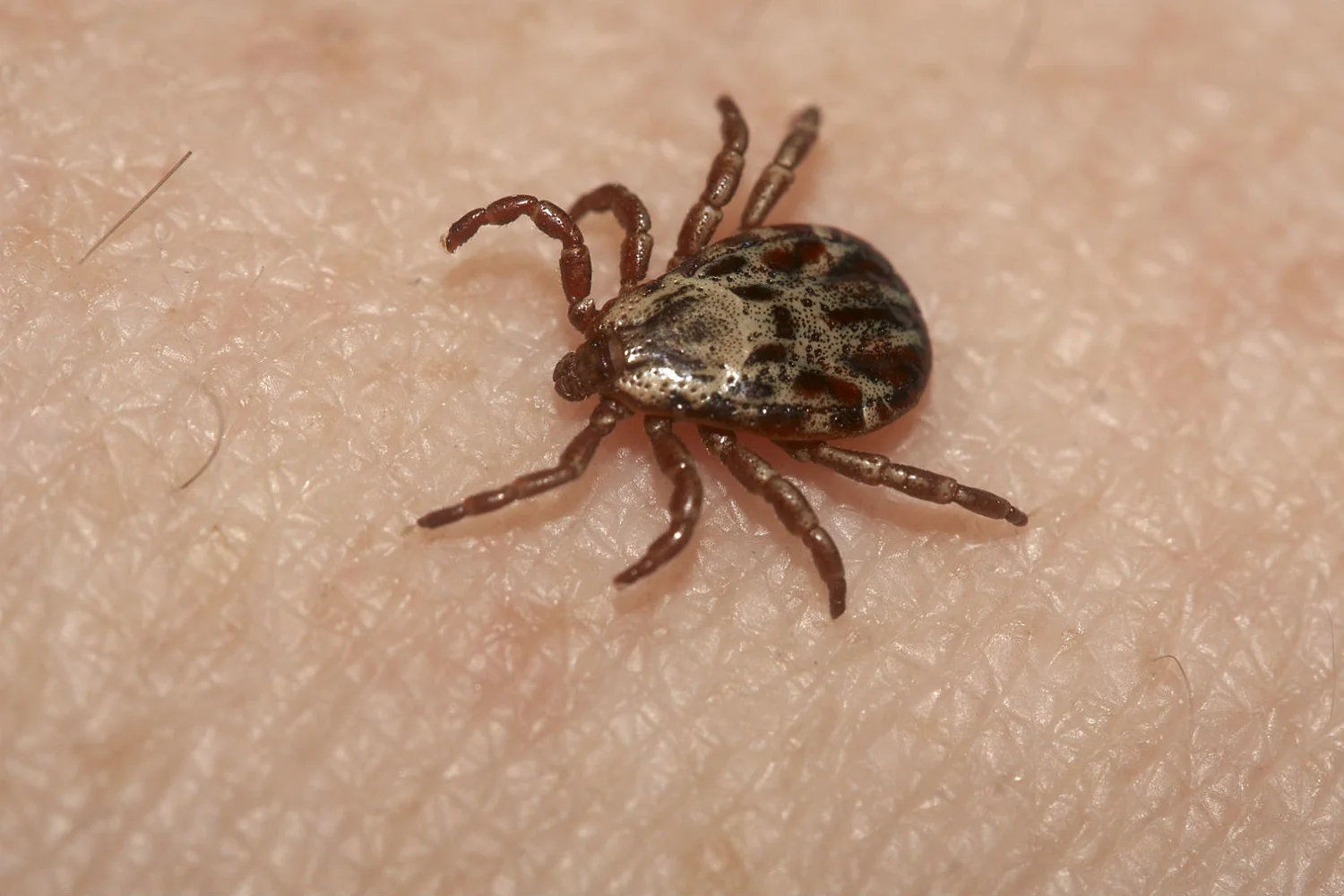
Credit: www.beboplabs.org
Tick Biology And Cold Weather
Ticks are small creatures that live on animals and sometimes bite humans. They can be found in many places around the world. Cold weather affects how ticks survive and behave.
Understanding tick biology helps us learn how they live through winter. This includes their species types and how they control their body temperature.
Tick Species And Their Habitats
Different tick species live in different habitats. Some live in forests, others in grasslands or even snowy areas. Their ability to survive cold depends on where they live.
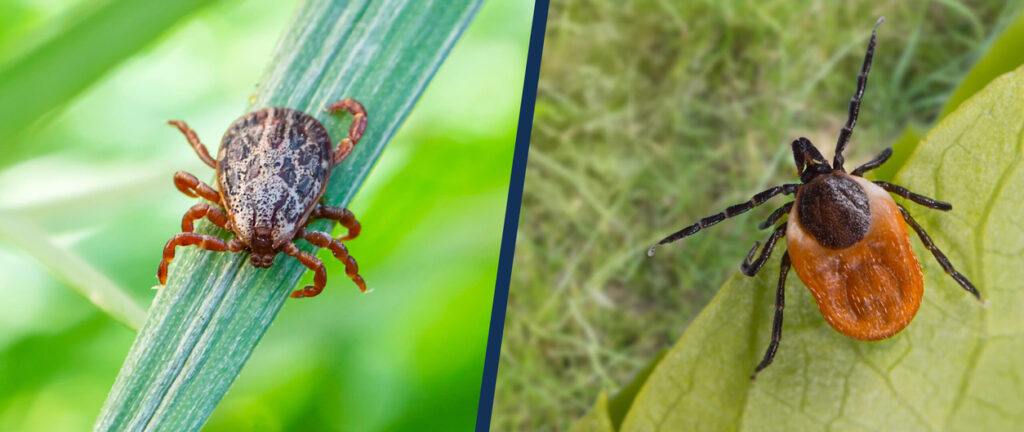
- Blacklegged Tick:Found in wooded and brushy areas, common in cold climates.
- American Dog Tick:Lives in grassy fields and can survive mild winters.
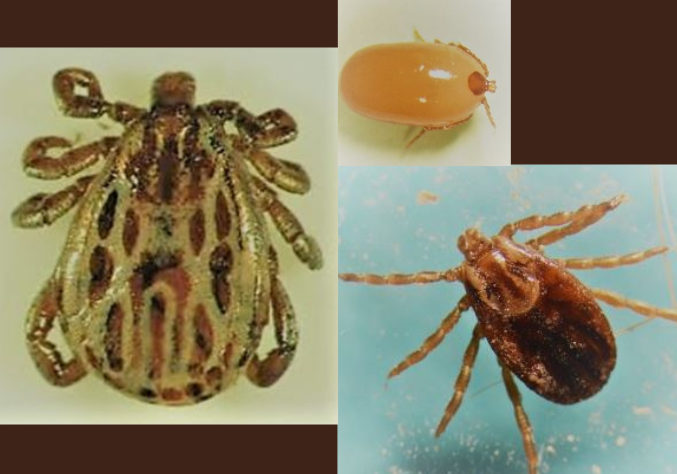
- Brown Dog Tick:Prefers warm indoor areas but can survive outside in mild cold.
- Winter Tick:Active in cold weather and found on large mammals in northern regions.
How Ticks Regulate Body Temperature
Ticks do not regulate their body temperature like mammals. They rely on their environment to stay warm or cold. In winter, they use several ways to survive the cold.
| Method | Description |
| Seeking Shelter | Ticks hide in leaf litter or soil to avoid freezing temperatures. |
| Reducing Activity | They become less active to save energy and avoid cold damage. |
| Producing Antifreeze | Some ticks create chemicals that stop ice from forming in their bodies. |
| Climbing Hosts | Ticks attach to warm-blooded animals to stay warm during cold periods. |
Cold Weather Effects On Tick Activity
Ticks are small creatures that feed on animals and humans. Their activity changes when the weather gets cold. Many people wonder if ticks can survive winter and how cold weather affects them.
Cold temperatures slow down ticks’ movements and feeding. They do not disappear but behave differently to survive the cold months.
Tick Behavior During Winter
During winter, ticks become less active. They hide under leaves, bark, or snow to stay warm. Ticks do not seek hosts as often in cold weather.
Ticks enter a state called diapause. This means they pause their growth and wait for warmer weather. This helps them save energy and survive until spring.
Survival Strategies In Freezing Temperatures
Ticks use special ways to survive freezing weather. They produce chemicals that act like antifreeze. These chemicals stop ice from forming inside their bodies.
Ticks also stay in protected places. These spots keep them safe from cold winds and frost. Staying hidden helps them avoid freezing and predators.
- Produce antifreeze-like chemicals
- Hide under leaves and bark
- Enter a resting state called diapause
- Avoid cold winds and frost
Ticks’ Adaptations To Harsh Conditions
Ticks face cold weather that can harm their survival. They have special ways to live through freezing temperatures.
These adaptations help ticks stay alive until warm weather returns. They use natural proteins and find safe places to hide.
Antifreeze Proteins And Dormancy
Ticks produce antifreeze proteins that stop ice from forming in their bodies. This keeps their cells safe during cold spells.
Dormancy is another way ticks survive cold. They slow down their body processes and rest until the weather warms up.
- Antifreeze proteins lower the freezing point of tick fluids.
- Dormancy reduces energy use and movement.
- Ticks enter dormancy in late fall or early winter.
- These methods help ticks survive long cold periods.
Microhabitats That Protect Ticks
Ticks find small places that stay warmer during winter. These microhabitats protect them from the harsh cold outside.
| Microhabitat | Protection Provided |
| Leaf litter | Insulates against cold and wind |
| Burrows | Stable temperature and humidity |
| Under bark | Shelter from frost and snow |
| Soil cracks | Traps warmth and moisture |
Impact Of Climate Change On Tick Survival
Ticks are small parasites that can spread diseases to animals and people. Cold weather used to limit where ticks could live. Climate change is causing warmer temperatures. This change affects tick survival and growth.
Warmer winters and changing climates allow ticks to live in new places. This can increase the risk of tick bites and illnesses. Understanding these changes helps us prepare better.
Warmer Winters And Tick Populations
Ticks survive better when winters are mild. Cold kills many ticks during harsh winters. Warmer winters mean more ticks survive through winter. This leads to larger tick populations in spring and summer.
More ticks in an area increase the chance of tick bites. Animals and people may face higher risks of tick-borne diseases. Warmer winters also allow ticks to be active for more months each year.
- Cold kills many ticks during winter
- Mild winters help more ticks survive
- Larger populations grow in warmer areas
- Ticks stay active longer in mild seasons
Shifts In Geographic Distribution
Ticks are moving into places that were too cold before. Warmer temperatures let ticks live farther north and at higher altitudes. This spread means new areas face tick problems.
As ticks move, animals and people in these areas may not be ready for tick bites. This can increase illness risks. Tracking tick movement helps with early warnings and safety measures.
- Ticks spread to colder regions
- New areas see more tick activity
- Local animals may carry ticks to new places
- People need to watch for ticks in new areas
Human Risks And Prevention Tips
Ticks can survive cold weather in many areas. People may still face risks of tick bites during cold seasons. It is important to understand how ticks behave in winter.
Taking preventive steps can reduce the chance of tick bites. This helps protect against diseases ticks may carry.
Tick Exposure In Cold Seasons
Ticks do not die in cold weather. They become less active but can still bite. They often hide in leaf litter, tall grass, or animal fur.
- Ticks wait for hosts under leaves or snow.
- They can attach to animals and humans outside during mild winter days.
- People who work or hike outdoors may come into contact with ticks.
- Pets can carry ticks indoors, increasing risk.
Effective Protective Measures
Use these tips to avoid tick bites in cold weather:
- Wear long sleeves and pants to cover skin.
- Choose light-colored clothes to spot ticks easily.
- Use tick repellents on skin and clothing.
- Check your body and clothes for ticks after outdoor activities.
- Remove ticks promptly with tweezers if found.
- Keep grass and leaves trimmed around your home.
- Inspect and treat pets regularly for ticks.
| Protective Action | Why It Helps |
| Wearing protective clothing | Blocks ticks from reaching skin |
| Using repellents | Keeps ticks away from body |
| Checking for ticks | Removes ticks before they bite |
| Maintaining yard | Reduces tick habitats near home |
| Pet care | Prevents ticks from entering home |
Credit: americanpest.net
Credit: www.drovers.com
Frequently Asked Questions
Can Ticks Survive Winter Cold Temperatures?
Ticks can survive winter by entering a dormant state. They hide in leaf litter or soil to avoid freezing. Some species tolerate cold better than others. They become active again when temperatures rise above 40°F (4°C). Cold weather reduces tick activity but doesn’t eliminate them.
How Do Ticks Protect Themselves From Freezing?
Ticks protect themselves by burrowing into insulated places like leaf litter. They reduce their metabolic rate to conserve energy. Some produce antifreeze-like chemicals to prevent ice formation in their bodies. These adaptations help ticks survive harsh winter conditions until warmer weather returns.
Do Ticks Remain Active During Winter Months?
Ticks are mostly inactive during cold winter months. They enter a dormant state called diapause to conserve energy. However, mild winter days can trigger brief activity. Ticks become fully active again in spring when temperatures consistently rise above 40°F (4°C).
Can Cold Weather Kill Ticks Effectively?
Cold weather alone rarely kills all ticks. Many survive by seeking insulated microhabitats. Prolonged exposure to freezing temperatures below 0°F (-18°C) may reduce tick populations. However, snow cover often insulates ticks, protecting them from extreme cold. Winter kills fewer ticks than expected.
Conclusion
Ticks can survive cold weather by hiding in leaves or soil. They slow down but do not die easily. This helps them stay alive until warmer days come. Knowing this helps you stay safe during all seasons. Check your skin and clothes after being outside.
Protect yourself to avoid tick bites and illness. Stay aware, stay safe.