Can Koi Survive Cold Weather: Essential Tips for Winter Care
Are you worried about your koi fish as the temperatures start to drop? You’re not alone.
Many koi enthusiasts share the same concern when cold weather approaches. The thought of your beautiful, vibrant koi struggling to survive the chill is enough to keep any pond owner up at night. But what if you could ease your worries and ensure your koi thrive even in the coldest months?
This blog post will dive into the fascinating world of koi and their ability to withstand cold weather. You’ll discover practical tips and insights to help your koi not only survive but flourish, no matter how low the temperature drops. Stay with us to uncover the secrets to keeping your koi healthy and happy all year round. Your peace of mind—and your koi—will thank you.

Credit: www.poposoapsolar.com
Koi Behavior In Cold Weather
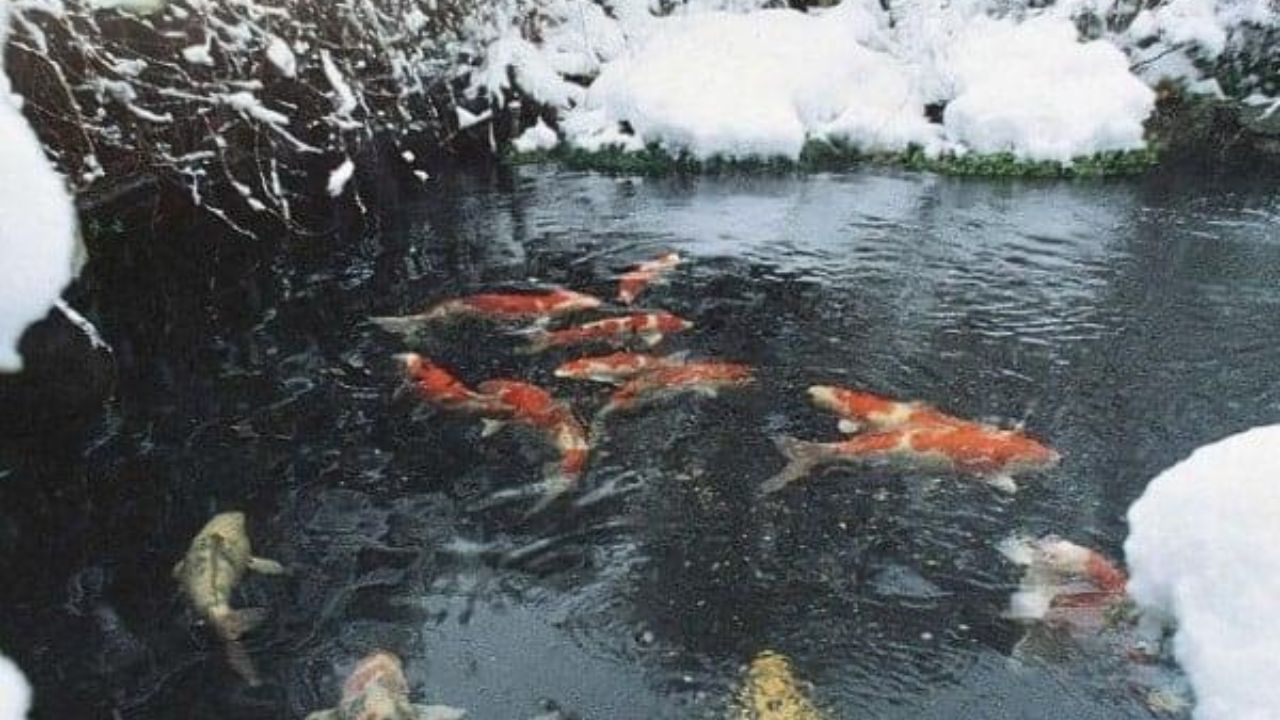
Koi fish live in outdoor ponds that change with the seasons. Cold weather can slow down their activity and affect their behavior.
Understanding how koi act in winter helps keep them safe and healthy during cold months.
How Koi Adapt To Lower Temperatures
Koi slow their movements as water gets colder. Their metabolism drops to save energy.
They stay near the bottom of the pond where water is warmer and less likely to freeze.
- Reduced swimming and feeding activity
- Seeking deeper water for warmth
- Lowered metabolism to conserve energy
- Less frequent breathing and movement
Signs Of Stress In Winter
Even in cold weather, koi can show signs of stress. Watch for unusual behavior or physical changes.
Stress can weaken koi and make them more likely to get sick during winter.
- Swimming near the surface too much
- Rapid gill movement or gasping for air
- Loss of appetite or refusal to eat
- Visible wounds or discoloration
- Unusual lethargy or floating upside down
Preparing Your Pond For Winter
Koi can survive cold weather if you prepare their pond correctly. Winter can be tough on fish and water quality.
Proper preparation helps keep your koi healthy during cold months. It also protects the pond from freezing damage.
Cleaning And Maintenance Before Cold Sets In
Clean the pond thoroughly before winter arrives. Remove leaves, debris, and dead plants from the water.
Check and clean filters to keep water clear. Dirty filters can harm fish health in cold weather.
- Skim surface to remove floating debris
- Vacuum pond bottom to clear sludge
- Trim and remove dead plant material
- Clean or replace filters and pumps
- Test water quality and adjust if needed
Insulating The Pond Effectively
Insulate the pond to keep water temperature stable. This reduces stress on your koi during freezing weather.
Use materials like foam boards or bubble wrap around the pond edges. Cover the pond surface if possible.
- Place foam insulation around pond walls
- Use bubble wrap over pond surface
- Install pond heaters or de-icers if needed
- Keep part of the surface ice-free for oxygen
- Check insulation regularly for damage
Water Quality During Winter
Koi fish need clean water to stay healthy in winter. Cold weather changes water conditions quickly.
Good water quality helps koi survive cold temperatures. Watch key factors like oxygen and chemicals.
Monitoring Oxygen Levels
Oxygen is vital for koi health during winter. Cold water holds more oxygen but ice blocks air.
Check oxygen often to avoid low levels. Use an aerator or pond heater to keep air flowing.
- Test oxygen twice a week in winter
- Remove pond ice carefully to allow gas exchange
- Use air pumps or fountains to increase oxygen
- Avoid overcrowding koi in small ponds
Managing Ph And Ammonia
pH and ammonia affect koi health in cold water. pH changes can stress fish in winter.
Ammonia builds up from waste and can poison koi. Cold slows bacteria that break ammonia down.
- Test pH weekly to keep it stable between 6.5 and 8.0
- Check ammonia levels often and keep them at zero
- Do small water changes if ammonia rises
- Remove debris to reduce waste and ammonia

Credit: www.poposoapsolar.com
Feeding Koi In Cold Weather
Cold weather changes how koi eat and digest food. Their metabolism slows down. This means they need less food and different types of food.
Feeding koi correctly in cold weather helps them stay healthy. It also prevents water pollution from uneaten food.
Adjusting Diet And Frequency
In cold weather, feed koi food that is easy to digest. Low-protein and wheat germ-based foods work best. Feed less often to avoid overfeeding.
- Use wheat germ food when water temperature is below 60°F (15°C).
- Feed small amounts two to three times a week.
- Do not feed high-protein foods in cold weather.
- Observe koi to see if they eat the food.
When To Stop Feeding
Stop feeding koi when water temperature drops below 50°F (10°C). Their digestion slows, and uneaten food can harm water quality. Watch water temperature daily.
| Water Temperature | Feeding Advice |
| Above 60°F (15°C) | Feed normal diet and frequency |
| 50°F to 60°F (10°C to 15°C) | Feed wheat germ food 2-3 times weekly |
| Below 50°F (10°C) | Stop feeding completely |
Preventing Pond Freezing
Cold weather can harm koi fish if pond water freezes. Keeping the pond from freezing helps koi survive winter. Simple methods protect your fish and pond life.
Using heaters and keeping surface openings clear are two main ways to prevent ice. These steps keep water moving and oxygen flowing.
Using Heaters And De-icers
Heaters and de-icers keep pond water from freezing by warming it gently. They work well in cold climates and protect fish from ice damage.
- Place heaters near the pond bottom for even heat.
- Use floating de-icers to keep surface ice-free.
- Check heaters regularly to avoid failures.
- Choose energy-efficient models to save power.
- Never cover heaters with debris or plants.
Maintaining Surface Openings
Keeping holes or openings in the ice allows oxygen exchange. This is vital for koi health during freezing weather.
| Method | Purpose |
|---|---|
| Manual Ice Removal | Break ice to allow air flow |
| Floating Rings | Keep ice from forming in key spots |
| Air Pumps | Move water and prevent ice |
| Skimmers | Stop surface debris that encourages ice |
Handling Sick Or Weak Koi
Koi fish can struggle during cold weather if they become sick or weak. Caring for them requires close attention and proper steps. This helps improve their chances of survival.
Cold water slows koi metabolism and immune responses. You must check their health often and provide suitable treatments to support recovery.
Winter Health Checks
Regular health checks help spot problems early. Look for signs like slow swimming, spots, or unusual behavior. Check water quality, temperature, and oxygen levels too.
- Observe koi daily for abnormal behavior
- Test water temperature; keep it stable
- Monitor oxygen levels to avoid stress
- Check for visible injuries or infections
- Remove sick koi if possible to prevent spread
Treatment Options In Cold Months
Treating koi in cold weather is tricky. Some medicines lose effectiveness in low temperatures. Use gentle methods and avoid stressing the fish.
| Treatment | Effectiveness in Cold | Notes |
| Salt Baths | Good | Helps reduce parasites, safe in cold water |
| Antibiotics | Limited | Use only if recommended by vet, slow action |
| Water Quality Improvement | Excellent | Boosts fish immunity and recovery |
| Temperature Adjustment | Moderate | Slowly raise temperature if possible |
Indoor Winter Care Options
Koi fish are sensitive to cold weather. They need special care in winter. Bringing them indoors helps protect them from freezing temperatures.
Indoor winter care keeps koi healthy and safe. It also allows you to monitor their water and health closely.
Setting Up Indoor Tanks
Choose a tank large enough for your koi to swim freely. A tank size of at least 50 gallons per fish is good. Use a tank with a lid to keep the water clean.
Install a heater to keep the water temperature steady. Koi prefer water between 50°F and 68°F (10°C to 20°C). Add a filter to keep the water clean and oxygenated.
- Tank size: 50 gallons or more per fish
- Water temperature: 50°F to 68°F (10°C to 20°C)
- Use a water heater to maintain warmth
- Install a good filter for water quality
- Keep the tank covered to reduce debris
Transitioning Koi Indoors
Move koi slowly to avoid stress. Take water from the pond to the tank. This helps the fish get used to the new water.
Keep the tank water clean and check temperature daily. Feed koi less during winter because they eat less when cold.
- Move koi gently to reduce stress
- Use pond water in the tank at first
- Check water temperature every day
- Feed koi smaller amounts less often
- Watch fish for signs of illness or stress

Credit: www.poposoapsolar.com
Frequently Asked Questions
Can Koi Fish Survive In Freezing Temperatures?
Yes, koi can survive freezing temperatures if their pond is deep enough and aerated. They enter a state of dormancy to conserve energy during winter.
How To Protect Koi During Cold Weather?
Use pond heaters or de-icers to prevent ice covering the pond. Ensure good water circulation and avoid sudden temperature changes to keep koi safe.
Do Koi Need Special Food In Winter?
Yes, feed koi with low-protein, wheat germ-based food in cold months. Their metabolism slows, so less frequent feeding is necessary to avoid health issues.
What Temperature Is Too Cold For Koi Fish?
Koi can tolerate temperatures down to about 34°F (1°C). Below this, they risk stress or death unless proper winter care is provided.
Conclusion
Koi fish can survive cold weather with proper care. They slow down and rest during winter months. Pond depth and water quality help protect them. Avoid feeding koi when water is very cold. A well-maintained pond keeps koi healthy all year.
Watch your fish closely for any signs of stress. Simple steps can make a big difference. Cold weather is not always harmful to koi. With attention, koi can live happily through winter.