Can Pomegranate Survive Cold Weather: Essential Survival Tips
Imagine stepping into your garden on a chilly morning, the crisp air nipping at your nose, and there, amidst the frost, stands your proud pomegranate tree. You might wonder, can this vibrant fruit, often associated with warm, sun-kissed climates, truly withstand the cold?
If you’ve ever found yourself pondering this question, you’re not alone. Many pomegranate enthusiasts like you are eager to ensure their beloved trees thrive through the winter months. Unraveling this mystery could be the key to enjoying a bountiful harvest year after year.
So, let’s dive into what it takes to protect and nurture your pomegranate tree when the temperature drops. Stay with us as we explore how to ensure your pomegranate not only survives but flourishes, even in the coldest conditions.
Pomegranate And Cold Climate
Pomegranates are popular fruit trees known for their bright red seeds. They grow best in warm places. But many gardeners wonder if pomegranates can survive cold weather.
Understanding how pomegranates handle cold helps decide if they can grow well in your area. This guide explains their cold hardiness and how frost affects their growth.
Cold Hardiness Of Pomegranate
Pomegranate trees can survive mild cold but have limits. They do best in USDA zones 8 to 10. Temperatures below 12°F (-11°C) can harm the tree.
- Pomegranates handle short cold spells down to 10°F (-12°C).
- Young trees are more sensitive to frost damage than mature ones.
- Protecting roots with mulch helps trees survive cold.
- Container-grown pomegranates need extra care during frost.
Effects Of Frost On Growth
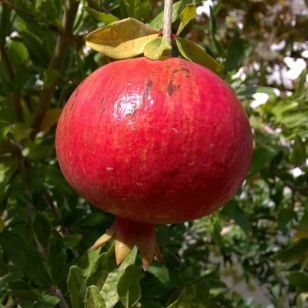
Frost can damage pomegranate buds, leaves, and branches. This damage may reduce fruit yield or kill young shoots.
| Frost Effect | Impact on Pomegranate |
| Light frost (32°F / 0°C) | May cause leaf spots or mild damage |
| Moderate frost (25-28°F / -4 to -2°C) | Damages flowers and young shoots |
| Severe frost (below 20°F / -7°C) | Can kill branches and reduce fruit harvest |
Credit: www.starkbros.com
Preparing Pomegranate For Winter
Pomegranates can survive cold weather if prepared well. Protecting the plant helps it grow strong in spring.
Winter care includes choosing the right variety and planting in a good spot. These steps improve cold survival.
Selecting Cold-resistant Varieties
Pick pomegranate types that handle cold better. Some varieties tolerate frost and low temperatures well.
Cold-resistant varieties reduce the risk of damage during winter. This helps the tree stay healthy and produce fruit.
- ‘Russian 26’ is known for its cold hardiness.
- ‘Salavatski’ can survive temperatures below 0°F (-18°C).
- ‘Kazake’ variety also handles frost well.
- Avoid tropical types that need warm climates.
Soil And Location Choices
Plant pomegranates in soil that drains well. Wet soil in winter can harm the roots.
Choose a sunny spot that blocks cold winds. Walls or fences can protect the plant from harsh weather.
- Use sandy or loamy soil to improve drainage.
- Avoid low areas where cold air settles.
- Plant near a south-facing wall for warmth.
- Mulch around the base to keep roots warm.
Protective Measures
Pomegranate trees can be sensitive to cold weather. Protecting them helps avoid damage. Taking the right steps keeps the tree healthy through winter.
There are simple ways to shield your pomegranate from frost and freezing temperatures. Using mulch and covers can make a big difference.
Mulching Techniques
Mulching helps keep the soil warm around the roots. It also stops water from freezing and protects the roots from cold winds.
Use thick mulch made from straw, wood chips, or leaves. Spread it in a circle around the tree base but keep it away from the trunk.
- Apply 3 to 4 inches of mulch around the root area
- Keep mulch 2-3 inches away from the trunk to prevent rot
- Renew mulch layer before the coldest months arrive
Using Frost Covers And Shields
Frost covers trap heat and protect leaves and branches from frost damage. Use breathable materials like frost cloth or burlap.
Shields block cold wind and reduce freezing on the tree. You can use windbreaks or temporary barriers around your pomegranate.
- Drape frost covers over the tree before nightfall
- Secure covers to avoid wind blowing them away
- Remove covers during the day to let the tree breathe
- Place windbreaks on the coldest side of the tree
Watering And Feeding In Cold Seasons
Pomegranate trees need special care during cold weather. Watering and feeding habits should change to keep the tree healthy. Cold seasons slow down the tree’s growth and water use.
Proper watering and nutrient management help the pomegranate survive frost and low temperatures. Adjust your routine to match the tree’s needs in winter.
Adjusting Irrigation
In cold weather, pomegranate trees need less water. Overwatering can cause root problems. Check soil moisture before watering. Water only if the soil feels dry one inch below the surface.
- Water early in the day to avoid freezing at night.
- Use drip irrigation to control water amount.
- Reduce watering frequency but keep soil moist.
- Avoid waterlogging to prevent root rot.
Nutrient Management
Feeding needs to slow down in cold months. The tree uses fewer nutrients when growth is slow. Avoid high nitrogen fertilizers in winter. Use balanced or low-nitrogen fertilizers instead.
| Nutrient | Winter Recommendation |
| Nitrogen (N) | Low or none |
| Phosphorus (P) | Moderate |
| Potassium (K) | Moderate |
| Micronutrients | Apply if soil test shows deficiency |
Pruning For Cold Survival
Pomegranate trees can face damage in cold weather. Pruning helps the tree survive winter. It removes weak parts and protects healthy growth.
Good pruning improves air flow and reduces disease risk. It also prepares the tree for new growth in spring.
Timing And Methods
Prune pomegranate trees in late winter or early spring. This is before new growth starts. Avoid pruning in late fall to stop cold damage.
Use sharp, clean tools to make cuts. Cut back small branches to keep shape and size manageable. Remove any crossing or crowded branches.
- Prune when the tree is dormant
- Cut branches at a 45-degree angle
- Remove about one-third of the old wood
- Keep the center open for air and light
Removing Damaged Branches
Check the tree after cold spells for damaged wood. Dead or cracked branches should be cut out. Removing them stops disease and pest problems.
Cut damaged branches back to healthy wood. Make clean cuts near the main branch or trunk. This helps the tree heal faster and grow strong.
- Look for brown or dry branches
- Cut damaged parts below the injury
- Remove fallen branches from around the tree
- Dispose of cuttings to prevent pests
Indoor Care For Potted Pomegranates
Pomegranates can survive cold weather if you bring them indoors. Potted plants need special care inside your home.
Keeping your pomegranate healthy indoors means giving it the right light, water, and temperature.
Best Indoor Conditions
Pomegranates need bright light to grow well inside. A sunny window is best for your potted plant.
Keep the temperature between 65°F and 75°F. Avoid cold drafts and heaters near the plant.
- Place near a south-facing window
- Use grow lights if natural light is low
- Maintain moderate humidity
- Water when the top inch of soil feels dry
Transitioning Between Indoors And Outdoors
Move your pomegranate slowly to avoid shock. Sudden changes can harm the plant.
Start by placing the plant outdoors for a few hours a day. Increase time outside over a week.
- Bring indoors before frost or freezing temperatures
- Check for pests before moving inside
- Gradually reduce water after bringing indoors
- Keep indoor conditions stable for best growth
Signs Of Cold Damage
Pomegranate trees can suffer from cold weather damage. Cold damage affects the tree’s leaves, branches, and fruit. It is important to spot signs early to help the tree recover.
Cold weather can cause frost injury, which harms the plant tissues. Knowing how to identify frost injury helps you protect your pomegranate tree better.
Identifying Frost Injury
Frost injury shows up in several ways on a pomegranate tree. Look for changes in color and texture on leaves and branches. Check the fruit for damage too.
- Leaves turn dark or black and become dry or crispy.
- Branches may show cracked bark or darkened areas.
- Fruit skin becomes shriveled or soft in spots.
- New growth may die back or look wilted.
- Water-soaked spots can appear on leaves or stems.
Recovery Strategies
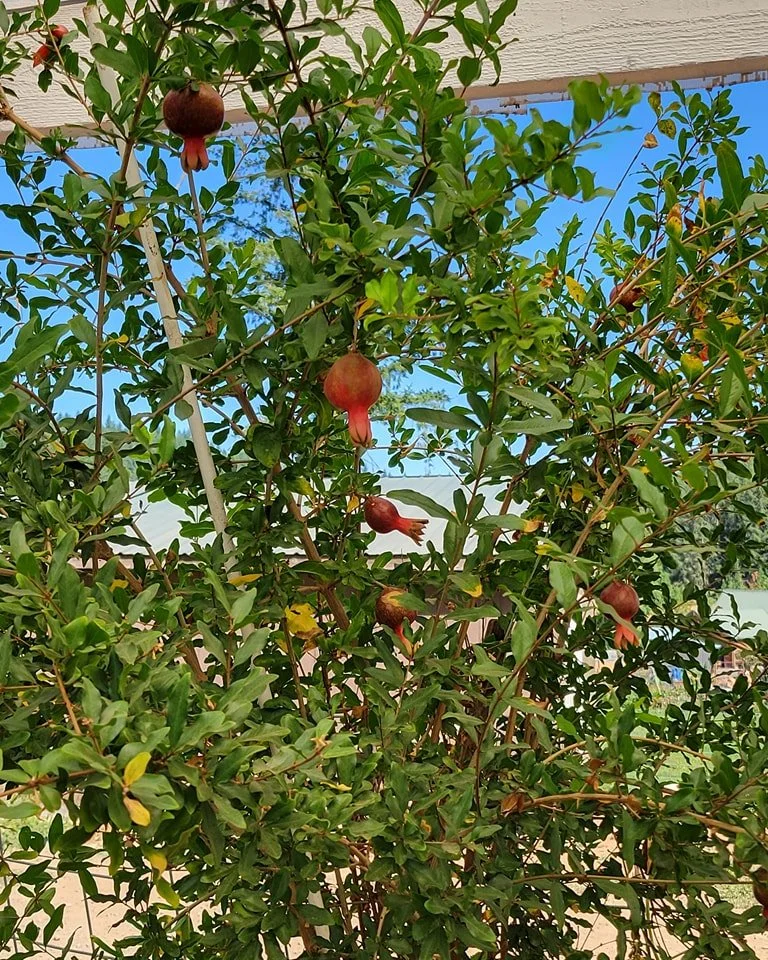
After frost damage, help your pomegranate tree recover with care. Remove dead or damaged parts to stop disease. Protect the tree from future cold spells.
| Action | Description |
|---|---|
| Pruning | Cut away dead branches and leaves to encourage new growth. |
| Mulching | Apply mulch around the base to keep roots warm. |
| Watering | Water the tree deeply but avoid waterlogging. |
| Covering | Use frost cloths or blankets to protect from cold nights. |
| Fertilizing | Apply balanced fertilizer in spring to support recovery. |
Credit: growinginthegarden.com
Credit: www.abbottfamilyfarm.com
Frequently Asked Questions
Can Pomegranates Grow In Cold Climates?
Pomegranates prefer warm climates but can survive mild cold. They tolerate temperatures down to about 12°F (-11°C) with protection. In colder zones, grow them in pots or greenhouses for best results.
How To Protect Pomegranate Trees From Frost?
Cover young trees with frost cloths or blankets during cold nights. Mulch the base to insulate roots. Avoid pruning before winter to help the tree endure frost damage.
What Temperature Damages Pomegranate Trees?
Pomegranates can be damaged below 12°F (-11°C). Prolonged exposure to freezing temperatures harms branches and fruit buds. Protecting the tree or growing cold-hardy varieties helps minimize damage.
Can Pomegranates Survive Winter Indoors?
Yes, pomegranates can survive indoors if given enough sunlight and warmth. Use a bright, sunny window and maintain temperatures above 50°F (10°C). Indoor growing protects them from harsh winter conditions.
Conclusion
Pomegranate trees can survive some cold weather with care. They do best in mild winters and need protection from frost. Mulching and covering young plants helps them stay safe. Choose hardy varieties for colder areas. Regular watering supports their health during chilly months.
Growing pomegranates in cold places is possible but needs effort. Small steps make a big difference in plant survival. Enjoy fresh fruit by giving your tree the right care. Cold weather is a challenge, but not a barrier.