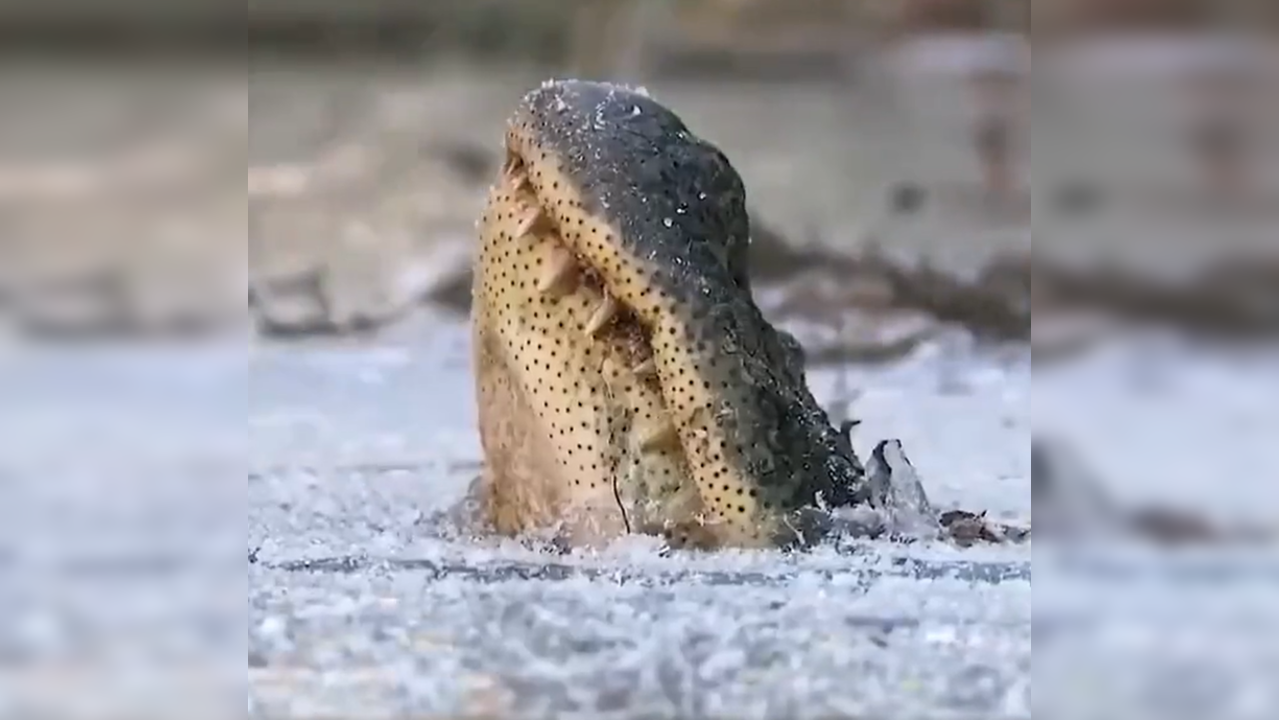
Can Crocodiles Survive in Cold Weather? Shocking Truth Revealed
Have you ever wondered if crocodiles can survive in cold weather? You might picture these ancient reptiles basking in the sun, but what happens when temperatures drop?
Understanding how crocodiles adapt to their environment can reveal fascinating insights into their survival strategies. Whether you’re a wildlife enthusiast or just curious about the natural world, uncovering the truth about crocodiles and cold weather could surprise you. Keep reading to discover how these resilient creatures cope with chilly conditions and what it means for their future—and yours.
You won’t want to miss the unexpected ways these cold-blooded animals have adapted to thrive in less-than-ideal climates.
Crocodile Biology And Temperature
Crocodiles are reptiles that live mostly in warm places. Their bodies work differently from warm-blooded animals.
Temperature plays a big role in how crocodiles survive and behave. Let’s explore how cold affects them.
Cold-blooded Nature
Crocodiles are cold-blooded animals. This means their body temperature changes with the environment.
They cannot make their own heat like mammals. When it is cold, their body slows down.
- They become less active in cold weather
- Digging into mud helps them stay warm
- They may stop eating during cold times
Temperature Regulation
Crocodiles use the sun to warm their bodies. They often lie in the sun to raise their temperature.
In cold weather, they find warm spots or stay in water that is warmer than the air.
- Basking in the sun helps them stay active
- Water temperature affects their body heat
- They reduce movement to save energy
Effects Of Cold Weather On Crocodiles
Crocodiles are cold-blooded animals. They rely on warm temperatures to stay active. Cold weather can slow their body functions.
When temperatures drop, crocodiles face challenges to survive. Their metabolism and behavior change to cope with the cold.
Metabolism Changes
In cold weather, crocodiles’ metabolism slows down. They use less energy and need less food. This helps them survive with limited resources.
The slow metabolism also means they move slowly. Their heart rate drops, and digestion takes longer. This is a way to save energy.
Behavioral Adaptations
Crocodiles change their behavior to handle cold weather. They seek warm places like sunny banks or mud burrows.
They may stay still for long times to keep energy. Crocodiles can also close their nostrils and slow breathing to stay safe.
- Sunbathe to raise body temperature
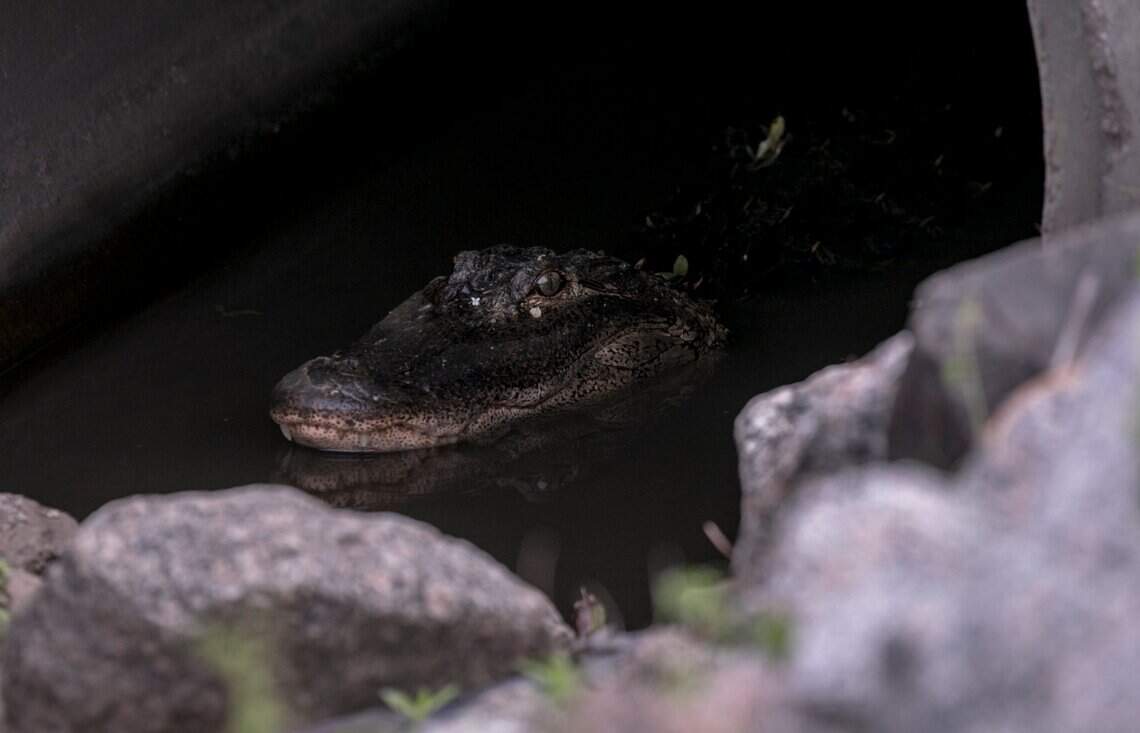
- Hide in mud or water to stay warm
- Reduce movement to save energy
- Slow breathing to conserve oxygen
Survival Strategies In Cold Climates
Crocodiles are cold-blooded animals. Their bodies depend on outside heat. Cold weather makes survival hard for them.
They use special ways to handle cold. These strategies help them stay alive in chilly places.
Brumation Explained
Brumation is like hibernation but for reptiles. Crocodiles slow down their body functions. They eat less and move slowly. This helps them save energy during cold times.
- They reduce their activity to save energy.
- Breathing and heart rate slow down.
- They stay in water or mud to keep warm.
- They stop eating until it gets warmer.
Finding Warm Microhabitats
Crocodiles look for warm spots to survive cold weather. These microhabitats have higher temperatures. They protect crocodiles from freezing.
| Microhabitat Type | Temperature Benefit | Description |
| Sunlit riverbanks | Warmer by 5-10°C | Areas exposed to direct sunlight |
| Shallow water | Retains heat longer | Water near shore warms faster |
| Burrows and mud | Stable temperature | Underground spots protect from cold air |
Credit: www.charlotteobserver.com
Crocodile Species In Cooler Regions
Crocodiles usually live in warm places. Some species can survive in cooler weather. They have special traits to handle low temperatures.
We will look at crocodile species found in cooler regions. You will learn where they live and how they adapt.
Examples Of Cold-tolerant Species
Some crocodile species live in places with colder climates. These species can stay active even when the weather drops.
- Mugger Crocodile: Found in South Asia. It lives in rivers and lakes with cooler water.
- American Crocodile: Lives in Florida and parts of Central America. It can survive short cold spells.
- New Guinea Freshwater Crocodile: Found in higher altitude lakes and rivers. It tolerates cooler temperatures well.
Geographic Distribution
Crocodiles in cooler regions live in specific geographic areas. These areas have lower average temperatures than tropical zones.
| Species | Regions | Typical Temperature Range |
| Mugger Crocodile | India, Pakistan, Nepal | 10°C to 35°C |
| American Crocodile | Florida, Mexico, Central America | 15°C to 32°C |
| New Guinea Freshwater Crocodile | New Guinea Highlands | 12°C to 28°C |
Limits Of Cold Tolerance
Crocodiles live mostly in warm climates. They are cold-blooded animals. This means their body temperature changes with the air around them.
Cold weather can be hard for crocodiles. Their bodies slow down in cold conditions. Let’s look at how cold affects them.
Impact Of Prolonged Cold
When crocodiles face long cold periods, their activity drops. They eat less and move slower. This can weaken them.
- Reduced feeding leads to less energy
- Slower movement increases risk from predators
- Long cold spells may cause stress and illness
- Cold water can affect digestion and growth
Risks Of Hypothermia
Hypothermia happens when a crocodile’s body temperature falls too low. It can cause serious harm.
| Symptom | Effect |
| Slow heart rate | Less blood flow to organs |
| Weak muscles | Difficulty moving |
| Low metabolism | Reduced energy use |
| Loss of consciousness | Can be fatal if untreated |

Credit: a-z-animals.com
Human Influence On Crocodile Cold Survival
Crocodiles are cold-blooded animals. They struggle to survive in cold weather. Human actions change their ability to handle cold.
People affect crocodile habitats and climate. These changes impact how well crocodiles cope with cold seasons.
Habitat Alteration
Humans change crocodile homes by building cities and farms. This reduces places for crocodiles to hide and warm up.
Wetlands and rivers are often drained or polluted. Crocodiles lose natural shelters that protect them from cold.
- Loss of shallow water areas where crocodiles warm up
- Less vegetation to block cold winds
- More human disturbance causes stress to crocodiles
Climate Change Effects
Climate change makes weather less predictable. Cold spells may last longer or come suddenly, harming crocodiles.
Warmer overall temperatures may seem good. But extreme changes confuse crocodiles’ natural behavior and hibernation.
- Longer cold periods can lower crocodile survival rates
- Sudden temperature drops affect crocodile activity
- Changing rain patterns impact water levels in habitats
Credit: www.islandpacket.com
Frequently Asked Questions
Can Crocodiles Survive In Freezing Temperatures?
Crocodiles cannot survive freezing temperatures because they are cold-blooded reptiles. They rely on external heat to regulate their body temperature. Prolonged exposure to cold can cause lethargy, slowed metabolism, and eventually death.
How Do Crocodiles Adapt To Cold Weather?
Crocodiles adapt by basking in the sun to warm up. They may enter a state of brumation, reducing activity and metabolic rate during cold periods. This helps them conserve energy until temperatures rise.
Do Crocodiles Migrate To Warmer Areas In Winter?
Crocodiles generally do not migrate long distances. Instead, they seek microhabitats like warm water pools or burrows to escape cold. This localized movement helps them survive short cold spells.
What Happens To Crocodiles During Winter Months?
During winter, crocodiles become less active and eat less. They rely on stored energy and stay in warm spots to maintain body heat. This period is crucial for conserving energy until warmer weather returns.
Conclusion
Crocodiles struggle to survive in cold weather. Their bodies need warmth to work well. Cold slows their movement and hunting skills. They often hide or stay still when cold. Some species can handle cooler temperatures better. But long cold periods can harm them.
Crocodiles prefer warm, tropical climates to live. Understanding this helps protect their natural homes. Nature designed them for heat, not cold. So, cold weather limits where crocodiles can thrive.