How Do Animals Survive in Cold Weather: Amazing Adaptations Revealed
Have you ever wondered how animals manage to thrive when temperatures drop and snow blankets the ground? As the cold season approaches, you’re likely to bundle up in layers and keep the heater running, but animals have their own fascinating strategies for surviving harsh winter conditions.
You might be surprised to learn how resourceful and resilient wildlife can be, adapting in ways that may seem almost magical. From thick fur coats to hibernation and clever food storage, animals have developed incredible methods to endure the cold.
Keep reading to discover the secrets behind their survival tactics and how these extraordinary creatures inspire us with their resilience and innovation. You won’t want to miss the surprising adaptations that ensure their survival through the chilliest months!
Credit: www.discovermagazine.com
Physical Adaptations
Animals that live in cold places have special body parts to stay warm. These parts help them survive freezing weather.
Physical adaptations keep animals from losing heat. They also help animals find food and hide from enemies.
Thick Fur And Feathers
Many animals grow thick fur or feathers to keep warm. These layers trap heat close to their bodies.
In winter, animals like foxes and birds grow more fur or feathers. This makes them better at staying warm.
- Thick fur blocks cold wind
- Feathers provide insulation
- Animals shed extra fur in summer
Fat Layers And Blubber
Animals have thick fat layers under their skin. This fat is called blubber in animals like seals and whales.
Blubber acts like a warm blanket. It keeps cold water and air from cooling the animal’s body.
- Fat stores energy for winter
- Blubber protects from cold water
- Fat layers keep body heat inside
Color Changes For Camouflage
Some animals change their fur or feather color in winter. This helps them blend in with snow and ice.
Changing color keeps animals safe from predators. It also helps them sneak up on prey.
- Arctic foxes turn white in winter
- Snowshoe hares change color seasonally
- Color change helps hide in snowy areas
Behavioral Strategies
Animals use different behaviors to survive cold weather. These strategies help them keep warm and save energy.
By changing their habits, animals can live through winter even in harsh conditions.
Hibernation And Torpor
Many animals enter hibernation to survive cold months. They slow their body functions and sleep for a long time.
Torpor is a shorter, lighter form of hibernation. Animals use it to save energy during cold nights or bad weather.
Migration Patterns
Some animals move to warmer places to avoid the cold. This travel is called migration.
- Birds fly south for the winter.
- Caribou travel to areas with more food.
- Butterflies migrate to avoid freezing temperatures.
- Fish swim to deeper, warmer water.
Sheltering Techniques
Animals find or build shelters to stay safe from cold winds and snow.
| Animal | Shelter Type | Purpose |
| Bears | Den | Warmth and protection during hibernation |
| Rabbits | Burrow | Hide from cold and predators |
| Bees | Hive | Keep the colony warm |
| Foxes | Earth den | Safe place for resting and raising young |
Physiological Mechanisms
Animals use many body functions to stay warm in cold weather. These actions help them keep a safe body temperature.
These mechanisms work inside the animal’s body. They help animals survive when it is very cold outside.
Thermoregulation Processes
Thermoregulation is how animals control their body heat. They keep their temperature stable even in cold places.
Animals use different ways to keep warm. Some grow thick fur or feathers. Others shiver to make heat.
- Shivering creates heat by muscle movement.
- Thick fur traps heat near the skin.
- Blood flow changes to keep core warm.
Metabolic Adjustments
Animals change their metabolism to make more heat. This helps them survive when food is less.
They burn stored fat to create energy and warmth. Some animals slow their metabolism to save energy.
- Burning fat produces heat and energy.
- Lower metabolism saves energy in winter.
- Some animals enter hibernation to survive cold.
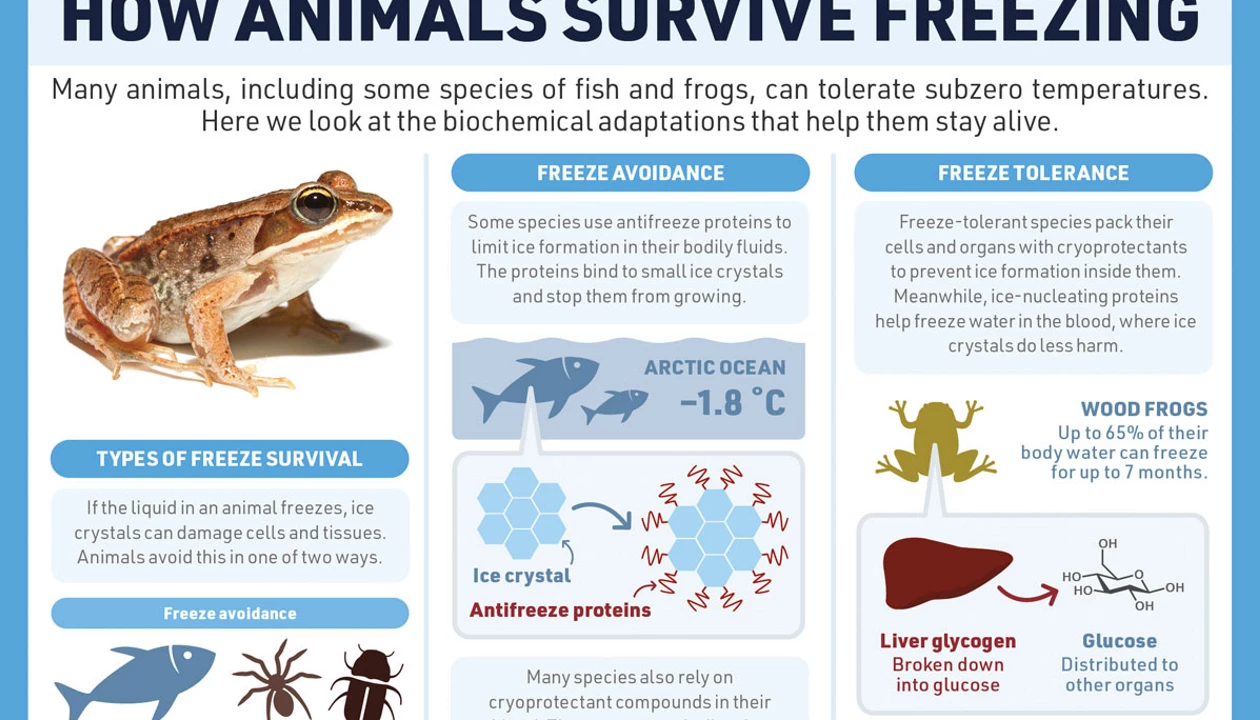
Antifreeze Proteins
Some animals have special proteins in their blood. These proteins stop ice from forming inside their bodies.
These antifreeze proteins help animals live in very cold water or icy places. They keep cells safe from damage.
- Prevent ice crystals in blood and cells.
- Allow animals to stay active in freezing water.
- Found in fish, insects, and some amphibians.
Credit: kalkaskaconservation.org
Examples Of Cold-weather Animals
Many animals live in very cold places. They have special traits to survive freezing weather. These traits help them find food, stay warm, and protect themselves.
Here are some animals well known for living in cold regions. They show how life can thrive in tough climates.
Polar Bears
Polar bears are large mammals that live in the Arctic. They have thick fur and fat to keep warm. Their white coat helps them blend with snow and ice. Polar bears hunt seals and swim in icy water.
Arctic Foxes
Arctic foxes are small animals with thick fur that changes color by season. They turn white in winter and brown in summer. This helps them hide from predators and sneak up on prey.
- Thick fur for warmth
- Small ears to reduce heat loss
- Sharp teeth for hunting
- Can survive on little food
Emperor Penguins
Emperor penguins live in Antarctica. They have dense feathers and a layer of fat to keep cold out. These birds huddle together in large groups for warmth during winter.
| Feature | Purpose |
| Dense feathers | Trap heat and keep water out |
| Fat layer | Insulation against cold |
| Huddling behavior | Share body heat in groups |
| Strong legs | Walk on ice and snow |
Impact Of Climate Change
Climate change affects how animals survive cold weather. Changes in temperature and weather patterns create new challenges for wildlife.
Animals must adapt quickly or move to survive. This article looks at the challenges, habitat shifts, and conservation efforts.
Challenges To Adaptations
Animals rely on thick fur, fat, and behaviors to stay warm. Rising temperatures make these adaptations less effective.
- Less snow means less insulation for burrows.
- Warm winters can confuse hibernation cycles.
- Food scarcity increases as plants and prey change.
- New predators may appear as climates shift.
Shifts In Habitats
Cold-weather animals move to find suitable homes. This causes changes in where species live and interact.
| Animal | Original Habitat | New Habitat | Reason |
|---|---|---|---|
| Polar Bear | Arctic ice | Coastal areas | Ice melting |
| Snowshoe Hare | Snowy forests | Lower forests | Less snow cover |
| Arctic Fox | Tundra | Subarctic regions | Warmer climate |
Conservation Efforts
People work to protect animals from climate change effects. These efforts help animals survive cold weather changes.
- Protecting key habitats from development
- Creating wildlife corridors for safe movement
- Researching animal responses to climate change
- Raising awareness about global warming
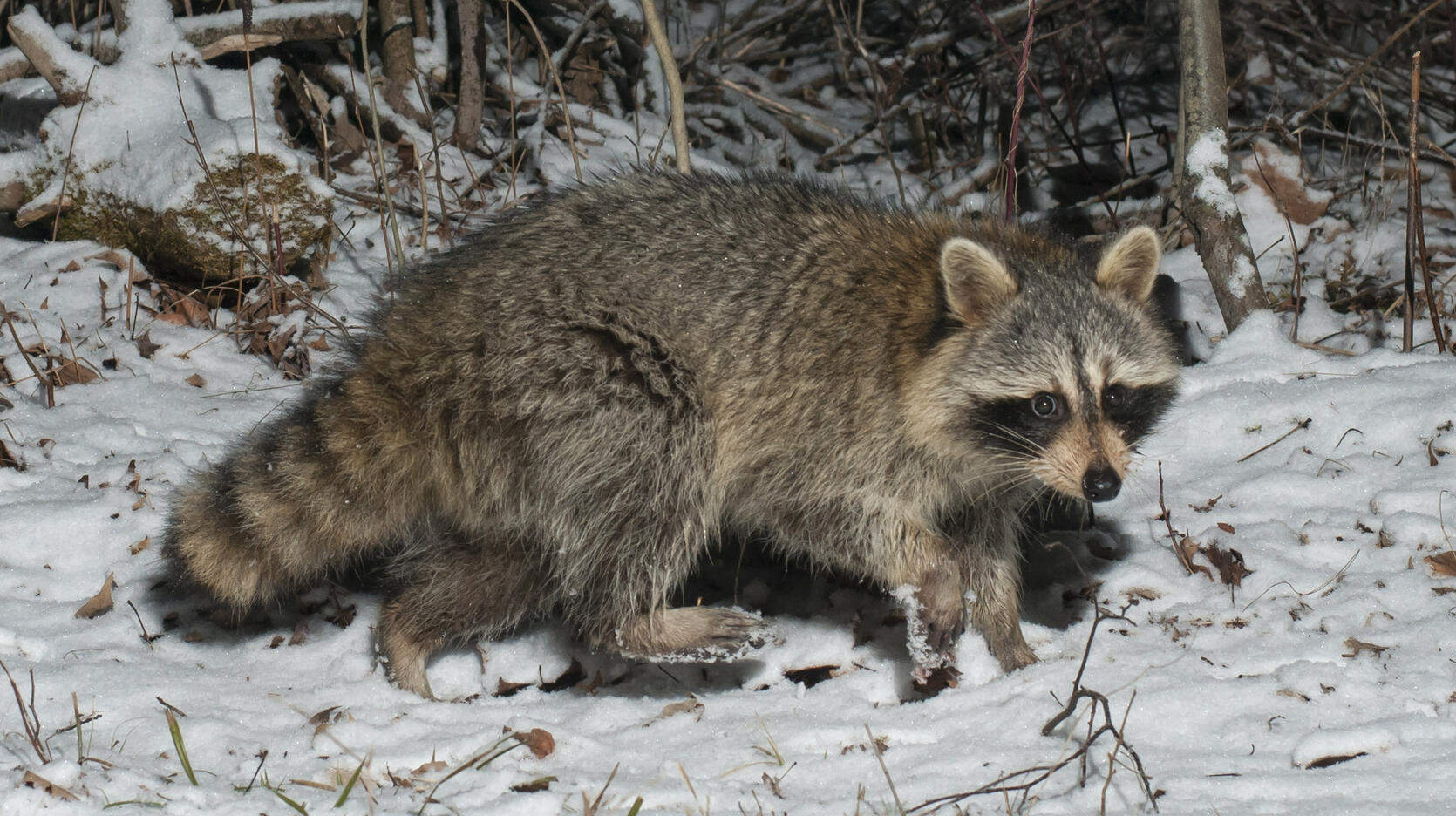
Credit: www.mass.gov
Frequently Asked Questions
How Do Animals Keep Warm In Cold Weather?
Animals keep warm through thick fur, fat layers, and hibernation. They also seek shelter and reduce activity to conserve energy.
What Adaptations Help Animals Survive Freezing Temperatures?
Animals grow dense fur, store fat, and have antifreeze proteins. These adaptations protect cells and maintain body heat in freezing conditions.
Why Do Some Animals Hibernate During Winter?
Hibernation helps animals conserve energy when food is scarce. It slows metabolism, reduces body temperature, and allows survival through harsh winters.
How Do Animals Find Food In Snowy Environments?
Animals use keen senses like smell and hearing to locate food. Some dig through snow or store food before winter arrives.
Conclusion
Animals use many ways to survive cold weather. They grow thick fur or feathers to stay warm. Some animals store extra fat for energy and insulation. Others find shelter in burrows, caves, or snow. Many slow down their body activities to save energy.
Some even huddle together for shared warmth. These natural adaptations help them live through harsh winters. Nature’s design is smart and simple. Survival depends on these amazing strategies. Cold weather is tough, but animals are tougher. They show us the power of life in harsh conditions.