What to Pack for Survival Kit: Essential Gear for Emergency Readiness
Emergencies don’t send advance notice. From sudden winter storms that knock out power for days to wildfire evacuations that force you to leave home with minutes of warning, a well-built survival kit bridges the gap between panic and action. According to FEMA, most U.S. households are underprepared for sudden disruptions, with many lacking even the basic supplies to last 72 hours—the recommended minimum for emergency readiness. This guide breaks down the essential gear for a 72-hour survival kit, plus customization tips for every household, climate, and use case, so you can build a kit that actually works when you need it most.
Core Survival Priorities: The Rule of Threes
Before you pack a single item, it helps to understand the framework that guides all survival planning: the Rule of Threes. This widely accepted standard, used by FEMA and wilderness survival organizations, outlines how long you can survive in extreme conditions without core resources: 3 minutes without air, 3 hours without shelter in extreme temperatures, 3 days without water, and 3 weeks without food. This hierarchy dictates your packing order: prioritize shelter and warmth first if you’re in a cold or wet climate, then water, then food, then signaling and navigation tools. FEMA’s core survival priority framework breaks down this structure in more detail for household emergency planning. You can also read our guide on emergency preparedness survival backpack kits.
Water And Hydration Tools
Water is your highest priority after shelter in most emergency scenarios. Dehydration sets in quickly, especially if you’re active, injured, or in a hot climate, and can impair judgment and physical ability within hours.
FEMA recommends storing 1 gallon of water per person per day for drinking, cooking, and basic hygiene, so a 3-day kit for one person requires 3 gallons of stored water. Store water in BPA-free, durable containers in a cool, dark place, and rotate it every 6 months to prevent contamination. You can also read our guide on ark survival water tank just rain plants.
For scenarios where stored water runs out, pack a water purification method: portable straw filters (lightweight for solo hikers), pump filters (ideal for group use), or purification tablets (compact, long-lasting backup for all kits). Avoid relying on a single purification method: many filters don’t remove chemical contaminants, so pair them with tablets for full coverage. For official guidance on safe water storage and purification during emergencies, refer to CDC emergency water protocols.
Common Water Packing Mistakes To Avoid
- Only packing purification tools with no stored water, leaving you vulnerable if you can’t access a natural water source
- Forgetting to account for extra water for pets, infants, or family members with higher hydration needs
- Storing water in containers that leach chemicals or break easily under stress
Food And Nutrition Supplies
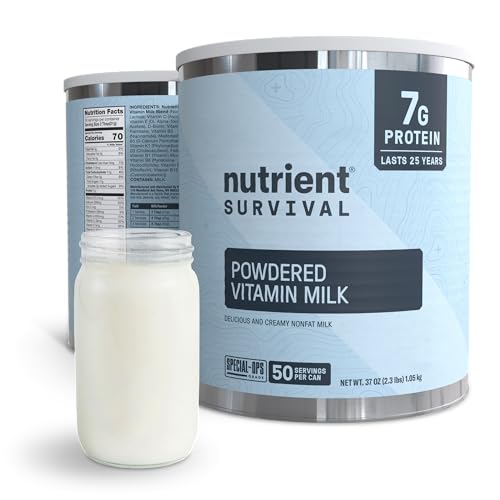
After water, food is your next priority to maintain energy and strength. Aim for 2,000 calories per person per day, prioritizing lightweight, non-perishable, no-cook options that don’t require heating or preparation in case you can’t start a fire. Good options include energy bars, nuts, dried fruit, MREs (Meals Ready to Eat), and freeze-dried meals. You can also read our guide on if you want to survive past read this guide.
Avoid high-sodium, high-sugar snacks that increase dehydration and cause energy crashes. If you or your household members have dietary restrictions (allergies, gluten intolerance, etc.), pack allergen-friendly options to avoid illness during stressful situations. Small comfort items like hard candy, tea bags, or a favorite snack can boost morale during extended outages, which is just as important as physical sustenance.
Don’t forget a manual can opener if you pack canned goods, and small utensils like a spork for eating.
Shelter And Warmth Essentials
Hypothermia can set in at temperatures as low as 50°F (10°C) if you’re wet or lack insulation, making shelter and warmth a top priority even in mild climates. Pack at least one shelter option and multiple warmth sources for every kit. You can also read our guide on emergency preparedness long term survival.
For solo use, a compact mylar emergency blanket reflects 90% of your body heat and weighs less than 2 ounces, making it a non-negotiable base layer. For group use or longer outages, a lightweight waterproof tarp can be configured as a shelter from rain and wind, and a bivvy sack provides full-body insulation for one person. In cold climates, add a wool or fleece beanie, insulated gloves, and at least 2 extra pairs of wool socks (wet feet can lead to trench foot in as little as 12 hours).
Fire is critical for warmth, cooking, water purification, and signaling for help. Pack at least 3 fire-starting methods to account for failure: waterproof matches stored in a waterproof container, a ferrocerium rod (works in wet, sub-freezing conditions but requires practice), and a refillable butane lighter. Add tinder like cotton balls soaked in petroleum jelly or dryer lint stored in a waterproof bag. A common mistake is relying solely on disposable lighters, which fail in cold temperatures or when wet. You can also read our guide on best fixed blade knife for survival.
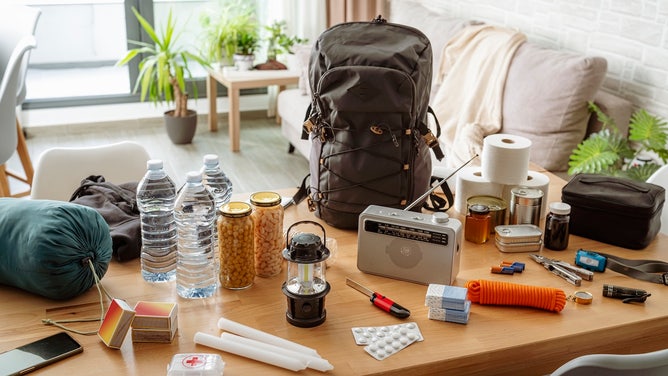
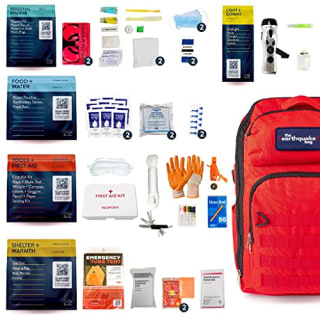
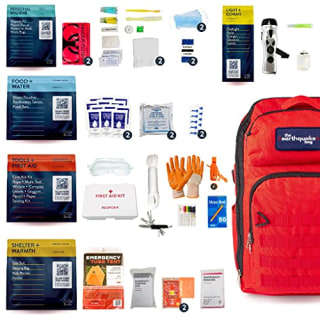
 A well-organized 72-hour kit groups items by use case for fast access during emergencies.
Credit: www.youtube.com
Personal Safety Add-Ons
Personal safety gear is a low-weight, high-impact addition that many preppers overlook. Pack a loud, high-decibel whistle: 3 short blasts is the universal distress signal, and a whistle carries much farther than a human voice. If legal in your area, add pepper spray for self-defense against human or wildlife threats.
If you’re hiking or camping in remote areas, add wildlife deterrents: bear spray for bear country, or a snake bite kit for desert and grassland hikes. For guidance on avoiding and responding to wildlife encounters, review our protection from wildlife encounters guide. You can also read our guide on masked forces zombie survival unblocked games.
Navigation And Communication
Cell service fails in 90% of large-scale emergencies, including hurricanes, wildfires, and power grid outages, so don’t rely on your phone as your only navigation or communication tool.
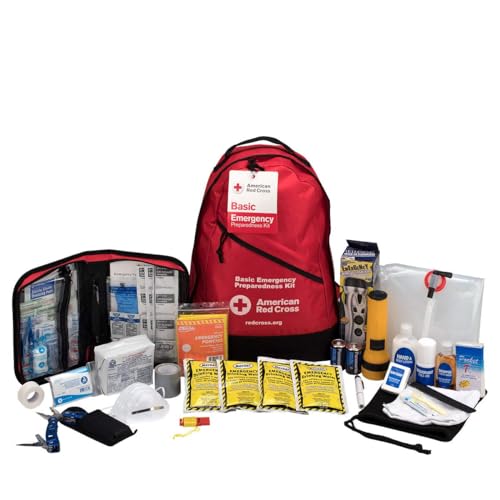
For navigation, pack a waterproof paper topographic map of your local region and a baseplate compass. These tools work without batteries or signal, unlike GPS devices or smartphones. Practice using your compass before an emergency: learning to take a bearing, triangulate your position, and follow a route takes as little as 10 minutes of practice and can mean the difference between getting lost and finding your way to safety. You can also read our guide on survival kits emergency preparedness kit red cross.
For communication, add a hand-crank or solar-powered emergency radio that receives NOAA weather alerts, so you can stay informed even if power and cell service are down. If you frequently travel to remote areas with no cell service, add a personal locator beacon (PLB) or satellite messenger that can send distress signals and your GPS location to emergency responders. Print a list of emergency contacts and evacuation routes on waterproof paper and store it in your kit, so you don’t have to rely on your phone’s memory.
First Aid And Medical Supplies
A first aid kit is not a one-size-fits-all purchase. Start with a pre-assembled base kit, then customize it to your household’s specific medical needs to avoid gaps in care.
Core supplies to include:
- Adhesive bandages in various sizes, sterile gauze pads, adhesive tape, antiseptic wipes, antibiotic ointment, tweezers, scissors, disposable gloves, instant cold packs, elastic bandages for sprains, a CPR face mask, and a digital thermometer
- Medications: pain relievers (ibuprofen, acetaminophen), antihistamines for allergic reactions, anti-diarrheal medication, oral rehydration salts, burn cream, hydrocortisone cream for insect bites and rashes, and a full 7-day supply of all prescription medications for each household member
Customize your kit further based on your household’s needs: add an epinephrine injector for severe allergies, glucose tablets for diabetic family members, children’s dosing instructions for pain relievers, and extra supplies for chronic conditions like asthma. A common mistake is packing a pre-assembled kit and never restocking it: expired medications and used supplies are useless during an emergency. Check your kit every 6 months to replace expired items.
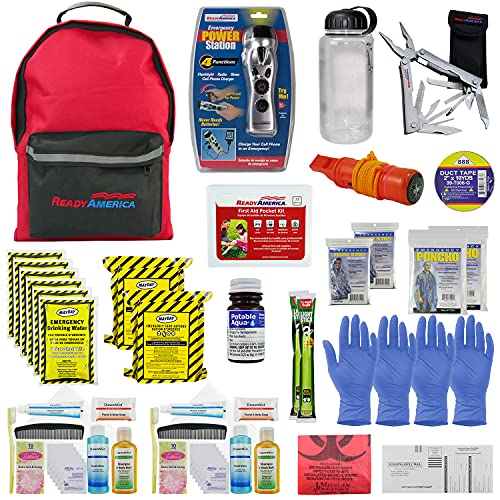
 A stocked first aid kit should include both basic wound care and personal medications.
Credit: www.amazon.com
Tools And Equipment
Multi-use tools reduce the amount of gear you need to carry while solving dozens of unexpected problems during an emergency.
Cutting Tools
A durable fixed-blade knife is the most versatile tool in any survival kit: it can cut rope, carve tent stakes, prepare food, and be used for minor repairs. Look for full-tang construction (the blade runs the full length of the handle) for maximum durability, and high-carbon or stainless steel that holds an edge. Folding knives work well as backups, but avoid cheap models with plastic locks that fail under stress.
For UK-based preppers, sourcing a trusted fixed-blade knife from specialist outdoor retailers avoids low-quality imports that fail under stress. Many survival knives include serrated edges designed for cutting rope, fabric, or thin metal—understanding their intended purpose helps you pick a blade aligned with your needs. If you’re curious about common issues with budget survival knives, our guide to common failure points to avoid breaks down what to look for when shopping. Multi-tools combine pliers, screwdrivers, saws, and other functions in a compact package, making them ideal for minor repairs to gear, shelter, or vehicles.
Repair And Multi-Use Gear
Pack a small roll of duct tape (wrap it around a water bottle or lighter to save space), 50 feet of 550 paracord (the inner strands can be used as fishing line, suture, or tinder), a small multi-bit screwdriver, and a compact camp shovel for digging fire pits or catholes. These small items solve dozens of unexpected problems that come up during extended emergencies.
Lighting Solutions
You’ll need light for tasks after dark, signaling, and navigating tight spaces. Pack a bright LED flashlight (100+ lumens) with extra batteries, and a hands-free headlamp for tasks like building shelter or administering first aid. Glow sticks are a good zero-battery backup, but only last 8–12 hours. Solar-powered lanterns are great for base camp use, but charge slowly. Always test your lighting gear every 6 months to ensure batteries are functional.
Clothing And Personal Items
The right clothing protects you from the elements, prevents illness, and maintains mobility during emergencies. Avoid packing casual, everyday clothing: opt for durable, weather-resistant items designed for outdoor use.
Layered Clothing For All Climates
Follow the 3-layer system for maximum versatility:
- Base layer: Moisture-wicking synthetic or merino wool fabric that pulls sweat away from your skin (avoid cotton, which stays wet and draws heat from your body)
- Mid-layer: Insulating fleece or wool to trap body heat
- Outer shell: Waterproof, windproof jacket and pants to block rain, wind, and snow
Pack extra socks (at least 2 pairs per person per day), a warm beanie, insulated gloves, and sturdy, broken-in waterproof boots. For hot climates, add a wide-brimmed hat, UV-protective clothing, and cooling towels. A common mistake is packing cotton clothing, which loses all insulating value when wet and can lead to hypothermia even in mild temperatures.
Hygiene And Sanitation Supplies
Poor hygiene leads to infections, gastrointestinal illness, and decreased morale, so pack compact, low-weight items that don’t require running water: biodegradable soap, a small toothbrush and toothpaste, travel-sized wet wipes, hand sanitizer (with at least 60% alcohol), a quick-dry microfiber towel, and any personal hygiene products you use daily (feminine products, incontinence supplies, etc.). Add a small pack of trash bags for waste disposal to keep your shelter clean and reduce pest attraction.
Customizing Your Kit For Your Household
A generic survival kit works for short, local emergencies, but you’ll need to customize yours to match your household’s unique needs, location, and potential risks.
Gear For Children And Infants
For infants and young children, pack familiar comfort items (stuffed animals, favorite snacks) to reduce anxiety during chaotic evacuations. Add extra diapers and wipes (1 per person per day for 3 days, plus an extra 2 days’ supply), child-sized clothing, and any regular medications. For school-aged kids, add a small activity book or crayons to keep them occupied during extended shelter-in-place orders.
Gear For Pets
Pets are family, and most evacuation shelters accept them if you have the right supplies. Pack a leash and collar with up-to-date ID tags, a sturdy carrier or crate, 3 days of food and water, portable bowls, a pet first aid kit, waste bags, and copies of your pet’s vaccination records (required for shelter entry in many areas).
Regional And Long-Term Add-Ons
If you live in a hurricane, wildfire, or flood-prone area, supplement your base kit with regional-specific essentials like waterproof document bags, extra tarps for flood protection, and N95 masks for wildfire smoke. For longer-term outages where help may take 2+ weeks to arrive, add water purification filters that can handle hundreds of gallons, heirloom vegetable seeds that store for 5+ years, a compact camping stove and fuel canisters, extra batteries, and a solar charger for electronics. For a full list of tested long-term supply recommendations, check out our guide to extended survival gear. Your kit should reflect your household’s unique needs—review common prepper checklist gaps to make sure you’re not missing high-priority items for your family.
Packing, Storing, And Maintaining Your Kit
A well-packed kit is useless if it’s disorganized, expired, or stored somewhere you can’t access quickly during an emergency.
Organizing For Fast Access
Use a sturdy, waterproof backpack or duffel as your kit base, so you can grab it and go if you need to evacuate quickly. Group items by category in small, labeled dry bags: water, food, first aid, tools, clothing, etc. Place frequently used items (first aid, flashlight, whistle) in outer pockets for fast access, and heavy items (water, canned food) at the bottom of the pack to keep it balanced. Avoid packing items you don’t know how to use: every item should serve a clear purpose, and you should practice using your gear before an emergency strikes.
Regular Maintenance Schedule
Check your kit every 6 months (set a reminder on your phone for spring and fall) to keep it functional:
- Rotate expired food, medications, and stored water
- Test all electronics (flashlights, radios, PLBs) to ensure they work, and replace dead batteries
- Check that clothing still fits (especially for growing kids) and that fire starters are dry
- Update your kit if your household’s needs change: new baby, new pet, new medical condition, etc.
Frequently Asked Questions
What are the non-negotiable essentials for every survival kit?
Non-negotiable items include 1 gallon of water per person per day, non-perishable no-cook food, a customized first aid kit, a durable fixed-blade knife, 3 fire-starting methods, a waterproof map and compass, an emergency whistle, and a flashlight with extra batteries. These items cover the core Rule of Threes priorities: water, food, shelter, and signaling for help.
How much water should I pack for a 3-day survival kit?
FEMA recommends 1 gallon of water per person per day, so a 3-day kit for one person requires 3 gallons of stored water, plus a water purification method for sourcing additional water if needed. Add extra for pets, or if you live in a hot climate where you’ll sweat more.
Do I need a separate first aid kit if I already have a survival kit?
Yes—your survival kit’s general medical supplies are for minor issues, but a dedicated first aid kit includes specialized supplies for wounds, sprains, and allergic reactions that general gear can’t address. Make sure to customize it to your household’s specific medical needs, including prescription medications and allergy treatments.
Can I use my phone’s GPS instead of a paper map and compass?
No—cell service and GPS signals often fail during large-scale emergencies like hurricanes, wildfires, or power grid outages, and phone batteries die quickly without access to power. A paper map and compass work without power or signal, and require no batteries to use.
How often should I update my survival kit?
Check and update your kit every 6 months. Rotate expired food, medications, and water, test all electronics, and adjust the contents to match your household’s changing needs (new baby, new pet, new medical condition, etc.).
Final Thoughts
A well-packed survival kit isn’t about doomsday prepping—it’s about practical readiness for the emergencies that impact millions of households every year, from winter storms that knock out power for days to sudden evacuations during wildfires. By prioritizing the Rule of Threes, customizing your kit to your household’s unique needs, and maintaining it regularly, you can turn panic into action when it matters most.
Start small: gather your core water, food, and first aid supplies this week, then add one new category of gear each month until your kit is complete. Preparedness doesn’t have to be expensive or time-consuming—it just takes consistent, small steps. For more step-by-step guidance on building out your emergency supplies, browse our full library of tested survival tips and gear reviews tailored to every budget and use case.