Can Covid Survive Cold Weather: Revealing the Truth and Myths
Winter is here, and with it comes the chill that nips at your nose. As you bundle up in cozy layers, a question might cross your mind: Can Covid survive cold weather?
This concern is not just chilling, it’s crucial. Understanding how the virus behaves in lower temperatures could be key to keeping you and your loved ones safe. Imagine being armed with knowledge that lets you enjoy the season with confidence.
By diving deeper into how Covid interacts with cold environments, you can make informed decisions about your health. This article will unravel the science behind the virus’s survival in cold weather, dispel myths, and provide you with practical tips to stay protected. Your curiosity and safety are our priority, so let’s explore this topic together.
Covid-19 And Temperature
Many people wonder if cold weather helps Covid-19 spread. The virus that causes Covid-19 can survive in different temperatures. Temperature plays a role in how the virus behaves outside the body.
Scientists study how the virus reacts in cold weather. This helps us understand the risk of catching Covid-19 in winter or cold places.
Virus Behavior In Cold Conditions
Cold temperatures can make the Covid-19 virus last longer on surfaces. The virus stays active for more hours when it is cold. This means touching things can be risky in cold weather.
Inside the body, cold weather does not kill the virus. The virus spreads the same way in warm or cold temperatures. People still need to wear masks and keep distance in winter.
- Virus lives longer on cold surfaces
- Cold air does not kill the virus inside the body
- Virus spreads in all temperatures
Impact Of Humidity And Weather Patterns
Low humidity helps the virus travel farther in the air. Dry air makes tiny droplets stay longer. This can increase the chance of inhaling the virus.
Weather patterns like wind and rain can change how the virus spreads outside. Rain can wash away droplets, while wind can carry them further. Indoor spaces with dry air are riskier.
- Low humidity helps virus droplets stay airborne
- Rain can reduce virus presence outdoors
- Wind can spread droplets over longer distances
- Dry indoor air may increase infection risk
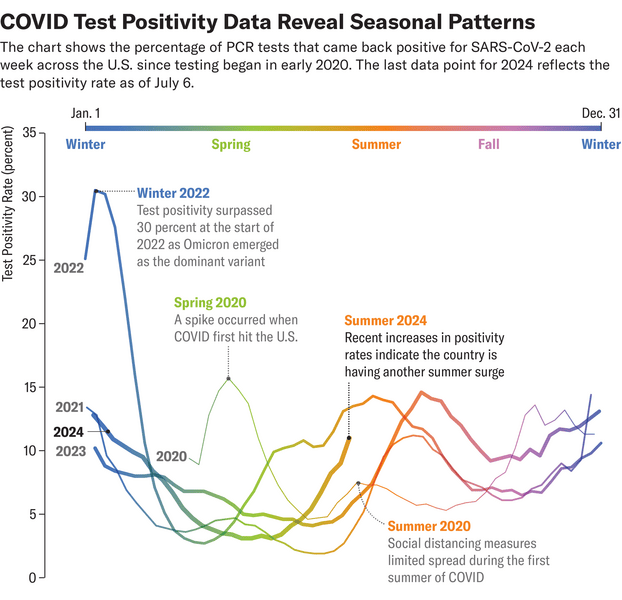
Credit: www.scientificamerican.com
Myths About Cold Weather And Covid
Many people wonder if cold weather can stop Covid from spreading. Some believe the virus dies in cold temperatures. Others think cold air helps the virus spread more.
This article looks at common myths about cold weather and Covid. It explains where wrong ideas come from and what science says.
Common Misconceptions
One myth is that cold weather kills the virus. The truth is Covid can survive in cold temperatures. It can also spread indoors during winter.
Some believe that warm weather stops the virus. But Covid has spread in hot places too. Weather alone does not control the virus.
- Cold weather does not kill Covid virus
- Virus spreads indoors more in winter
- Warm weather does not stop the virus
Sources Of Misinformation
Misinformation comes from many places. Some news reports may share incomplete facts. Social media often spreads rumors quickly.
People may share myths because they want quick answers. Lack of clear information can cause confusion. Reliable sources help stop wrong ideas.
- News outlets with incomplete data
- Social media rumors and posts
- Misunderstood scientific studies
- Word of mouth and personal opinions
Scientific Studies On Covid Survival
Scientists studied how long the Covid virus can live in cold weather. They tested the virus in different temperatures and conditions. Understanding this helps us know if cold weather makes Covid spread easier.
Research includes lab experiments and real-world data. Each gives useful information about how the virus behaves in cold climates.
Laboratory Findings
Lab tests show the Covid virus can survive longer at lower temperatures. Cold slows down the virus’s breakdown on surfaces and in the air. This means the virus stays active for hours or days in cool conditions.
Scientists found that the virus’s survival time drops quickly when temperatures rise. Warm, sunny places reduce the virus’s life outside the body. These results come from controlled settings, not from real-life situations.
- Covid survives longer on surfaces at 4°C (39°F)
- Virus lasts hours at room temperature
- Heat above 30°C (86°F) reduces survival time
- Humidity also affects virus stability
Real-world Observations
Data from cold regions show mixed results. Some cold places had high Covid cases during winter. This could relate to people staying indoors more, not just the cold itself.
Other studies find that cold weather alone does not cause Covid to spread faster. Human behavior, like close contact, plays a bigger role. Cold air may help the virus stay alive, but it is not the only factor.
- Winter months see more indoor gatherings
- Indoor air is drier, helping virus survive
- Cold alone does not increase infection rates
- Mask-wearing and distancing reduce spread

Credit: www.theguardian.com
Transmission Risks In Winter
Cold weather changes how viruses spread among people. In winter, more infections often occur.
Understanding why Covid spreads differently in cold weather helps us stay safe. We look at indoor and outdoor risks and how seasonal habits affect spread.
Indoor Vs Outdoor Spread
Covid spreads more easily indoors than outdoors. Poor ventilation in closed spaces raises infection risk.
- Air moves freely outside, reducing virus concentration.
- People stay closer inside, sharing air for longer times.
- Cold weather pushes people indoors, increasing contact.
- Surfaces indoors can hold the virus longer in winter.
Role Of Seasonal Behavior
Seasonal habits affect how Covid spreads. People change routines in cold months.
| Behavior | Impact on Covid Spread |
| More indoor gatherings | Higher transmission risk |
| Less ventilation | Virus stays longer in air |
| Close contact with family | Increases infection chance |
| Wearing masks less often indoors | Raises risk of catching virus |
Preventive Measures During Cold Weather
Cold weather can affect how viruses spread. It is important to take steps to protect yourself.
Simple actions can reduce the chance of catching Covid during winter months.
Effective Hygiene Practices
Keeping clean helps stop the virus from spreading. Wash your hands often with soap and water.
- Wash hands for at least 20 seconds
- Use hand sanitizer if soap is not available
- Avoid touching your face with unwashed hands
- Cover coughs and sneezes with a tissue or elbow
- Clean and disinfect surfaces regularly
Vaccination And Boosters
Vaccines reduce the risk of severe illness from Covid. Stay up to date with shots and boosters.
| Vaccine Dose | Recommended Time | Purpose |
| Initial Dose | As soon as eligible | Build initial immunity |
| Booster Dose 1 | Several months after initial dose | Increase protection |
| Booster Dose 2 | As advised by health authorities | Maintain immunity |

Credit: agupubs.onlinelibrary.wiley.com
Frequently Asked Questions
Can Covid-19 Survive In Cold Weather Conditions?
Yes, Covid-19 can survive in cold weather. Low temperatures may help the virus remain stable longer on surfaces. However, cold weather alone does not stop its spread.
Does Cold Weather Increase Covid-19 Transmission Risk?
Cold weather can increase indoor gatherings, raising transmission risk. The virus spreads more easily indoors, regardless of temperature outside.
How Does Cold Affect Covid-19 Virus Stability?
Cold temperatures slow virus degradation, allowing it to survive longer on surfaces. This can increase chances of indirect transmission.
Can Cold Weather Kill The Covid-19 Virus?
No, cold weather cannot kill the Covid-19 virus. The virus is resistant to low temperatures and requires disinfectants or heat for inactivation.
Conclusion
Cold weather does not stop Covid from spreading. The virus can live in low temperatures. It spreads through close contact and touching surfaces. Wearing masks and washing hands still work best. Avoid crowded places to stay safe. Stay informed and follow health advice.
Protect yourself and others every day. Cold weather is not a reason to relax. Keep practicing good habits to fight Covid. Stay cautious, no matter the season.