Can Horses Survive Extreme Cold Weather: Essential Survival Facts
When the chill of winter descends, you might wonder if your beloved horses can withstand the biting cold. As temperatures plummet, ensuring the well-being of these majestic creatures becomes a top priority.
You want to keep them safe, comfortable, and healthy, but how do horses really cope with extreme cold weather? Understanding their natural resilience can be both fascinating and crucial for their care. You’ll discover the surprising ways horses adapt to freezing conditions, and learn essential tips to help your equine companions thrive even when the thermometer drops.
Stay with us, and you’ll be well-equipped to safeguard your horses during the coldest months.
Horses And Cold Weather
Horses can live in cold weather if cared for properly. Their bodies adjust to lower temperatures. But extreme cold brings challenges to their health and comfort.
Understanding how horses handle cold helps owners keep them safe. This guide covers key points about horses and cold weather.
How Horses Stay Warm
Horses grow thicker coats in winter to trap heat. Their skin and muscles produce warmth. They also change behavior to keep warm, like standing near shelter.
Risks Of Extreme Cold
Very cold weather can cause health problems. Horses may lose weight or get frostbite. Cold stress lowers their immune system. Owners must watch for signs of trouble.
- Shivering or trembling
- Cold ears or nose
- Stiff movements
- Lack of appetite
- Labored breathing
Shelter And Bedding
Proper shelter protects horses from wind and snow. Bedding keeps them dry and warm. Straw or shavings work well. A dry place reduces risk of illness.
Feeding Horses In Cold Weather
| Feed Type | Purpose | Notes |
| Hay | Energy source | High-quality, plenty available |
| Grain | Extra calories | Feed as needed, avoid overfeeding |
| Water | Hydration | Keep warm and clean |
| Salt | Electrolyte balance | Provide free access |
Clothing And Blankets
Some horses need blankets in extreme cold. Blankets add warmth and protect from wind. Use blankets only if the horse is clipped or lacks a good winter coat.
Tip:Check blankets daily for fit and dryness. Remove wet blankets to prevent chills.
Natural Adaptations
Horses can survive cold weather because of their natural body features. These features help them stay warm and safe.
Understanding these adaptations shows how horses handle extreme cold.
Thick Winter Coat
Horses grow a thick winter coat to protect from cold wind and snow. This coat traps warm air close to their skin.
The hair becomes longer and denser in winter. This helps block cold and keeps the horse warm.
Body Fat And Insulation
Horses build up body fat in colder months. Fat acts like a natural blanket to keep heat inside.
This fat layer helps protect vital organs from the cold. It also provides extra energy during winter.
- Fat stores energy
- Insulates the body
- Protects organs from cold
Metabolic Changes
Horses change how their bodies work in cold weather. Their metabolism speeds up to create more heat.
This helps horses stay warm even when the air is very cold. They burn more calories to keep their body temperature steady.
Challenges Of Extreme Cold
Horses face many problems during very cold weather. The cold can affect their health and survival.
It is important to understand the risks they face to help keep them safe in winter.
Risk Of Hypothermia
Hypothermia happens when a horse’s body temperature drops too low. Cold winds and wet conditions increase this risk. Young, old, or sick horses are more at risk. Without enough shelter, horses can lose body heat quickly.
Signs of hypothermia include shivering, weakness, and slow movements. If untreated, it can cause serious health problems or death.
Frozen Water Sources
Water is essential for horses, but freezing temperatures can cause water to freeze. Horses may stop drinking if water is hard to access. This leads to dehydration and other health issues.
- Frozen water can block water troughs.
- Ice on ponds or streams can be dangerous to break.
- Cold water can reduce water intake.
Limited Food Availability
Food becomes harder to find in extreme cold. Snow covers grass and plants, limiting grazing. Horses need more calories to keep warm during winter.
| Food Source | Winter Availability |
| Grass | Very Low |
| Hay | Depends on Supply |
| Grain | Usually Available |

Credit: mynewhorse.equusmagazine.com
Essential Care Tips
Horses can survive cold weather if you give them the right care. They need protection from wind and wet conditions.
Providing good shelter, proper feeding, and enough water helps horses stay healthy in cold weather.
Shelter Options
Horses need a dry and windproof place to rest. A three-sided shelter works well to block wind.
Stall barns or run-in sheds keep horses warm and safe from rain and snow. Bedding like straw adds comfort.
- Use shelters that block wind and rain
- Keep bedding dry and thick for warmth
- Check shelters often for damage or drafts
Feeding Strategies
Horses burn more calories in cold weather to stay warm. Increase their hay to help meet energy needs.
Hay is important because it produces heat during digestion. Feed high-quality hay and consider adding grain if needed.
- Offer extra hay to provide energy
- Feed small meals more often
- Use grain only if your vet recommends it
Hydration Management
Horses may drink less in winter, but they need water to avoid colic. Keep water fresh and unfrozen.
Use heated water buckets or tank heaters to prevent freezing. Check water intake daily and encourage drinking.
- Provide clean, unfrozen water at all times
- Use heated buckets or water heaters
- Check water intake to spot problems early
Signs Of Cold Stress
Horses can face serious challenges in extreme cold weather. Cold stress happens when they lose too much body heat. Recognizing signs early helps keep them safe.
Knowing the signs helps owners act fast. Cold stress affects a horse’s behavior and body. Watch closely for changes during cold days.
Behavioral Changes
Horses under cold stress act differently than usual. They may try to find shelter or huddle together. These changes show they feel cold and uncomfortable.
Some horses become less active or stop eating. Others may paw the ground or shiver. These behaviors signal they need help.
- Seeking shelter or hiding
- Huddling close with other horses
- Reduced movement or activity
- Loss of appetite
- Shivering or trembling
- Pawing at the ground
Physical Symptoms
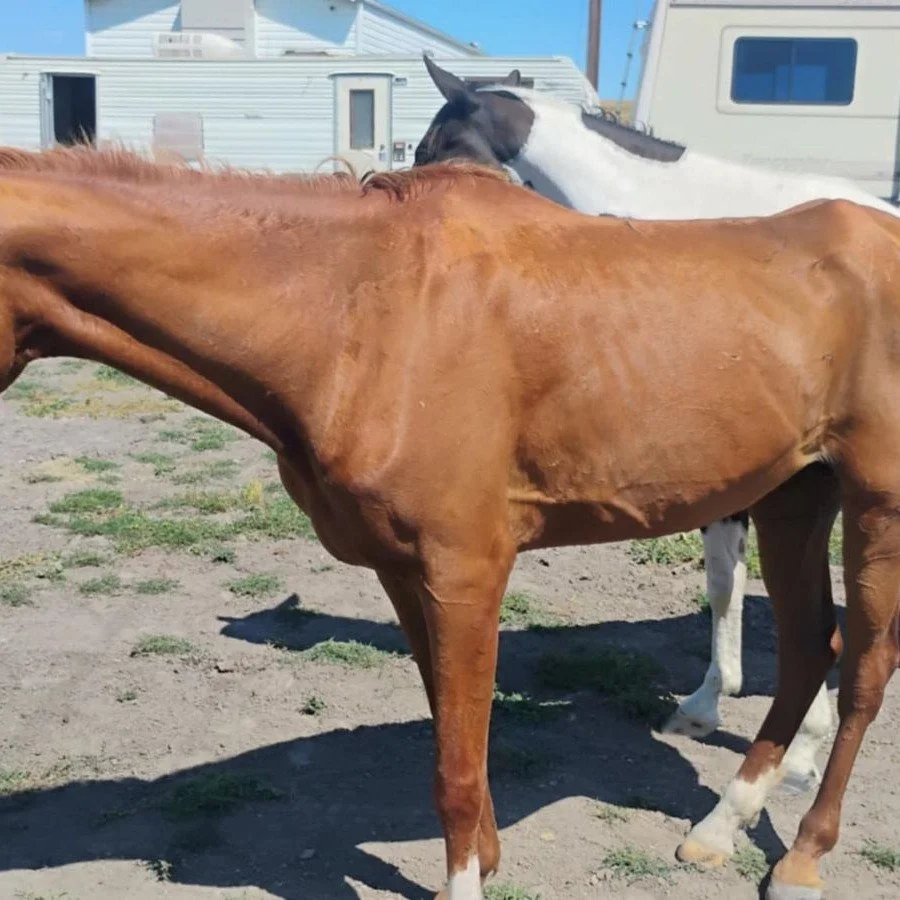
Cold stress causes clear physical signs. The horse’s body temperature drops. You might notice pale or cold ears and limbs.
Skin may feel cold and dry. Severe cold stress can cause weakness or stiff muscles. Check for slow breathing or a weak pulse.
- Cold, pale ears and legs
- Dry or flaky skin
- Weakness or stiffness
- Slow or shallow breathing
- Weak pulse or heart rate
Credit: www.irongateequine.com
Preventing Cold-related Illnesses
Extreme cold weather can harm horses if not managed properly. Keeping them safe requires good care and attention.
Preventing cold-related illnesses helps horses stay healthy and strong through winter months.
Proper Blanketing
Blanketing protects horses from cold, wind, and wet weather. It keeps their body heat inside.
- Choose blankets that fit well and cover the horse properly.
- Use waterproof blankets if the horse is outside in wet conditions.
- Remove or adjust blankets when temperatures rise to avoid overheating.
- Check blankets daily for damage or dirt that lowers effectiveness.
- Layer blankets if the weather is very cold, but avoid too many layers.
Regular Health Checks
Checking your horse’s health often helps catch cold-related problems early. Watch for signs of illness.
| Health Check | What to Look For | Action Needed |
| Body Temperature | Normal or low temperature | Call vet if temperature is high or very low |
| Coat Condition | Shiny and dry coat | Check for wet or matted hair, dry horse if needed |
| Behavior | Alert and eating well | Monitor for lethargy or loss of appetite |
| Breathing | Normal rate and effort | Seek help if breathing is fast or labored |
Emergency Preparedness
Horses face serious challenges in extreme cold weather. Being ready can save their lives.
Proper emergency planning helps owners keep horses safe and healthy during harsh winters.
Winter Survival Kit
A winter survival kit helps protect horses from cold and storm dangers. It includes tools and supplies for daily care and emergencies.
- Insulated blankets and waterproof covers
- Extra hay and high-quality feed
- Fresh water with heated buckets or troughs
- First aid supplies for wounds and frostbite
- Salt or mineral blocks to prevent dehydration
- Tools to clear snow and ice from walkways
- Emergency lighting and extra bedding material
When To Call A Veterinarian
Know the signs that need quick veterinary care to avoid serious problems in cold weather.
| Symptom | Reason | Action |
| Shivering that won’t stop | Severe cold stress | Call vet immediately |
| Swollen legs or joints | Frostbite or injury | Seek vet care |
| Refusing to eat or drink | Illness or pain | Contact vet quickly |
| Labored breathing or coughing | Respiratory infection | Vet check needed |
| Lethargy or weakness | Possible illness | Call vet for advice |
Credit: mynewhorse.equusmagazine.com
Frequently Asked Questions
Can Horses Survive Extreme Cold Weather Naturally?
Yes, horses can survive extreme cold naturally due to their thick winter coats. They also have a strong metabolism that generates body heat. However, proper shelter and nutrition are essential for their well-being in harsh conditions.
What Shelter Do Horses Need In Cold Weather?
Horses need windproof and dry shelters to protect them from cold and moisture. A three-sided run-in shed or barn works well. Proper bedding and ventilation help maintain warmth and prevent respiratory issues.
How Should Horse Feeding Change In Winter?
Horses need increased feed, especially hay, during winter to generate body heat. Providing fresh water and balanced minerals is crucial. Proper nutrition helps maintain energy levels and supports their immune system in cold weather.
Do Horses Need Blankets In Extreme Cold?
Blanketing depends on the horse’s age, health, and coat thickness. Some horses need blankets for extra warmth, especially if clipped or elderly. Always monitor their comfort and adjust blanketing accordingly to avoid overheating or chilling.
Conclusion
Horses can handle cold weather if cared for well. They grow thick coats to stay warm. Shelter and plenty of food help them survive. Water must not freeze, or they can get sick. Owners must watch their horses closely in winter.
Cold is tough, but horses are strong animals. Taking simple steps keeps horses safe and healthy. Winter care makes all the difference for horses’ survival.