Can Mosquito Survive in Cold Weather: Shocking Truth Revealed
Have you ever wondered what happens to mosquitoes when the temperature drops? If you’ve ever been pestered by these tiny, buzzing nuisances during the summer, you might find yourself curious about their fate in the colder months.
You’re not alone! Many people assume that mosquitoes simply vanish when winter arrives. But is that really the case? Can mosquitoes survive in cold weather? By the time you finish reading this article, you’ll uncover the surprising truths about these pesky insects and what they do when the chill sets in.
Understanding their survival tactics could be your secret weapon in preparing for next year’s battles against bites. Let’s dive into the frosty world of mosquitoes and discover what they’re up to when the cold winds blow. Your curiosity might just lead you to some unexpected and fascinating insights!
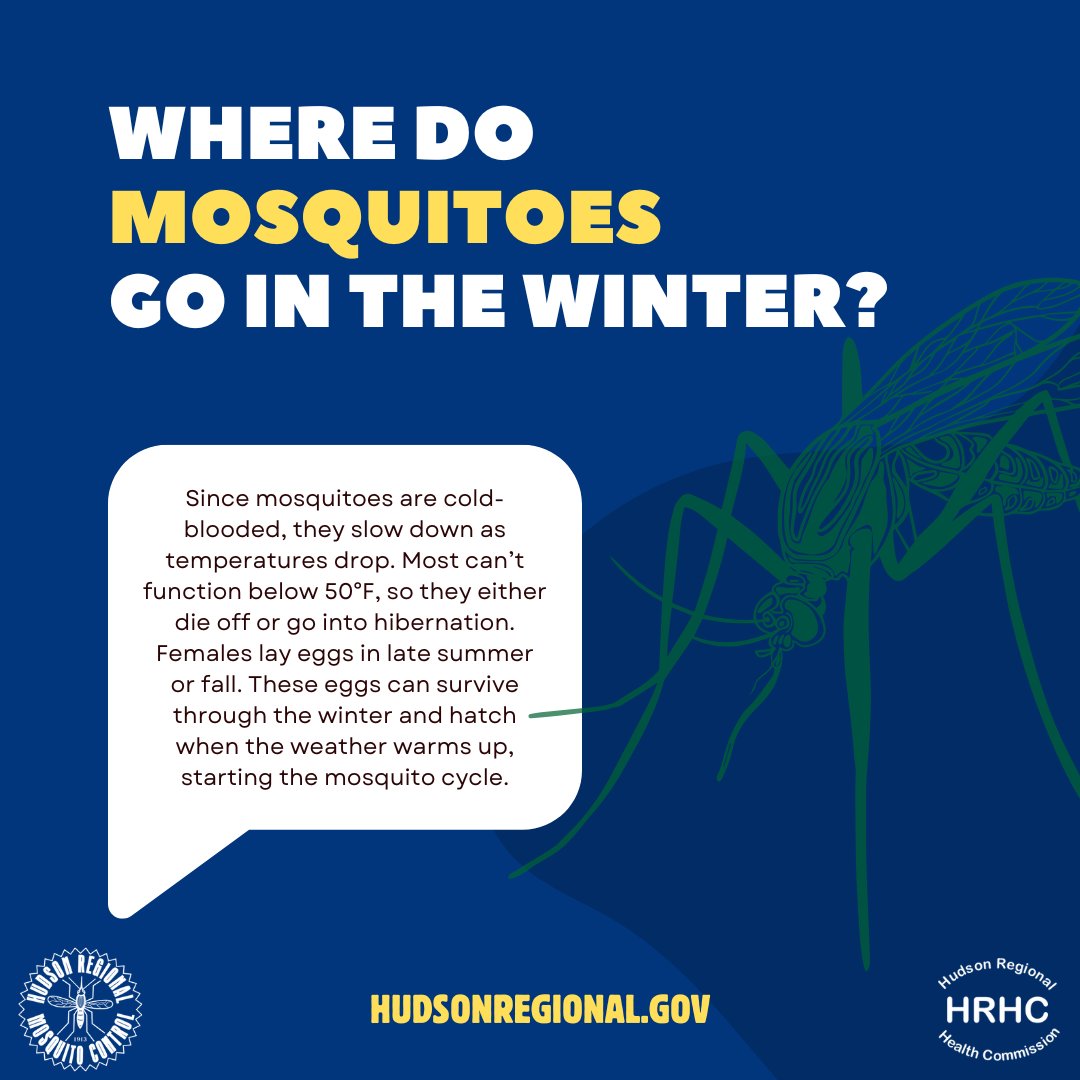
Credit: x.com
Mosquito Biology And Cold Tolerance
Mosquitoes are small insects that live in many places. They need warm weather to grow and survive well.
Cold weather can be hard for mosquitoes, but some can handle it better than others. This depends on their biology.
Mosquito Life Cycle
Mosquitoes have four life stages: egg, larva, pupa, and adult. Each stage needs different conditions.
Eggs can survive in dry or cold places for a while. Larvae and pupae live in water, which may freeze in cold weather. Adults usually die in freezing temperatures.
- Egg: laid near water, can survive cold for months
- Larva: lives in water, sensitive to freezing
- Pupa: also in water, vulnerable to cold
- Adult: flies and feeds, usually dies in frost
Temperature Sensitivity
Mosquitoes are cold-blooded and need warmth to move and grow. Low temperatures slow down their activity.
Most mosquitoes become inactive below 50°F (10°C). Freezing kills many adults and young mosquitoes.
- Above 70°F (21°C): Active and breeding
- 50-70°F (10-21°C): Slow movement and less feeding
- Below 50°F (10°C): Mostly inactive or dead
- Freezing (32°F/0°C): High death rate in larvae and adults
Species Variations
Some mosquito species survive cold better than others. They have special ways to handle winter.
For example, some lay eggs that can freeze without dying. Others find warm places to hide as adults.
- Aedes mosquitoes: eggs survive cold and dry conditions
- Culex mosquitoes: adults hibernate in warm shelters
- Anopheles mosquitoes: fewer survive cold, mostly in warm areas

Credit: maggiesfarmproducts.com
Behavioral Adaptations To Cold
Mosquitoes face many challenges in cold weather. They use behavior to survive the drop in temperature.
These adaptations help them stay safe and live through winter months.
Seeking Shelter
Mosquitoes find places protected from cold winds and frost. They hide in dark, moist areas.
- Under leaves and tree bark
- Inside hollow logs
- In animal burrows
- Near human structures like basements
Hibernation And Dormancy
Some mosquito species enter a state called diapause. This is like sleep during cold months.
| Stage | Behavior |
| Egg | Can survive freezing temperatures |
| Larva | Pause development in water |
| Adult | Lower metabolism and rest in shelters |
Migration Patterns
Some mosquitoes avoid cold by moving to warmer areas. They travel with the seasons.
- Detect temperature changes
- Fly to warmer climates
- Return when weather warms
Impact Of Cold On Mosquito Survival
Cold weather affects mosquitoes in many ways. Their survival depends on how low temperatures drop.
Understanding how cold impacts mosquitoes helps us know their activity and spread of diseases.
Freezing And Mortality Rates
Most adult mosquitoes cannot survive freezing temperatures. Ice crystals damage their cells.
When temperatures fall below zero Celsius, many mosquitoes die quickly. Some may hide to survive.
- Freezing causes physical damage to mosquito bodies.
- Cold slows down their metabolism before death.
- Few adults survive prolonged freezing without shelter.
Egg And Larvae Resistance
Mosquito eggs and larvae can survive colder temperatures better than adults. They enter a dormant state.
Eggs resist freezing by having tough outer layers. Larvae stay in water that freezes less quickly.
- Eggs remain safe in cold for weeks or months.
- Larvae survive in water under ice layers.
- Resistance helps mosquitoes reappear in spring.
Impact On Mosquito Population
Cold weather lowers mosquito numbers during winter. Many adults die, reducing population size.
Eggs and larvae survival allows populations to recover when warm weather returns.
- Cold reduces adult mosquito activity and spread.
- Populations shrink but do not vanish completely.
- Spring warmth triggers new mosquito growth.
Cold Weather And Disease Transmission
Mosquitoes are known to spread diseases like malaria and dengue. Cold weather affects their ability to survive and spread viruses.
This article explains how cold temperatures impact virus survival, disease patterns, and public health risks.
Effect On Virus Survival
Low temperatures can slow down virus activity inside mosquitoes. Some viruses survive longer in cold weather, while others die quickly.
Viruses need warm conditions to multiply fast. Cold weather reduces virus replication, lowering infection chances.
Seasonal Disease Patterns
- Disease cases drop in winter due to fewer mosquitoes.
- Warmer months see a rise in mosquito populations and virus spread.
- Some mosquito species hibernate or die off in cold weather.
- Climate changes can shift seasonal patterns and disease risks.
Public Health Implications
| Impact | Description |
| Reduced Transmission | Cold weather lowers mosquito activity and virus spread. |
| Surveillance Challenges | Tracking diseases is harder during cold seasons. |
| Preventive Measures | Focus on mosquito control before warm seasons. |
| Health Education | Inform communities about seasonal risks and protection. |
Preventing Mosquito Problems In Cold Climates
Mosquitoes usually do not survive well in cold weather. They become inactive or die when temperatures drop. Still, some species find ways to live through winter.
Preventing mosquito problems in cold climates needs good planning. People must protect their homes and work together in the community. Research also helps find new ways to control mosquitoes.
Home Protection Tips
Keep mosquitoes out of your home during cold months. Check windows and doors for holes. Use screens to block any gaps. Remove standing water where mosquitoes can breed.
Keep gutters clean and fix leaks. Store items like buckets and tires inside to stop water collection. Use mosquito repellents indoors if needed.
- Seal cracks around windows and doors
- Remove standing water in containers
- Clean gutters regularly
- Store outdoor items indoors
- Use indoor mosquito repellents safely
Community Control Measures
Communities can work together to reduce mosquito problems. Organize clean-up events to remove trash and standing water. Share information about mosquito control with neighbors.
Local authorities can help by treating public areas and monitoring mosquito populations. Community action lowers risks of mosquito-borne diseases in cold regions.
- Organize neighborhood clean-ups
- Share mosquito control tips locally
- Treat public spaces to reduce breeding
- Monitor mosquito activity regularly
Future Research Directions
Scientists study how mosquitoes survive cold weather. Research focuses on how to stop mosquitoes from living through winter. New tools and techniques may improve mosquito control.
Better understanding of mosquito behavior in cold climates will help. This knowledge can lead to safer, more effective ways to protect homes and communities.
- Study mosquito survival in cold weather
- Develop winter mosquito control methods
- Create safer mosquito repellents
- Improve community-based mosquito monitoring

Credit: www.mosquito-authority.com
Frequently Asked Questions
Can Mosquitoes Survive Freezing Cold Temperatures?
Mosquitoes cannot survive freezing temperatures. They enter a dormant state called diapause to survive cold. Eggs or larvae often overwinter in protected places, hatching when temperatures rise above 50°F (10°C).
How Do Mosquitoes Adapt To Cold Weather?
Mosquitoes adapt by entering diapause, slowing metabolism to conserve energy. They hide in insulated areas like soil, leaf litter, or indoors. This helps them survive until warmer weather returns.
Do Mosquitoes Remain Active During Winter?
Most mosquitoes are inactive in winter. Cold temperatures limit their activity and breeding. However, some species in mild climates may stay active year-round if conditions are suitable.
Can Cold Weather Kill Adult Mosquitoes?
Yes, prolonged exposure to cold kills adult mosquitoes. They are sensitive to frost and freezing conditions. Only eggs or larvae in protected environments typically survive winter cold.
Conclusion
Mosquitoes do not stay active in cold weather. They slow down or hide to survive. Some types lay eggs that wait for warmth. Cold winters help reduce mosquito numbers. Still, they can come back when it warms. Knowing this helps protect your home better.
Keep your surroundings clean to avoid mosquito breeding. Stay safe and enjoy the outdoors without worry.