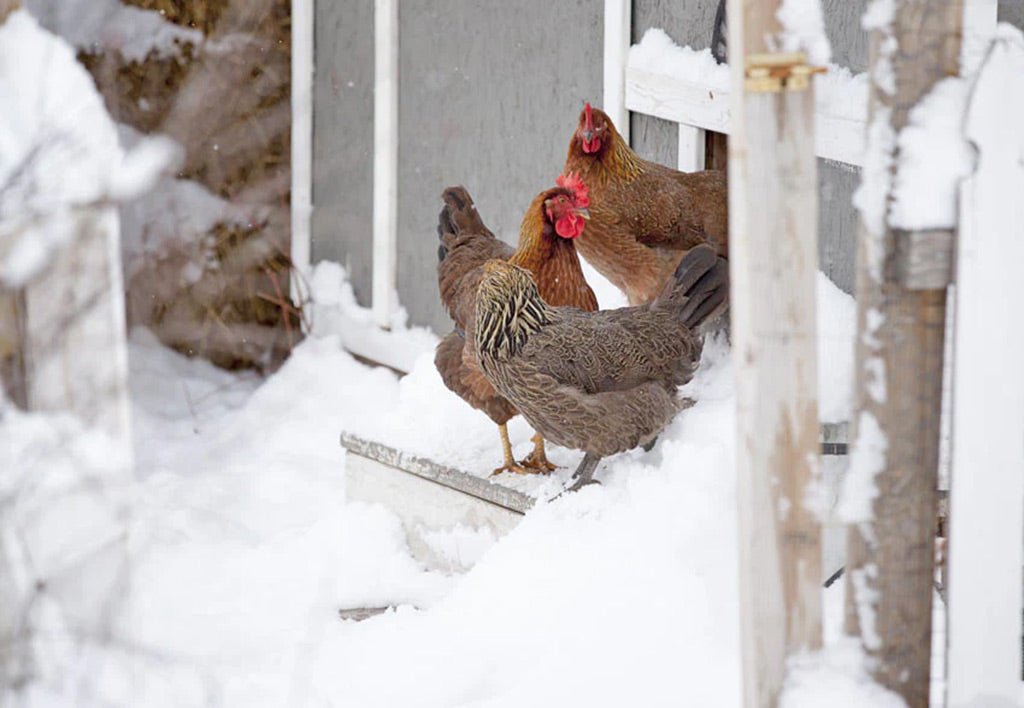
How Cold of Weather Can Chickens Survive in: Ultimate Survival Guide
Have you ever wondered just how cold it can get before your chickens start feeling the chill? As the temperature drops, you might find yourself asking if your feathered friends are truly equipped to handle the biting cold.
Understanding the limits of your chickens’ cold weather tolerance is crucial for their health and well-being. You wouldn’t want to risk their comfort or safety, right? Let’s uncover the truth about how cold it can really get before it becomes too much for your flock.
Stick around to learn the key factors that determine their cold weather survival and discover practical tips to keep your chickens cozy, even when the frost is nipping at your door.

Credit: www.chickencoopcompany.com
Chicken Cold Tolerance
Chickens can handle cold weather if they have the right care. Their ability to survive cold depends on many things.
Knowing how cold chickens can get helps keep them safe during winter. This guide explains key factors affecting cold tolerance.
Breed Differences
Some chicken breeds are better at handling cold than others. Heavy feathering and larger bodies help keep chickens warm.
Breeds from cold regions have natural protection. Light-feathered or tropical breeds may struggle in low temperatures.
- Orpingtons have thick feathers for cold climates
- Rhode Island Reds tolerate cold well
- Leghorns prefer warmer weather
- Siberian chickens are built for freezing conditions
Age And Health Factors
Young chicks and old chickens are less able to handle cold. Their bodies cannot keep warm easily.
Sick or weak chickens also have lower cold tolerance. Healthy chickens grow a thick winter coat of feathers.
- Chicks need extra heat below 50°F (10°C)
- Older birds need shelter from wind and moisture
- Healthy birds can survive colder temperatures
- Watch for signs of cold stress like shivering
Acclimation Process
Chickens get used to cold if it happens slowly. A gradual drop in temperature helps them grow more feathers.
Sudden cold snaps can be dangerous. Proper shelter and dry bedding help chickens stay warm during winter.
- Reduce heat slowly over weeks in fall
- Keep coop dry and draft-free
- Provide extra food for energy in cold
- Use deep bedding to insulate feet
Signs Of Cold Stress
Chickens can survive cold weather, but very cold temperatures cause stress. Knowing the signs helps you keep them safe.
Cold stress affects chicken behavior, body, and egg laying. Watch for changes to protect your flock.
Behavioral Changes
Cold-stressed chickens act differently. They try to save body heat by changing how they move and rest.
Chickens may huddle close together or stay still to keep warm. They might also eat less or stop roaming.
- Huddling tightly with other chickens
- Fluffing up feathers to trap heat
- Reduced movement and less activity
- Less interest in food and water
Physical Symptoms
Cold stress causes visible signs on a chicken’s body. Look for changes in skin, feathers, and posture.
Frostbite can appear on combs and feet. Feathers may look ruffled or wet. Chickens might shiver or shudder.
- Pale or dark combs and wattles
- Swollen or injured feet and toes
- Wet, ruffled, or missing feathers
- Shivering or trembling
Impact On Egg Production
Cold weather often lowers egg production. Chickens use energy to stay warm instead of laying eggs.
Eggs may be fewer and smaller. Some hens may stop laying until warmer weather returns.
- Reduced number of eggs laid
- Smaller egg size
- Hens may pause laying completely
- Longer time between eggs
Coop Preparation For Winter
Cold weather can be tough for chickens. Preparing the coop well helps them stay warm and healthy. Proper winter care keeps your flock safe.
Focus on insulation, ventilation, and draft prevention. These three areas make the biggest difference in coop comfort during winter.
Insulation Techniques
Insulation keeps heat inside the coop. Use materials that trap air and block cold wind. Add extra layers to walls and roof for best results.
- Install foam board insulation on walls
- Use straw or hay bales around the coop outside
- Seal gaps with weather stripping or caulk
- Place thick bedding like wood shavings inside
Ventilation Balance
Good ventilation removes moisture and ammonia without losing too much heat. Fresh air prevents respiratory problems in chickens.
| Ventilation Tip | Reason |
| Use small vents near the roof | Allows hot air to escape |
| Cover vents with hardware cloth | Keeps pests out |
| Keep vents clear of snow and debris | Maintains airflow |
| Avoid large open windows | Prevents heat loss |
Draft Prevention
Drafts cause cold spots that can harm chickens. Block drafts but keep some airflow to stop dampness.
Use these methods to stop drafts:
- Seal cracks around doors and windows
- Hang heavy curtains or tarps over openings
- Install door sweeps at the bottom of doors
- Place windbreaks like bushes or fences outside

Credit: milefour.com
Feeding Strategies In Cold Weather
Cold weather challenges chickens to stay warm and healthy. Feeding them right helps them survive harsh temperatures. Proper nutrition supports their body heat and energy needs.
Adjusting feeding habits during cold months keeps chickens strong. Use special diets, manage water, and offer warm treats to support their health.
High-energy Diets
Chickens need more calories in cold weather to keep warm. Give them feed with extra energy sources like grains and fats. This helps them burn fuel to produce body heat.
- Add cracked corn or oats for extra carbohydrates.
- Include vegetable oils or animal fats for more calories.
- Use layer pellets designed for winter with higher protein and energy.
- Provide access to scratch grains to encourage foraging and movement.
Water Management
Water is vital, but freezing is a problem in cold weather. Chickens need fresh, unfrozen water to stay healthy and eat well. Check and refill their water supply often.
| Tip | How to Manage |
| Prevent freezing | Use heated waterers or place water inside the coop. |
| Keep clean | Change water daily to avoid ice and dirt buildup. |
| Provide enough | Offer water near all feeding areas to encourage drinking. |
Supplemental Warm Treats
Warm treats help chickens feel cozy and encourage eating. These foods provide extra warmth and comfort during cold days and nights.
- Serve warm cooked grains like oatmeal or rice.
- Offer steamed vegetables such as carrots or squash.
- Give warm broth or soup made from chicken-safe ingredients.
- Avoid cold or frozen treats that lower body temperature.
Protecting Chickens From Extreme Cold
Chickens can survive cold weather if you protect them well. Their feathers keep them warm, but very low temperatures need extra care.
Cold weather can cause stress and health problems for your flock. Use good methods to keep them safe and warm.
Heat Sources
Heat sources help keep the chicken coop warm during cold nights. Use safe and effective ways to add warmth.
- Use heat lamps designed for poultry to avoid fire hazards.
- Install heated pads on roosting bars for extra warmth.
- Place warm water bottles wrapped in towels inside the coop.
- Use insulated waterers to prevent water from freezing.
- Never use open flame heaters inside the coop.
Emergency Shelter Options
In extreme cold, chickens need a shelter that blocks wind and keeps heat inside. You can create quick shelters if needed.
| Option | Description | Advantages |
| Insulated Coop | Well-built coop with insulation | Keeps stable temperature, long-term use |
| Portable Shelter | Small, moveable enclosed space | Easy to set up and relocate |
| Blanket Cover | Thick blankets or tarps over coop | Blocks wind, quick solution |
| Straw or Hay Bedding | Deep bedding on floor and around coop | Provides warmth and comfort |
Handling Frostbite
Frostbite can happen in very cold weather. It usually affects combs, wattles, and feet. Early care helps chickens heal.
- Move affected chickens to a warm, dry place.
- Gently warm frozen areas with warm water, not hot.
- Do not rub frostbitten skin to avoid damage.
- Apply antibiotic ointment to prevent infection.
- Keep chickens indoors until fully healed.
Common Winter Hazards
Cold weather can be tough on chickens. They face many risks during winter. Knowing these dangers helps keep them safe and healthy.
This section covers the common hazards chickens face in cold weather. We look at ice and snow, predators, and breathing problems.
Ice And Snow Risks
Ice and snow create slippery surfaces. Chickens can fall and hurt themselves. Wet feathers from snow cause cold stress. Frozen water stops them from drinking.
- Slippery ground can cause injuries.
- Snow can soak feathers and lower body heat.
- Frozen water limits drinking options.
- Ice can block coop doors and vents.
Predator Concerns
Winter nights are longer and darker. Predators hunt more at night. Chickens are more vulnerable in cold weather because they move slower.
| Predator | Common Signs | Protection Tips |
| Fox | Tracks near coop | Secure fencing and locks |
| Raccoon | Damaged feeders | Close coop doors at night |
| Weasel | Small holes in coop | Repair coop gaps |
Respiratory Issues
Cold, damp air causes breathing problems. Dust inside the coop can worsen these issues. Poor ventilation traps moisture and germs.
- Coughing and sneezing
- Gasping for air
- Runny nose
- Swollen eyes
Keep coops dry and clean to reduce risks.
Monitoring And Care During Cold Spells
Cold weather can challenge your chickens’ health. Careful monitoring helps keep them safe. You must check their condition every day.
Adjusting routines during cold spells improves their comfort. Knowing when to call a vet can save lives.
Daily Health Checks
Check your chickens each day for signs of cold stress. Look for shivering, lethargy, or pale combs. Make sure they are eating and drinking well.
- Observe behavior changes like huddling or inactivity
- Check feathers for dampness or frostbite
- Look at droppings for unusual color or consistency
- Ensure water is not frozen
Adjusting Care Routines
Change feeding and shelter routines to protect chickens from cold. Give extra food to help them stay warm. Keep bedding dry and add more if needed.
| Care Task | Action |
| Feeding | Increase high-energy feed amounts |
| Water | Check and replace frequently to prevent freezing |
| Shelter | Block drafts and add insulation |
| Bedding | Keep dry and add fresh straw or wood shavings |
| Lighting | Use safe heat lamps if needed |
When To Seek Veterinary Help
Call a vet if chickens show serious cold stress signs. Look for trouble breathing, swollen feet, or open wounds. Early care prevents illness from worsening.
- Persistent shivering or weakness
- Loss of appetite over two days
- Signs of frostbite like blackened combs or toes
- Respiratory distress or coughing

Credit: www.reddit.com
Frequently Asked Questions
How Cold Can Chickens Tolerate Safely?
Chickens can safely tolerate temperatures as low as 20°F (-6°C) if well sheltered. Proper coop insulation and dry bedding help prevent frostbite and stress. Sudden drops below freezing require extra care to keep them warm and healthy.
What Are Signs Of Cold Stress In Chickens?
Cold-stressed chickens may huddle, fluff feathers, and reduce activity. You might notice pale combs or frostbite on extremities. Decreased egg production and lethargy are also common. Early detection helps prevent serious health issues.
How To Protect Chickens In Freezing Weather?
Provide a draft-free, insulated coop with fresh bedding. Use heat lamps cautiously to avoid fire risks. Ensure constant access to unfrozen water and nutritious feed to maintain their energy and warmth. Regularly check for signs of cold stress.
Can Chickens Survive Snow And Ice Conditions?
Yes, chickens can survive snow and ice if sheltered properly. Snow acts as insulation when they are inside a dry, warm coop. Allow limited supervised outdoor time to prevent frostbite and keep them safe from predators.
Conclusion
Chickens can survive cold weather if cared for properly. They need shelter, dry bedding, and enough food. Cold stress affects their health and egg production. Protecting them from wind and moisture is key. Watch for signs of frostbite or illness.
Simple steps help chickens stay warm and safe. Knowing their limits helps you keep them healthy. Cold weather care makes a big difference in their life. Keep your chickens comfortable, no matter how cold it gets.