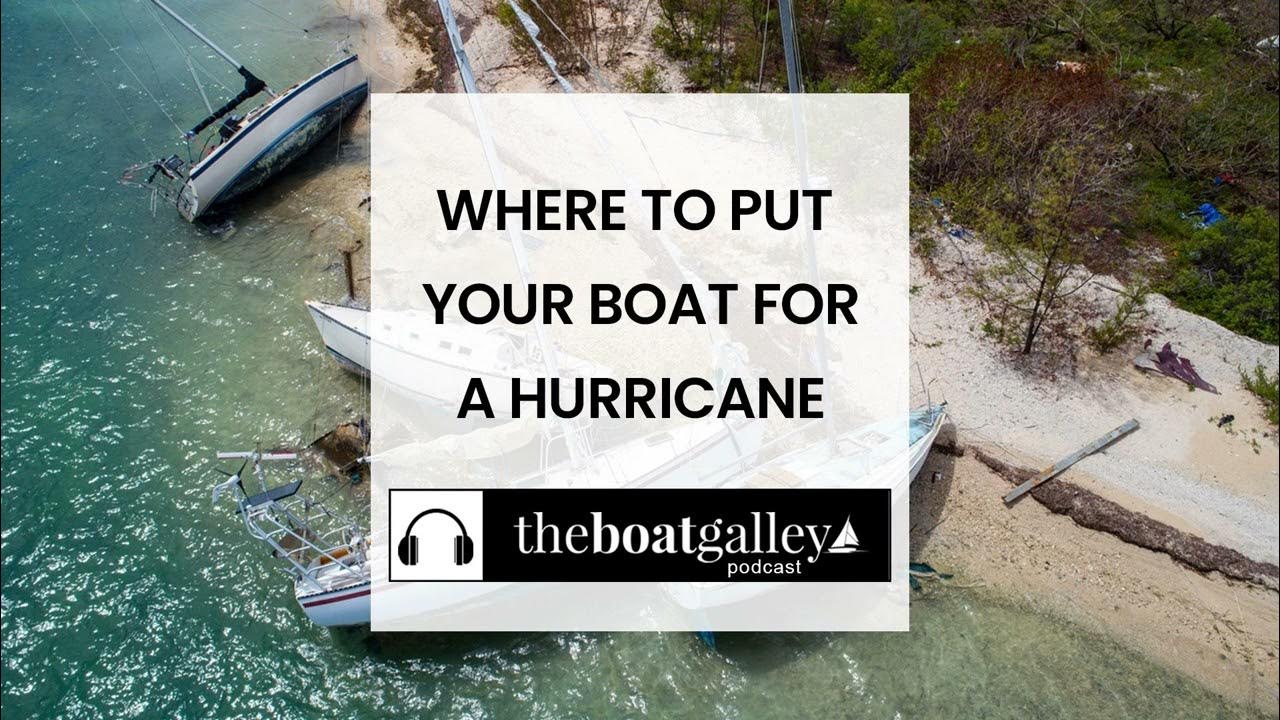
Can You Survive a Hurricane in a Boat: Essential Safety Tips
Ever wondered what it would be like to face a hurricane while aboard a boat? It’s a thought that might send shivers down your spine.
You might picture towering waves, howling winds, and a sense of being at nature’s mercy. But what if you found yourself in this exact situation? Could you survive a hurricane in a boat? This question is not just about the thrill of adventure; it’s about understanding the real risks and preparing for the unexpected.
Your life could depend on the decisions you make. Whether you’re a seasoned sailor or just curious, knowing what to do could be the difference between life and death. So, let’s dive into the heart of the storm and uncover what it truly takes to survive a hurricane while at sea. Stick around, because what you learn here might just save your life.
Hurricane Risks At Sea
Hurricanes are dangerous storms that form over warm ocean waters. They bring strong winds, heavy rain, and large waves. Being at sea during a hurricane is very risky for any boat.
Boaters must understand these risks to stay safe. Knowing how storm intensity affects boats and the common dangers at sea helps prepare for such events.
Storm Intensity And Boat Vulnerability
Hurricanes have different categories based on wind speed and damage potential. The stronger the storm, the harder it hits the sea and boats on it.
| Hurricane Category | Wind Speed (mph) | Boat Risk Level |
|---|---|---|
| Category 1 | 74-95 | High |
| Category 2 | 96-110 | Very High |
| Category 3 | 111-129 | Severe |
| Category 4 | 130-156 | Extreme |
| Category 5 | 157+ | Catastrophic |
Smaller boats face more danger because strong winds and waves can easily capsize them. Even large boats can suffer damage or lose control in severe storms.
Common Dangers Faced By Boaters
Boaters encounter many dangers during a hurricane. Awareness of these risks helps in planning and survival.
- High waves that can overturn or damage the boat
- Strong winds that make steering very difficult
- Heavy rain reducing visibility and causing flooding
- Electrical failures from water damage
- Collisions with debris or other vessels
- Loss of communication with rescue services
- Hypothermia from cold water if thrown overboard

Credit: www.morganscloud.com
Preparing Your Boat
Getting your boat ready before a hurricane is very important. Proper preparation can help protect your boat and increase your chances of survival.
Focus on making your boat strong and securing all needed equipment and supplies. This helps keep your boat safe during strong winds and waves.
Securing Equipment And Supplies
Make sure all your equipment and supplies are safe and easy to reach. Loose items can cause injury or damage during rough seas.
Store important supplies in waterproof containers. This keeps them dry and usable when you need them most.
- Secure all loose gear with ropes or straps
- Keep life jackets and emergency kits accessible
- Store food and water in sealed containers
- Check that communication devices are charged and working
- Keep extra fuel and tools on board
Strengthening The Vessel
Make your boat stronger by checking the hull, windows, and fittings. Fix any weak spots before the storm hits.
Use additional ropes and anchors to keep the boat in place. This reduces the risk of drifting or capsizing.
- Inspect hull for cracks or damage
- Seal all windows and hatches tightly
- Reinforce railings and deck fittings
- Use heavy-duty anchors with extra lines
- Remove or secure sails and loose rigging
Weather Monitoring Techniques
Watching the weather is very important if you plan to stay safe during a hurricane. Good weather monitoring helps you know when to act fast.
There are ways to keep track of storms and get updates from trusted sources. These help you stay prepared while on a boat.
Using Reliable Forecast Sources
Use trusted weather websites and apps to get clear storm updates. These sources give accurate and current information.
Listen to weather radios for emergency alerts. These radios work even if phones lose signal.
- National Weather Service (NWS)
- Local government weather updates
- NOAA Weather Radio
- Trusted weather apps on mobile phones
Tracking Storm Movements
Track the storm’s path using maps and radar images. Watch how the storm moves to plan your actions.
Check the storm’s speed and direction often. This helps you avoid being caught by surprise.
- Look at satellite images for storm shape and size
- Follow radar updates for rain and wind changes
- Note the storm’s eye location
- Track official storm warnings and watches

Credit: theboatgalley.com
Evacuation And Shelter Strategies
Facing a hurricane while on a boat is very dangerous. Knowing when to leave and where to shelter can save your life. It is important to plan your evacuation and find safe places to protect your boat.
This guide explains key points about when to leave the boat and how to find safe harbors or marinas during a hurricane.
When To Leave The Boat
You should leave your boat well before the hurricane arrives. Waiting too long puts you at great risk. The storm can cause high winds and waves that can destroy your boat or trap you on board.
- Monitor weather reports for hurricane warnings.
- Plan to leave at least 48 hours before the storm hits.
- Prepare your boat by securing loose items and shutting off fuel lines.
- Move your boat to a safer location if possible.
- Evacuate to solid ground and follow local emergency instructions.
Safe Harbors And Marinas
Choosing the right harbor or marina is critical for sheltering your boat. Not all locations provide enough protection from hurricanes. You must know which places offer safety and follow marina rules.
| Harbor Type | Protection Level | Notes |
| Natural Deep Harbor | High | Good wave and wind protection |
| Man-made Marina | Medium | Secure docks but may flood |
| Open Anchorage | Low | Exposed to waves and wind |
| Dry Storage Yard | High | Boat stored on land, very safe |
Survival Gear Essentials
Surviving a hurricane while on a boat is very dangerous. Proper survival gear can save your life. You need to prepare well before the storm.
Essential gear helps you stay safe and communicate with rescuers. It also keeps you ready for emergencies on the water.
Life Jackets And Safety Devices
Life jackets are the most important safety gear on a boat. They keep you afloat if you fall into the water. Make sure everyone on board has a properly fitted life jacket.
Other safety devices include throwable flotation cushions and safety harnesses. These devices help keep you secure and increase your chances of survival during rough seas.
- Wear a life jacket at all times
- Carry throwable flotation devices
- Use safety harnesses to stay attached to the boat
- Keep flares and signaling mirrors ready
Communication Tools And Emergency Kits
Communication tools are vital for calling for help. A marine radio helps you contact the coast guard. Carry extra batteries or a hand-crank radio for power.
An emergency kit should include first aid supplies, water, and non-perishable food. Keep a waterproof flashlight and extra clothing in your kit. These items help you survive until rescue arrives.
- VHF marine radio for emergency calls
- Extra batteries or hand-crank radio
- Waterproof flashlight
- First aid kit
- Non-perishable food and water
- Extra clothing and blankets
Handling The Storm At Sea
Surviving a hurricane in a boat is very dangerous. The sea becomes wild and unpredictable.
Knowing how to handle the storm can increase your chances of survival. Stay calm and focused.
Navigating Rough Waters
Hurricanes create huge waves and strong winds. These conditions make steering your boat very hard.
Keep your bow facing into the waves to reduce the chance of capsizing. Avoid side waves that can tip the boat.
- Use slow and steady speed to control the boat
- Keep a lookout for sudden large waves
- Adjust your course slightly to meet waves at an angle
Maintaining Stability And Control
Keep your weight balanced to prevent the boat from tipping. Move carefully and avoid sudden shifts.
Use all available equipment like bilge pumps to remove water. Stay alert to changes in the storm’s strength.
- Secure all loose items to keep the boat steady
- Keep the engine running to maintain control
- Use safety gear like life jackets at all times
Post-hurricane Actions
Surviving a hurricane in a boat is just the start. After the storm, you must act quickly and carefully. Your safety depends on what you do next.
Knowing how to check for damage and get help is very important. This guide covers what to do after the hurricane passes.
Assessing Damage
First, check your boat for damage. Look for holes, cracks, or broken parts. Check if the engine and steering work. Also, inspect safety gear like life jackets.
- Check the hull for cracks or leaks.
- Test the engine and fuel system.
- Inspect the steering and controls.
- Look over the sails and rigging if applicable.
- Make sure all safety gear is intact and accessible.
Seeking Rescue And Assistance
If your boat is damaged or you cannot navigate safely, call for help. Use your radio or phone to contact rescue teams. Stay calm and give clear information.
| Action | Details |
| Use VHF Radio | Call the coast guard or local rescue. |
| Send Distress Signals | Use flares, horn, or lights to attract attention. |
| Stay Visible | Keep your boat in clear sight and avoid moving unnecessarily. |
| Prepare to Abandon Ship | Have life jackets ready and know how to use your life raft. |

Credit: www.isabellayachtsphuket.com
Frequently Asked Questions
Can You Survive A Hurricane While On A Boat?
Surviving a hurricane on a boat is extremely risky and not recommended. Strong winds and massive waves can easily capsize vessels. Safety is best ensured by avoiding storms and seeking shelter on land well before the hurricane arrives.
What Safety Measures Should Boats Take Before A Hurricane?
Boats should be securely anchored or moved to a hurricane-safe marina. Remove sails, secure loose equipment, and double-check all lines. It’s crucial to stay informed about weather updates and follow evacuation orders promptly for safety.
Is It Safer To Stay On A Boat Or Evacuate During A Hurricane?
Evacuating to a sturdy shelter on land is safer. Boats face severe hazards like flooding, strong winds, and debris. Authorities always recommend evacuating early to minimize risk and ensure personal safety during hurricanes.
How Do Hurricanes Affect Boats At Sea?
Hurricanes create massive waves, violent winds, and poor visibility, making navigation nearly impossible. These conditions can damage boats, cause capsizing, or lead to collisions. Boats caught at sea during hurricanes face life-threatening dangers.
Conclusion
Surviving a hurricane in a boat is very risky and not recommended. Strong winds and huge waves can easily damage or capsize boats. Safety depends on preparation, location, and the boat’s condition. Always follow weather warnings and evacuation orders carefully.
Finding a safe place on land is the best choice during hurricanes. Taking risks on water puts lives in danger. Stay informed, stay safe, and respect nature’s power. Remember, no boat is built to handle a strong hurricane. Your safety should always come first.