Can Turkeys Survive Cold Weather: Essential Survival Facts Revealed
As the frosty air starts to nip at your nose and the world around you prepares for winter, you might find yourself wondering about the wildlife that shares this chilly season with you. One question that might pop into your mind is: can turkeys survive cold weather?
These fascinating birds are more resilient than you might think, but how exactly do they manage to brave the freezing temperatures? By understanding their survival tactics, you can gain a deeper appreciation for these remarkable creatures and their ability to thrive even when the mercury drops.
Keep reading to uncover the secrets of how turkeys endure the cold and discover surprising facts that will make you see these birds in a whole new light.
Credit: realtree.com
Turkey Adaptations For Cold
Turkeys live in places that can get very cold. They have special ways to stay warm during winter. These adaptations help them survive in cold weather.
Understanding how turkeys stay warm shows how animals adjust to their environment. Their bodies and behaviors work together to keep them safe.
Feather Insulation
Turkeys have thick feathers that trap heat close to their bodies. These feathers act like a warm blanket. They keep cold air out and body heat in.
Feathers can fluff up to create air pockets. This extra layer of air helps stop heat loss. It is very important when the temperature drops.
- Outer feathers block wind and rain
- Down feathers close to the skin trap heat
- Fluffed feathers increase insulation
Body Fat Reserves
Turkeys build up fat under their skin before winter comes. This fat acts as extra insulation. It helps keep their body heat from escaping.
Fat also stores energy. When food is scarce in cold months, this energy helps turkeys survive. It is like a backup power supply.
- Fat layers reduce heat loss
- Stores energy for cold days
- Helps turkeys stay active in winter
Behavioral Adjustments
Turkeys change their behavior to stay warm. They find shelter from wind and cold. They also group together to share body heat.
During the cold, turkeys reduce their activity. This helps save energy. They also look for food that gives them more calories.
- Seek shelter in dense trees or bushes
- Huddle together to keep warm
- Limit movement to save energy
- Eat high-energy foods like seeds and nuts

Credit: iawildlife.org
Impact Of Extreme Cold
Turkeys can face many problems in very cold weather. Their bodies work harder to stay warm. This can cause stress and health issues.
Cold weather changes how turkeys eat and drink. It also makes them more vulnerable to sickness.
Health Risks
Extreme cold can cause frostbite on turkeys’ feet and combs. It can also weaken their immune system. This makes it easier for them to catch diseases.
Cold stress can lower their energy and slow growth. Turkeys may become less active and more tired in freezing weather.
- Frostbite on exposed skin parts
- Weakened immune response
- Lower energy and activity
- Higher risk of illness
Food And Water Challenges
Cold weather makes it hard for turkeys to find fresh water. Water can freeze quickly, causing dehydration. They need more food to keep warm.
Frozen ground can limit access to natural food. Turkeys rely more on stored feed during cold spells. Providing extra food helps them survive.
- Water freezes and becomes unavailable
- Higher food needs for warmth
- Limited natural food sources
- Need for extra feed during cold
Habitat And Shelter Needs
Turkeys face cold weather by finding or making shelter. Their habitat plays a big role in how well they survive winter. Proper shelter helps turkeys stay warm and safe.
In this section, we look at natural shelters turkeys use. Then we explore human-made protection options to support them during cold weather.
Natural Shelters
Wild turkeys use natural features for shelter during cold days. Trees and dense bushes help block wind and snow. They often roost in tall trees at night to avoid ground cold.
- Evergreen trees provide year-round cover and windbreaks
- Thick brush offers hiding places from predators
- Hollow logs and rock crevices create small windproof spots
- South-facing slopes catch more sunlight, warming the area
- Natural leaf litter on the ground helps insulate against cold
Human-made Protection
Humans can help turkeys survive cold by providing shelters. These protect turkeys from harsh winds and heavy snow. Simple structures can make a big difference.
| Type of Shelter | Description | Benefits |
|---|---|---|
| Wooden Shelters | Small, roofed enclosures with open sides | Blocks wind and snow, easy to clean |
| Brush Piles | Stacked branches and leaves | Natural cover, cheap to build |
| Roosting Boxes | Elevated boxes with perches inside | Keeps turkeys off cold ground, protects from predators |
| Windbreak Fences | Solid fences placed to block wind | Reduces wind chill around feeding areas |
Feeding Strategies In Winter
Turkeys face cold weather challenges that affect their feeding habits. They need more energy to stay warm during winter.
Finding food becomes harder because snow covers many natural sources. Turkeys use special strategies to survive.
Foraging Techniques
Turkeys search for food by scratching the ground under the snow. They look for seeds, nuts, and insects.
They use their strong legs to move snow and reach hidden food. Turkeys often feed in groups to find more food.
- Scratch snow to uncover seeds and nuts
- Peck at bark to find insects
- Feed in flocks to increase food finding
Supplemental Feeding
People can help turkeys by providing extra food during winter. This helps turkeys keep their energy up.
Common supplemental foods include corn, grains, and sunflower seeds. Feeding stations should be placed in safe areas.
- Provide cracked corn or whole grains
- Use sunflower seeds for extra energy
- Place feeders away from predators
Breeding And Cold Weather
Turkeys can survive cold weather if they have the right care. Breeding turkeys in cold climates needs special attention.
Cold weather affects turkey nesting and raising chicks. Farmers must protect turkeys from harsh conditions.
Nesting In Low Temperatures
Turkeys still build nests when it is cold outside. They need safe, warm places to lay eggs.
Use straw or dry leaves to keep nests warm. Avoid wet or drafty areas that can chill eggs.
- Choose sheltered spots for nests
- Add extra bedding for warmth
- Check nests often for damage
Raising Chicks Safely
Baby turkeys need extra care in cold weather. Keep chicks dry and warm to help them grow strong.
Use heat lamps or brooders to keep chicks warm. Make sure their bedding stays clean and dry.
- Provide steady heat near chicks
- Change bedding regularly
- Keep food and water fresh
- Protect chicks from wind and rain
Signs Of Cold Stress In Turkeys
Turkeys can face serious problems in cold weather. It is important to know the signs that show they are under cold stress. These signs help you take action to keep them safe and healthy.
Cold stress affects turkeys in two main ways: behavior and physical health. Recognizing these signs early can prevent illness and loss.
Behavioral Indicators
When turkeys feel cold, their behavior changes. Watching these changes can warn you about cold stress.
- Huddling close together to share body heat
- Reduced movement and activity
- Fluffed feathers to trap warmth
- Shivering or trembling
- Less eating and drinking than usual
- Seeking shelter or hiding more often
Physical Symptoms
Cold stress also shows in a turkey’s body. Look for these physical signs to check their health.
| Symptom | Description |
| Frostbite | Discolored or blackened skin, especially on comb and feet |
| Swelling | Inflamed areas on the skin or feet |
| Weakness | Low energy and difficulty standing or walking |
| Rapid breathing | Breathing faster than normal to keep warm |
| Dehydration | Dry eyes and sunken skin |
| Weight loss | Loss of body weight from poor feeding |
Tips For Helping Turkeys Survive
Turkeys can handle cold weather if they get the right care. Providing shelter and proper food helps them stay healthy.
Here are some tips to help turkeys survive cold days and nights.
Providing Shelter
Turkeys need a dry and warm place to rest during cold weather. A shelter blocks wind and rain to keep them safe.
Use straw or wood shavings for bedding. Make sure the shelter has good air flow but no drafts.
- Build a covered coop with walls on all sides
- Keep bedding dry and clean
- Check shelter daily for damage or cold spots
Ensuring Food And Water Access
Turkeys need steady food and water to keep warm. Cold weather raises their energy needs.
Make sure food is fresh and easy to reach. Water should not freeze so turkeys can drink anytime.
- Feed high-energy grains like corn or oats
- Use heated waterers or change water often
- Place food and water inside or near shelter
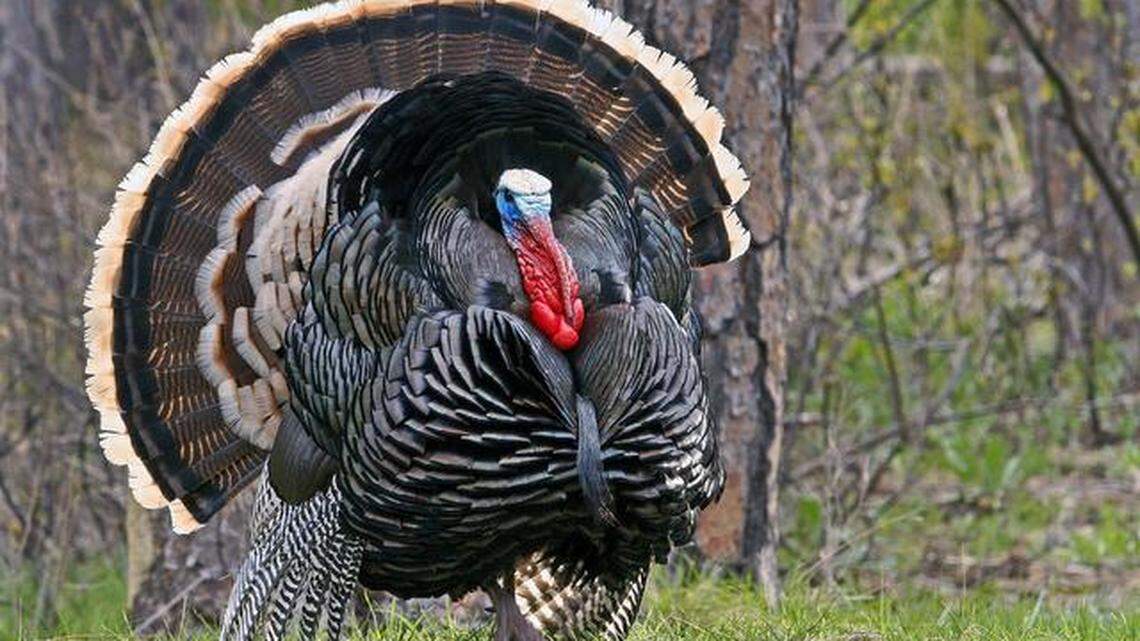
Credit: www.bellinghamherald.com
Frequently Asked Questions
Can Turkeys Handle Freezing Temperatures?
Yes, turkeys can tolerate cold weather by fluffing their feathers to trap heat. They grow thicker plumage in winter to stay warm and reduce heat loss.
What Shelter Do Turkeys Need In Cold Weather?
Turkeys need dry, windproof shelters to protect from harsh cold. A well-ventilated coop with straw bedding helps maintain warmth and prevents frostbite.
How Does Cold Weather Affect Turkey Feeding Habits?
Turkeys eat more during cold spells to generate body heat. Providing extra food and fresh water ensures they maintain energy and stay healthy.
Can Wild Turkeys Survive Harsh Winters?
Wild turkeys survive winters by roosting in trees and foraging for food. They adapt behaviorally and physiologically to endure cold temperatures outdoors.
Conclusion
Turkeys can survive cold weather with the right care. Their feathers keep them warm and dry. They find shelter to stay safe from wind and snow. Feeding them well helps keep their energy high. Watching their behavior shows if they need extra help.
Cold weather is tough but not impossible for turkeys. With simple steps, they stay healthy through winter. Keep them warm, fed, and protected to help them thrive. Survival depends on care, not just nature. Turkeys are strong and can handle cold with support.