How Did Japan Survive Hurricanes: Secrets to Resilient Strength
Imagine living in a country where powerful hurricanes, known locally as typhoons, are a regular visitor. Yet, Japan not only survives these massive storms but often comes out stronger.
How do they do it? The secret lies in a blend of ancient wisdom and cutting-edge technology. If you’ve ever wondered how you can protect your own home or community from natural disasters, you’re about to discover strategies that might surprise you.
This article will reveal the innovative techniques and cultural practices that help Japan weather these formidable storms. Keep reading to uncover the lessons that could transform how you view and prepare for the forces of nature.

Credit: yaleclimateconnections.org
Japan’s Hurricane History
Japan faces many hurricanes every year. These storms bring strong winds and heavy rain. They often cause damage to homes and roads.
Despite this, Japan has learned to live with hurricanes. The country has built strong defenses and warning systems.
Major Past Hurricanes
Several major hurricanes have hit Japan in the past. These storms caused great destruction and loss.
- Typhoon Vera (1959) – One of the deadliest, with over 5,000 deaths.
- Typhoon Mireille (1991) – Caused severe damage to homes and crops.
- Typhoon Jebi (2018) – Strong winds damaged airports and bridges.
- Typhoon Hagibis (2019) – Heavy rain led to widespread flooding.
Impact On Communities
Hurricanes affect communities in many ways. People can lose their homes and power. Farms and businesses may also suffer.
| Impact Type | Effect |
| Homes | Destroyed or flooded |
| Roads and Bridges | Damaged or blocked |
| Power Supply | Outages lasting days |
| Farms | Crop loss and soil erosion |
| Communications | Phone and internet disruptions |
Advanced Early Warning Systems
Japan faces many hurricanes every year. These storms can cause serious damage. The country uses advanced early warning systems to stay safe.
These systems help people prepare early. They reduce harm and save lives during hurricanes.
Meteorological Technology
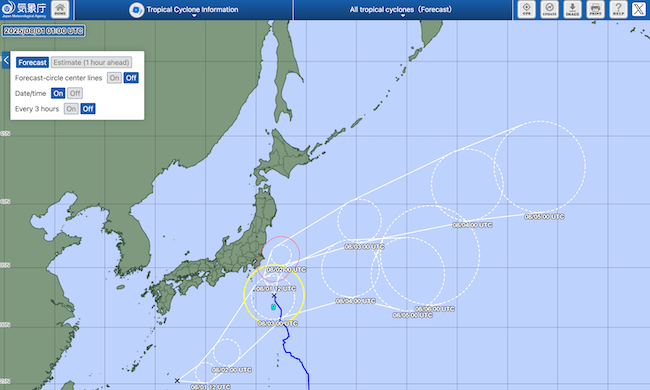
Japan uses modern technology to track hurricanes. Satellites watch storms from space. Radar systems monitor rain and wind closely.
Weather centers use computer models to predict storm paths. This helps give accurate warnings days before a hurricane hits.
- Satellites provide real-time images
- Radar detects storm intensity and movement
- Computer models forecast hurricane routes
- Data updates happen every few minutes
Community Alerts
Japan sends alerts through many channels. People get warnings on phones, TV, and radios. Local governments use loudspeakers too.
These alerts tell people when to evacuate or stay indoors. Communities practice drills to respond quickly to warnings.
- Mobile phone alerts reach many people fast
- TV and radio broadcasts provide detailed updates
- Loudspeakers warn those outdoors
- Community drills prepare residents for action
Robust Infrastructure Design
Japan faces typhoons and hurricanes every year. Its strong infrastructure helps reduce damage.
Careful planning and building practices protect homes and cities from powerful storms.
Building Codes And Standards
Japan has strict building codes to keep structures safe during hurricanes. These codes focus on wind resistance and earthquake safety.
- Use of reinforced concrete and steel frames
- Design buildings to withstand strong winds
- Secure roofs and windows against flying debris
- Regular inspections and updates of old buildings
- Special rules for coastal and flood-prone areas
Flood Control Measures
Flood control is key to surviving hurricanes. Japan uses many methods to manage heavy rains and rising water.
| Flood Control Method | Description |
| Levees and Dikes | Barriers that stop rivers from overflowing |
| Floodgates | Close to block water from entering cities |
| Drainage Systems | Channels and pumps to remove excess water quickly |
| Retention Ponds | Areas to store rainwater temporarily |
| Early Warning Systems | Alerts to prepare people before floods arrive |
Disaster Preparedness Culture
Japan faces hurricanes often, but it stays safe through strong preparation. The country builds a culture where everyone knows what to do. This culture helps reduce damage and save lives.
People in Japan learn about hurricanes from a young age. They practice safety and follow clear rules. This readiness is part of daily life.
Public Education Programs
Schools and communities teach people about hurricane risks. They share easy steps to stay safe before and during storms. Lessons use simple language and pictures.
Programs focus on how to prepare homes and gather supplies. They also teach how to listen to weather updates and warnings. Children and adults join these classes.
- How to build emergency kits
- Safe evacuation routes
- Understanding warning signals
- Protecting homes from strong winds
Regular Drills And Training
Communities hold drills to practice what to do in a hurricane. These drills help people act quickly and calmly during real storms. Schools, offices, and neighborhoods join these trainings.
Emergency workers train often to improve rescue skills. Drills include evacuation, first aid, and communication practice. This training keeps everyone ready and confident.
- Evacuation route practice
- Emergency shelter setup
- First aid and rescue drills
- Communication tests during storms
Government And Community Coordination
Japan faces many hurricanes every year. The country stays safe through strong teamwork. The government and local people work closely. They plan and act fast to protect lives and homes.
This teamwork is built on clear plans and many helping hands. Together, they prepare for storms and respond during emergencies.
Emergency Response Plans
The Japanese government creates detailed emergency plans. These plans show what to do before, during, and after a hurricane. They include clear steps for rescue and safety.
- Early warning systems alert people quickly.
- Evacuation routes are marked and kept clear.
- Emergency shelters are set up in safe locations.
- Rescue teams are ready to help at any time.
- Communication lines stay open for updates.
Volunteer Networks
Volunteers play a big role in helping during hurricanes. They support the government and help neighbors. These networks train regularly to stay ready.
| Volunteer Role | Task |
| Emergency Aid | Provide first aid and support at shelters |
| Communication | Share information between community and officials |
| Cleanup | Help clear debris and repair homes |
| Logistics | Distribute food, water, and supplies |
Innovations In Technology
Japan faces many hurricanes every year. The country uses new technology to stay safe. These tools help predict storms and protect people.
Technology also helps keep power on and recover quickly after a storm. Japan’s smart systems save lives and reduce damage.
Real-time Data Monitoring
Japan uses sensors and satellites to watch hurricanes as they form. This data updates every minute. It helps officials make fast decisions.
People get alerts through phones and TV. This early warning system gives time to prepare or evacuate. It reduces risk and saves lives.
- Weather satellites track storm paths
- Ground sensors measure wind and rain
- Data centers analyze information quickly
- Emergency alerts reach citizens fast
Resilient Energy Systems
Japan builds strong energy systems to handle hurricanes. Power lines are underground or made to resist strong winds. This lowers outages.
Backup power from batteries and solar panels helps hospitals and shelters stay open. These systems keep critical services working during storms.
- Underground power cables reduce damage
- Wind-resistant poles and towers
- Solar panels with battery storage
- Quick repair teams ready after storms
Lessons For Other Nations
Japan faces many hurricanes every year. The country has strong ways to protect its people and property. Other nations can learn from Japan’s experience.
Understanding Japan’s approach helps countries prepare better for storms. This can save lives and reduce damage.
Adapting Japan’s Methods
Japan builds strong houses and buildings to resist hurricanes. They use special designs that stop strong winds and heavy rain from causing damage.
The country also prepares people by teaching them what to do before, during, and after a storm. They hold drills and share clear safety tips.
- Use strong building materials and designs.
- Create early warning systems for storms.
- Teach safety steps to all citizens.
- Keep emergency supplies ready.
Global Collaboration
Japan works with other countries to share hurricane data and technology. This helps everyone improve their safety plans.
Scientists and officials exchange knowledge about storms. This global teamwork leads to better weather forecasts and quicker disaster responses.
- Share weather and storm information worldwide.
- Develop new tools to predict hurricanes.
- Train emergency teams together.
- Support affected countries during disasters.
Credit: www.theguardian.com
Credit: www.theguardian.com
Frequently Asked Questions
How Does Japan Prepare For Hurricanes Annually?
Japan uses advanced forecasting and early warning systems to prepare. The government enforces strict building codes and conducts regular disaster drills. Communities have evacuation plans and emergency supplies ready to minimize hurricane impact effectively.
What Role Do Japan’s Building Codes Play In Hurricane Survival?
Japan’s building codes require structures to withstand strong winds and heavy rain. These regulations reduce damage and protect residents during hurricanes. Buildings are designed with reinforced materials and flexible frameworks to endure extreme weather conditions.
How Does Japan’s Infrastructure Reduce Hurricane Damage?
Japan invests in resilient infrastructure like flood barriers, seawalls, and drainage systems. These structures control water flow and prevent flooding. Efficient public transportation and power grids are designed to recover quickly after storms.
Why Is Community Awareness Important In Japan’s Hurricane Response?
Community awareness ensures people understand risks and know evacuation routes. Public education promotes preparedness and quick action during hurricanes. This collective knowledge saves lives and reduces chaos during emergencies.
Conclusion
Japan’s success in facing hurricanes comes from strong planning and quick action. The country builds sturdy homes and uses smart warning systems. People know what to do before storms arrive. Communities work together to stay safe and help each other.
These simple steps save lives and reduce damage. Learning from Japan shows how preparation matters most. Staying calm, ready, and aware makes all the difference.