How Do Squirrels Survive Hurricanes: Amazing Survival Tactics Revealed
Have you ever wondered how tiny creatures like squirrels manage to survive the raging forces of a hurricane? As you watch the trees sway dangerously and hear the howling winds, you might find yourself asking: how do these small animals find safety in such chaos?
Understanding their survival tactics isn’t just fascinating; it also offers insights into nature’s resilience and adaptability. By the end of this article, you’ll be amazed at the resourcefulness and instinctual intelligence squirrels employ to weather these fierce storms. Stay with us to uncover the secrets of their survival and perhaps learn a thing or two about facing challenges in your own life.
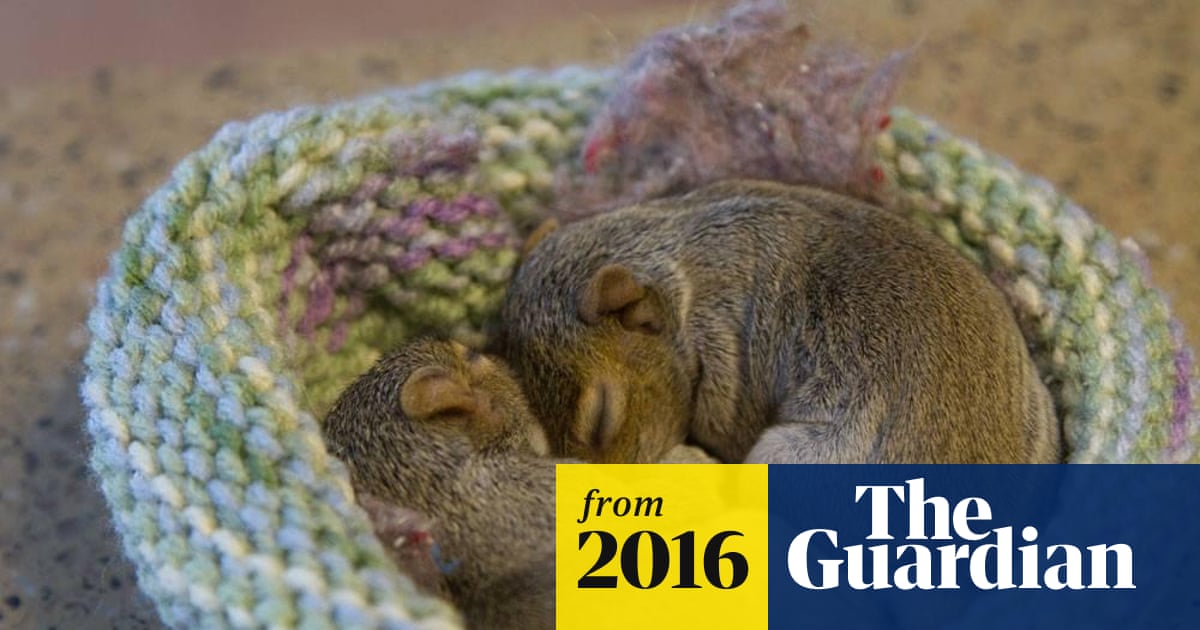
Credit: www.theguardian.com
Squirrel Habitats And Hurricane Risks
Squirrels live in many places like forests and cities. Their homes help them stay safe from weather.
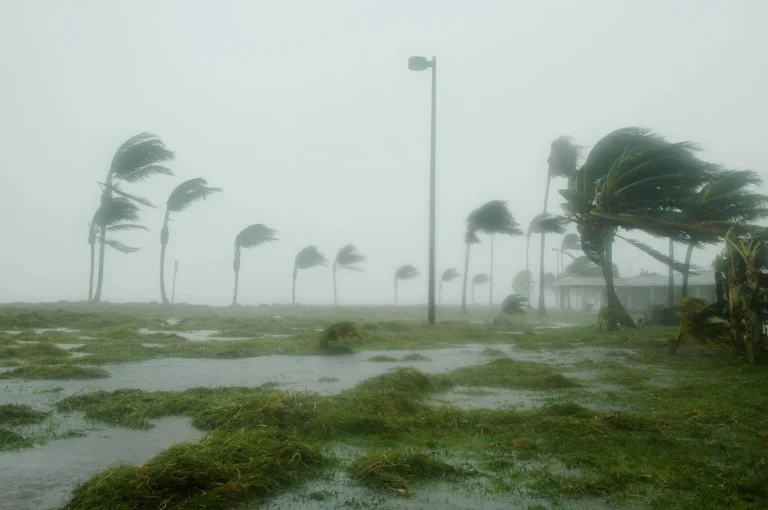
Hurricanes bring strong winds and rain. These storms can damage where squirrels live.
Common Squirrel Homes
Squirrels build nests called dreys in trees. They also live in tree holes and sometimes in buildings.
- Dreys made of leaves and twigs
- Tree cavities or holes
- Attics or abandoned buildings
Vulnerability To Storms
Strong winds can blow away dreys. Heavy rain can flood tree holes. Buildings may offer better shelter.
| Home Type | Storm Risk | Protection Level |
| Dreys | High – easily damaged | Low |
| Tree Holes | Medium – may flood | Medium |
| Buildings | Low – more stable | High |

Credit: ca.news.yahoo.com
Physical Adaptations For Survival
Squirrels face many dangers during hurricanes. Their bodies have special features to help them survive strong winds and rain. These physical traits help them stay safe and find shelter.
Understanding these adaptations shows how squirrels can live through harsh weather. Their skills and body parts work well in storms.
Agility And Climbing Skills
Squirrels move quickly and easily through trees. Their agility helps them avoid falling during strong winds. They can jump from branch to branch with great balance.
Their sharp claws grip tree bark tightly. This ability allows them to hold on firmly. Climbing skills help squirrels reach safe spots during storms.
- Strong hind legs for jumping long distances
- Flexible joints for quick turns
- Sharp claws to grip branches
- Lightweight bodies to reduce falling risk
Tail Functions In Storms
A squirrel’s tail helps with balance while climbing. It acts like a parachute in strong winds. The tail also keeps the squirrel warm and dry.
During storms, squirrels use their tails to cover their bodies. This protects them from rain and cold. The tail also helps them steer while jumping.
- Balances body during fast movements
- Shields from rain and cold
- Helps steer in the air when jumping
- Acts as a signal to other squirrels
Behavioral Survival Strategies
Squirrels face many dangers during hurricanes. They use smart behaviors to stay safe. These actions help them survive strong winds and heavy rain.
Two key strategies squirrels use are finding shelter and preparing food. These methods keep them protected and well-fed during the storm.
Seeking Shelter
Squirrels look for safe places to hide from the storm. They choose spots that protect them from wind and rain. Tree cavities and thick branches are common shelters.
- Hide inside hollow trees or nests.
- Stay low in dense branches to avoid strong gusts.
- Avoid open spaces that expose them to rain.
- Use leaves and twigs to block wind.
Food Storage And Preparation
Before a hurricane, squirrels prepare by storing food. This helps them have enough to eat when foraging is hard. They collect nuts and seeds and hide them in many places.
| Food Type | Storage Method | Purpose |
| Acorns | Buried in soil | Keep fresh and hidden |
| Seeds | Hidden in tree bark | Easy access during rain |
| Nuts | Stored in nests | Quick energy source |
Response During Hurricanes
Squirrels face many dangers during hurricanes. Strong winds and heavy rain make survival hard. They use special ways to stay safe.
Understanding how squirrels respond helps us learn about their survival skills. They change their behavior to protect themselves.
Movement Patterns
Squirrels move carefully when a hurricane is near. They travel less to avoid the storm’s strong winds. Staying still helps them save energy and stay safe.
Before the storm hits, squirrels may gather food quickly. They find shelter early and avoid risky places during the hurricane.
Use Of Natural Cover
Squirrels use trees and thick bushes to hide from the storm. They find natural covers that block wind and rain. This shelter keeps them warm and dry.
Tree hollows and dense branches act as safe spots during hurricanes. These places protect squirrels from falling debris and strong gusts.
Post-hurricane Recovery
Squirrels face many challenges after a hurricane passes. They need to fix their homes and find food and water again. These tasks help them survive and stay safe.
Recovery can take time, but squirrels use their skills and instincts. They work quickly to rebuild and gather the supplies they need.
Nest Repair
After a storm, squirrels check their nests for damage. They look for broken branches and holes caused by strong winds and rain. They use leaves, twigs, and bark to fix their nests.
- Collect fresh leaves and soft materials
- Replace broken or missing branches
- Rebuild the nest’s walls and roof
- Secure the nest in a safe tree spot
Finding Food And Water
Hurricanes can wash away or hide food and water sources. Squirrels must find new places to eat and drink. They search for nuts, seeds, and berries that survived the storm.
| Food Source | How Squirrels Find It |
| Acorns | Look under fallen trees and branches |
| Berries | Search bushes and low plants |
| Seeds | Check the ground and tree bark |
| Water | Drink from puddles or rainwater pools |

Credit: gizmodo.com
Human Impact And Conservation
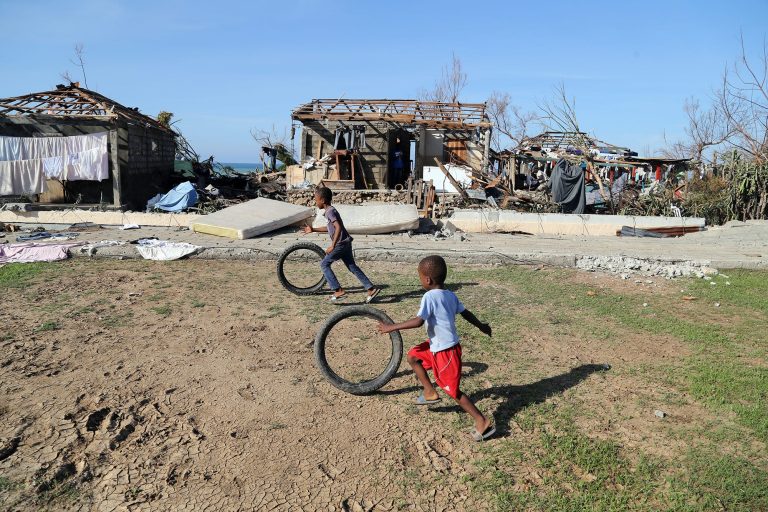
Squirrels face many dangers during hurricanes. Strong winds and flooding can harm them. Human actions also affect their chances to survive.
People can help protect squirrels by caring for their homes. Conservation efforts focus on keeping forests safe. This helps squirrels find shelter and food after storms.
Protecting Squirrel Habitats
Squirrel homes are often in trees. Cutting down trees removes their shelter. Building houses and roads also shrinks their living space.
Protecting forests helps squirrels hide from storms. Planting more trees creates safe places. Leaving dead trees can give squirrels shelter too.
- Limit tree cutting in forests
- Plant native trees and plants
- Keep parks and green spaces
- Protect old and dead trees
Helping Wildlife After Storms
After a hurricane, squirrels may lose food and shelter. People can help by providing water and safe places. Cleaning up debris allows squirrels to move safely.
Wildlife groups rescue injured squirrels. They also rebuild homes and plant trees. Helping animals recover keeps the ecosystem strong.
- Offer fresh water in safe containers
- Put up squirrel feeders with nuts
- Remove broken branches and trash
- Support wildlife rescue centers
Frequently Asked Questions
How Do Squirrels Prepare For Hurricanes?
Squirrels gather extra food and store it in safe, hidden caches. They reinforce nests for protection against strong winds and rain. This preparation helps them survive the harsh conditions of a hurricane.
Where Do Squirrels Hide During Hurricanes?
Squirrels seek shelter in sturdy tree cavities, dense branches, or underground burrows. These locations shield them from extreme weather and falling debris, increasing their chances of survival during hurricanes.
Can Squirrels Survive Flooding Caused By Hurricanes?
Yes, squirrels can survive flooding by moving to higher ground or climbing tall trees. Their agility and quick reflexes help them avoid rising water and find safe refuge.
What Adaptations Help Squirrels Survive Hurricanes?
Squirrels have sharp claws for gripping branches and strong limbs for climbing quickly. Their bushy tails provide balance and warmth, aiding survival during harsh storm conditions.
Conclusion
Squirrels show amazing skills to survive hurricanes. They find strong shelters like tree cavities or dense branches. They stay calm and wait for the storm to pass. Their quick thinking helps them avoid danger. These small animals adapt well to harsh weather.
Watching squirrels teaches us about nature’s resilience. They remind us to prepare and stay safe during storms. Nature’s little survivors, always ready for tough times.