Can Hummingbirds Survive in Cold Weather: Essential Survival Facts
Imagine a tiny hummingbird flitting around your garden, its iridescent feathers catching the sunlight. You might wonder how such a delicate creature survives when temperatures drop.
Can hummingbirds really endure cold weather? This question stirs curiosity and concern, especially if you enjoy watching these lively birds. Understanding how they adapt to chilly conditions could change the way you see them. Stay with us, and you’ll discover surprising facts that might just make you admire these resilient birds even more.
By the end of this article, you’ll not only learn about their survival tactics but also how you can help them thrive when the weather isn’t so friendly.
Credit: www.nationalgeographic.com
Hummingbird Cold Weather Challenges
Hummingbirds face many problems in cold weather. Their small size makes staying warm hard.
We will look at three main challenges hummingbirds meet in cold climates.
Temperature Sensitivity
Hummingbirds have very high body temperatures. Cold air can lower their body heat fast.
They use a special state called torpor to survive cold nights. In torpor, their body cools down to save energy.
Energy Demands
Hummingbirds burn a lot of energy to keep warm. They need to eat often to get enough fuel.
Cold weather reduces the number of flowers and insects. This makes it hard for hummingbirds to find food.
- High metabolism requires constant feeding
- Less food available in cold seasons
- Energy stores get used quickly
Habitat Limitations
Cold weather changes where hummingbirds can live. Many leave cold areas to find warmer places.
Hummingbirds need habitats with plenty of flowers. Cold climates often lack enough food and shelter.
- Limited food sources in cold habitats
- Less shelter to protect from cold winds
- Migration needed to find better areas
Adaptations For Cold Survival
Hummingbirds face great challenges in cold weather. They use special ways to survive freezing temperatures. These adaptations help them save energy and stay warm.
Understanding these adaptations shows how hummingbirds live through cold nights and harsh winters.
Torpor State
Torpor is a deep sleep that hummingbirds enter at night or in cold weather. Their body temperature drops a lot. This lowers their heartbeat and breathing rate. It helps them save energy until the sun warms the air again.
- Body temperature can drop from 107°F to as low as 50°F
- Heart rate slows from 1,200 beats per minute to about 50
- Energy use decreases by up to 95%
- Allows survival through cold nights without food
Feather Insulation
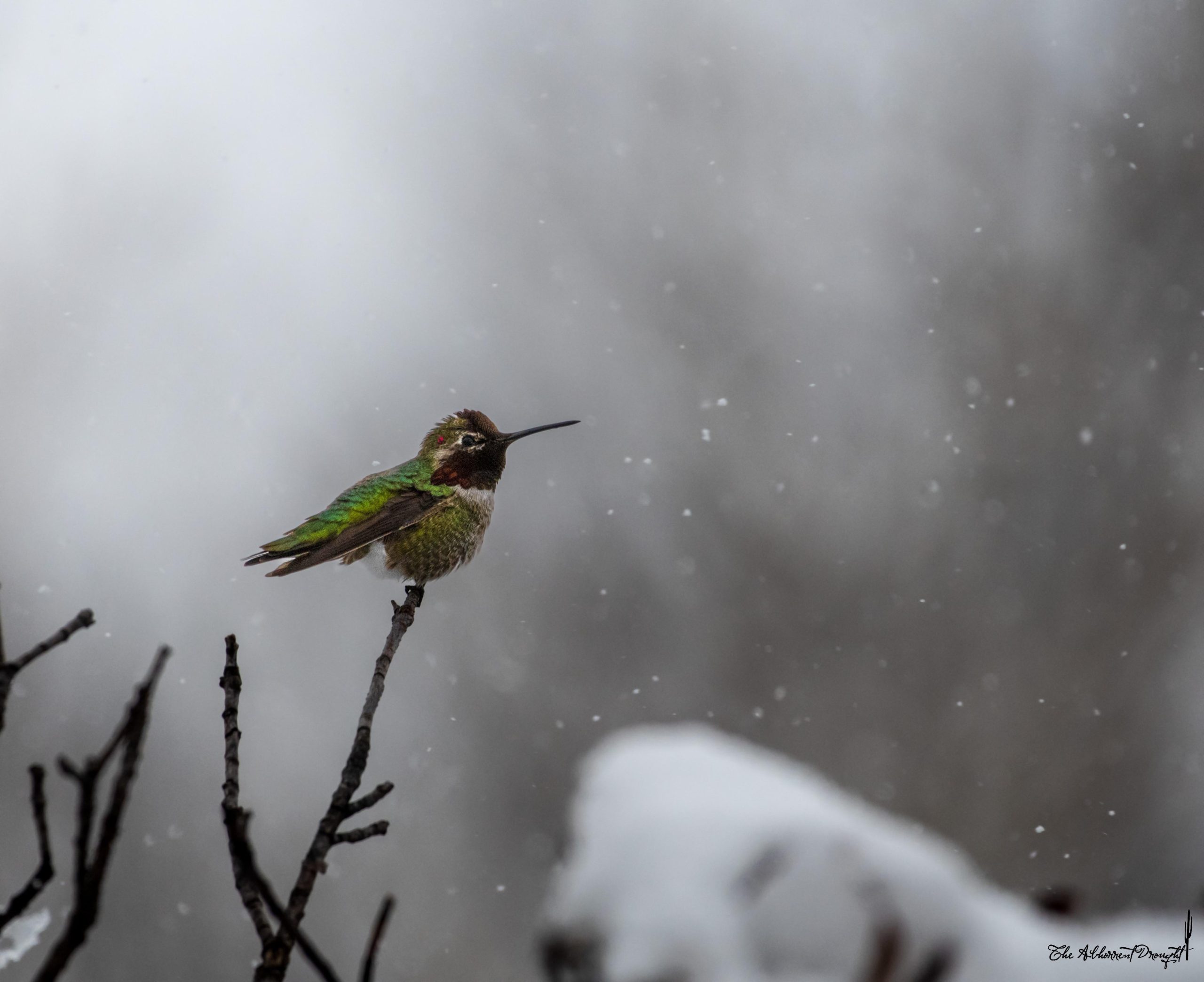
Hummingbird feathers trap air close to the skin. This layer of air acts like a warm blanket. The feathers also fluff up to increase insulation. During cold weather, hummingbirds tuck their bills into their feathers to keep heat from escaping.
| Feather Feature | Function in Cold |
|---|---|
| Down feathers | Trap warm air near skin |
| Contour feathers | Protect from wind and rain |
| Fluffed feathers | Create thicker insulation layer |
Metabolic Adjustments
Hummingbirds change how their bodies make energy in cold weather. They burn fat stores quickly to create heat. Their metabolism shifts to produce more heat instead of storing energy. This change is important during cold nights and low food availability.
- Use stored fat as main energy source
- Increase heat production during torpor
- Slow down muscle activity to save energy
- Adjust hormone levels to control metabolism
Behavioral Strategies In Winter
Hummingbirds face tough cold weather in winter. They use special behaviors to survive cold days and nights.
These birds change how they act to keep warm and find food when it gets cold outside.
Migration Patterns
Many hummingbirds fly south to warmer places in winter. This helps them avoid freezing temperatures.
They travel hundreds or thousands of miles to find good weather and food. Migration is a key survival strategy.
Food Source Selection
Hummingbirds eat nectar and small insects. In winter, they look for flowers that still bloom or feeders with sugar water.
They must find reliable food sources to keep their energy high in cold weather.
- Visit winter-blooming flowers
- Use bird feeders with fresh nectar
- Catch small insects hiding in plants
Shelter Seeking
Hummingbirds find warm places to rest at night. They hide in trees, shrubs, or protected spots.
They also enter a deep sleep called torpor. This lowers their body temperature to save energy.
- Hide in dense bushes or tree branches
- Find cavities or protected spots from wind
- Use torpor to reduce energy use at night

Credit: medium.com
Impact Of Climate On Hummingbirds
Hummingbirds are small birds that live in many places. Their survival depends on the weather and climate.
Cold weather can be hard for hummingbirds. It changes their food, migration, and safety.
Changing Weather Patterns
Weather patterns are not the same every year. Cold spells may last longer or come earlier.
Hummingbirds feel stress when the weather is colder than usual. They must find ways to stay warm.
Availability Of Nectar
Hummingbirds drink nectar from flowers. Cold weather reduces the number of flowers that bloom.
Less nectar means less food. Hummingbirds may need to search longer or visit feeders to survive.
- Flowers bloom later in cold seasons
- Nectar is less sweet in colder weather
- Hummingbirds spend more energy finding food
Effects On Migration Timing
Hummingbirds migrate to warmer places before winter. Cold weather can change when they leave.
If cold comes early, hummingbirds may start migration sooner. Late cold can delay their trip.
- Early cold prompts earlier migration
- Late cold keeps hummingbirds longer in one place
- Migration timing affects survival and breeding
Supporting Hummingbirds In Cold Climates
Hummingbirds are small birds that like warm places. Cold weather can be hard for them. We can help hummingbirds survive during cold months.
This guide shows ways to support hummingbirds in cold climates. Feeding, planting, and shelter are key to their safety.
Providing Feeders
Feeders give hummingbirds extra food when flowers are scarce. Use sugar water to attract them. Clean feeders often to keep birds healthy.
- Use four parts water to one part sugar solution
- Avoid red dye in the nectar
- Place feeders in shady spots to slow fermentation
- Check feeders daily in cold weather
- Bring feeders indoors if temperatures drop below freezing
Planting Native Flowers
Native flowers bloom at times hummingbirds need food. They provide natural nectar and shelter. Choose flowers that grow well in your region.
| Flower | Bloom Time | Color |
| Red Columbine | Spring to Early Summer | Red |
| Bee Balm | Mid to Late Summer | Pink, Red, Purple |
| Trumpet Creeper | Summer | Orange |
| Cardinal Flower | Late Summer to Fall | Bright Red |
Creating Shelter Options
Hummingbirds need places to hide from cold winds and predators. Shelter keeps them warm and safe. Trees, shrubs, and man-made boxes help.
- Plant dense shrubs near feeders
- Keep trees with thick leaves for wind protection
- Install small roosting boxes in quiet areas
- Leave some dead branches for natural perches

Credit: medium.com
Frequently Asked Questions
Can Hummingbirds Survive Freezing Temperatures?
Hummingbirds survive cold by entering torpor, a deep sleep state. This reduces their metabolism and conserves energy during freezing nights.
How Do Hummingbirds Stay Warm In Winter?
They fluff up their feathers to trap heat and seek sheltered spots. Torpor also helps them minimize energy loss in cold weather.
Do Hummingbirds Migrate To Avoid Cold Weather?
Most hummingbirds migrate to warmer areas during winter. Migration helps them find food and suitable climates for survival.
What Happens To Hummingbirds In Extreme Cold?
In extreme cold, hummingbirds rely heavily on torpor and fat reserves. Without these, they risk hypothermia and death.
Conclusion
Hummingbirds face many challenges in cold weather. They use special ways to keep warm and survive. Their tiny bodies slow down to save energy. Finding food becomes harder during cold months. Some hummingbirds migrate to warmer places. Others stay but rest in a deep sleep called torpor.
This helps them survive cold nights. Watching hummingbirds shows how strong and smart they are. Nature has made them tough despite their small size. Understanding this helps us protect these amazing birds better.