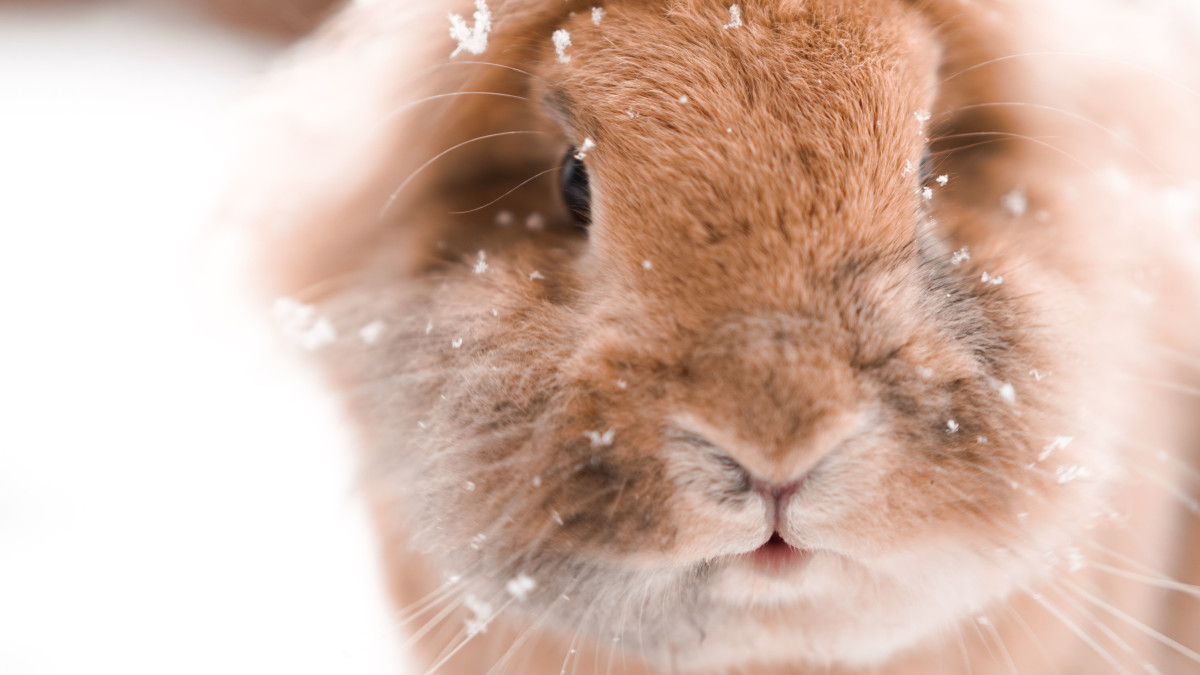
Can Bunnies Survive Cold Weather? Essential Tips to Keep Them Safe
When the chill of winter arrives, you might find yourself wondering, “Can bunnies survive cold weather?” It’s a question that sparks curiosity and concern, especially if you’re a bunny owner or simply a rabbit enthusiast.
Imagine your fluffy friend hopping around in the snow, and you can’t help but worry if they can handle the cold. Understanding how these adorable creatures adapt to lower temperatures is crucial for their well-being. You’ll discover the secrets of how bunnies cope with the cold, what you can do to ensure their comfort, and why some simple adjustments might make all the difference.
Let’s unravel the mysteries of how these gentle animals face the winter months, so you can have peace of mind knowing your bunny is safe and snug. Keep reading to uncover everything you need to know about bunnies and cold weather.

Credit: www.reddit.com
Bunny Cold Weather Limits
Bunnies are small animals sensitive to cold. Their bodies do not handle very low temperatures well. Owners need to know how much cold they can tolerate safely.
Understanding bunny cold weather limits helps keep them healthy. This guide explains their natural cold tolerance and signs of cold stress.
Natural Cold Tolerance
Bunnies have some ability to handle cold weather. Their fur keeps them warm but only to a point. Most rabbits do best above 40°F (4°C).
Wild rabbits grow thicker coats in winter. Domestic rabbits may not adapt as well. They need shelter from wind and wet conditions to stay warm.
- Fur helps block cold air but is not enough alone
- Rabbits do best in temperatures above 40°F (4°C)
- Wind and moisture increase cold risk
- Warm, dry shelter is essential in cold weather
Signs Of Cold Stress
Bunnies show clear signs when they are too cold. Owners should watch for changes in behavior and body condition.
Common signs include shivering, lethargy, and cold ears. If left too long in cold, rabbits can get hypothermia, which is dangerous.
- Shivering or trembling
- Hunched posture to save heat
- Cold or pale ears and feet
- Less movement or hiding more
- Loss of appetite

Credit: www.reddit.com
Ideal Bunny Shelter
Cold weather can be hard on bunnies. They need a warm, safe place to stay. A good shelter keeps them cozy and protected.
Building the right shelter helps bunnies survive winter. It blocks cold air and moisture.
Insulation Materials
Insulation keeps the shelter warm by trapping heat inside. Use soft, dry materials that bunnies can snuggle into.
- Straw is a great insulator and stays dry.
- Fleece blankets add extra warmth without moisture.
- Foam boards help block cold air in walls.
- Hay can be used but must stay dry to avoid mold.
Wind And Moisture Protection
Wind and wetness make bunnies cold fast. The shelter must block these elements well.
| Protection Method | Description |
|---|---|
| Elevated Floor | Raises shelter off the ground to prevent moisture. |
| Plastic Cover | Keeps rain and snow from soaking the shelter. |
| Windbreak Walls | Blocks cold wind but allows some airflow to avoid dampness. |
| Sealed Doors | Stops drafts while letting bunnies enter easily. |
Safe Indoor Options
Indoor shelters can be the safest in cold weather. They protect bunnies from harsh elements completely.
Consider these indoor shelter ideas:
- Use a large pet crate with soft bedding inside.
- Set up a small room corner with a covered box.
- Place heating pads made for pets under the bedding.
- Keep the area dry and clean to prevent illness.
Warm Bedding Choices
Bunnies need warm bedding to stay safe in cold weather. Good bedding keeps them cozy and dry.
Choosing the right materials helps protect rabbits from cold and dampness. This is very important for their health.
Hay And Straw Benefits
Hay and straw are popular bedding choices for rabbits in cold weather. They both provide warmth and comfort.
Straw is hollow and traps heat well. Hay is softer and also good for nesting. Both keep rabbits insulated.
- Straw helps keep the bedding dry and warm
- Hay adds softness and extra warmth
- Both materials are natural and safe
- Rabbits can nibble on hay for food
Avoiding Damp Bedding
Damp bedding makes rabbits cold and sick. It is important to keep bedding dry all the time.
Change wet bedding quickly. Use absorbent materials and check the cage often to keep it fresh.
- Remove wet or soiled bedding daily
- Use straw or hay that stays dry longer
- Place bedding away from water bowls
- Check for leaks or drafts in the hutch
Diet Adjustments For Winter
Bunnies need changes in their diet during cold weather. Their bodies use more energy to stay warm.
Feeding them the right food helps keep them healthy and active in winter.
Nutritional Needs Increase
Bunnies burn more calories in cold weather to keep warm. They need extra food to match this energy use.
Offer more hay and fresh vegetables to support their energy needs. Avoid too many sugary treats.
- Provide unlimited hay for fiber and warmth
- Include fresh leafy greens daily
- Offer small amounts of root vegetables
- Limit sugary fruits and treats
Hydration Tips In Cold Weather
Bunnies still need plenty of water in winter. Cold air can dry them out quickly.
Check water bowls often. Use warm water if possible to encourage drinking.
- Refill water daily to keep it fresh
- Use a water bottle or heavy bowl to prevent spills
- Warm water helps if your bunny avoids cold drinks
- Watch for signs of dehydration like dry nose or eyes
Exercise And Activity
Bunnies need exercise to stay healthy, even in cold weather. Activity helps keep their muscles strong and their bodies warm.
Cold weather can make bunnies less active. Owners should help them stay moving safely during winter.
Maintaining Mobility
Keep your bunny moving to avoid stiffness and weight gain. Indoor play areas with soft mats work well.
Regular gentle exercise improves blood flow and keeps joints flexible. Short sessions several times a day help.
- Provide toys that encourage hopping and running
- Clear safe space inside to prevent slipping
- Use tunnels and boxes for mental and physical activity
- Offer fresh hay and treats to motivate movement
Safe Outdoor Time
Bunnies enjoy fresh air but cold can be dangerous. Limit outdoor time to short, supervised visits.
Dress your bunny with a warm cover if needed. Watch for signs of cold stress like shivering or inactivity.
- Choose sunny spots protected from wind
- Keep sessions brief, about 10-15 minutes
- Bring bunny inside if they seem cold or tired
- Provide dry bedding and shelter outdoors
Health Monitoring
Keeping your bunny safe in cold weather means watching its health closely. Cold can affect rabbits quickly. You need to know what to look for.
Regular checks help spot problems early. This guide shows how to check for frostbite and cold-related illness signs.
Checking For Frostbite
Frostbite happens when skin and tissues freeze. It often affects ears, feet, and tail. Watch for changes in color or feel.
- Look for pale or gray skin areas.
- Touch the ears and feet to check if they feel cold or hard.
- Notice if your bunny scratches or shakes the affected parts.
- Swelling or blisters may appear in severe cases.
- Check if your rabbit is less active or hides more than usual.
If you see frostbite signs, warm the bunny gently. Use warm (not hot) water or blankets. Call a vet for help.
Cold-related Illness Symptoms
Cold weather can cause illnesses like pneumonia. Watch your bunny for these symptoms to act fast.
| Symptom | What It Means |
| Runny nose | Possible respiratory infection |
| Labored breathing | Breathing trouble or illness |
| Lethargy | Low energy, could be sickness |
| Loss of appetite | Not eating well, a warning sign |
| Shivering | Body trying to stay warm |
Keep your bunny indoors if you notice any of these signs. Warm its area and call a vet right away.
Additional Warmth Tips
Bunnies need extra care in cold weather to stay warm and healthy. Small changes can help keep them comfortable.
Using safe warming methods prevents health risks and keeps your bunny happy during chilly days.
Using Heat Pads Safely
Heat pads can provide steady warmth but must be used carefully. Always choose one designed for pets.
- Wrap the heat pad in a towel to avoid direct contact with your bunny’s fur.
- Check the temperature regularly to ensure it does not get too hot.
- Never leave the heat pad on all day; turn it off when not needed.
- Place the heat pad under bedding, not inside the cage, for safety.
- Inspect the pad for damage before each use to prevent electrical hazards.
Avoiding Overheating
Too much heat can harm your bunny. Watch for signs of overheating like panting or restlessness.
| Warning Signs | Actions to Take |
|---|---|
| Rapid breathing | Remove heat source immediately |
| Wet or damp fur | Dry your bunny gently |
| Restlessness or hiding | Provide fresh water and cooler space |
| Reddened ears | Lower the cage temperature |

Credit: www.reddit.com
Frequently Asked Questions
Can Bunnies Tolerate Freezing Temperatures?
Bunnies can tolerate cold but not extreme freezing temperatures. They need shelter and warmth to survive harsh winters safely. Providing insulated housing helps maintain their body heat and prevents health risks.
How Do Bunnies Stay Warm In Winter?
Bunnies stay warm by fluffing their fur to trap heat. They also seek shelter in insulated, dry spaces away from wind and moisture. Owners can add extra bedding for additional warmth.
Should Rabbits Be Kept Indoors During Winter?
Yes, keeping rabbits indoors during winter protects them from cold and damp conditions. Indoor environments offer stable temperatures, reducing stress and preventing illnesses caused by cold exposure.
What Signs Show A Bunny Is Too Cold?
Signs include shivering, lethargy, and hunched posture. Cold bunnies may also have cold ears and paws. Immediate warmth and shelter are necessary to avoid hypothermia.
Conclusion
Bunnies can survive cold weather with the right care. They need warm shelter and dry bedding. Protect them from wind and rain. Feeding them extra hay helps keep them warm. Watch for signs of cold stress, like shivering or hiding.
Simple steps make a big difference in their health. Keep your bunny safe and cozy all winter long.