How to Survive Cold Weather Without Electricity: Essential Tips
Picture this: the temperature is dropping, and snowflakes are swirling outside your window. Suddenly, the power goes out.
No heater, no lights, just you and the chilly air creeping in. It’s a scenario none of us want to face, yet it can happen to anyone. So, how do you keep warm and safe when the electricity fails during a cold snap?
You might feel a rush of anxiety just thinking about it, but don’t worry. This guide is here to help you navigate the icy challenge of surviving cold weather without electricity. Imagine turning this potential disaster into a story of resilience and resourcefulness. Ready to transform fear into confidence? Let’s dive in and explore practical tips that will keep you cozy and secure, even when the power lines are down.

Credit: www.youtube.com
Preparing Your Home
Cold weather without electricity can be tough. Preparing your home helps keep you warm and safe. Simple steps can make a big difference.
Focus on keeping heat inside and cold air out. Use materials and tools you already have at home.
Insulating Doors And Windows
Doors and windows let cold air in and warm air out. Insulating them helps keep your home warm. Use weatherstripping tape or foam to cover gaps.
You can also add plastic film over windows to create an extra barrier. This stops cold air from entering and keeps heat inside.
- Apply weatherstripping around door frames
- Use foam tape to seal window edges
- Cover windows with plastic film and tape
Using Thermal Curtains
Thermal curtains block cold air and keep warmth inside. They are thicker than normal curtains and help insulate rooms.
Close curtains at night and on cold days. This reduces heat loss through windows and keeps rooms warmer.
- Buy or use heavy, thick curtains
- Keep curtains closed during cold weather
- Choose curtains that cover the entire window
Sealing Drafts
Drafts let cold air inside your home. Find drafts near doors, windows, and vents. Use draft stoppers or rolled towels to block these areas.
Seal cracks with caulk or weatherstripping for a longer fix. This helps keep your home warm without electricity.
- Check for drafts by feeling air with your hand
- Use draft stoppers or towels at door bottoms
- Seal cracks with caulk or foam sealant

Credit: www.bangordailynews.com
Staying Warm Without Power
Cold weather can be hard without electricity. You need to find ways to keep warm. This guide shows simple ways to stay comfortable.
Use what you have around you to keep heat inside. Small changes can make a big difference in cold times.
Layering Clothes Effectively
Wear several layers of clothing to trap heat. Each layer holds warm air close to your body. Use these tips for good layering.
- Start with a thin, tight base layer to keep skin dry
- Add a warm middle layer like fleece or wool
- Use a windproof and waterproof outer layer
- Wear hats, gloves, and warm socks
- Keep layers loose enough for air to move
Using Blankets And Sleeping Bags
Blankets and sleeping bags hold heat well. Use multiple blankets or a sleeping bag for better warmth.
| Item | Best Use | Tips |
| Wool Blanket | Great for dry cold | Keep it dry and wrap tightly |
| Down Sleeping Bag | Best for very cold | Keep it clean and dry |
| Fleece Blanket | Good for mild cold | Layer with other blankets |
Creating Warm Microclimates
Create small warm spaces inside your home. This helps keep your body heat close and air cold out.
- Use curtains or blankets to close off unused rooms
- Block drafts from doors and windows with towels
- Set up a small tent or fort indoors with blankets
- Use a hot water bottle inside your sleeping area
- Keep your sleeping area off cold floors with rugs or mats
Safe Heating Alternatives
Cold weather can be dangerous without electricity. You need safe ways to stay warm. Using alternative heating methods helps keep you comfortable and secure.
This guide covers safe heating options like propane heaters, wood fires, and using body heat. Follow the tips to avoid risks and stay warm.
Using Propane Heaters Safely
Propane heaters provide quick heat without electricity. Use them with care to avoid fire or carbon monoxide poisoning.
- Always use propane heaters in well-ventilated rooms.
- Keep heaters away from curtains, furniture, and flammable materials.
- Never use propane heaters in bedrooms or small enclosed spaces.
- Check for leaks before use and follow the manufacturer’s instructions.
- Turn off the heater before sleeping or leaving the room.
Building A Wood Fire
A wood fire gives warmth and light. Build it safely to prevent accidents and smoke problems.
| Safety Tip | Details |
| Choose a safe spot | Use a fire pit or clear area away from structures. |
| Gather dry wood | Dry wood burns better and produces less smoke. |
| Use kindling | Start fire with small sticks and paper for easy ignition. |
| Keep water nearby | Have water or sand ready to put out the fire if needed. |
| Never leave fire unattended | Always watch the fire until it is fully out. |
Warmth From Body Heat
Your body heat can help keep you warm. Use these tips to stay cozy without any devices.
- Wear several layers of clothing for better insulation.
- Huddle close to others to share warmth.
- Use blankets and sleeping bags to trap heat.
- Keep moving to boost circulation and generate heat.
- Eat warm food and drink warm liquids to maintain body temperature.
Credit: www.atcoenergy.com
Food And Water Management
Cold weather can make it hard to keep food and water safe without electricity. Planning helps you stay healthy and warm.
Manage your food and water well to avoid waste and stay hydrated. Use simple tricks to keep everything fresh.
Storing Non-perishable Foods
Non-perishable foods last long without refrigeration. Store them in a cool, dry place away from sunlight.
Keep food sealed tightly to stop pests and moisture. Rotate your stock to use older items first.
- Canned vegetables and fruits
- Dried beans and lentils
- Rice, pasta, and grains
- Peanut butter and nuts
- Powdered milk and dry cereals
Heating Food Without Electricity
You can heat food safely without power by using alternative heat sources. Always cook in a well-ventilated area.
Use a camping stove, portable gas burner, or build a small fire if allowed. Heat canned food in a pot or pan.
- Use a camping stove with proper fuel
- Heat food over a charcoal grill
- Warm food in a solar oven on sunny days
- Never use indoor fireplaces for cooking
Preventing Water Freezing
Keep drinking water from freezing by storing it in insulated containers. Avoid leaving water outdoors overnight.
Use thick plastic bottles or wrap containers with blankets to keep water liquid. Check and replace frozen water often.
- Store water indoors near heat sources
- Wrap containers with towels or blankets
- Keep small bottles to use quickly
- Use insulated coolers for larger amounts
Lighting And Communication
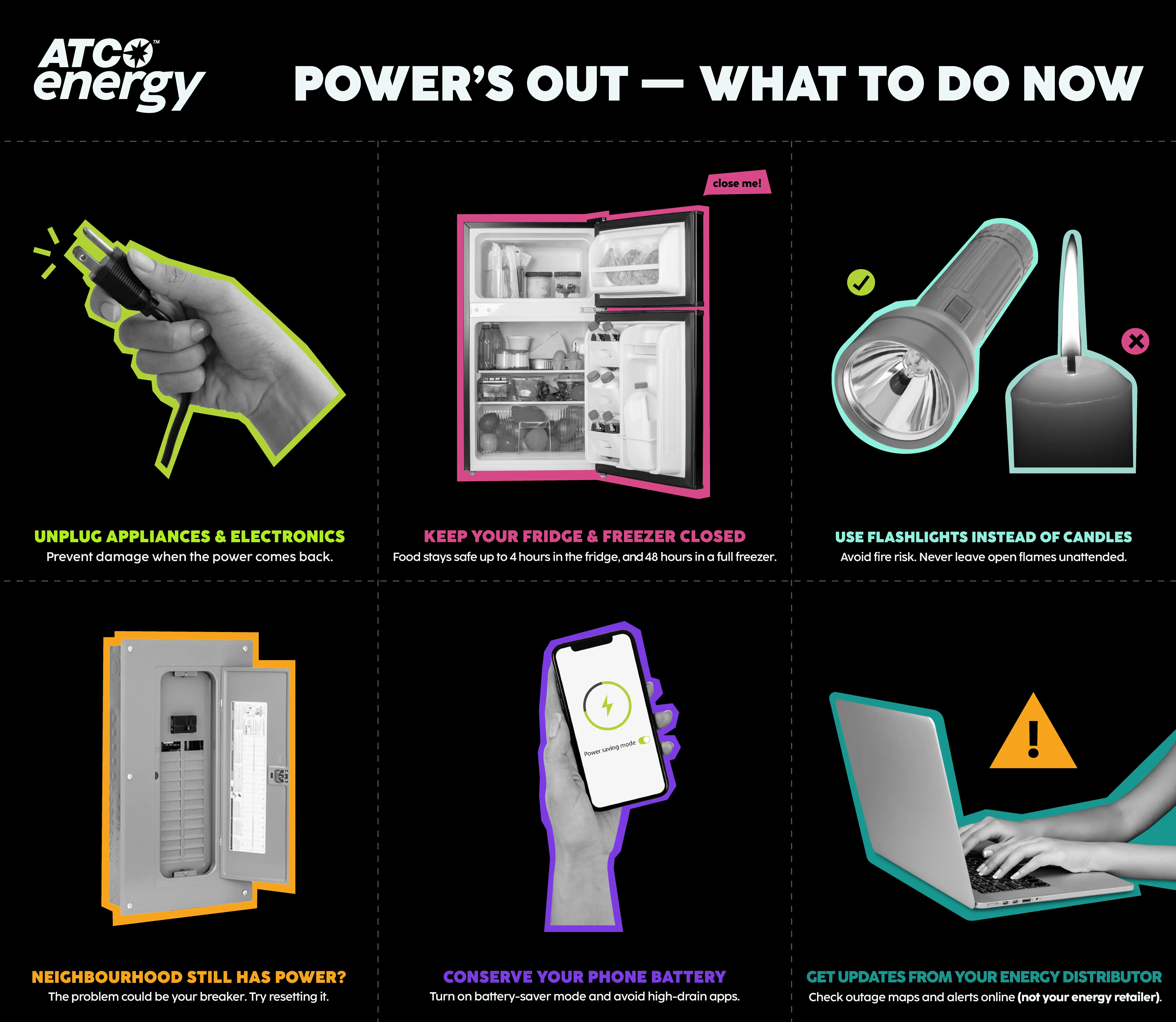
Cold weather can make life hard without electricity. Light and communication are key to staying safe.
Knowing how to use battery lights and keep devices charged helps you stay connected and secure.
Using Battery-powered Lights
Battery-powered lights give you light without power. They work well during outages in cold weather.
Flashlights, lanterns, and headlamps use batteries and last long. Keep extra batteries on hand.
- Use LED lights to save battery power
- Turn off lights when not needed
- Store lights where you can find them easily
- Test batteries before cold weather hits
Keeping Devices Charged
Charged devices help you call for help and get news. Keep phones and radios powered up.
Use power banks or solar chargers to refill batteries without electricity. Save power by closing unused apps.
- Charge devices fully before the cold season
- Carry extra power banks for emergencies
- Use airplane mode to save battery
- Turn off devices when not in use
Emergency Communication Tips
Stay in touch with others during power outages. Plan how to contact family and emergency services.
Use text messages or social media if calls do not work. Keep a list of important phone numbers written down.
- Have a battery-powered or hand-crank radio
- Use walkie-talkies for short distances
- Inform neighbors about your status
- Know your local emergency numbers
Health And Safety Precautions
Cold weather without electricity can be dangerous. You must take care of your health and safety. This guide helps you stay safe and healthy.
Follow simple steps to avoid illness and injury. Know what signs to watch for and how to act quickly.
Recognizing Hypothermia Signs
Hypothermia happens when your body loses heat fast. It can be life-threatening. Watch for these signs to act fast.
- Shivering that does not stop
- Slow, shallow breathing
- Confusion or memory loss
- Slurred speech or mumbling
- Weak pulse or slow heartbeat
- Clumsiness or lack of coordination
- Feeling very tired or drowsy
If you see these signs, get warm and seek help immediately. Do not ignore mild symptoms.
Maintaining Hygiene
Keeping clean is hard without power but very important. Poor hygiene can cause illness in cold weather.
- Use hand sanitizer or wipes often
- Keep your body and clothes dry
- Change wet clothes quickly
- Clean your face and hands regularly
- Store water safely for drinking and washing
Even simple steps help stop germs and sickness. Try to keep your space tidy and dry.
Emergency First Aid
Be ready to give first aid in cold weather emergencies. Knowing what to do saves lives.
- Move the person to a warm, dry place
- Remove wet clothing carefully
- Wrap the person in warm blankets or clothes
- Give warm drinks if the person is awake
- Do not give alcohol or caffeine
- Call for medical help as soon as possible
- Keep the person still and calm
Stay with the person until help arrives. Keep checking their breathing and warmth.
Frequently Asked Questions
How Can I Stay Warm Without Electricity In Winter?
Wear layered clothing to trap body heat. Use blankets and insulated sleeping bags. Seek shelter in small, enclosed spaces to conserve warmth. Use hand warmers or hot water bottles safely. Avoid moisture as it increases heat loss.
What Are The Best Heat Sources Without Electricity?
Use wood stoves or fireplaces safely. Utilize charcoal or propane heaters designed for indoor use. Candles and oil lamps provide minimal warmth but aid in heat retention. Always ensure proper ventilation to avoid carbon monoxide poisoning.
How Can I Insulate My Home During A Power Outage?
Seal windows and doors with towels or draft stoppers. Hang heavy curtains or blankets over windows. Use rugs or carpets on floors to reduce heat loss. Block vents or unused rooms to keep heat concentrated.
What Foods Help Maintain Body Heat In Cold Weather?
Consume high-calorie, warm foods like soups and stews. Eat proteins and healthy fats to boost metabolism. Drink warm liquids such as herbal teas or broths to stay hydrated and warm.
Conclusion
Surviving cold weather without electricity is tough but possible. Stay warm by layering clothes and using blankets. Keep moving to keep your body heat up. Use safe methods to heat your space and food. Always prepare ahead for power outages.
Stay calm and think clearly during cold nights. Small steps can make a big difference. Stay safe, stay warm, and be ready.