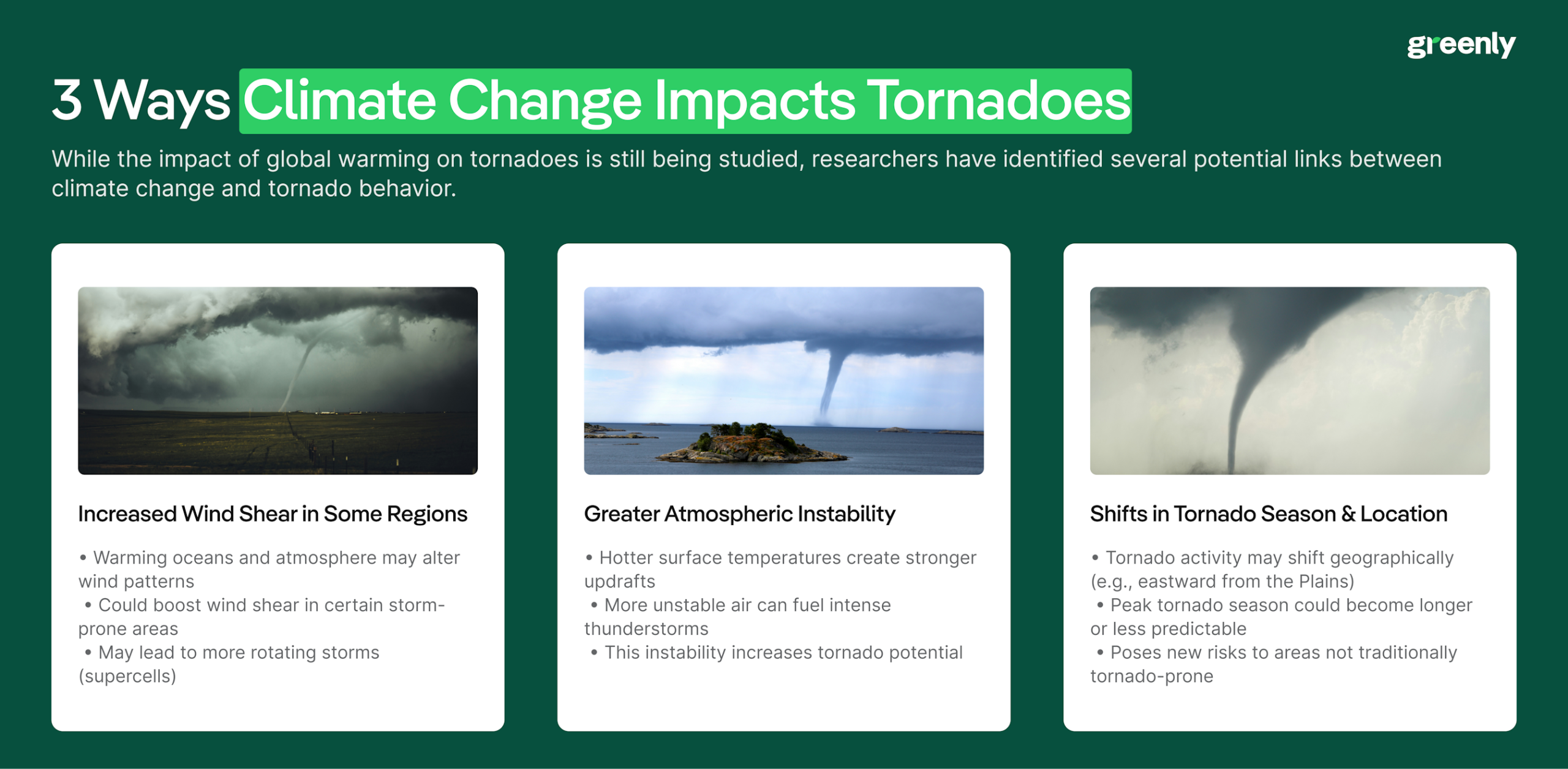
Which is Better to Survive in a Tornado Or Hurricane: Essential Tips
Imagine you’re facing the fury of nature. The wind howls like a wild beast, and the sky churns with ominous energy.
You find yourself caught in a dilemma: a tornado or a hurricane? Which storm would you rather brave to ensure your safety and that of your loved ones? This is not just a hypothetical scenario; it’s a real concern for many people living in storm-prone areas.
Understanding the differences between these two natural disasters could be the key to your survival. We’ll dive into the unique challenges each storm presents and help you decide which one might be easier to endure. So, keep reading to arm yourself with knowledge that could make all the difference when the skies turn threatening.
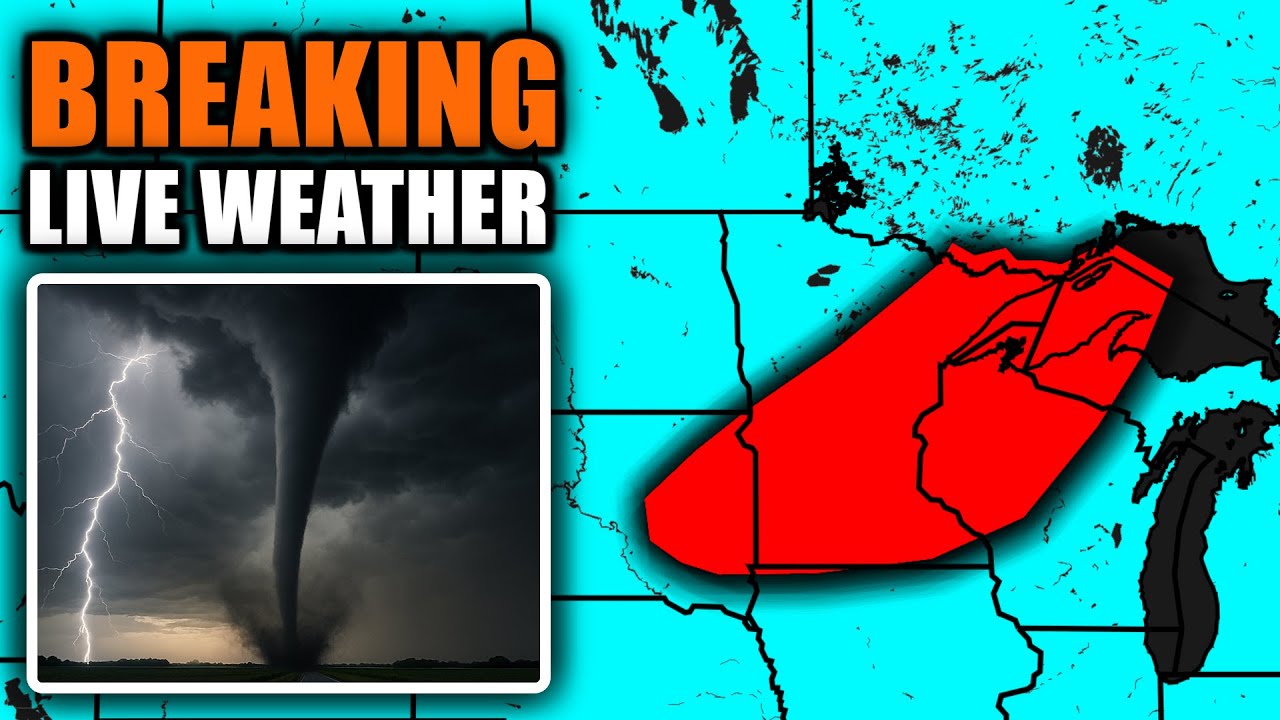
Credit: www.youtube.com
Tornado Basics
Tornadoes are violent windstorms that form during severe weather. They can destroy buildings and uproot trees.
Understanding tornadoes helps people stay safe and prepare for emergencies.
Formation And Characteristics
Tornadoes form from powerful thunderstorms called supercells. Warm, moist air rises and meets cooler, dry air. This causes the air to spin and create a funnel cloud.
- Tornadoes can have wind speeds over 300 miles per hour.
- They usually appear as a funnel-shaped cloud.
- Most tornadoes move from southwest to northeast.
- They can last from a few seconds to over an hour.
Common Warning Signs
People can watch for signs that a tornado may form soon. These signs help people take shelter quickly.
- Dark, greenish sky
- Large hail
- Loud roar, like a freight train
- Clouds swirling low to the ground
- Calm wind after a storm
Typical Damage Patterns
| Damage Type | Description |
| Debris Scattered | Objects thrown far from their original place |
| Uprooted Trees | Trees pulled out of the ground by strong winds |
| Roof Damage | Roofs torn off or heavily damaged |
| Vehicle Damage | Cars flipped or moved by the wind |
| Structural Collapse | Walls and buildings destroyed or severely damaged |

Credit: www.reddit.com
Hurricane Essentials
Hurricanes are strong storms that bring heavy rain and wind. Knowing how they form and how to prepare can save lives.
This guide covers how hurricanes develop, warning systems, and their effects on buildings and roads.
How Hurricanes Develop
Hurricanes start over warm ocean water. The heat causes air to rise and form clouds. Winds begin to spin around a low-pressure center.
- Warm water above 80°F fuels the storm.
- Air pressure drops in the storm center.
- Winds increase and spin faster.
- Storm moves toward land, bringing rain and wind.
Warning Systems And Alerts
Early warnings help people prepare and stay safe. Meteorologists watch storms and send alerts through several channels.
| Warning Type | Meaning | Action |
| Watch | Conditions possible | Stay informed and prepare |
| Warning | Conditions expected | Take shelter immediately |
| Evacuation Order | Danger to life | Leave area as directed |
Impact On Infrastructure
Hurricanes can damage homes, roads, and power lines. Strong winds and flooding cause the most harm.
- Roofs may blow off buildings.
- Floods can wash away roads.
- Power outages last days or weeks.
- Bridges and signs can be destroyed.
Comparing Threat Levels
Tornadoes and hurricanes are dangerous storms. Both can cause damage and harm. Understanding their threat levels helps you stay safe.
This article compares tornadoes and hurricanes by speed, reach, and possible injuries or deaths.
Speed And Duration
Tornadoes happen fast and last a short time. They can reach speeds over 200 miles per hour. Most tornadoes last less than 10 minutes.
Hurricanes move slower but last longer. Winds can be over 150 miles per hour. Hurricanes may last for days or even weeks.
Geographic Reach
Tornadoes usually affect small areas, often less than a mile wide. They can strike quickly and without much warning.
Hurricanes cover much larger areas. They affect hundreds of miles along coastlines and inland. Their size makes evacuations necessary.
- Tornadoes: small, focused damage path
- Hurricanes: large, widespread impact
- Tornadoes: sudden formation
- Hurricanes: longer warning time
Potential Fatalities And Injuries
| Storm Type | Average Fatalities (per event) | Common Injuries |
| Tornado | 50-100 | Broken bones, cuts, head injuries |
| Hurricane | 100-1,000+ | Drowning, cuts, burns, infections |
Hurricanes often cause more deaths due to flooding and long-lasting effects. Tornado injuries happen from flying debris and collapsing buildings.
Safety Tips For Tornadoes
Tornadoes are very dangerous storms with strong winds. Knowing what to do can save your life.
Prepare ahead and stay calm during a tornado to stay safe.
Best Shelter Options
The safest place is a basement or storm cellar. If you do not have one, find a small interior room on the lowest floor.
Avoid windows and cover yourself with a mattress or heavy blankets to protect from flying debris.
- Basement or storm cellar
- Small interior room on the lowest floor
- Away from windows and outside walls
- Cover with heavy blankets or a mattress
Emergency Supplies
Keep emergency supplies ready in your shelter area. These supplies help you stay safe and comfortable.
- Water and non-perishable food for at least three days
- Flashlight with extra batteries
- First aid kit
- Whistle to signal for help
- Battery-powered radio
- Important documents in a waterproof bag
Evacuation Guidelines
Tornadoes usually give little time to evacuate. Know your escape routes and have a plan ready.
If an evacuation order is given, leave quickly but safely. Follow local officials’ instructions.
- Identify safe places and routes ahead of time
- Keep your car fueled and ready
- Have a family communication plan
- Do not stay in mobile homes or vehicles
- Listen to weather updates regularly
Safety Tips For Hurricanes
Hurricanes are powerful storms that can cause severe damage. Knowing how to stay safe is very important.
These tips will help you prepare before a hurricane arrives and keep you safe during the storm.
Preparing Your Home
Secure your home to reduce damage. Check the roof, windows, and doors to keep them strong.
- Install storm shutters or board up windows with plywood.
- Clear gutters and drains to prevent flooding.
- Trim trees and remove loose branches near your home.
- Secure outdoor furniture or bring it inside.
- Check and repair the roof to avoid leaks.
Evacuation Planning
Know when and where to evacuate. Make a plan for your family and pets before the hurricane hits.
| Evacuation Tips | Details |
| Find your evacuation route | Learn the safest roads out of your area. |
| Prepare an emergency kit | Include food, water, medicines, and important documents. |
| Plan for pets | Bring food, water, and carriers for your animals. |
| Communicate your plan | Tell family or friends where you will go. |
| Follow local orders | Leave immediately if officials say to evacuate. |
Staying Informed
Keep up to date with the latest weather news. Use reliable sources before and during the hurricane.
- Listen to local radio or TV news for updates.
- Download weather apps for alerts on your phone.
- Follow official government social media accounts.
- Use a NOAA weather radio for emergency broadcasts.
Survival Gear Essentials
Surviving a tornado or hurricane needs the right gear. You must prepare with items that help protect and support you during the storm.
Knowing what to bring can save lives. This guide covers key survival gear essentials for both tornadoes and hurricanes.
Must-have Items
Essential items include water, food, and tools. These keep you safe and comfortable when help takes time to arrive.
- Bottled water (one gallon per person, per day)
- Non-perishable food like canned goods and energy bars
- Battery-powered or hand-crank flashlight
- Extra batteries
- Multi-tool or pocket knife
- Plastic sheeting and duct tape for shelter repairs
- Warm clothes and sturdy shoes
Communication Tools
Communication tools help you get updates and call for help. Prepare several ways to stay connected during power outages.
| Tool | Purpose |
| Battery-powered radio | Receive weather alerts |
| Fully charged cell phone | Call emergency services |
| Portable charger (power bank) | Keep devices powered |
| Whistle | Signal for help if trapped |
First Aid Supplies
A first aid kit is vital to treat injuries. It can reduce infection risk and ease pain before medical help arrives.
Include these items in your first aid kit:
- Adhesive bandages in various sizes
- Antiseptic wipes and ointment
- Sterile gauze pads and adhesive tape
- Scissors and tweezers
- Pain relievers like ibuprofen or acetaminophen
- Disposable gloves
- CPR face shield or mask
Post-storm Actions
After a tornado or hurricane, it is important to act carefully. Your safety and the safety of others come first. Follow clear steps to recover and stay safe.
Knowing what to do after the storm can help reduce harm and prepare you for the future.
Assessing Damage Safely
Check your property only when it is safe to go outside. Watch for broken glass, sharp objects, and unstable structures.
Turn off gas, water, and electricity if you see damage or smell gas. Use a flashlight, not candles, to avoid fire risks.
- Wear sturdy shoes and gloves
- Look for downed power lines and avoid them
- Do not enter flooded areas or buildings with damage
- Take photos of damage for insurance claims
Seeking Help And Resources
Contact local authorities or emergency services if you need help. They can provide medical aid and support.
Look for shelters and aid stations set up by relief groups. Ask neighbors or community centers about available resources.
- Call emergency numbers for urgent help
- Use community bulletin boards for updates
- Register with disaster assistance programs
- Stay tuned to local radio or news for information
Preventing Future Risks
After a storm, think about ways to protect your home and family next time. Small changes can make a big difference.
Fix weak areas and keep emergency supplies ready. Make a plan with your family for future storms.
- Repair roof, windows, and doors
- Clear debris from gutters and drains
- Store water, food, and first aid kits
- Practice storm drills and evacuation plans

Credit: www.servpro.com
Frequently Asked Questions
Which Is Deadlier: Tornadoes Or Hurricanes?
Tornadoes often cause more immediate destruction in smaller areas. Hurricanes affect larger regions and cause widespread damage with flooding and wind.
How To Prepare For A Tornado Versus A Hurricane?
For tornadoes, seek shelter in a basement or interior room. For hurricanes, evacuate if advised and secure your home against high winds.
Which Storm Lasts Longer: Tornado Or Hurricane?
Tornadoes usually last minutes, while hurricanes can last for days, causing prolonged damage and flooding.
What Causes More Property Damage: Tornado Or Hurricane?
Hurricanes typically cause greater overall property damage due to their size and duration, despite tornadoes having stronger localized winds.
Conclusion
Tornadoes and hurricanes each bring serious dangers. Knowing how to stay safe matters most. Find a strong shelter quickly during a tornado. For hurricanes, prepare early and follow warnings closely. Both storms demand respect and careful action. Staying informed can save your life.
Always plan ahead and stay calm. Safety depends on your choices and readiness. Remember, being prepared beats being scared. Stay alert, stay safe, and protect yourself well.