Does Bed Bugs Survive Cold Weather? Shocking Truth Revealed
When the temperature drops, you might find yourself bundling up and seeking cozy warmth indoors. But what about those pesky bed bugs?
Have you ever wondered if these unwelcome guests can withstand the chill of winter? The thought of bed bugs surviving through cold weather might send a shiver down your spine. Yet, understanding their resilience can help you tackle them effectively.
You deserve peace of mind and a good night’s sleep without the worry of these tiny invaders. Get ready to uncover the surprising truth about bed bugs and their ability to brave the cold. Stay with us to learn how this knowledge can safeguard your home and keep your worries at bay.
Credit: bedbugtreatmentkit.com
Bed Bugs And Temperature Sensitivity
Bed bugs are small insects that feed on blood. They hide in cracks and crevices near where people sleep. Temperature plays a big role in their survival and activity.
Understanding how cold affects bed bugs helps control their spread. This guide explains what temperatures bed bugs can survive and how cold weather impacts them.
How Cold Affects Bed Bugs
Cold temperatures slow down bed bugs’ movements and feeding. When it gets too cold, bed bugs enter a state like hibernation. This makes them less active but does not always kill them.
- At temperatures just above freezing, bed bugs survive but become inactive.
- Below 46°F (8°C), bed bugs stop feeding and reproduce slowly.
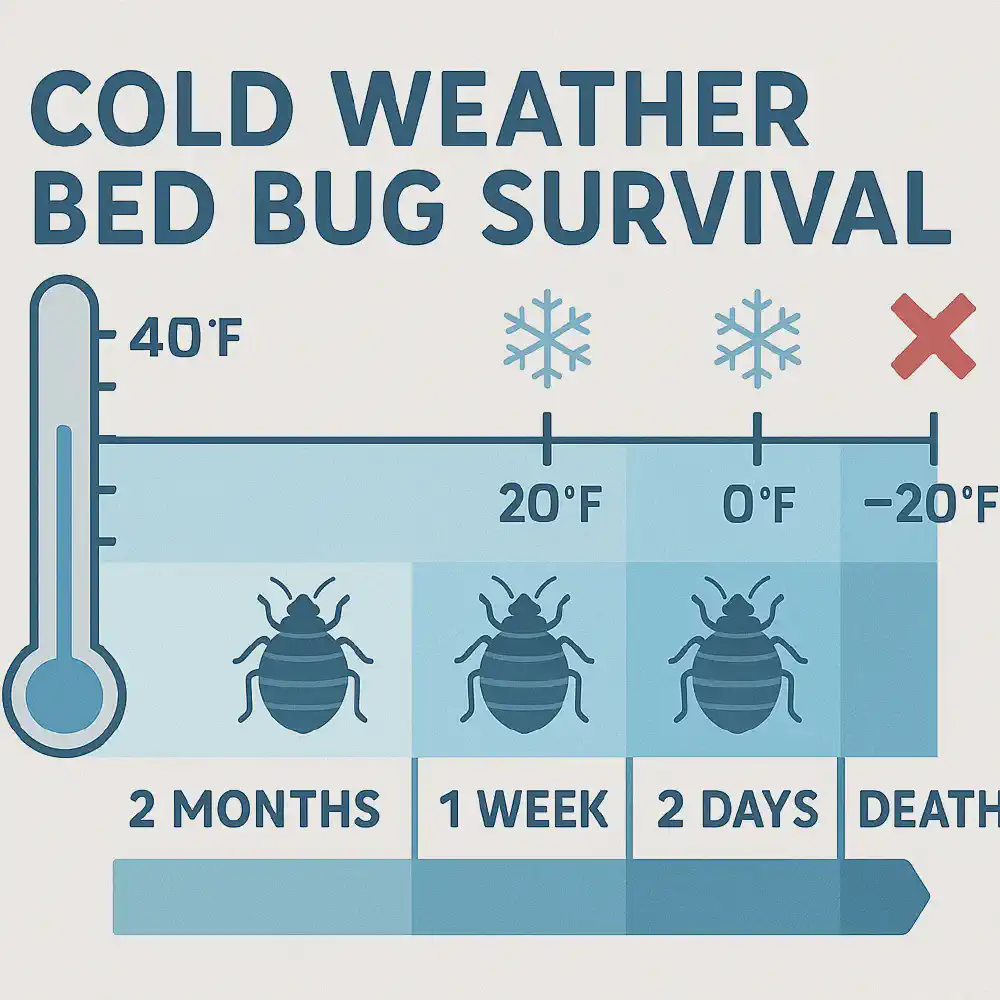
- Freezing temperatures around 32°F (0°C) for short times usually do not kill them all.
- Prolonged exposure to very low temperatures can cause death.
Survival Limits In Low Temperatures
Bed bugs have limits on how long they can survive in cold weather. These limits depend on the temperature and how long they stay exposed to it.
| Temperature (°F) | Survival Time | Effect on Bed Bugs |
|---|---|---|
| 50 to 46 | Indefinite | Slow activity, no feeding |
| 32 to 46 | Several weeks | Reduced movement, possible survival |
| 14 to 32 | Days to weeks | High mortality if exposure is long |
| Below 14 | Hours to days | Most bed bugs die with long exposure |

Credit: www.biotechtermiteandpest.com
Cold Weather Survival Tactics
Bed bugs can survive cold weather by using smart tactics. They find warm places to hide. They also slow down their metabolism to save energy.
Understanding these tactics helps in controlling bed bugs during winter months. Let’s explore how they stay alive when it is cold.
Hiding Spots That Offer Warmth
Bed bugs look for warm spots to survive cold weather. They hide close to humans or in places that keep heat. These spots help them stay safe and warm.
- Near heaters or radiators
- Inside mattresses and bed frames
- Behind baseboards or wall cracks
- Under furniture close to heat sources
- In electrical outlets or appliances
Dormancy And Metabolic Slowdown
Bed bugs reduce their activity during cold weather. They enter dormancy, a state like deep sleep. Their metabolism slows, so they use less energy.
| State | Effect on Bed Bugs |
| Dormancy | Bed bugs stay inactive for weeks or months |
| Metabolic Slowdown | Energy use drops to survive longer without food |
| Cold Exposure | Can kill bugs if temperatures stay very low for long |
Research On Bed Bug Cold Resistance
Bed bugs are pests that can survive in many environments. People often wonder if cold weather can kill them. Scientists have studied how cold affects bed bugs.
This research helps us understand if cold can control bed bug infestations. It also shows how bed bugs react to different temperatures.
Laboratory Findings
Scientists tested bed bugs in labs with cold temperatures. They found bed bugs can survive short times in freezing weather. But long exposure to cold kills many of them.
The exact time and temperature to kill bed bugs varies. For example, bed bugs die after hours at -16°C (3°F). Lower temperatures kill them faster.
- Short cold exposure does not kill all bed bugs.
- Freezing below -16°C for several hours is needed.
- Eggs need longer or colder exposure to die.
- Bed bugs can enter a state to survive cold better.
Field Observations
Researchers watched bed bugs outside during winter. They noticed bed bugs usually hide indoors to stay warm. Bed bugs rarely survive outside in cold weather for long.
In some cold places, bed bugs survive by staying in heated homes. They avoid the cold by hiding in furniture or walls. This behavior helps them live through winter.
- Bed bugs prefer warm indoor spots in winter.
- Outdoor cold usually kills bed bugs over time.
- They hide in cracks and furniture to avoid freezing.
- Bed bug survival depends on shelter, not just temperature.
Effective Cold Treatments For Bed Bugs
Bed bugs can survive in many environments, but cold can kill them. Using cold treatments helps control infestations safely.
Knowing the right freezing methods and how long to apply them is important. This guide explains what works best.
Freezing Techniques That Work
Freezing bed bugs requires exposing them to very low temperatures. Household freezers can be used if they reach the needed cold level.
- Place infested items in sealed plastic bags.
- Use a freezer that reaches at least 0°F (-18°C).
- Leave items inside for the full recommended time.
- Check the temperature regularly to ensure it stays low.
- Remove items carefully to avoid re-infestation.
Duration And Temperature Requirements
| Temperature | Duration | Effectiveness |
| 0°F (-18°C) | 4 days | Kills all bed bug stages |
| 14°F (-10°C) | 7 days | Kills most bed bugs |
| 32°F (0°C) | Not effective | Bed bugs survive |
Freezing below 0°F for at least four days kills bed bugs and their eggs. Warmer temperatures or shorter times may not work.
Common Myths About Cold And Bed Bugs
Many people think cold weather kills bed bugs instantly. This idea is not fully true. Bed bugs can survive in cold conditions better than expected.
This article looks at common myths about cold and bed bugs. It explains why cold alone is not enough to stop bed bugs and clears up confusion about winter infestations.
Why Cold Alone Isn’t Enough
People believe freezing temperatures kill bed bugs quickly. But bed bugs can survive cold if it is not very low or does not last long. They hide in warm places inside homes.
- Bed bugs can enter a state like hibernation to survive cold.
- They hide in cracks, furniture, and bedding where it is warmer.
- Freezing requires very low temperatures for several days to be effective.
- Normal winter temperatures inside houses usually do not kill bed bugs.
Misconceptions About Winter Infestations
Many think bed bugs disappear during winter. In reality, they stay active indoors. Heat from homes keeps them alive and breeding all year.
| Myth | Fact |
| Cold weather kills all bed bugs | Bed bugs survive if temperatures do not stay very low for days |
| Bed bugs are less active in winter | They stay active inside heated buildings |
| Winter stops bed bug infestations | Infestations can continue year-round indoors |
| Freezing items at home kills bed bugs quickly | Freezing must be below -17°C (0°F) for 4 days or more |
Credit: www.kentucky.com
Preventing Bed Bug Infestations In Winter
Bed bugs do not die in cold weather. They can hide and survive indoors. Winter does not stop them from spreading.
Taking steps to prevent bed bugs is important during colder months. This guide helps you keep your home safe.
Home Maintenance Tips
Keep your home clean and check places where bed bugs hide. These bugs like warm, dark spots near beds and furniture.
- Seal cracks and crevices in walls and furniture
- Wash bedding and clothes in hot water regularly
- Vacuum floors, mattresses, and furniture weekly
- Reduce clutter to limit hiding places for bed bugs
- Inspect secondhand furniture before bringing it inside
Early Detection Strategies
Finding bed bugs early helps stop infestations. Use simple methods to spot signs of these pests.
| Detection Method | Description |
| Visual Inspection | Look for small reddish bugs or dark spots on bedding |
| Use Bed Bug Traps | Place traps under bed legs to catch moving bugs |
| Check Bites | Watch for itchy red marks on your skin |
| Monitor Furniture | Inspect seams and joints of mattresses and sofas |
Frequently Asked Questions
Can Bed Bugs Survive Freezing Temperatures?
Bed bugs can survive brief exposure to freezing temperatures but typically die after prolonged exposure below 0°F (-18°C) for several days. Short cold spells usually won’t eliminate them, as they can seek shelter in warm areas to survive.
How Cold Is Needed To Kill Bed Bugs?
To effectively kill bed bugs, temperatures must stay below 0°F (-18°C) for at least 4 days. This prolonged freezing ensures all life stages, including eggs, are eradicated, as bed bugs are quite resilient to short cold exposures.
Do Bed Bugs Hide During Cold Weather?
Yes, bed bugs hide in warm, protected places during cold weather. They seek shelter in cracks, furniture, and bedding to avoid freezing temperatures, allowing them to survive until conditions improve.
Can Cold Weather Alone Eliminate Bed Bugs?
Cold weather alone rarely eliminates bed bugs unless temperatures remain extremely low for days. Most infestations survive mild or short cold spells by hiding in insulated areas within homes.
Conclusion
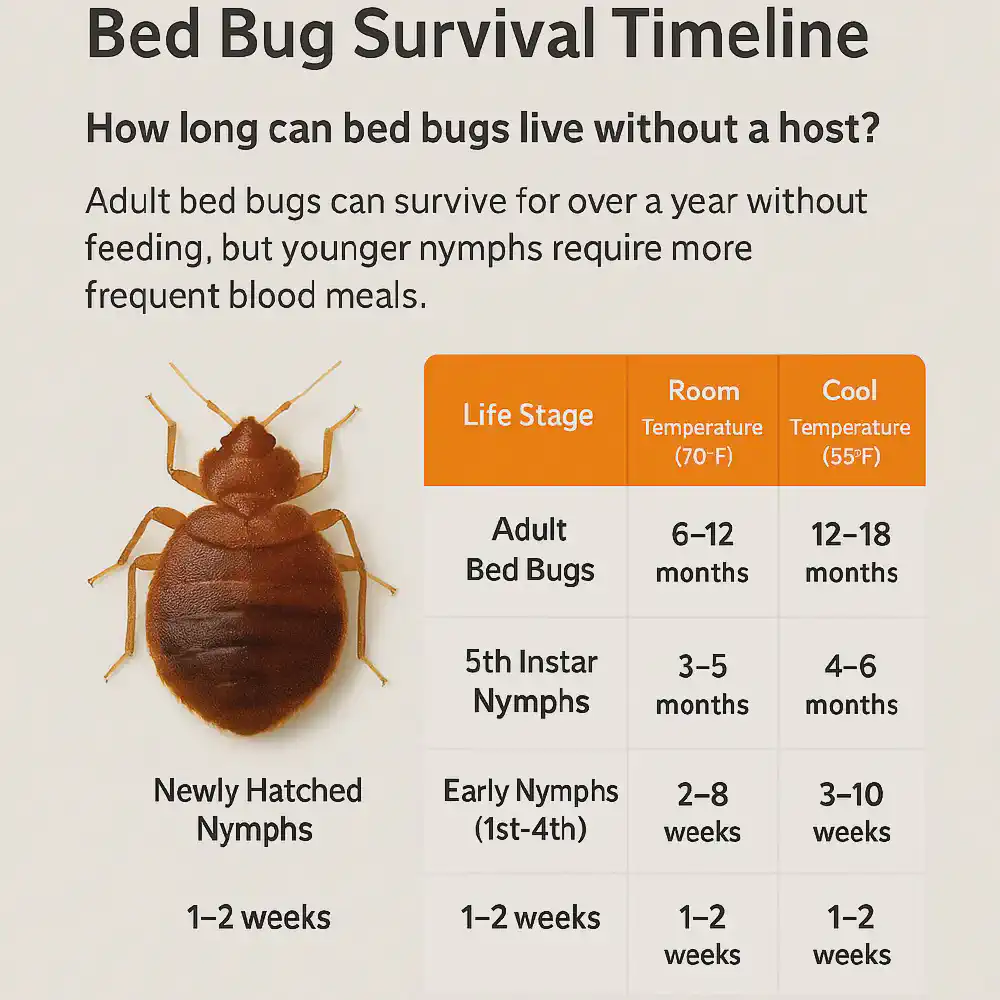
Cold weather does not kill bed bugs easily. These pests hide in warm places inside homes. They can survive for months without food. Freezing temperatures must be very low and last long to harm them. Simple cold outside will not stop their spread.
Proper cleaning and pest control remain the best ways to fight bed bugs. Stay alert and act quickly if you see any signs. Don’t rely on cold weather alone to solve the problem. Keep your home safe and bug-free year-round.