How Does Inuits Survive Cold Weathe: Secrets to Arctic Survival
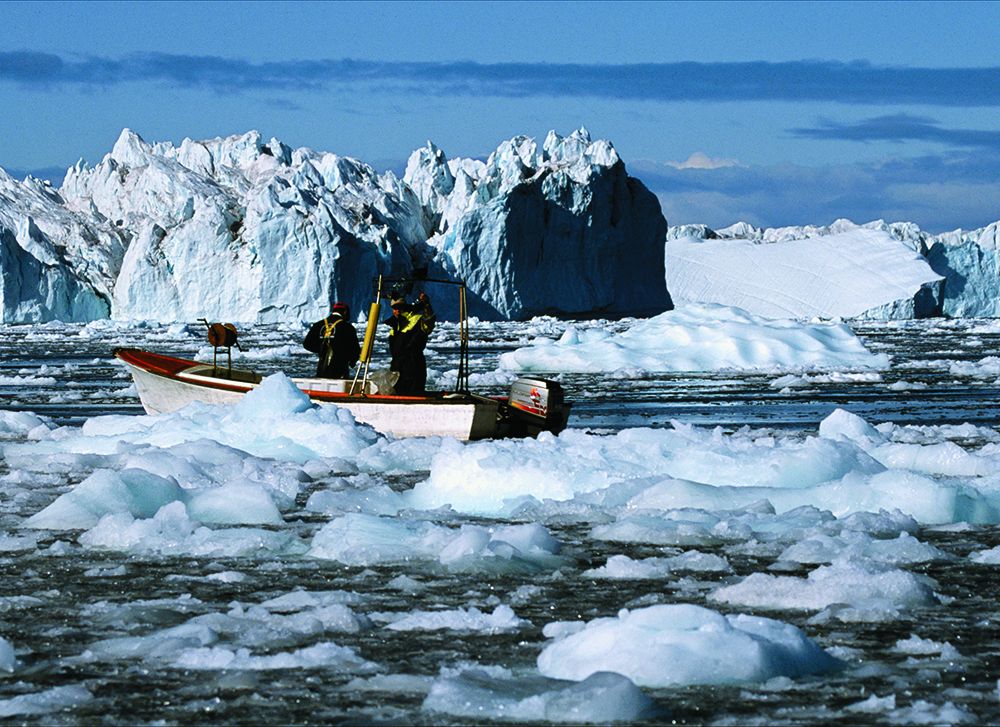
Have you ever wondered how the Inuit people thrive in some of the coldest places on Earth? Imagine facing bone-chilling temperatures daily, yet managing to live comfortably.
The secret lies in their unique lifestyle and ingenious survival techniques. You’ll discover the fascinating ways the Inuits have mastered the art of living in extreme cold. From their specialized clothing to their hunting strategies, every detail is a testament to human resilience.
By the end of this read, you’ll have a newfound appreciation for their extraordinary ability to adapt and survive. Curious to know more? Let’s dive into their world and uncover the secrets behind their incredible survival skills.
Credit: www.smithsonianmag.com
Arctic Environment Challenges
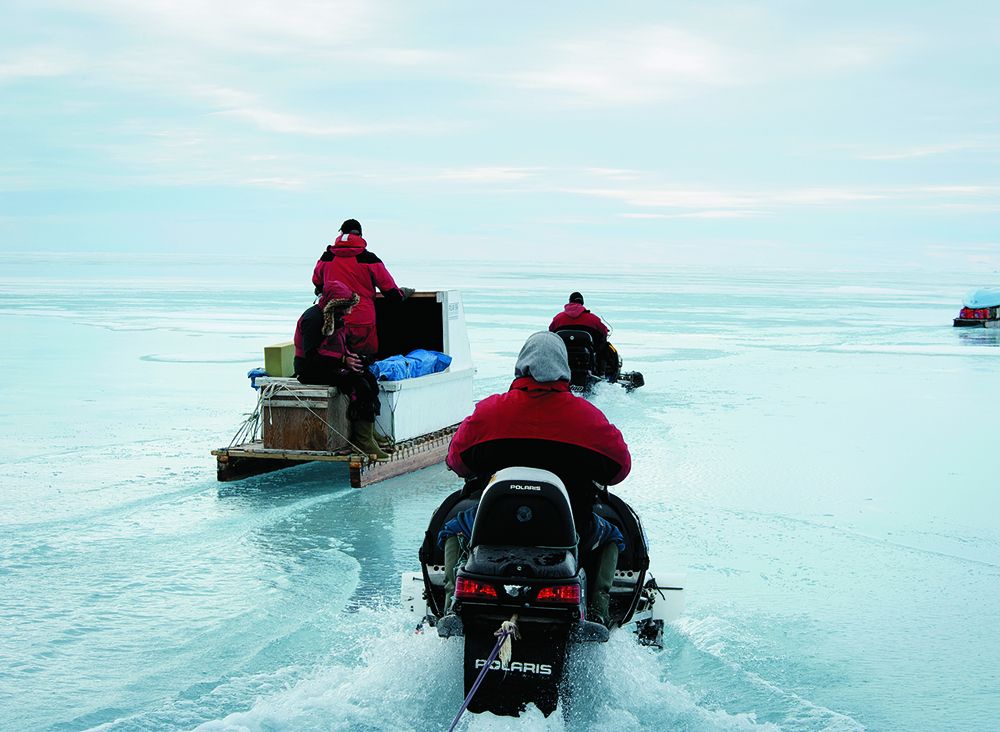
The Arctic is one of the coldest places on Earth. The Inuit people live here and face many challenges. They have adapted well to survive this harsh environment.
This article explains how the Inuit survive extreme cold and wind, limited food sources, and long darkness periods.
Extreme Cold And Wind
The Arctic cold is very harsh. Strong winds make it feel even colder. Inuit clothing is made from animal skins and fur. This keeps them warm and protects them from the wind.
They build homes called igloos. Igloos block the wind and keep heat inside. They also use seal oil lamps to add warmth and light.
Limited Food Sources
Food is hard to find in the Arctic. The Inuit eat fish, seals, whales, and caribou. They also gather berries and seaweed when possible.
- Seal meat provides fat and protein.
- Fish are caught through ice fishing holes.
- Caribou meat offers essential nutrients.
- Whale blubber is a high-energy food.
- Berries and seaweed add vitamins.
Long Darkness Periods
In winter, the Arctic has little or no sunlight for weeks. The Inuit use this time to rest and repair tools. They also spend time telling stories and making clothes.
| Activity | Purpose |
| Resting | Save energy during dark months |
| Tool repair | Prepare for hunting season |
| Storytelling | Pass down traditions and knowledge |
| Clothing making | Keep warm for colder times |
Traditional Clothing Techniques
The Inuit people live in very cold places. They made special clothes to stay warm. Their clothing helps them survive harsh weather.
These clothes use natural materials and smart designs. The clothes protect from cold wind, snow, and freezing temperatures.
Layering With Animal Skins
Inuit wear many layers of animal skins. Each layer traps air to keep heat close to the body. This way, cold air stays outside.
They use skins from seals, caribou, and other animals. These layers work together to keep warmth and block cold.
- Inner layers are soft and warm
- Outer layers are tough and protect from wind
- Layering allows easy adjustment for temperature
Waterproof And Insulating Materials
Inuit use seal skin because it is waterproof. This keeps them dry in snow and wet conditions. Wet clothes would cause cold quickly.
Caribou fur is very good for insulation. It traps warm air near the skin. This stops cold air from reaching the body.
- Seal skin blocks water and wind
- Caribou fur provides excellent warmth
- Combining materials improves protection
Custom Fit And Mobility
Inuit clothes are made to fit the body well. This stops cold air from getting inside. Clothes are not too tight or too loose.
The design allows good movement for hunting and daily work. They cut skins carefully to keep strong and flexible clothes.
- Close fit keeps warmth in
- Flexible design allows easy movement
- Careful cutting prevents damage
Shelter And Housing
The Inuit people live in some of the coldest places on Earth. Their shelters keep them warm and safe. They use materials from their environment to build homes that protect them from cold wind and snow.
Their housing methods are smart and practical. They change shelters based on the season and where they travel. Let’s explore how they build and keep warm in these homes.
Igloos And Snow Houses
Igloos are made from blocks of hard-packed snow. These snow houses trap heat inside. The snow acts as an insulator and keeps the cold air out. Igloos are dome-shaped to hold strong against wind and snow.
- Built quickly with snow blocks
- Dome shape prevents collapse
- Small entrance reduces heat loss
- Inside walls smooth to keep warmth
Portable Tents
In warmer months, Inuit use tents made from animal skins. These tents are easy to move. Hunters and families carry them when traveling. The skins keep rain and wind out while letting some air in.
| Material | Use |
| Caribou skins | Waterproof tent cover |
| Seal skins | Wind protection |
| Wood or bone poles | Support frame |
Heat Retention Methods
The Inuit use many ways to keep heat inside their homes. They use animal furs and skins for bedding and walls. They also build floors raised from the cold ground. Fire inside the shelter adds extra warmth.
- Animal furs cover floors and walls
- Raised platforms keep people off ice
- Small openings keep heat from escaping
- Use of oil lamps for warmth and light
Diet And Nutrition
The Inuit people live in very cold places with little plants. Their diet helps them stay warm and healthy. They eat mostly animals from the sea and land.
Their food gives them energy and fat to survive freezing weather. This article explains their special diet and how it works.
High-fat Marine Mammal Diet
Inuits eat many marine mammals like seals, whales, and walruses. These animals have lots of fat, which is very important for the cold.
The fat helps keep their bodies warm and gives them energy. It also protects their organs from the cold weather.
- Seal blubber is a main fat source
- Whale fat provides essential vitamins
- Walrus meat has both fat and protein
Raw Food Consumption
Inuits often eat some foods raw. Cooking can destroy important vitamins and nutrients. Eating raw preserves these healthy parts.
Raw meat and fish contain vitamin C and other nutrients that help prevent sickness in the cold.
- Raw seal liver is rich in vitamin A and C
- Raw fish keeps omega-3 fatty acids intact
- Raw food supports strong immune health
Seasonal Hunting Patterns
Inuits change their hunting based on seasons. Different animals are easier to catch at certain times of the year.
This helps them get a variety of food all year. It keeps their diet balanced and full of needed nutrients.
- Winter: hunt seals through ice holes
- Spring: catch fish and birds
- Summer: gather berries and hunt caribou
- Fall: prepare and store food for winter
Hunting And Fishing Skills
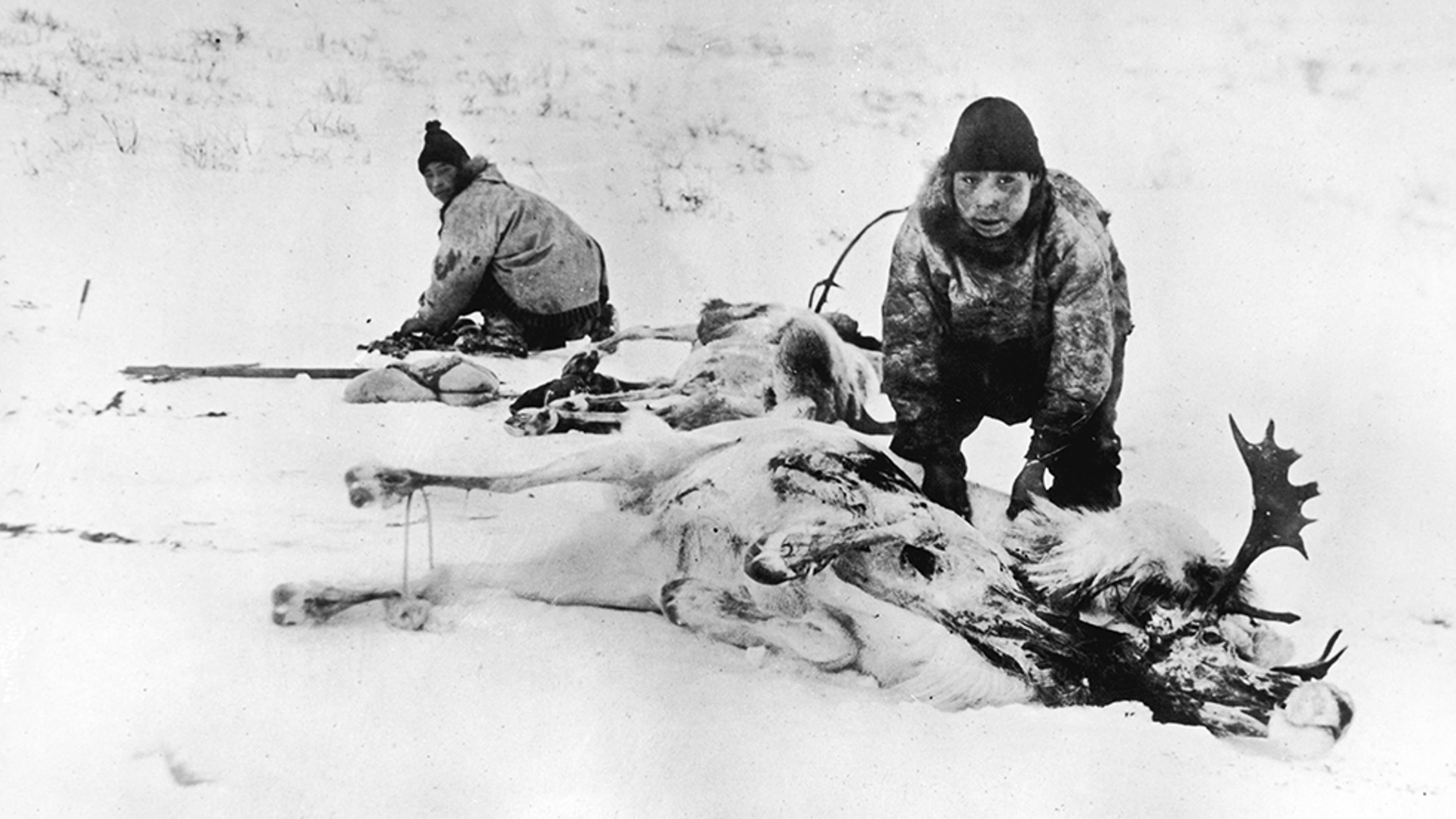
The Inuit people survive cold weather using expert hunting and fishing skills. These skills help them find food in harsh Arctic conditions. They use knowledge passed down through many generations.
Hunting and fishing are not just activities but ways to live. The Inuit rely on their skills to catch animals and fish for food and materials.
Use Of Traditional Tools
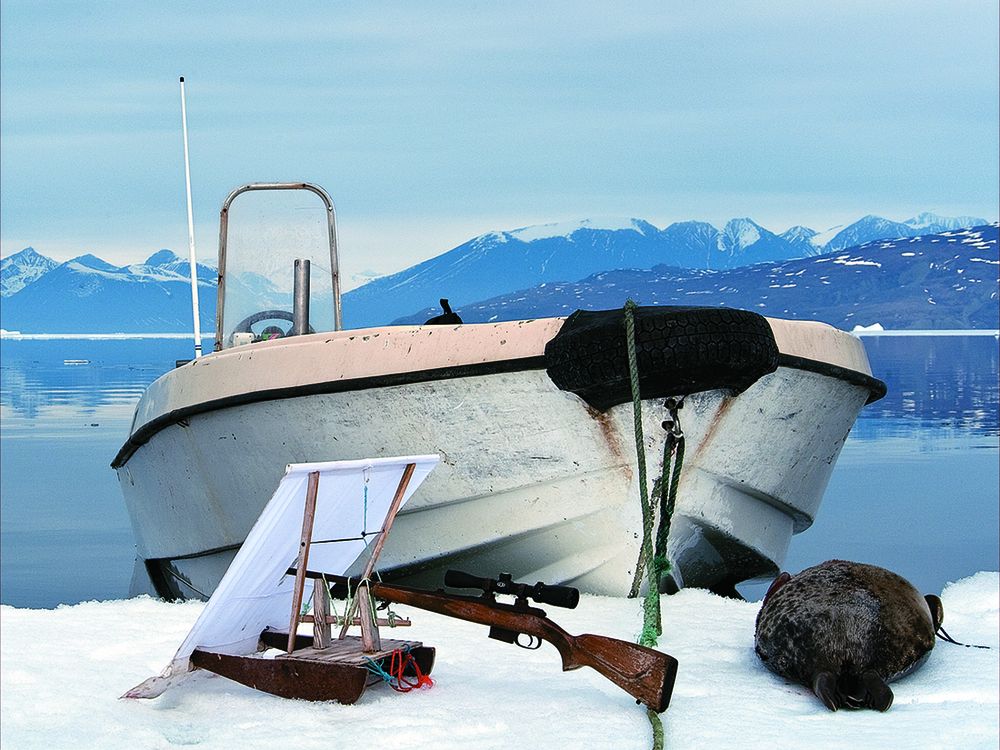
The Inuit use many traditional tools made from natural materials. These tools help them hunt and fish efficiently in cold weather.
- Harpoons made from bone or ivory to catch seals and whales
- Fishing spears for catching fish under the ice
- Snow knives to cut ice and prepare hunting sites
- Ulu knives used for skinning and cleaning animals
Tracking Animal Movements
The Inuit watch animal signs to know where to hunt. They observe tracks, droppings, and behavior to find food sources.
| Animal | Tracking Signs |
| Seal | Breathing holes in ice |
| Caribou | Footprints and grazing areas |
| Polar Bear | Large paw prints and scratch marks |
| Fish | Movement under thin ice layers |
Ice Fishing Techniques
The Inuit drill holes in the ice to fish in frozen waters. They use special techniques to catch fish safely and efficiently.
Ice fishing steps used by Inuit:
- Choose a safe spot with thick ice.
- Use an ice pick or auger to drill a hole.
- Lower a fishing line with bait into the hole.
- Wait patiently for fish to bite.
- Pull the line up slowly to catch fish.
Credit: www.smithsonianmag.com
Community And Social Support
The Inuit people live in very cold regions. They depend on each other to survive harsh weather. Their community helps everyone stay safe and warm.
Sharing and working together is key. Social support gives strength in times of cold and scarcity.
Sharing Resources
Inuit families share food and supplies with each other. This helps everyone have enough to eat during winter months.
They pass around meat and tools so no one is left without. Sharing builds trust and keeps the whole group healthy.
- Food like fish and seal meat is shared
- Clothing and tools are lent to those in need
- Shared resources reduce waste and increase survival
Group Hunting Expeditions
Inuits hunt in groups to catch large animals. Teamwork makes hunting safer and more successful.
Hunting together helps share the work and the catch. It also protects the community from dangers during the hunt.
- Groups plan hunts for seals, whales, and caribou
- Members share skills and watch for danger
- Catch is divided fairly among the group
Cultural Traditions And Knowledge Transfer
Elders teach younger people survival skills. They share stories and lessons about the land and animals.
This knowledge helps the community stay strong. It passes from one generation to the next through practice and speech.
- Learning how to build shelters and clothing
- Understanding weather and animal behavior
- Passing on hunting and fishing techniques
Adaptations And Physiology
The Inuit people live in some of the coldest places on Earth. Their bodies and habits help them survive the freezing weather. They have special ways to keep warm and stay healthy.
This article explains how the Inuit adapt through metabolic changes, physical traits, and conditioning. These help them handle the cold better than most people.
Metabolic Adjustments
The Inuit have a fast metabolism that produces more body heat. Their bodies burn energy quickly to stay warm during long cold days. They also eat a diet high in fat and protein, which helps fuel this heat production.
- High energy use to create heat
- Fat-rich diet supports warmth
- Efficient use of stored fat
Cold Resistance Traits
The Inuit have body features that reduce heat loss. Their bodies are shorter and rounder, which keeps heat inside. They also have a thicker layer of fat under the skin called blubber.
| Trait | Benefit |
| Short limbs | Less surface area loses heat |
| Round body shape | Retains warmth better |
| Thick fat layer | Insulates against cold |
Physical Conditioning
The Inuit stay active to keep their bodies strong and warm. They do hunting and fishing outdoors, which builds muscle and improves blood flow. Good blood flow helps keep their hands and feet warm.
- Regular outdoor activity builds muscle
- Strong muscles generate more heat
- Good circulation reduces frostbite risk
Credit: weather.com
Frequently Asked Questions
How Do Inuits Stay Warm In Extreme Cold?
Inuits wear layered, insulated clothing made from animal skins and fur. This traps heat and blocks harsh winds effectively.
What Traditional Foods Help Inuits Survive Cold Weather?
High-fat, protein-rich foods like seal, whale, and fish provide energy and keep Inuits warm in freezing temperatures.
How Do Inuits Build Shelters Against Cold?
Inuits build igloos and sod houses using snow and earth. These structures insulate heat and protect from wind.
What Role Does Physical Activity Play In Inuit Survival?
Regular hunting and movement generate body heat, improving circulation and helping Inuits maintain warmth during cold weather.
Conclusion
The Inuit people live in one of the coldest places on Earth. They use special clothes made from animal skins to stay warm. Their homes protect them from strong winds and freezing air. They also eat foods rich in fat to keep energy high.
Their skills and traditions help them survive harsh winters. This shows how humans can adapt to nature’s toughest conditions. The Inuit way of life teaches us about resilience and care for the environment. Cold weather is hard, but they thrive through smart choices and teamwork.