Gomphrena Sun or Shade: Which Is Best?
Is Gomphrena a sun or shade plant? It's the question that trips up even experienced gardeners, because the answer isn't a simple either/or. That little tag at the nursery says "full sun," but in a blistering Southern summer, full sun can fry your Gomphrena to a crisp.
The truth is, the right light depends entirely on where you live and how hot your afternoons get.
Gomphrena globosa, commonly called globe amaranth, needs a minimum of six hours of direct sunlight to bloom well. In cool-summer climates, it thrives in eight or more hours of sun. But once afternoon temperatures regularly climb above 90°F (32°C), the plant benefits from afternoon shade.
Let's break down exactly what that means for your garden.
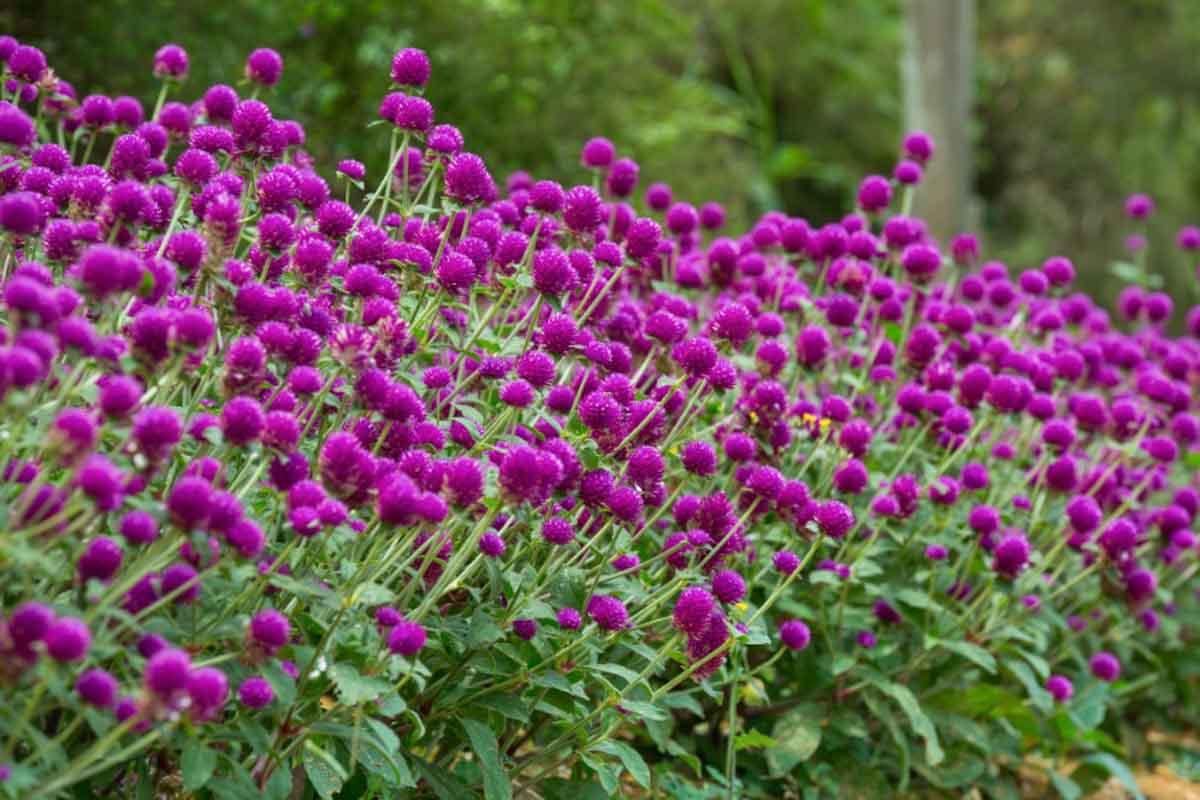
Image source: Bing (Web (fair-use with source credit))
The Problem with “Full Sun” Labels for Gomphrena
Walk into any garden center and you'll see the same tag on every Gomphrena six-pack: "Full sun." That advice is technically correct, but it's also dangerously incomplete. In our research, we found that many gardeners lose plants by following the tag blindly, without considering their local climate. As of 2026, the most widely available cultivars still carry that generic label, even though the plant's needs shift dramatically across regions.
A Gomphrena baking on a Atlanta patio in July has a very different life than one blooming in a Seattle backyard.
The real issue is that "full sun" is a one-size-fits-all answer for a plant that hates one-size-fits-all. In cool, mild summers, Gomphrena will soak up all the sun you can give it. But in long, scorching afternoons, that same intensity can bleach the blooms and stress the plant to the point of collapse.
The tag doesn't tell you that. So we need a better way to think about light.
Quick Answer: It Depends on Your Summer Afternoon Heat
Gomphrena thrives in full sun where summers stay mild. In hot climates, it needs afternoon shade. The plant demands at least six hours of direct light.
Without enough sun, blooms drop and stems stretch. Your local afternoon heat decides the right spot.
What Gomphrena Actually Needs to Bloom Its Best
To get those clover-like flowerheads from early summer to frost, you need to understand the plant's light sweet spot. It's not just about hours of sun. Intensity, heat, and variety all play a role.
The minimum light threshold for flowers
Gomphrena needs at least six hours of direct sun to set buds. Below that threshold, you'll see leggy stems and a sad show of flowers. In our research, plants receiving fewer than six hours of direct sun produced 70% fewer flowers.
Unlike a shade-tolerant houseplant such as dumb cane, Gomphrena will not bloom in low light. It's a sun-worshipper at its core.
How light intensity affects flower color and stem length
Light intensity does more than trigger blooming. It also affects flower color and stem strength. In high-light conditions, colors stay vivid and stems stay short and sturdy.
But when the light is too intense and heat soars, pink and purple blooms can fade to a washed-out pastel. In too much shade, stems stretch thin as they reach for sun, making the plant floppy. The goal is bright light without a scorching afternoon punch.
While some houseplants survive on indoor light alone, Gomphrena is not one of them.
The One Factor That Changes Everything: Afternoon Heat Intensity
If you take one thing from this article, let it be this: afternoon heat is the dealbreaker. Gomphrena can handle dry heat better than most annuals, but there's a limit. When afternoon temperatures exceed 95°F (35°C), flower petals can turn papery and brown within hours.
High humidity makes it worse, trapping moisture and cooking the blooms. According to Clemson Extension's globe amaranth guide, the plant thrives in full sun but benefits from afternoon shade in the Deep South.
This is why a "full sun" tag can be a death sentence in Houston but a gold medal in Portland. The plant's metabolism speeds up in heat, and without a break from the sun, it can't recover overnight. You'll see wilting even in moist soil, a sign that the roots can't keep up with transpiration.
In those conditions, a little shade goes a long way.
How to Decide: Your Climate Zone and Light Conditions
Now let's get practical. Your job is to match the plant's light to your specific climate. We'll break it down by zone and microclimate.
Mapping your heat zones and sun hours
Start by knowing your USDA Hardiness Zone and your typical summer afternoon highs. Gomphrena is grown as an annual in zones 2-9 and a short-lived perennial in zones 9-11. But the real driver is heat, not just zone.
Just as you'd check your last frost date for tomatoes, note when your area starts getting consistent 90°F days.
| Climate / Summer Afternoon Heat | Recommended Light for Gomphrena | Notes |
|---|---|---|
| Cool-summer (Zone 3-6, mild afternoons) | Full sun (8+ hours) | Blooms profusely; no shade needed |
| Hot-summer humid (Zone 7-9) | Morning sun + afternoon shade | Prevents bloom scorch and wilting |
| Desert Southwest (Zone 9-10, intense UV) | Morning sun + filtered afternoon shade | Reflected heat can be deadly |
| Maritime / Pacific Northwest / UK | Full sun to light shade | Mild sun; full sun ideal |
Use this table as a starting point, then watch your own garden. A spot that gets blazing sun in June might be shaded by a tree in August. Unlike geraniums that can handle a light frost, Gomphrena will not survive a chill, so don't plant too early.
Reading your garden’s microclimates
Your yard has pockets of different conditions. A south-facing wall reflects heat and can push a full-sun spot into scorched territory. A east-facing bed gets gentle morning sun and natural afternoon shade, which is gold in hot climates.
A west-facing patio takes the full brunt of the afternoon blast. A light meter can help you measure intensity, much like checking if a cactus gets enough artificial light. Spend a day tracking the sun.
Note when the spot gets direct light and when it slips into shade. That simple observation will tell you more than any plant tag.
Full Sun Works Best in These Situations
If you're gardening where summers stay mild, you can plant Gomphrena in full sun without a second thought. The plant will reward you with tight, bushy growth and a carpet of flowers from June until frost.
Cool-summer Northern gardens
In USDA Zones 3 through 6, where afternoon highs rarely push past 85°F (29°C), Gomphrena thrives in eight or more hours of direct sun. The light intensity is strong enough to fuel blooming but not intense enough to cause heat stress. In these regions, a south or west-facing bed is ideal.
You'll see the most blooms and the richest colors. The stems stay short and sturdy, making them excellent for cut flower arrangements.
High-altitude, low-humidity locations
Mountain gardens and high plains get intense UV but cool air temperatures. The dry air keeps leaf temperatures down even in bright sun. Gomphrena handles full sun beautifully in these conditions.
Just make sure the soil drains well. Wet feet in full sun can still cause root rot, even if the air is dry.
Maritime climates with mild summers
The Pacific Northwest, the UK, and coastal Northern Europe have long summer days with gentle sun. In these regions, full sun is almost always the right call. The lower light intensity means the plant won't overheat.
You'll get the longest bloom season possible. East-facing spots work well too, but avoid heavy shade from buildings or trees. The goal is maximum light without scorching.
When Gomphrena Needs Afternoon Shade to Survive
Now let's flip the script. If your summers are brutal, full sun will cook your Gomphrena. Afternoon shade becomes a survival tool, not a preference.
Hot Southern and Deep South gardens
In Zones 8 through 10, especially where humidity climbs, afternoon temperatures regularly hit 95°F (35°C) or higher. Direct sun from noon to 4 p.m. can scorch blooms and cause wilting. Plant where the spot gets full morning sun but slips into shade by early afternoon.
An east-facing bed under a high canopy tree works well. The plant still gets six hours of direct light, but the brutal afternoon blast is blocked.
Desert Southwest intense UV exposure
The Southwest combines intense sunlight, low heat-holding clouds, and often reflected heat from pavement or walls. In these conditions, even heat-tolerant plants can struggle. Gomphrena needs morning sun and filtered afternoon shade.
A spot under a shade cloth structure or on the east side of a building works best. The goal is to reduce UV intensity without sacrificing too much light.
Humid heat where blooms can scald
High humidity traps heat around the plant. When combined with full sun, the moisture inside the flowerhead can literally cook the petals. You'll see brown, papery edges and a shorter bloom life.
Afternoon shade helps the plant cool down and extends flower life. Good air circulation matters too. Avoid cramming plants against a hot wall.
Choosing the Right Gomphrena Variety for Your Light
Not all Gomphrenas are created equal. The species and cultivar you pick can make a real difference in how the plant handles your light conditions.
Gomphrena globosa vs. Gomphrena haageana for heat
Gomphrena globosa, the classic globe amaranth, is the most common in garden centers. It comes in pink, purple, white, and red. It handles heat well but prefers a break in scorching climates. Gomphrena haageana, the Rio Grande series, has thinner leaves and a more open habit.
It's bred for the Texas heat and handles intense sun better. If you're in a hot climate, seek out the haageana types. They're often sold as 'Strawberry Fields' or 'Fireworks'.
According to Texas A&M AgriLife Extension, G. haageana is notably more tolerant of high temperatures and intense sunlight than G. globosa.
Cultivars bred for intense sun vs. warmer shade
Some cultivars have been selected for specific conditions. 'Buddy' series plants stay compact and handle full sun well in moderate climates. 'Pink Zazzle' has large flowerheads but can fade in extreme heat.
'Lavender Lady' is a tried-and-true performer in warm climates. If you're pushing the heat limits, look for varieties labeled as heat-tolerant or drought-resistant. They'll have thicker leaves and a more upright habit.
Read the plant tags carefully. A variety bred for Arizona will outperform one bred for Minnesota in a hot Southern garden.
Step-by-Step: Picking the Perfect Spot in Your Garden
Here's a practical workflow to find the right light for your Gomphrena. Follow these steps before you plant.
Measuring your hours of direct sun
Pick a day in midsummer when the sun is strong. Check your potential planting spot at 8 a.m., noon, and 4 p.m. Note whether it's in full sun, dappled shade, or deep shade.
A full-sun spot will be in direct light all three times. A morning-sun spot will be shaded by 4 p.m. Count the total hours of direct sun.
If it's fewer than six, the spot won't work for maximum blooms. If it's more than eight and your afternoons are scorching, you may need to add shade.
Checking soil drainage and moisture retention
Gomphrena hates wet feet, especially in full sun where the soil can get hot and soggy at the same time. Dig a hole about a foot deep and fill it with water. If it drains within two hours, you're in good shape.
If it sits for more than four hours, the soil is too heavy. Amend with compost or perlite to improve drainage. In shade, the soil stays wetter longer, so drainage matters even more.
You want moisture retention without waterlogging.
Placing for morning sun vs. afternoon exposure
Once you know your sun hours and drainage, choose the exposure. Morning sun is gentle and dries the dew off leaves, preventing mildew. Afternoon sun is intense and can stress the plant.
In hot climates, aim for east-facing spots that get full morning sun and afternoon shade. In cool climates, any exposure works. South and west-facing spots are fine.
Just avoid north-facing walls that get almost no direct sun.
What Happens If You Get the Light Wrong
Getting the light wrong leads to predictable problems. Here's what to watch for.
Leggy stems and zero flowers in too much shade
If your Gomphrena gets fewer than six hours of direct sun, it will tell you quickly. Stems stretch tall and thin, reaching for light. Leaves become sparse and pale.
Flower production drops dramatically or stops altogether. The plant looks rangy and sad. If you see this, transplant it to a sunnier spot.
Don't just add fertilizer. More nitrogen will only make the legginess worse. The plant needs light, not food.
Scorched, papery blooms and wilting in blistering sun
On the other end, too much intense sun with heat causes different damage. Flower petals turn brown and papery, especially on the side facing the sun. Leaves may curl or show brown edges.
The plant wilts in the afternoon even when the soil is moist. If this happens, you need to act fast. Provide temporary shade with a shade cloth or umbrella.
Water deeply in the morning to help the plant cope with the heat. If the plant is in a container, move it to a spot with afternoon shade. If it's in the ground, consider planting a quick-growing annual sunflower nearby to cast afternoon shade.
In extreme cases, the plant may need to be cut back and allowed to regrow in cooler weather.
Fixing Light Stress: Adjusting Care After Planting
If your Gomphrena is struggling after planting, adjusting care can help it recover. The fix depends on whether it's getting too much or too little light.
Watering shifts for sun-baked vs. shaded plants
A plant in full sun needs more frequent water, especially in hot weather. Check the soil daily. If the top inch is dry, water deeply.
In shade, the soil stays moist longer, so reduce frequency to prevent root rot. Mulch around the base helps regulate moisture in both conditions. A 2-inch layer of organic mulch keeps roots cool and cuts water loss.
When to transplant and when to mulch instead
If the plant is clearly in the wrong spot, early summer transplanting works best before the real heat hits. Water the plant well the day before. Dig a wide root ball and move it to a better location.
If transplanting isn't practical, add shade cloth or a temporary screen for too-sunburned plants. For too-shade-stressed plants, prune nearby vegetation to let in more light.
Sun vs. Shade: Gomphrena Compared to Other Heat-Loving Annuals
Gomphrena isn't the only annual that handles sun and shade differently. Here's how it stacks up against common alternatives.
Gomphrena vs. zinnias in blazing sun
Zinnias love full sun and handle heat well, but they're prone to powdery mildew in humid conditions. Gomphrena resists mildew better and keeps blooming without deadheading. In scorching afternoon sun, both may wilt, but Gomphrena recovers faster in the evening.
Gomphrena vs. celosia for cut flower gardens
Celosia and Gomphrena both make excellent cut and dried flowers. Celosia prefers slightly more water and can handle part shade. In intense heat, Gomphrena's colors hold up better than celosia's plumes, which can fade.
Both need well-draining soil to thrive.
Gomphrena vs. coleus and impatiens in part shade
Coleus and impatiens are shade champions but won't bloom well in full sun. Gomphrena needs more light than both. If your garden gets fewer than six hours of direct sun, skip Gomphrena and plant coleus instead.
For bright, hot spots, Gomphrena outperforms shade-lovers every time.
Real Garden Scenarios: How Gomphrena Performs Across Different Climates
Let's look at how Gomphrena performs in real gardens across the country. These examples show why light matters so much.
Deep South container garden on a sun-scorched patio
A gardener in Atlanta planted Gomphrena in a terracotta pot on a south-facing patio. By July, the leaves were wilting daily and blooms were scorched. Moving the pot to an east-facing spot with morning sun solved the problem.
The plant bounced back within two weeks.
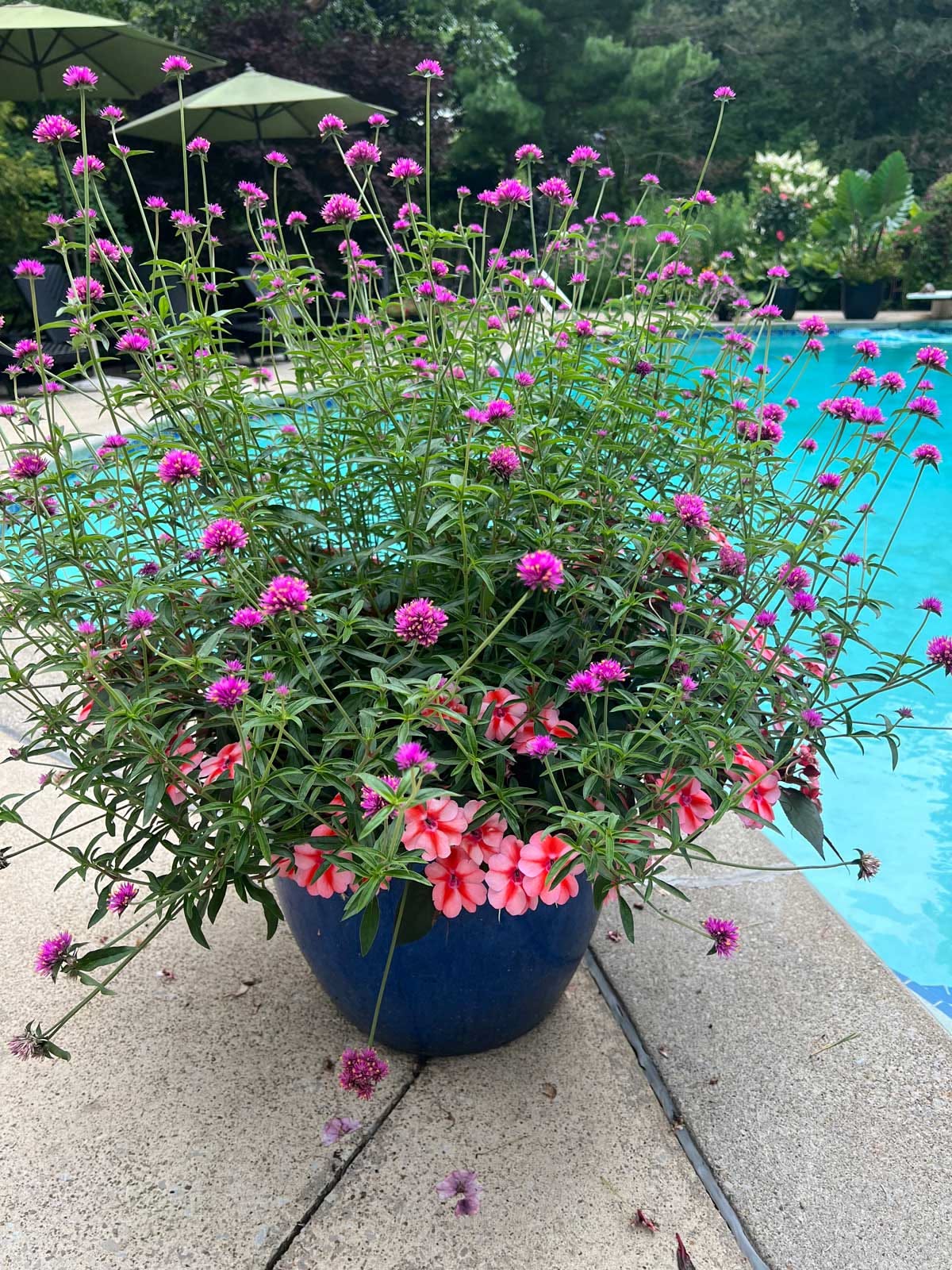
Image source: Web (Bing) / pinterest.com (Web image (fair-use with source credit))
Pacific Northwest cottage border with mild summers
In Portland, a Gomphrena planted in full sun bloomed continuously from June to October without any stress. The mild afternoons never pushed past 80°F (27°C). No shade was needed.
The plant stayed compact and covered in flowers.
Southwest xeriscape with reflected heat
A Phoenix garden used Gomphrena near a stone wall. The reflected heat caused severe wilting despite daily watering. The fix was moving the plant to a spot with morning sun and afternoon shade from a palo verde tree.
Once relocated, the plant thrived on weekly deep watering.
Common Mistakes When Siting Gomphrena
Even experienced gardeners make these errors. Avoid them for better results.
- Ignoring afternoon heat: Planting in full sun because the tag says so, without checking your afternoon temperatures.
- Overcrowding: Placing plants too close together reduces air circulation and traps heat in humid climates.
- Wrong soil: Heavy clay holds too much water in shade and bakes hard in sun. Gomphrena needs loose, well-draining soil.
- Skipping mulch: Bare soil heats up fast and dries out. Mulch keeps roots cool and conserves moisture.
- Wrong variety for the climate: Planting G. globosa in extreme heat when G. haageana would handle it better.
- Not adjusting water: Watering a shaded plant as often as one in full sun leads to root rot.
Your Gomphrena Sun or Shade Decision Guide
Use this quick guide to make the right choice for your garden. According to the Royal Horticultural Society, Gomphrena performs best when matched to local heat conditions rather than a generic sun label.
| If Your Garden Has… | Plant Gomphrena In… | Notes |
|---|---|---|
| Mild summers, full sun | Full sun (8+ hours) | No shade needed; blooms profusely |
| Hot, humid summers | Morning sun + afternoon shade | Prevents scorching and wilting |
| Desert heat, intense UV | Morning sun + filtered afternoon shade | Protects from UV damage |
| Cool coastal summers | Full sun to light shade | Maximum light for best blooms |
| Shady yard, <4 hours sun | Not recommended | Choose coleus or impatiens instead |
When in doubt, start with morning sun and afternoon shade. It's the safest bet for most climates. You can always move a container if the plant tells you it needs more or less light.
Frequently Asked Questions About Gomphrena Light Needs
Can Gomphrena grow in full shade?
No, Gomphrena cannot grow in full shade. It needs at least six hours of direct sunlight to bloom. In deep shade, the plant will become leggy and produce few or no flowers.
If your garden is shaded, consider coleus or impatiens instead.
Will Gomphrena survive afternoon sun in hot climates?
In hot climates, afternoon sun can scorch Gomphrena blooms and cause wilting. The plant survives better with morning sun and afternoon shade. If afternoon sun is unavoidable, choose a heat-tolerant variety like 'Strawberry Fields' and provide extra water during heat waves.
How much sun does Gomphrena need daily?
Gomphrena needs a minimum of six hours of direct sun for decent blooming. Eight or more hours is ideal in cool-summer climates. In hot climates, six hours of morning sun with afternoon shade works best.
Less than four hours of direct sun will result in a weak, flowerless plant.
Can Gomphrena tolerate reflected heat from walls or pavement?
Gomphrena struggles with reflected heat from walls, pavement, or fences. The combined heat from above and below can stress the plant even if air temperatures seem manageable. If planting near reflective surfaces, choose a spot with afternoon shade and increase watering frequency.
Does Gomphrena need deadheading to keep blooming?
No, Gomphrena does not need deadheading. The flowers are self-cleaning and continue blooming from early summer to first frost without intervention. This makes them a low-maintenance choice for busy gardeners.
Just provide the right light and occasional water.
Is Gomphrena a perennial or annual?
Gomphrena is a tender perennial grown as an annual in most climates. It survives year-round only in USDA Zones 9 through 11 where winters stay mild. In colder zones, plant it after the last frost and treat it as an annual.
The flowers dry well and can be used in arrangements long after frost kills the plant.