How to Survive Cold Weather Camping: Essential Tips for Warmth
Imagine waking up to the serene beauty of a snow-covered landscape, the crisp winter air filling your lungs, and the quiet stillness of nature surrounding you. Cold weather camping offers a unique and rewarding experience, but it also comes with its own set of challenges.
If you’ve ever found yourself shivering in a tent or struggling to stay warm, you’re not alone. Knowing how to survive cold weather camping is essential for enjoying the great outdoors during the colder months. In this guide, you’ll discover practical tips and tricks to keep warm, stay safe, and make the most of your chilly adventure.
Don’t let the cold hold you back—learn how to embrace it and turn your camping trip into a memorable, cozy escape. Keep reading, and you’ll soon be prepared to face the winter wilderness with confidence.

Credit: scoutingmagazine.org
Choosing The Right Gear
Camping in cold weather needs special gear to stay warm and safe. Picking the right equipment helps you enjoy your trip without discomfort. This guide covers key items you need for cold weather camping.
Focus on clothing, sleeping bags, and footwear. Each plays an important role in protecting you from the cold. Read on to learn what to choose for each.
Selecting Insulated Clothing
Insulated clothing keeps your body heat from escaping. Choose layers that trap air and block wind. Avoid cotton as it holds moisture and cools you down.
- Start with a moisture-wicking base layer
- Add an insulating middle layer like fleece or down
- Finish with a waterproof and windproof outer layer
- Wear insulated gloves and a warm hat
- Use neck gaiters or scarves to protect your face
Picking A Suitable Sleeping Bag
Sleeping bags rated for low temperatures keep you warm at night. Look for bags with good insulation and a shape that fits you well. Mummy-shaped bags trap heat better.
| Feature | What to Look For |
| Temperature Rating | Choose a bag rated below the lowest temperature you expect |
| Insulation Type | Down offers warmth and lightness; synthetic works when wet |
| Shape | Mummy shape reduces air space and keeps heat in |
| Weight | Lighter bags are easier to carry but may cost more |
Using Proper Footwear
Your feet need warmth and dryness to avoid frostbite and blisters. Choose boots made for cold weather. Insulation and waterproofing are key.
- Insulated boots keep heat inside
- Waterproof materials block snow and water
- Wear thick, moisture-wicking socks
- Bring extra socks to change if wet
- Use gaiters to keep snow out of boots

Credit: camplux.com
Setting Up Camp For Warmth
Cold weather camping needs careful planning to stay warm. Setting up your camp right helps keep the cold out. You will learn how to choose a good spot, build your tent for heat, and use ground layers.
These tips will make your outdoor stay safer and more comfortable in cold weather. Proper shelter and insulation are key to avoiding cold-related problems.
Finding A Sheltered Location
Pick a spot that blocks wind and holds heat well. Look for natural windbreaks like trees or rocks. Avoid low spots where cold air can settle. Find a place with good drainage to keep dry.
- Choose a spot with natural wind barriers
- Avoid valleys or dips that collect cold air
- Pick dry ground, not near water or mud
- Check for overhead branches that could drop snow
Building An Insulated Tent Setup
Set up your tent to keep warmth inside and cold air out. Use a four-season tent if possible. Seal gaps and close zippers tightly. Add extra layers like a tent footprint or tarp for insulation.
| Tip | Purpose |
| Use a tent footprint | Protects from cold ground and moisture |
| Seal tent seams | Stops wind and drafts |
| Add a tarp above tent | Extra barrier against cold and snow |
| Close all vents partially | Keeps warmth in but allows some airflow |
Using Ground Pads And Layers
Cold from the ground can soak through your sleeping bag. Use multiple layers to stop heat loss. Ground pads add insulation. Layer your sleeping gear for best warmth.
- Place a thick foam pad under your sleeping bag
- Add an inflatable insulated pad on top of foam
- Use a sleeping bag liner for extra warmth
- Wear warm clothes to bed but avoid sweating
Maintaining Body Heat
Camping in cold weather can be tough. Keeping your body warm is very important. You need to use smart ways to hold your heat.
Good heat management helps you stay safe and enjoy your trip. Focus on clothing, staying dry, and eating right.
Layering Techniques
Wearing layers traps heat close to your body. Use three types of layers for best results.
- Base layer:Wicks sweat away from your skin.
- Middle layer:Provides insulation to keep warmth.
- Outer layer:Protects from wind and rain.
Staying Dry And Avoiding Sweat
Wet clothes make you lose heat fast. Avoid sweating too much by adjusting your activity and layers.
| Tip | How It Helps |
| Wear breathable fabrics | Let moisture escape |
| Remove layers when active | Stop sweating early |
| Use waterproof gear | Keep rain and snow out |
Eating High-calorie Foods
Your body needs fuel to make heat. Eat foods that give you lots of energy.
- Nut butters like peanut or almond
- Cheese and whole milk products
- Dried fruits and nuts
- Chocolate and energy bars
- Fatty meats and fish
Managing Fire And Heat Sources
Cold weather camping needs careful planning for warmth. Fire and heat sources keep you safe and comfortable outdoors.
Use fire and heat wisely to avoid accidents and stay warm for long periods.
Safe Campfire Practices
Build campfires only in safe spots. Clear dry leaves and sticks around the fire area. Keep water or sand nearby to put out the fire.
- Choose a fire ring or pit if available.
- Use small sticks and dry wood to start the fire.
- Never leave the fire unattended.
- Keep the fire low to control heat and smoke.
- Fully extinguish the fire before sleeping or leaving.
Alternative Heat Sources
Sometimes campfires are not allowed or practical. Other heat sources can keep you warm and safe in cold weather.
| Heat Source | Benefits | Safety Tips |
|---|---|---|
| Portable propane heater | Quick heat, easy to use | Use only outdoors, keep away from flammable items |
| Chemical heat packs | Lightweight, no fire needed | Follow instructions, avoid direct skin contact |
| Battery heated gloves | Keeps hands warm during activities | Charge fully, keep batteries dry |
Using Hot Water Bottles
Hot water bottles provide gentle, lasting heat inside your sleeping bag or clothes. They are simple and effective.
Tips for using hot water bottles safely:
- Fill the bottle with hot, not boiling, water.
- Seal the bottle tightly to avoid leaks.
- Wrap the bottle in a cloth to prevent burns.
- Place it near your feet or back in your sleeping bag.
Dealing With Cold Weather Challenges
Camping in cold weather can be tough. The cold can cause health problems and discomfort.
Knowing how to handle the cold helps you stay safe and enjoy your trip.
Preventing Hypothermia And Frostbite
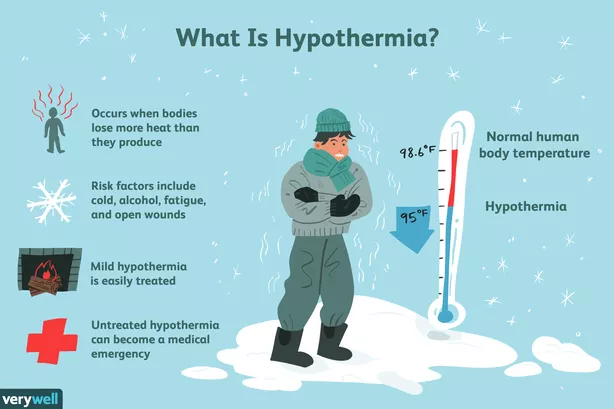
Hypothermia happens when your body gets too cold. Frostbite is when skin freezes. Both are serious.
Wear warm clothes in layers. Keep your hands, feet, and face covered. Move often to stay warm.
- Wear a hat and gloves
- Use insulated and waterproof boots
- Stay dry to keep body heat
- Avoid tight clothes that block blood flow
- Check skin regularly for signs of frostbite
Handling Wet Gear
Wet gear can make you colder and cause sickness. Keep clothes and sleeping bags dry.
Store wet items outside your tent. Dry clothes near a fire or inside your sleeping bag if safe.
- Use waterproof bags for clothes
- Change out of wet clothes quickly
- Hang wet gear in the sun or by a fire
- Use a tarp or rainfly to protect your tent
Adapting To Changing Weather
Cold weather can change fast. Be ready for wind, snow, or rain.
Check weather reports often. Adjust your plans and gear to stay safe and warm.
- Pack extra clothes and blankets
- Set up your tent in a sheltered spot
- Keep a small shovel to clear snow
- Have a plan to leave if weather gets too bad
Planning And Preparation
Camping in cold weather needs good planning and preparation. You must think about safety and comfort first.
Getting ready helps you enjoy the trip and avoid problems from cold or bad weather.
Checking Weather Forecasts
Look at weather reports for your camping days. Check for temperature, wind, and snow or rain.
Knowing the weather helps you pack the right clothes and gear. It also tells you if you should change plans.
Packing Emergency Supplies
Bring extra food, water, and warm clothes for emergencies. Cold weather can cause delays or accidents.
Pack a first aid kit, flashlight, and fire-starting tools. These items keep you safe and help in tough situations.
- Extra blankets or sleeping bags
- High-energy snacks
- Water purification tablets
- Spare batteries
- Multi-tool or knife
Informing Others Of Your Plans
Tell a friend or family where you will camp and your return time. This helps if you get lost or need help.
Leave details about your route and emergency contacts. Check in with them when you arrive and leave the site.

Credit: www.youtube.com
Frequently Asked Questions
What Clothing Is Best For Cold Weather Camping?
Layering is essential for cold weather camping. Use moisture-wicking base layers, insulating mid-layers, and waterproof outer layers. Avoid cotton as it retains moisture and causes chills. Proper clothing keeps you warm, dry, and comfortable in freezing temperatures.
How Do I Stay Warm Inside A Tent?
Use an insulated sleeping pad and a high-quality sleeping bag rated for low temperatures. Wear thermal clothing and keep a hot water bottle inside your sleeping bag. Ventilate the tent slightly to reduce condensation and maintain warmth without moisture buildup.
What Food Should I Pack For Cold Weather Camping?
Choose high-calorie, easy-to-prepare meals that provide energy and warmth. Include nuts, chocolate, dehydrated meals, and hot drinks like tea or soup. Avoid foods that require long cooking times to conserve fuel and stay warm efficiently.
How Can I Prevent Hypothermia While Camping?
Stay dry and dress in layers to regulate body temperature. Avoid sweating by adjusting clothing during physical activity. Keep moving, eat high-energy foods, and stay hydrated. Recognize early hypothermia signs and act quickly to warm up.
Conclusion
Cold weather camping can be tough but rewarding. Stay warm by dressing in layers and using good gear. Keep your body dry and protect your hands and feet. Plan your meals to keep energy high. Always check the weather before you go.
Remember, safety comes first. Enjoy the quiet and beauty of winter outdoors. With good preparation, cold weather camping becomes a great adventure. Try it once, and you might want to do it again.