How Do Newborn Gooslings Survive Cold Weather: Essential Survival Secrets
Ever wondered how those fluffy little goslings manage to survive the chilly winds and cold weather? As you watch them waddle behind their parents, it might seem like a miracle that such delicate creatures can endure harsh conditions.
But there’s more than just luck at play. Understanding how these newborn goslings cope with the cold can be both fascinating and enlightening. By exploring their natural instincts and the strategies they use, you’ll gain insights that might surprise you.
Keep reading to uncover the secrets behind their resilience and discover how these tiny birds continue to thrive against the odds.
Credit: practicalselfreliance.com
Cold Challenges For Newborn Gooslings
Newborn gooslings face many dangers during cold weather. Their small bodies have little fat to keep warm. They rely on their parents and environment to survive.
Understanding the risks helps us see how these young birds cope with harsh conditions. Cold weather tests their strength and safety in many ways.
Temperature Risks
Gooslings lose heat quickly because of their thin down feathers. Low temperatures can cause hypothermia fast. Wet conditions make it worse by removing insulation.
- Young birds cannot shiver enough to warm up.
- They need constant warmth from the mother goose.
- Cold slows their growth and weakens their immune system.
Predator Threats
Cold weather can increase danger from predators. Gooslings move slower and hide less in freezing temperatures. Predators find it easier to catch them.
| Predator | Common Attack Time | Risk Level |
| Foxes | Night | High |
| Raptors | Day | Medium |
| Snapping Turtles | Water | Low |
Environmental Hazards
Besides cold and predators, gooslings face other dangers outside. Ice and strong winds can cause injury or exhaustion. They must avoid deep water and rough terrain.
Key environmental hazards include:
- Slippery ice leading to falls
- Strong winds causing loss of balance
- Flooded nests exposing young birds
- Sharp rocks or debris in their path
Physical Adaptations
Newborn gooslings face cold weather soon after hatching. Their bodies have special features to help them stay warm. These physical adaptations keep them safe in chilly environments.
These changes include feathers, body fat, and how their metabolism works. Each plays a key role in their survival during cold days and nights.
Down Feathers And Insulation
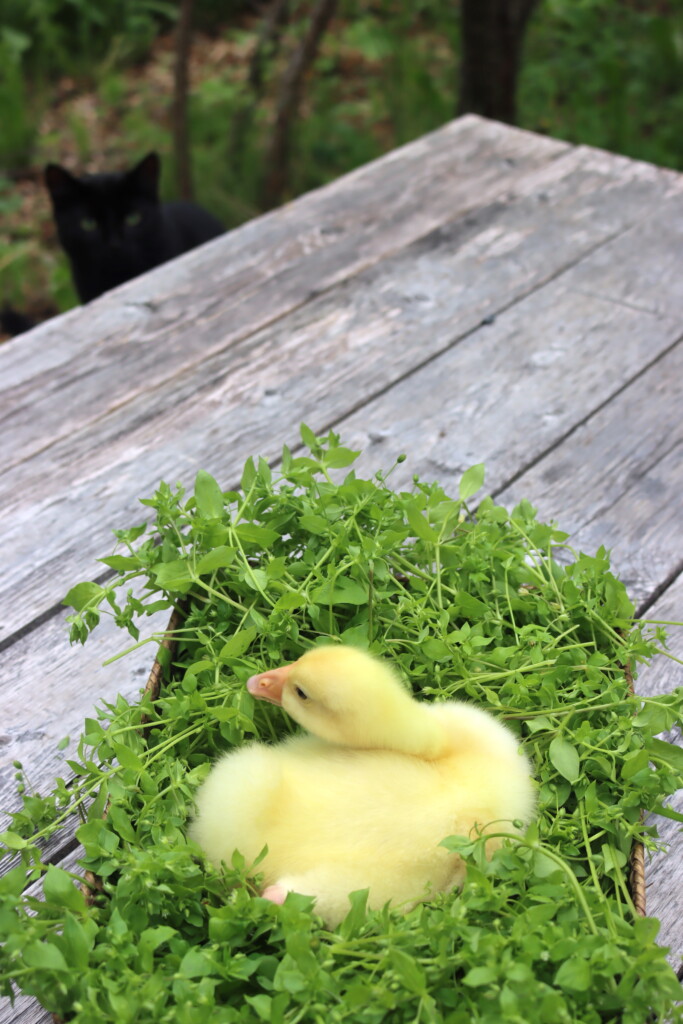
Gooslings have soft down feathers that trap warm air close to their skin. These feathers act like a blanket to keep heat inside their bodies.
The fluffy down covers most of their bodies and provides excellent insulation. It helps stop heat from escaping, even in strong cold winds.
- Down feathers are soft and fluffy
- They trap warm air near the skin
- Provide insulation against cold temperatures
- Protect gooslings from wind chill
Body Fat Reserves
Newborn gooslings build up fat under their skin. This fat acts as an extra layer of warmth to protect their bodies from cold.
The fat also stores energy that helps them stay active and generate heat when food is scarce or the weather is harsh.
- Fat provides extra insulation
- Stores energy for warmth
- Helps survive when food is limited
- Supports body heat in cold weather
Metabolic Adjustments
Gooslings increase their metabolism to create more body heat. This process helps them stay warm even when the air is very cold.
Their bodies burn fat faster to produce energy and heat. This adjustment is important for survival in freezing conditions.
- Metabolism speeds up to produce heat
- Burns fat quickly for energy
- Keeps body temperature stable
- Supports survival in low temperatures
Behavioral Strategies
Newborn gooslings use special behaviors to stay warm in cold weather. These actions help them survive when temperatures drop. Their instincts guide them to keep cozy and safe.
Each behavior plays a role in protecting young goslings from cold winds and freezing conditions. These strategies work together to improve their chances of survival.
Huddling For Warmth
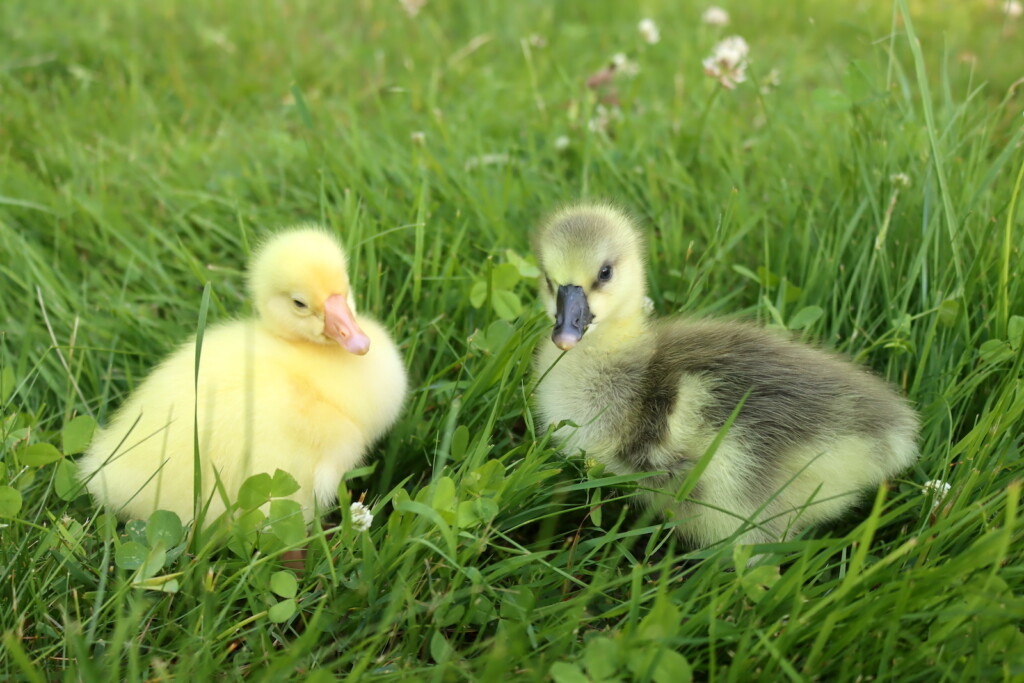
Gooslings gather close in groups to share body heat. This huddling reduces heat loss and keeps them warmer than when alone. The group acts like a living blanket.
- Gooslings press against each other tightly
- They take turns being in the center for warmth
- Huddling lowers exposure to cold air
- It helps them conserve energy
Staying Close To Parents
Young goslings stay near their parents to stay warm and safe. Parent geese provide body heat and block wind. This closeness also helps goslings feel secure.
| Benefit | How Parents Help |
| Warmth | Parents shield goslings from cold air |
| Protection | Parents watch for predators |
| Guidance | Parents lead goslings to safe spots |
Selecting Sheltered Locations
Gooslings choose places that block cold wind and keep snow away. These sheltered spots help them stay warm and dry. Choosing the right location is key.
Common sheltered locations include:
- Under thick bushes or tall grass
- Near rocks or fallen logs
- Behind natural windbreaks like hills
Parental Care Role
Newborn gooslings face cold weather soon after hatching. Their parents play a big role in keeping them safe and warm. Parental care helps gooslings survive harsh conditions.
Parents use several ways to protect their young. They keep them warm, lead them to food, and watch out for danger. These actions improve gooslings’ chances of survival.
Brooding Techniques
Parent geese brood their young by keeping them close under their bodies. This shields the gooslings from cold winds and low temperatures. The warmth from the parent’s body helps the babies stay warm.
Parents often sit on their young or cover them with their wings. This protects the gooslings from rain and snow. Brooding also gives the young a safe place to rest.
Guiding To Food Sources
Parents lead their gooslings to safe places where they can find food. They show them which plants and insects are good to eat. This guidance helps the young get proper nutrition.
By staying close to their parents, gooslings learn how to feed themselves. Parents watch over them while they eat to keep them safe. This teaching is important for the gooslings’ growth.
Protection From Predators
Parents stay alert to protect their young from predators. They use loud calls to warn gooslings of danger. Sometimes, they act aggressively to scare away threats.
They keep gooslings close and lead them to safe spots. Staying in groups also helps protect the young from being attacked. This constant care increases their survival chances.
Habitat Influences
Newborn gooslings face cold weather challenges soon after hatching. Their habitat plays a key role in their survival. Safe places and timing help protect them from harsh conditions.
This section explains how nesting sites, hatching times, and climate changes affect goosling survival in cold weather.
Choosing Safe Nesting Sites
Adult geese select nesting spots that offer shelter and warmth. These sites keep eggs and young safe from wind and predators.
- Near water to escape predators quickly
- With dense plants to block cold winds
- Elevated areas to avoid flooding
- Close to food sources for the parents
Seasonal Timing Of Hatching
Geese time their egg hatching to warmer months. This helps newborns avoid the coldest weather and increases their chances of survival.
| Season | Average Temperature | Goosling Hatching Rate |
| Spring | 45°F – 65°F | High |
| Early Summer | 65°F – 80°F | Medium |
| Late Summer | 70°F – 85°F | Low |
Impact Of Climate Variability
Changing weather patterns can harm gooslings. Unpredictable cold snaps or warm spells affect their growth and safety.
Climate effects on goosling survival:
- Early cold snaps can cause hypothermia.
- Warm winters may delay nesting.
- Increased storms can destroy nests.
- Shifts in food availability affect growth.
Credit: practicalselfreliance.com
Human Impact And Conservation
Newborn gooslings face many challenges to survive cold weather. Humans affect their habitats in many ways. This impact can make survival harder for these young birds.
Conservation helps protect gooslings and their homes. People work to keep their environment safe and support their growth during cold times.
Effects Of Habitat Disruption
Human actions like building and farming can destroy wetlands. Wetlands are where gooslings find food and shelter. Losing these areas makes it hard for them to stay warm and safe.
Pollution also harms water quality. Dirty water can reduce the plants and insects gooslings eat. This weakens their ability to survive cold weather.
Conservation Efforts
Many groups work to protect wetlands and restore damaged habitats. They create safe spaces where gooslings can grow. These efforts help keep the environment healthy.
Some programs monitor goosling populations. They study how cold weather and human changes affect their survival. This helps improve future conservation plans.
Supporting Goosling Survival
People can help by reducing pollution and protecting wetland areas. Planting native plants near water helps provide food and shelter. Keeping pets away from nesting sites also supports young gooslings.
- Clean up trash near wetlands
- Limit use of harmful chemicals
- Create safe zones for birds
- Educate communities about goosling needs
Credit: pethelpful.com
Frequently Asked Questions
How Do Newborn Gooslings Keep Warm In Cold Weather?
Newborn gooslings stay warm by huddling close to their mother and siblings. Their soft down feathers trap heat effectively. They also seek shelter in dense vegetation to block cold winds, helping them conserve body heat and survive harsh temperatures.
What Role Does The Mother Goose Play In Cold Survival?
The mother goose provides warmth by brooding her gooslings under her wings. She shields them from cold winds and predators. Her body heat is crucial for their survival during the first weeks when they cannot regulate their own temperature.
Do Gooslings Have Special Feathers For Cold Weather?
Yes, gooslings have down feathers that are soft and fluffy. These feathers trap air and create insulation, keeping them warm. Unlike adult feathers, down is excellent at retaining heat, which is vital for newborn gooslings in cold environments.
How Do Gooslings Find Shelter During Cold Weather?
Gooslings use natural shelters like tall grass, shrubs, or reeds near water bodies. These areas protect them from wind and predators. The mother guides them to safe spots where they can conserve warmth and stay hidden from harsh weather.
Conclusion
Newborn gooslings stay warm using thick down feathers. Their mother keeps them close for extra heat. They huddle together to share body warmth. These simple ways help them survive cold days. Nature gives them tools to face harsh weather. Watching gooslings grow shows nature’s smart design.
Their survival depends on warmth and safety. Understanding this helps us appreciate wildlife better. Cold weather is tough, but gooslings manage well. They remind us how life adapts and thrives.