How Do Animals Survive Cold Weather: Amazing Adaptations Explained
Have you ever wondered how animals manage to survive during those freezing winter months? While you bundle up in layers and stay cozy indoors, wildlife has its own clever ways to beat the cold.
From hibernating in hidden burrows to sporting natural ‘winter coats’, animals have fascinating adaptations that keep them alive in harsh conditions. Imagine discovering these secrets and uncovering how they impact survival in the wild. As you dive into these captivating survival stories, you might even find surprising parallels to your own winter strategies.
Curious to learn more? Let’s explore the amazing world of animal resilience in cold weather and see what nature can teach us about thriving in the chill.
Credit: www.discovermagazine.com
Cold Weather Challenges
Animals face many problems in cold weather. They must find ways to survive harsh conditions. Cold weather brings several challenges that affect their lives.
Understanding these challenges helps us see how animals adapt to live in cold places. They have special ways to protect themselves and find food and shelter.
Temperature Extremes
Cold weather means very low temperatures. Animals risk freezing if they do not stay warm. Many grow thick fur or feathers. Some animals change color to blend with snow and stay safe.
Limited Food Supply
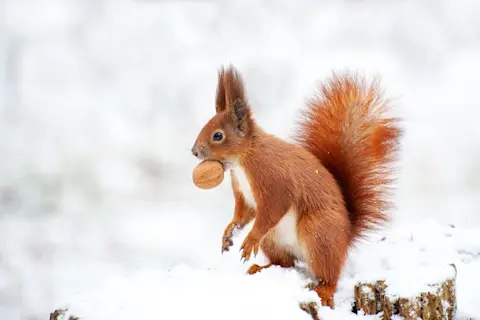
Food is hard to find in cold seasons. Many plants stop growing, and insects hide away. Animals must eat less or find stored food. Some move to warmer places to find food.
- Eat stored food from summer or fall
- Hunt small animals that stay active
- Eat bark, twigs, or frozen plants
- Slow down metabolism to need less food
Shelter Scarcity
Finding shelter is difficult in cold weather. Animals need places to stay warm and safe. Some dig burrows in the ground. Others use caves or thick forests. Shelter helps them avoid wind and snow.
| Animal | Shelter Type | Benefit |
| Fox | Burrow | Protects from wind and cold |
| Bear | Cave | Safe place to hibernate |
| Snowshoe Hare | Thick forest | Camouflage and protection |
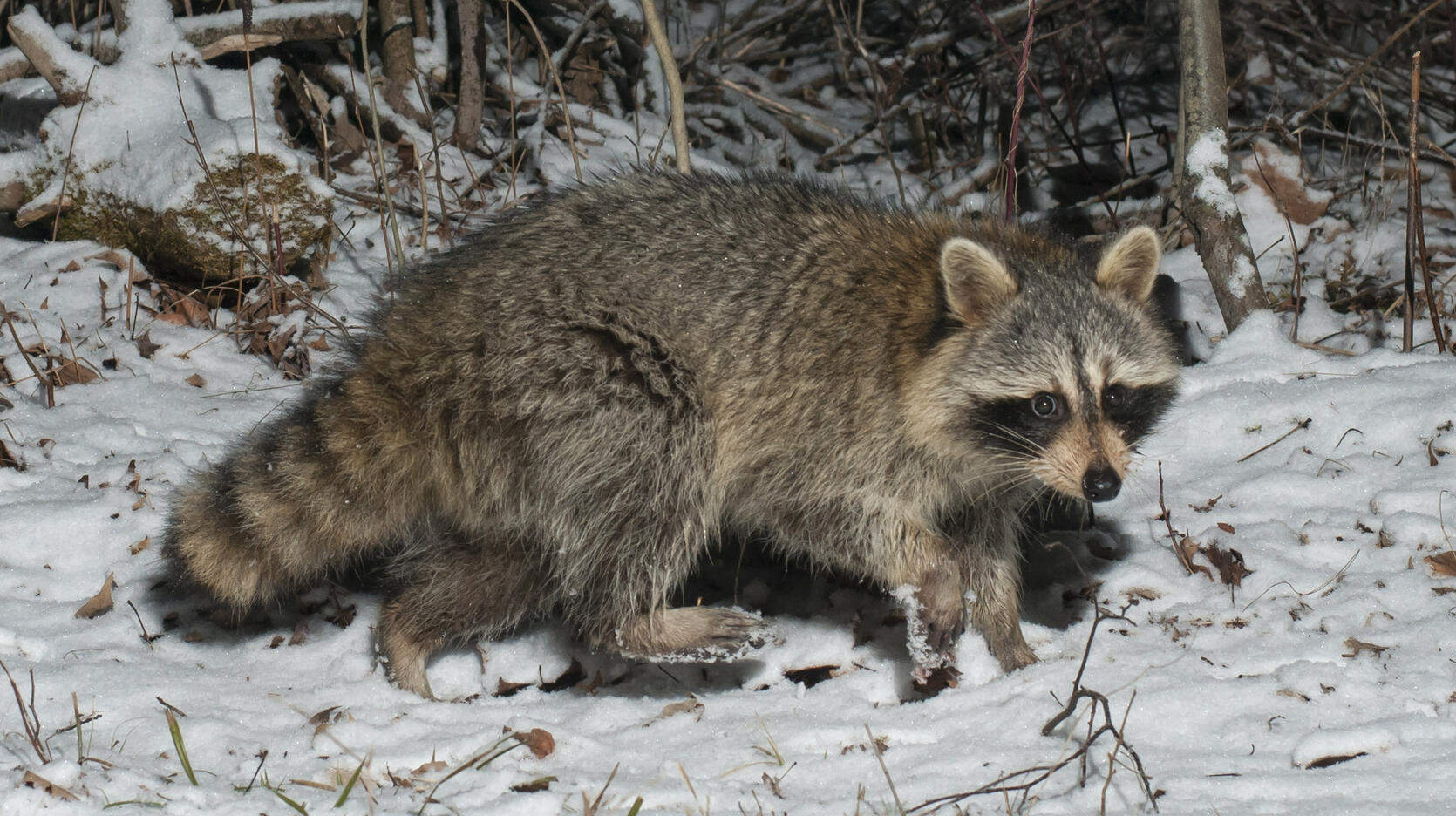
Credit: www.mass.gov
Physical Adaptations
Animals have special body features to survive cold weather. These adaptations help them keep warm. They protect animals from freezing temperatures.
Physical adaptations include changes in fur, fat, and color. These help animals stay safe and find food in winter.
Thick Fur And Feathers
Many animals grow thick fur or feathers in cold months. This extra layer traps heat close to their bodies. It stops cold air from reaching their skin.
- Wolves and foxes develop dense fur coats.
- Birds grow extra feathers for insulation.
- Some animals shed this fur in warmer seasons.
Fat Layers And Blubber
Fat under the skin keeps animals warm by storing heat. Marine animals use a thick fat called blubber. It helps them survive in icy water.
| Animal | Type of Fat | Purpose |
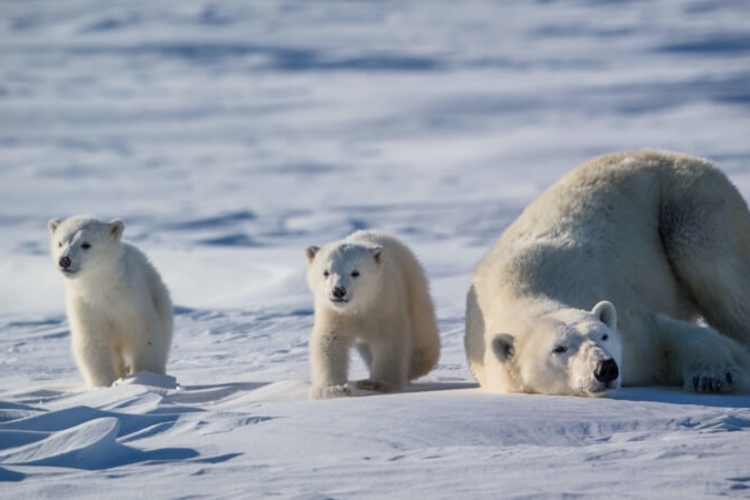
| Polar Bear | Blubber | Keep warm in Arctic cold |
| Seals | Blubber | Insulation and energy storage |
| Hedgehogs | Fat layer | Heat retention during hibernation |
Color Changes For Camouflage
Some animals change color to blend into snowy environments. This helps protect them from predators. Color changes also help them sneak up on prey.
- Arctic foxes turn white in winter and brown in summer.
- Snowshoe hares change fur color to match the snow.
- Ptarmigans have white feathers during winter months.
Behavioral Adaptations
Animals use different behaviors to survive cold weather. These behaviors help them stay warm and find food. They change what they do to handle the cold better.
Many animals move, rest, or live together to fight the cold. These actions are called behavioral adaptations. They help animals survive tough winter conditions.
Migration Patterns
Some animals move to warmer places when winter comes. This is called migration. Birds and whales are common migrants.
Migration helps animals find food and avoid freezing temperatures. They travel long distances to survive the cold season.
- Birds fly south to warmer areas
- Whales swim to warmer oceans
- Some insects move to sheltered spots
Hibernation And Torpor
Hibernation is when animals sleep for a long time in winter. Their body temperature and energy use go down. Bears and bats hibernate.
Torpor is a short, light sleep that helps animals save energy. It lasts for hours or days. Small animals like mice use torpor.
- Hibernation lasts weeks or months
- Torpor lasts hours or days
- Both reduce energy needs in cold
Group Living And Sharing Warmth
Many animals live in groups to stay warm. They cuddle or sleep close to share body heat. This helps them survive cold nights.
Group living also helps animals find food and protect each other. Penguins and prairie dogs use this strategy.
- Animals huddle to keep warm
- Groups help find food faster
- Living together protects from predators
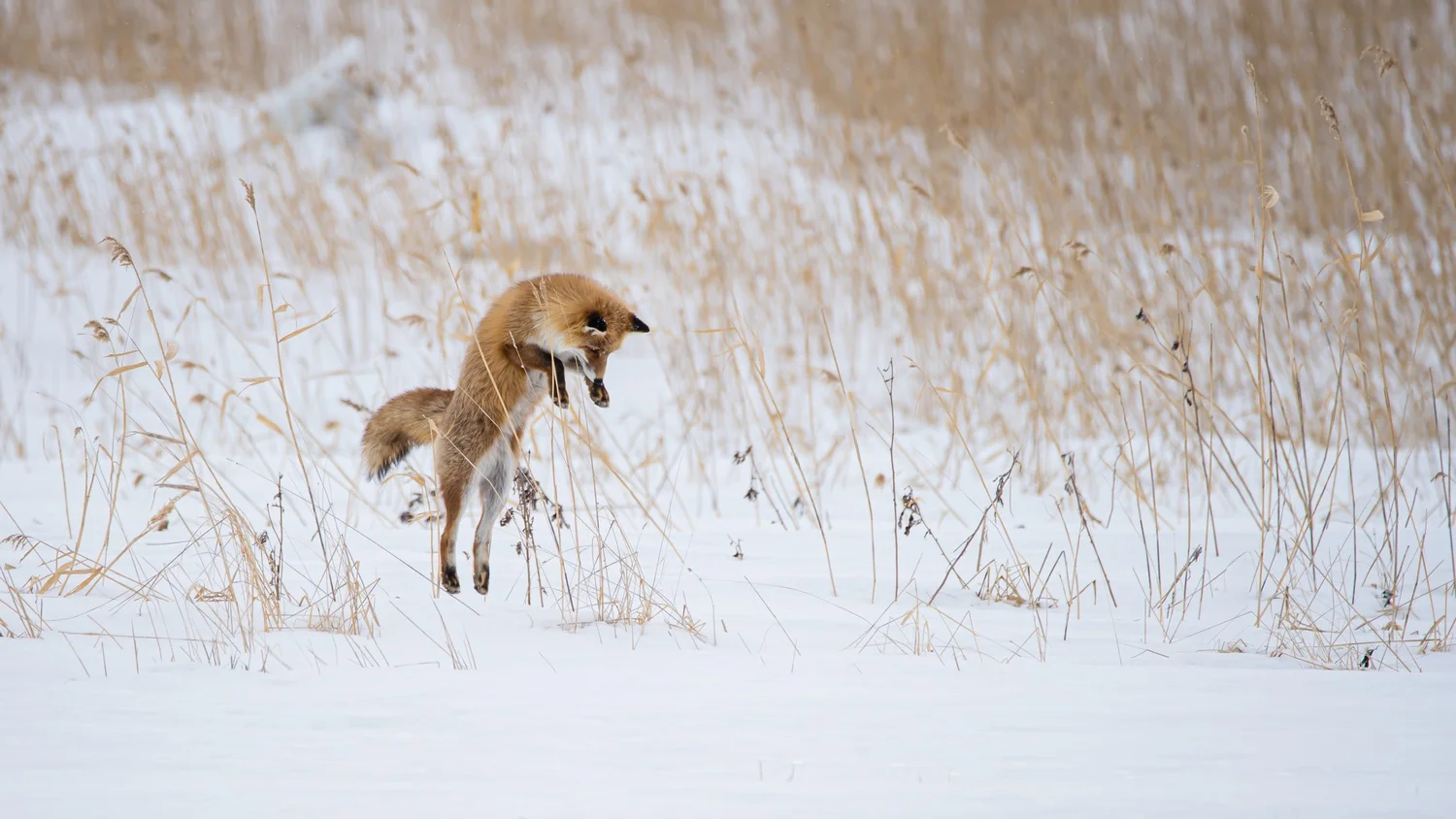
Credit: kalkaskaconservation.org
Physiological Changes
Animals have special ways to survive cold weather. Their bodies change to keep warm and stay alive. These changes help them manage the cold without using too much energy.
Some animals change how their body works inside. These changes include controlling heat, protecting cells, and managing blood flow.
Metabolic Rate Adjustments
Animals can change their metabolic rate to save energy in cold weather. A lower metabolic rate means the body uses less energy. This helps animals survive when food is scarce.
- Some animals slow down their metabolism to reduce heat loss.
- Others increase metabolism to produce more body heat.
- Hibernating animals greatly lower their metabolic rate during winter.
Antifreeze Proteins
Certain animals produce antifreeze proteins to avoid freezing. These proteins stop ice crystals from forming inside their bodies. This protects cells and tissues from cold damage.
| Animal | Type of Antifreeze Protein | Function |
|---|---|---|
| Arctic Fish | Type I | Prevents ice crystal growth in blood |
| Insects | Type II | Lowers freezing point of body fluids |
| Amphibians | Type III | Protects cells from ice damage |
Blood Flow Regulation
Animals change how blood flows to keep warm. They send more blood to vital organs and less to the skin or limbs. This helps keep their core temperature stable.
- Blood vessels in the skin narrow to reduce heat loss.
- Blood flow increases to the heart and brain to keep them warm.
- Some animals use countercurrent heat exchange to save heat in limbs.
Unique Species Examples
Animals in cold places have special ways to survive freezing weather. They use unique body features and behaviors.
Below are examples of three animals that live in cold climates. Each has its own survival tricks.
Arctic Fox
The Arctic fox lives in the cold Arctic tundra. It has thick fur that changes color with seasons. White in winter and brown in summer helps it hide from predators and sneak up on prey.
- Small body and short ears keep heat inside
- Thick tail to cover its face when it sleeps
- Fur-covered paws act like snowshoes
Emperor Penguin
Emperor penguins survive harsh Antarctic winters. They huddle in groups to share warmth. Their feathers keep water away and trap heat.
| Feature | Purpose |
| Thick feathers | Insulation from cold and water |
| Fat layer | Energy storage and warmth |
| Huddling behavior | Reduce heat loss as a group |
| Reduced extremities | Limit heat loss |
Snowshoe Hare
Snowshoe hares live in cold forests. They grow large feet in winter that help them walk on snow. Their fur changes color from brown to white to hide better.
- Large, furry feet act like snowshoes
- White fur blends with snow
- Thick winter coat keeps warmth
- Hides in dense brush for shelter
Frequently Asked Questions
How Do Animals Keep Warm In Cold Weather?
Animals keep warm by growing thicker fur or feathers. Some huddle together for shared body heat. Others store fat as insulation. These adaptations help maintain their body temperature during cold seasons.
What Strategies Help Animals Find Food In Winter?
Animals adapt by changing diets or foraging times. Some store food in advance. Others rely on fat reserves. These strategies ensure survival when food is scarce in cold weather.
Do Animals Hibernate To Survive Winter Cold?
Yes, many animals hibernate to conserve energy. During hibernation, their metabolism slows down. This reduces the need for food and protects them from harsh conditions.
How Do Animals Prevent Freezing In Extreme Cold?
Animals produce antifreeze proteins in their blood. These proteins stop ice crystals from forming. This adaptation allows survival in freezing temperatures without tissue damage.
Conclusion
Animals use many ways to stay warm in cold weather. They grow thick fur or feathers to trap heat. Some animals huddle together to share body warmth. Others find shelter in burrows or caves. Many slow down their activity to save energy.
These natural habits help them survive harsh winters. Nature’s design is smart and strong. Watching animals adapt shows how life finds a way. Cold weather is tough, but animals handle it well. Their survival skills inspire us to respect nature’s power.