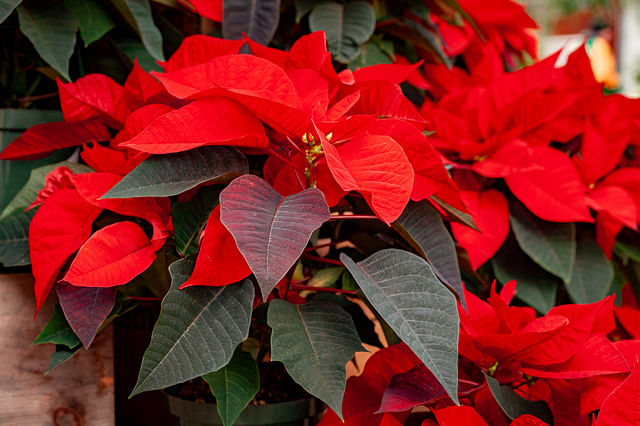
Can Poinsettias Survive in Cold Weather: Essential Survival Tips
Ever wondered if your beloved poinsettias can brave the chilly months? You’re not alone.
Many plant lovers like you find themselves pondering over the fate of these festive beauties as temperatures drop. Poinsettias are a holiday favorite, brightening up homes with their vibrant red and green leaves. But when winter rolls in, you might worry if they can withstand the cold.
You’re about to discover the truth that could change the way you care for these plants. Stay with us to learn how you can keep your poinsettias thriving, even when the weather turns frosty. Ready to unlock the secrets to their survival? Let’s dive in!
Poinsettias And Cold Weather
Poinsettias are popular plants during the winter holidays. Many people wonder if these plants can survive cold weather outside.
Understanding how poinsettias react to cold helps you care for them properly. This guide explains their cold sensitivity and survival limits.
Cold Sensitivity Of Poinsettias
Poinsettias are sensitive to cold temperatures. They come from warm climates and do not handle frost well.
Exposure to cold can cause leaf drop, wilting, or even kill the plant. Keep poinsettias away from drafts and cold windows.
- Leaves turn black or brown if too cold
- Cold stress weakens the plant
- Indoor temperatures protect poinsettias better
Temperature Thresholds For Survival
Poinsettias survive best in temperatures above 50°F (10°C). Temperatures below this can harm the plant quickly.
Freezing temperatures are deadly for poinsettias. Avoid placing them outside if frost is expected.
| Temperature Range | Effect on Poinsettia |
|---|---|
| Above 60°F (15°C) | Healthy growth and bright colors |
| 50°F to 60°F (10°C to 15°C) | Safe but not ideal; slows growth |
| Below 50°F (10°C) | Stress signs like leaf drop and discoloration |
| 32°F (0°C) and below | Plant death due to frost damage |

Credit: www.gardeningknowhow.com
Signs Of Cold Damage
Poinsettias are sensitive to cold temperatures. Cold weather can hurt their leaves, stems, and roots. It is important to watch for signs of damage early.
Cold damage shows in different ways. You can spot it by looking closely at the plant’s parts. Knowing these signs helps you save your poinsettia.
Leaf Discoloration
Leaves turn different colors when cold hurts them. They may become pale, yellow, or brown. This happens because the cold stops the leaves from working well.
Frost can also cause dark spots on leaves. These spots look dry and crispy. You might see leaves curling or falling off too.
- Pale green or yellow leaves
- Brown or black dry spots
- Leaves curling or dropping
Stem And Root Issues
Cold weather can damage stems and roots of poinsettias. Stems may become soft or dark. This weakens the plant and can cause it to break easily.
Roots may stop growing in cold soil. They can also rot if the ground is too wet and cold. Damaged roots make the plant sick and slow to recover.
- Soft, dark, or blackened stems
- Stems that break easily
- Roots that fail to grow
- Rotting roots in cold, wet soil
Protecting Poinsettias Outdoors
Poinsettias are popular plants during the cold season. They can be delicate outside in cold weather. Protecting them helps keep them healthy and beautiful.
There are simple ways to shelter poinsettias and keep their roots warm. This guide covers two key methods to protect them outdoors.
Ideal Shelter Options
Choose a spot that blocks wind and harsh weather. A covered porch or near a wall works well. Avoid places with direct frost or ice.
- Place plants under a roof or awning
- Use cold frames or garden cloches
- Group plants close to retain heat
- Cover plants with frost cloth or burlap
Mulching And Insulation Techniques
Mulch helps keep soil warm and stops water loss. It also protects roots from freezing temperatures. Use natural materials for best results.
| Mulch Type | Benefits |
| Straw or Hay | Keeps soil warm and dry |
| Wood Chips | Insulates roots and prevents frost |
| Leaves | Improves soil moisture retention |
| Pine Needles | Allows air flow and prevents mold |

Credit: www.gardeningknowhow.com
Indoor Care For Winter
Poinsettias are popular plants during winter. They need special care to stay healthy indoors.
Cold weather can harm poinsettias if they are outside. Keep them inside to protect from frost.
Choosing The Right Location
Place poinsettias near a window with bright, indirect light. Too much sun can burn leaves.
Avoid cold drafts and heaters. Sudden temperature changes can damage the plant.
- Bright, indirect light for 6 hours daily
- Keep away from cold windows and doors
- Do not place near heating vents or radiators
- Maintain room temperature between 65°F and 75°F
Watering And Humidity Tips
Water poinsettias when the top inch of soil feels dry. Do not overwater to avoid root rot.
Poinsettias like moderate humidity. Dry indoor air can cause leaf drop and browning edges.
- Check soil moisture every few days
- Water thoroughly but let excess drain out
- Use a humidifier or place a water tray nearby
- Avoid misting leaves directly
Preparing For Temperature Drops
Poinsettias are sensitive to cold weather and can suffer damage from frost. Preparing your plants for colder temperatures helps keep them healthy.
There are simple ways to protect poinsettias. Using frost covers and gradual acclimation are two effective methods.
Using Frost Covers
Frost covers shield poinsettias from freezing temperatures. They create a barrier that traps heat and stops frost from settling on leaves.
- Use lightweight fabric or cloth designed for frost protection.
- Cover the plants in the evening before temperatures drop.
- Secure the cover to prevent wind from blowing it away.
- Remove covers during the day to allow sunlight and air.
- Avoid plastic covers that can trap moisture and cause damage.
Gradual Acclimation Methods
Gradual acclimation helps poinsettias get used to cooler air. This reduces shock and improves their chance to survive cold weather.
| Day | Temperature Exposure | Notes |
| 1-2 | 60°F (15°C) | Keep indoors during night |
| 3-5 | 55°F (13°C) | Short outdoor periods |
| 6-7 | 50°F (10°C) | Longer outdoor exposure |
| 8+ | 45°F (7°C) or lower | Full outdoor placement with frost cover |
Recovering From Cold Stress
Poinsettias can suffer when exposed to cold weather. Cold stress causes leaf damage and slows growth.
To help your poinsettia recover, you need to care for it properly after cold exposure.
Pruning Damaged Parts
Remove leaves and stems that look brown or wilted. This stops disease and helps the plant focus on new growth.
- Use clean, sharp scissors to cut damaged areas.
- Cut back to healthy green tissue.
- Dispose of cuttings to prevent mold.
- Do not prune too much at once; only remove what is clearly dead.
Boosting Plant Health
After pruning, support your poinsettia with good care to help it recover faster.
| Care Tip | Action |
| Light | Place in bright, indirect sunlight |
| Water | Keep soil moist but not soggy |
| Temperature | Keep indoors above 60°F (15°C) |
| Fertilizer | Feed monthly with balanced fertilizer |
| Humidity | Use a humidifier or mist leaves |

Credit: www.yahoo.com
Frequently Asked Questions
Can Poinsettias Survive Freezing Temperatures?
No, poinsettias cannot survive freezing temperatures. They thrive in temperatures above 50°F (10°C). Prolonged cold can damage their leaves and stems, causing the plant to die.
What Is The Ideal Temperature For Poinsettias?
Poinsettias prefer temperatures between 65°F and 75°F (18°C to 24°C). Avoid exposing them to drafts or sudden temperature changes to keep them healthy.
How To Protect Poinsettias From Cold Weather?
Keep poinsettias indoors during cold months. Place them away from windows and doors. Use insulated coverings if they must be outside briefly.
Can Poinsettias Recover After Cold Exposure?
Poinsettias may survive mild cold exposure if quickly warmed. Severe cold usually causes permanent damage. Pruning damaged leaves can help recovery if the stem remains healthy.
Conclusion
Poinsettias struggle to survive in cold weather without care. Protect them from frost and freezing temperatures. Keep them inside or in a warm spot during winter. Water them carefully, avoiding too much or too little. Healthy poinsettias can bloom again with the right attention.
Remember, these plants prefer warmth and gentle light. Cold weather can harm their leaves and flowers fast. Taking simple steps helps your poinsettia stay vibrant and alive. Treat them kindly, and they will brighten your home for months.