Can a Camel Survive in Cold Weather? Surprising Facts Revealed
When you think of camels, you probably imagine vast, scorching deserts, not chilly, snowy landscapes. But have you ever wondered if these remarkable creatures can brave the cold?
Imagine a world where a camel strolls through snow-covered fields, its breath visible in the crisp air. Sounds intriguing, right? We’ll delve into whether camels can actually survive in cold weather. You’ll discover fascinating facts about these adaptable animals and learn just how much they can endure.
Keep reading to uncover the surprising truths about camels and cold climates—you might just be amazed at their resilience!
Camel Adaptations
Camels live mostly in hot deserts, but they can also handle cold weather. Their bodies have special features that help them survive in tough climates.
These features include their body structure, fur, and how they store fat. Each helps the camel stay warm when it is cold outside.
Body Structure
Camels have large bodies that keep heat inside. Their long legs lift their bodies away from cold ground. This reduces heat loss during cold nights.
Fur And Insulation
Their thick fur changes with the seasons. In winter, it grows longer and denser to keep warmth in. The fur also blocks cold wind and traps air close to the skin.
- Long, thick winter fur
- Shorter fur in summer for cooling
- Fur traps warm air close to the body
- Blocks cold wind from reaching skin
Fat Storage
Camels store fat in their humps, not all over their bodies. This fat acts as energy and helps keep the body warm in cold weather.
| Fat Location | Purpose in Cold Weather |
| Humps | Stores energy and reduces heat loss |
| Body | Less fat means less heat loss through skin |
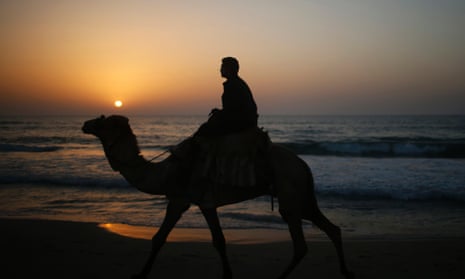
Credit: www.theguardian.com
Cold Weather Challenges
Camels are known for living in hot deserts. Cold weather brings many challenges for camels. They need to adapt to survive low temperatures.
This article looks at cold weather challenges for camels. We focus on temperature, food and water, and shelter needs.
Temperature Extremes
Camels are built for heat, not cold. Their thick fur keeps heat in hot weather. In cold, this fur may not protect enough.
Low temperatures cause stress and can lower a camel’s body functions. Frostbite and hypothermia risk increase in freezing weather.
Food And Water Availability
Cold weather reduces food and water sources. Plants may freeze or become scarce. Water can freeze, making it hard for camels to drink.
Camels need enough food to keep warm. They burn more energy in cold weather. Lack of food and water weakens their health.
- Frozen plants limit food supply
- Water sources may freeze over
- More food needed to generate body heat
Shelter Needs
Camels need shelter from wind and cold. Natural shelters are rare in deserts. Cold winds can make camels lose heat quickly.
Proper shelter helps camels stay warm and safe. Farmers may need to provide windbreaks or barns during cold weather. Shelter reduces energy loss.
Camel Survival Strategies
Camels are known for living in hot deserts. They can also survive cold weather. Their bodies and behaviors help them stay safe.
Understanding how camels survive cold helps us learn about nature’s designs. They use different ways to keep warm and find food.
Behavioral Changes
Camels change how they act in cold weather. They move less to save energy and keep warm. They also huddle together to share body heat.
They look for sunny spots to rest during the day. This helps them use the sun’s warmth. At night, they find shelter from cold winds.
- Reduce movement to save energy
- Huddle with other camels for warmth
- Rest in sunny places during the day
- Seek shelter from cold wind at night
Physiological Adjustments
Camels’ bodies change to handle cold. Their thick fur grows longer to keep heat inside. This fur acts like a warm coat.
Their body temperature changes less in cold. This helps them save energy. They also reduce water loss to stay hydrated in dry, cold places.
- Grow thicker, longer fur
- Keep steady body temperature
- Reduce water loss
- Use fat stored in humps for energy
Seasonal Movements
Camels move to warmer areas when cold comes. They travel to places with more food and shelter. This helps them survive winter.
These movements are not very long. Camels find spots with better conditions to avoid harsh cold. This is a smart way to live through seasons.
- Move to warmer regions in winter
- Look for areas with food and shelter
- Make short seasonal trips
- Avoid harsh cold by relocating
Species Variation
Camels can live in different climates based on their species. Each type has unique traits for cold weather survival. Understanding these species helps us see how camels adapt.
This section covers dromedary camels, Bactrian camels, and hybrid camels. Each has different features for cold weather endurance.
Dromedary Camels
Dromedary camels have one hump and live mostly in hot deserts. Their bodies are not well suited for cold weather. They have thin fur and less fat to keep them warm.
Bactrian Camels
Bactrian camels have two humps and live in cold desert areas. They have thick fur that helps them survive freezing temperatures. Their body fat stores energy and keeps them warm.
- Thick woolly coat in winter
- Two humps for fat storage
- Strong legs for snowy terrain
- Ability to survive long cold spells
Hybrid Camels
Hybrid camels are crosses between dromedary and Bactrian camels. They combine traits from both species. This helps them live in varied climates including cold weather.
| Trait | Dromedary | Bactrian | Hybrid |
|---|---|---|---|
| Number of Humps | One | Two | One or Two (mixed) |
| Fur Thickness | Thin | Thick | Medium |
| Cold Weather Adaptation | Poor | Excellent | Good |
| Habitat | Hot deserts | Cold deserts | Mixed climates |
Human Influence
Camels are known for living in hot deserts. People wonder if they can live in cold places. Humans have changed how camels live and survive.
This article looks at how humans affect camels in cold weather. We will talk about domestication, care, and efforts to protect them.
Domestication Effects
Humans have kept camels for thousands of years. Domestication changes their behavior and bodies. Camels today may handle cold better than wild ones.
Living with humans means camels get food and shelter. This helps them survive cold winters. But it also means they depend on people more.
Camel Care In Cold Regions
People who raise camels in cold areas give extra care. They make shelters and give warm food. This helps camels stay healthy.
- Provide insulated shelters to block wind and snow
- Feed high-energy food to keep camels warm
- Check camels often for signs of cold stress
- Use blankets or coverings if needed
- Keep water from freezing to ensure hydration
Conservation Efforts
Some camels live in wild or natural areas. People work to protect these animals from harm. Conservation groups study camels and their habitats.
| Conservation Action | Purpose |
| Habitat protection | Keep camels safe from human damage |
| Research | Learn how camels adapt to cold |
| Education | Help people understand camel needs |
| Captive breeding | Support population growth in cold regions |

Credit: www.theguardian.com
Surprising Facts
Camels are famous for living in hot deserts. Few people know they can handle cold weather too. Their bodies have special features that help them survive low temperatures.
This article shares surprising facts about camels and cold weather. Learn how camels stay warm and survive in cold places.
Unexpected Cold Tolerance
Camels have thick fur that protects them from cold winds. Their fur traps heat close to the skin. This helps keep their body warm during cold nights.
They can also change their body temperature to save energy. Camels lower their temperature at night and raise it during the day. This helps them avoid losing heat.
- Thick fur keeps cold out
- Body temperature changes to save heat
- Can survive freezing nights in deserts
Historical Accounts
Travelers in cold deserts wrote about camels surviving harsh winters. They saw camels walking through snow and ice. This proved camels do not only live in hot places.
Some reports show camels used in mountainous areas with cold weather. People relied on camels for transport even in winter months. This shows camels adapt well to cold climates.
- Camels seen in snowy deserts
- Used in cold mountain regions
- Trusted by people in winter travel
Scientific Studies
Scientists studied camels’ fur and body heat control. They found camels keep their skin warm while the outside stays cold. This helps avoid frostbite and cold damage.
Research also showed camels can survive in temperatures below freezing for short times. Their unique body system helps them handle cold stress better than many animals.
- Fur traps warmth near skin
- Skin stays warm, outside cool
- Can survive short freezing times

Credit: motherspet.com
Frequently Asked Questions
Can Camels Adapt To Cold Weather Conditions?
Yes, camels can adapt to cold weather due to their thick fur and fat layers. These features insulate their bodies, helping retain heat during cold nights or winters.
Do Camels Survive Freezing Temperatures Naturally?
Camels can survive freezing temperatures but only for short periods. They prefer warmer climates but tolerate cold by reducing activity and using their body fat for energy.
How Do Camels Regulate Body Temperature In Cold?
Camels regulate body temperature through fur insulation and by adjusting blood flow. Their thick coat traps heat, while their metabolic rate slows down to conserve energy.
Are Camels’ Survival Mechanisms Effective In Snowy Environments?
Camels’ survival mechanisms help in mild cold but are less effective in heavy snow. Extreme cold and snow can stress camels, requiring shelter and supplemental care.
Conclusion
Camels are built for hot deserts but can handle cold weather too. Their thick fur keeps them warm during chilly nights. Camels can survive short cold spells but not extreme cold for long. They adapt by eating different plants and finding shelter.
Knowing how camels live helps us understand their strength. Nature designs animals to survive in many ways. Camels show us resilience in tough climates. They are truly remarkable creatures.