Can Pigeons Survive Cold Weather: Surprising Survival Secrets Revealed
Have you ever watched pigeons bustling around your city streets and wondered how they cope when winter hits? It’s a question that might have crossed your mind as you bundled up in layers to brave the cold.
Pigeons, with their seemingly delicate features, face the same frosty challenges. But can they really survive the biting winter chill? Understanding how these urban birds adapt to cold weather might surprise you. We’ll uncover the secrets of their survival, explore how they stay warm, and why their strategies could change the way you view these feathered city dwellers.
Keep reading to discover the fascinating ways pigeons thrive even when temperatures drop.

Credit: www.ovocontrol.com
Pigeons And Cold Climates
Pigeons are common birds found in many parts of the world. People often wonder if pigeons can live in cold weather. These birds have ways to survive in chilly places.
This article explains how pigeons live in cold climates. It looks at where they live and how their behavior changes in winter.
Natural Habitats In Cold Regions
Pigeons live in cities and rural areas in cold regions. They find places that protect them from the wind and snow. Buildings, bridges, and caves offer good shelter.
Some pigeons also live near farms where food is easy to find. They use their strong feathers to keep warm during cold days.
- Urban areas with many buildings
- Bridges and tunnels for shelter
- Rural farms with steady food supply
- Rocky cliffs and caves
Seasonal Behavior Changes
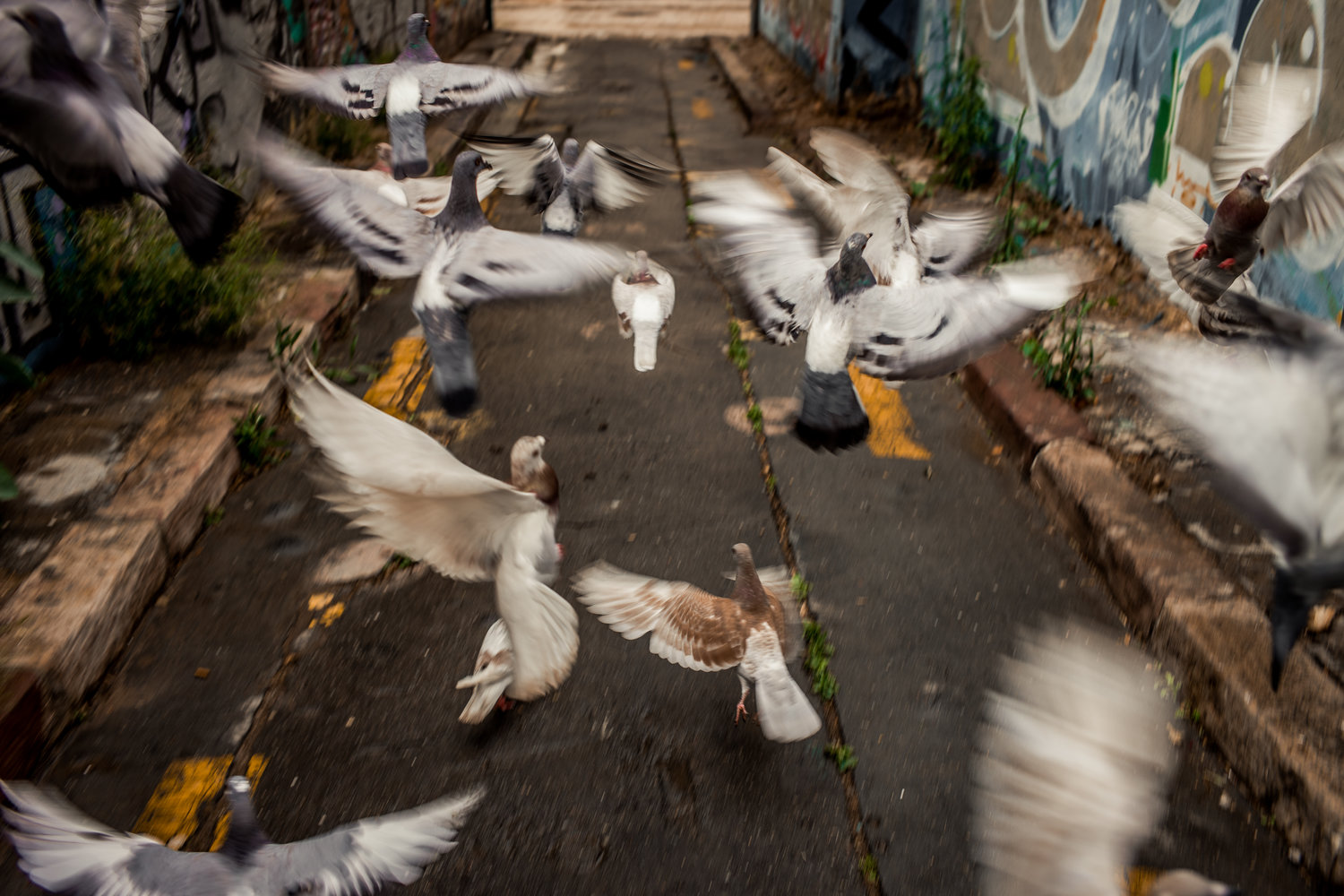
Pigeons change their habits when the weather gets cold. They stay close to warm places and search for food more often. Pigeons fluff their feathers to trap heat.
In winter, pigeons may form larger groups. This helps them keep warm and find food together. They also rest more to save energy.
- Stay near buildings or warm spots
- Fluff feathers to keep heat
- Gather in groups for warmth
- Search for food more often
- Rest to save energy
Physical Adaptations For Cold
Pigeons can survive cold weather because of special body features. These features help keep them warm.
Two main parts help pigeons stay warm: their feathers and body fat. Both work together to fight the cold.
Feather Insulation And Structure
Pigeons have many feathers that trap air close to their skin. This air acts like a warm blanket.
The feathers are layered tightly. The outer feathers block cold wind and rain. The inner feathers keep heat inside.
- Outer feathers are stiff and protect against wind.
- Down feathers underneath are soft and trap heat.
- Feathers can fluff up to hold more warm air.
Body Fat And Energy Reserves
Pigeons store fat under their skin. This fat acts like an extra layer to keep them warm.
Fat also gives pigeons energy to stay active in cold weather. They use this energy to keep their body temperature high.
- Fat under the skin helps insulate against cold.
- Energy from fat fuels body heat and movement.
- Pigeons eat more in cold months to build fat reserves.
Behavioral Strategies To Stay Warm
Pigeons face cold weather by using smart behaviors. These actions help them keep warm and survive harsh conditions.
They do not rely only on their feathers. Their habits and group actions play a big role in staying warm.
Roosting Habits
Pigeons find sheltered spots to roost at night. They choose places protected from wind and rain.
These spots include building ledges, bridges, and tree branches. Roosting in safe places helps pigeons keep body heat.
Huddling And Grouping
Pigeons stay close to each other in cold weather. This behavior is called huddling or grouping.
Huddling reduces heat loss by sharing body warmth. The group acts like a single warm unit.
- Reduces exposure to cold air
- Increases warmth with body contact
- Improves survival chances in freezing weather
Reduced Activity Levels
Pigeons move less during cold times to save energy. Staying still helps them keep heat inside their bodies.
By resting more, pigeons use less energy. This helps them survive when food is harder to find in winter.
Diet And Energy Management
Pigeons need extra energy to stay warm in cold weather. Their diet helps them manage this energy well. Eating the right food keeps their body heat steady.
Cold weather makes it hard for pigeons to find food. They change their eating habits to save energy. This helps them survive winter better.
Winter Feeding Patterns
Pigeons eat more often during cold days. They need more fuel to keep their body warm. Small meals throughout the day help them stay energized.
They also eat foods that give more calories. Seeds and grains are good sources. These foods burn slowly and provide lasting energy.
- Eat small meals many times a day
- Choose high-calorie foods like seeds
- Rest between feeding to save energy
Food Sources In Harsh Weather
In winter, natural food is harder to find. Pigeons look for leftover grains in fields or parks. They also eat scraps near homes and buildings.
People sometimes leave bird feeders with seeds. These feeders help pigeons get enough food. Pigeons use these easy food sources to survive cold months.
- Leftover grains in open fields
- Food scraps near human areas
- Bird feeders with seeds and grains
Human Impact On Pigeon Survival
Pigeons live close to people in cities around the world. Humans change their environment in many ways. This affects how pigeons survive cold weather.
People provide places and food that help pigeons live through winter. These actions can make a big difference for pigeons during cold months.
Urban Shelter Opportunities
Cities offer many places where pigeons can find shelter. Buildings, bridges, and tunnels protect them from wind and snow. These shelters keep pigeons warm.
Humans build structures that create safe spots for pigeons. Roofs and ledges block cold air. Pigeons use these areas to rest and stay dry.
- Building ledges provide wind protection
- Bridges offer dark, warm hiding spots
- Abandoned buildings serve as shelters
- Heating vents near buildings warm nearby areas
Supplemental Feeding By People
People often feed pigeons in parks and streets. This extra food helps pigeons get energy to survive cold days. It is important when natural food is scarce.
Feeding pigeons can improve their chances of staying healthy. But too much bread or junk food can harm them. Good feeding helps pigeons stay strong in winter.
- Seeds and grains are healthy food choices
- Regular feeding supports pigeon energy needs
- Feeding near shelter spots improves survival
- Avoid feeding moldy or processed foods
Credit: www.pigeons.biz
Challenges Pigeons Face In Winter
Pigeons face many problems during cold weather. Their survival depends on how well they handle these challenges.
Winter brings harsh conditions that test pigeons’ strength and adaptability. They must find ways to stay warm and safe.
Frostbite And Hypothermia Risks
Pigeons can get frostbite on their feet, legs, and exposed skin. Cold temperatures cause tissue damage and pain.
Hypothermia happens when pigeons lose body heat too fast. It slows their movements and can lead to death if untreated.
- Frostbite damages toes and feet
- Hypothermia lowers body temperature
- Cold weakens immune system
- Wet feathers reduce insulation
Predators And Limited Food
Winter makes it hard for pigeons to find food. Snow and ice cover seeds and scraps they usually eat.
Predators take advantage of pigeons’ slower movements. Hawks and other birds hunt them more often in winter.
- Food sources shrink in cold months
- Predators increase hunting activity
- Weaker pigeons are easy targets
- Competition for food grows stronger
Scientific Studies And Observations
Pigeons are common birds found in many parts of the world. People often wonder if they can survive cold weather. Scientists have studied pigeons to learn how they handle low temperatures.
Research shows pigeons use different ways to stay warm. Observations and experiments give us facts about their cold weather survival skills.
Tracking Pigeon Movements
Scientists use trackers to follow pigeons during winter. These trackers show where pigeons go when it gets cold. Many pigeons move to warmer spots or find shelter.
Tracking helps understand if pigeons stay in cold areas or travel far. It also shows how long they stay outside in cold weather.
- Use of GPS devices attached to pigeons
- Monitoring daily movement patterns
- Finding preferred shelter locations
- Recording distance traveled during cold days
Temperature Tolerance Experiments
Scientists test how pigeons react to cold in controlled places. They lower the temperature and watch how pigeons behave. Pigeons fluff their feathers to keep heat.
Experiments show pigeons can survive temperatures close to freezing. They use energy to stay warm but can handle cold for short times.
- Measuring body heat in cold conditions
- Observing changes in pigeon activity
- Checking feather insulation effects
- Recording survival rates at low temperatures
Credit: www.ovocontrol.com
Frequently Asked Questions
Can Pigeons Survive Freezing Temperatures Outdoors?
Yes, pigeons can survive freezing weather by fluffing their feathers to trap heat. They seek shelter and huddle together to stay warm during extreme cold.
How Do Pigeons Stay Warm In Winter?
Pigeons use their dense feathers as insulation. They also roost in sheltered spots and reduce activity to conserve energy in cold weather.
Do Pigeons Migrate To Avoid Cold Weather?
Most pigeons do not migrate. They adapt to cold climates by changing behavior and finding warmer places to roost during winter.
What Food Helps Pigeons Survive Cold Weather?
High-energy foods like seeds and grains help pigeons maintain body heat. Access to fresh water is also crucial for their survival in winter.
Conclusion
Pigeons can handle cold weather better than many birds. They fluff their feathers to stay warm. They also find shelter in safe places. Food and water help them survive winter days. Still, extreme cold can be hard for pigeons. Watching them adapt shows nature’s strength.
These birds remind us of resilience in tough times. Understanding their needs helps us protect them. Cold weather is a challenge, but pigeons often manage well.