Can Date Trees Survive in Cold Weather? Essential Tips Revealed
Have you ever wondered if date trees, known for their sweet, delectable fruits, can brave the chill of cold weather? As someone interested in gardening or farming, you might be curious about whether these tropical trees can thrive in regions with colder climates.
Understanding this could open up new opportunities for your gardening ventures or even transform your backyard into a unique oasis. This article will unravel the myths and facts about the resilience of date trees in lower temperatures. Could these palm trees be more adaptable than you think?
Read on to discover how you can potentially cultivate date trees in your own chilly corner of the world, and learn the tips and tricks to help them flourish against the odds.
Date Trees And Climate
Date trees thrive best in warm climates with plenty of sunshine.
Understanding their native conditions and temperature limits helps growers protect them in cold weather.
Native Growing Conditions
Date trees naturally grow in desert regions with hot days and cool nights.
- Low humidity helps prevent fungal diseases.
- Well-drained sandy soil supports root health.
- Long dry seasons allow fruit to ripen fully.
- Minimal frost exposure protects tender buds.
Temperature Tolerance
Date trees can tolerate heat well but struggle with freezing temperatures.
| Temperature Range | Effect on Date Trees |
| Above 100°F (38°C) | Thrives and grows fast |
| 50°F to 100°F (10°C to 38°C) | Healthy growth |
| 32°F to 50°F (0°C to 10°C) | Slows growth, no damage |
| Below 32°F (0°C) | Risk of frost damage |
| Below 20°F (-6°C) | Severe damage or death |
Impact Of Cold On Date Trees
Date trees are native to warm climates. Cold weather can cause serious problems for them. Understanding how cold affects these trees helps gardeners protect their plants.
Cold temperatures slow down the growth of date trees. They also increase the risk of damage to the tree’s tissues and fruit.
Frost Damage Risks
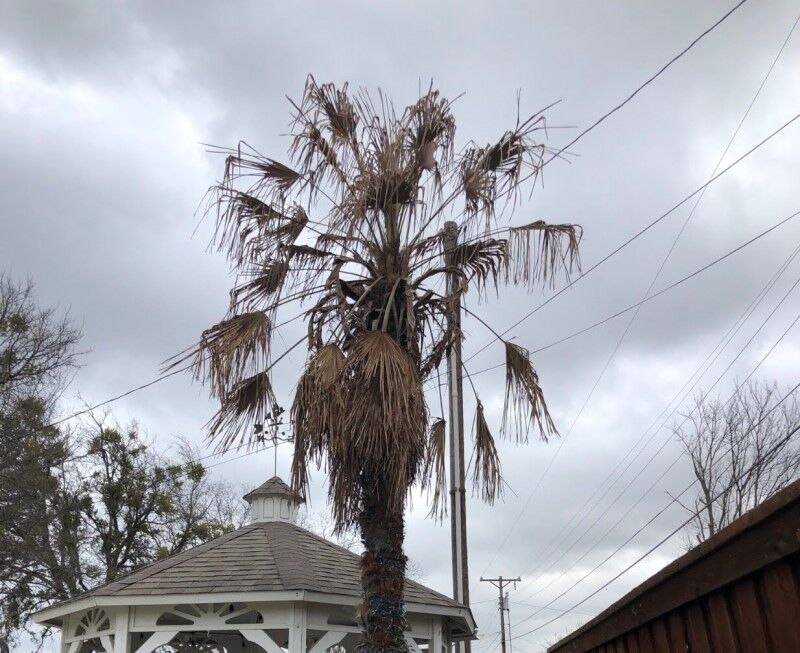
Frost can harm the leaves, stems, and fruit of date trees. Ice crystals form inside the plant cells and cause them to burst. This leads to browning and wilting of leaves.
- Bark cracking due to freezing sap
- Blackened leaf tips from frost burn
- Fruit drop caused by cold stress
- Weakened tree structure over time
Effects On Growth And Fruit
Cold weather slows the growth of date trees. It reduces the tree’s ability to produce healthy fruit. Young shoots may stop growing or die back.
| Effect | Description | Impact Level |
| Slow Growth | Reduced cell division and expansion | Moderate |
| Fruit Quality | Smaller, less sweet dates | High |
| Flower Damage | Reduced fruit set and yield | High |
| Tree Health | Increased vulnerability to disease | Moderate |
Cold-hardy Date Varieties
Date trees usually grow in hot climates. Cold weather can harm most date palms.
Some date varieties can handle cooler temperatures better. These are called cold-hardy varieties.
Popular Cold-resistant Types
Some date types survive cold winters and light frosts. They grow well in places with cooler weather.
- Medjool:Tolerates light frost and cooler nights. It is large and sweet.
- Barhee:Can survive mild cold. It is soft and golden brown when ripe.
- Deglet Noor:Handles cool weather well. It has a firm texture and sweet flavor.
- Khudri:Known for good cold tolerance. It has a dark color and rich taste.
Choosing The Right Variety
Pick date trees that match your area’s climate. Cold-hardy varieties help your tree survive winter.
Think about the lowest temperature your tree will face. Choose varieties that can handle those cold levels.
- Check local climate and frost dates.
- Choose varieties known for cold resistance.
- Plant trees where they get some sun and wind protection.
- Prepare your soil and water the tree well before winter.
Protecting Date Trees From Cold
Date trees are sensitive to cold weather. Protecting them helps keep them healthy.
Using simple methods can reduce damage from frost and freezing temperatures.
Mulching Techniques
Mulching keeps the soil warm and moist around date tree roots. It helps prevent frost damage.
- Use organic mulch like straw or wood chips.
- Spread mulch about 3 to 4 inches thick around the base.
- Keep mulch a few inches away from the trunk to avoid rot.
- Renew mulch every year before cold weather arrives.
Windbreaks And Shelter
Strong winds make cold weather worse for date trees. Windbreaks reduce wind chill.
| Type of Windbreak | Materials | Benefits |
|---|---|---|
| Natural Windbreak | Evergreen trees or shrubs | Blocks wind and provides shelter |
| Artificial Windbreak | Fences, burlap screens | Easy to install and remove |
| Temporary Windbreak | Plastic sheets or tarps | Protects during cold snaps |
Place windbreaks on the coldest side of the tree to shield it best.
Covering And Wrapping Methods
Covering date trees protects leaves and fruit from frost.
- Use frost cloths or blankets to cover the tree at night.
- Wrap the trunk with insulating materials like burlap or foam.
- Remove covers during the day to allow sunlight and air.
- Secure covers well to prevent damage from wind.
Winter Care Tips
Date trees are tropical plants that do not like cold weather. Cold can harm their leaves and fruit. Taking care of them in winter helps them survive and grow again.
Good winter care includes watering, pruning, and checking soil health. These steps keep your date tree strong during cold months.
Watering Strategies
In cold weather, date trees need less water. Too much water can freeze and hurt the roots. Water only when the soil feels dry.
Use lukewarm water if possible. Water early in the day to let the soil dry before night. Avoid watering leaves to stop frost damage.
Pruning For Cold Weather
Prune date trees before winter starts. Remove dead or weak branches to stop disease. This helps the tree save energy during cold months.
Do not prune too much. Keep some leaves to protect the trunk from cold. Use clean tools to avoid infection.
Soil And Fertilizer Considerations
Check soil drainage before winter. Date trees need soil that does not hold too much water. Add sand or gravel if soil is too wet.
Stop fertilizing in late fall. Fertilizer can make new growth that cold will damage. Start feeding again in spring when the weather warms.

Credit: www.gdncnursery.com
Indoor And Container Growing
Date trees usually grow in warm climates. Cold weather can harm them outside. Growing date trees indoors or in containers helps protect them from frost and freezing temperatures.
Container growing lets you move the tree indoors during cold months. Indoor growing keeps the tree safe from harsh weather. Both methods help date trees survive in cold places.
Advantages Of Indoor Cultivation
Indoor growing gives you control over the tree’s environment. You can keep the temperature steady and avoid frost damage. This helps the tree stay healthy all year.
Indoor date trees also get less pest problems. You can watch the tree closely and water it as needed. This leads to better growth and fruit production.
- Protects tree from freezing temperatures
- Controls light, temperature, and humidity
- Reduces pest and disease risk
- Makes watering and care easier
Best Practices For Potted Date Trees
Choose a large pot with good drainage for your date tree. Use well-draining soil to prevent root rot. Place the pot in a sunny spot indoors where the tree gets enough light.
Water the tree when the top inch of soil feels dry. Avoid overwatering to keep roots healthy. Feed the tree with a balanced fertilizer during the growing season.
- Use a pot at least 15 inches wide
- Ensure soil drains well
- Keep tree near a bright window
- Water only when soil is dry on top
- Fertilize monthly in spring and summer
- Move pot indoors before cold weather
Signs Of Cold Stress
Date trees can suffer from cold stress in low temperatures. It is important to spot signs early. This helps protect the tree and improve survival chances.
Cold stress affects leaves, stems, and roots. Knowing what to look for can save your date tree from serious damage.
Identifying Damage Early
Look for changes in the tree’s appearance. Cold stress causes physical and color changes in leaves and bark. Early detection allows quick action.
- Leaves turn yellow or brown and may curl up.
- Bark may crack or peel off in cold spots.
- New shoots stop growing or die back.
- Fruit may drop prematurely or fail to develop.
- Roots can become soft or blackened if frozen.
Recovery And Treatment Options
Once cold damage is spotted, take steps to help the tree recover. Some treatments protect the tree and support new growth.
| Treatment | Description | Purpose |
| Pruning | Remove damaged leaves and branches | Prevent disease and encourage growth |
| Mulching | Apply mulch around the base | Protect roots from frost |
| Watering | Keep soil moist but not soggy | Reduce cold shock |
| Covering | Use frost cloths or blankets at night | Trap heat and shield from frost |
| Fertilizing | Use balanced fertilizer after frost passes | Support recovery and new leaf growth |

Credit: www.reddit.com
Credit: blog.davey.com
Frequently Asked Questions
Can Date Trees Tolerate Frost Or Freezing Temperatures?
Date trees are sensitive to frost and freezing. Young trees may suffer damage below 32°F (0°C). Mature trees tolerate brief, mild freezes but prolonged cold harms growth and fruit production.
What Is The Minimum Temperature Date Palms Can Survive?
Date palms generally survive temperatures down to about 20°F (-6°C). Exposure below this causes leaf damage and potential tree death, especially without protection or acclimation.
How Can I Protect Date Trees From Cold Weather?
Cover date trees with frost cloths or blankets during cold snaps. Use mulch to insulate roots. Plant in sheltered areas to reduce wind chill effects and cold damage.
Do Cold Temperatures Affect Date Fruit Quality?
Yes, cold temperatures can reduce fruit size and sweetness. Frost damage may cause fruit drop or poor ripening, impacting overall harvest quality and yield.
Conclusion
Date trees need warm weather to grow well. Cold weather can harm their leaves and fruit. Some types handle cold better than others. Protecting young trees helps them survive frost. Using covers or planting in sheltered spots works. With care, date trees can live through mild cold.
But severe freezing often causes damage. Growing them in cold places takes effort and patience. Understanding their needs improves success in colder climates. Keep watching the weather and act quickly to protect your trees.