Can Easter Lilies Survive Cold Weather? Expert Tips Revealed
Imagine the joy of seeing your Easter lilies bloom, their pristine white petals gracing your garden. These beautiful flowers symbolize purity and hope, making them a favorite in many homes during the Easter season.
But, if you live in an area where temperatures can dip unexpectedly, you might wonder: Can Easter lilies survive cold weather? Understanding how to care for these delicate blooms in chilly conditions is crucial. You don’t want to see your beloved lilies wither away just because the temperature drops.
By the end of this article, you’ll have all the insights you need to ensure your Easter lilies thrive, no matter what the weather throws at them. Are you ready to uncover the secrets to protecting your garden’s gems? Let’s dive in!
Credit: www.bnd.com
Easter Lily Basics
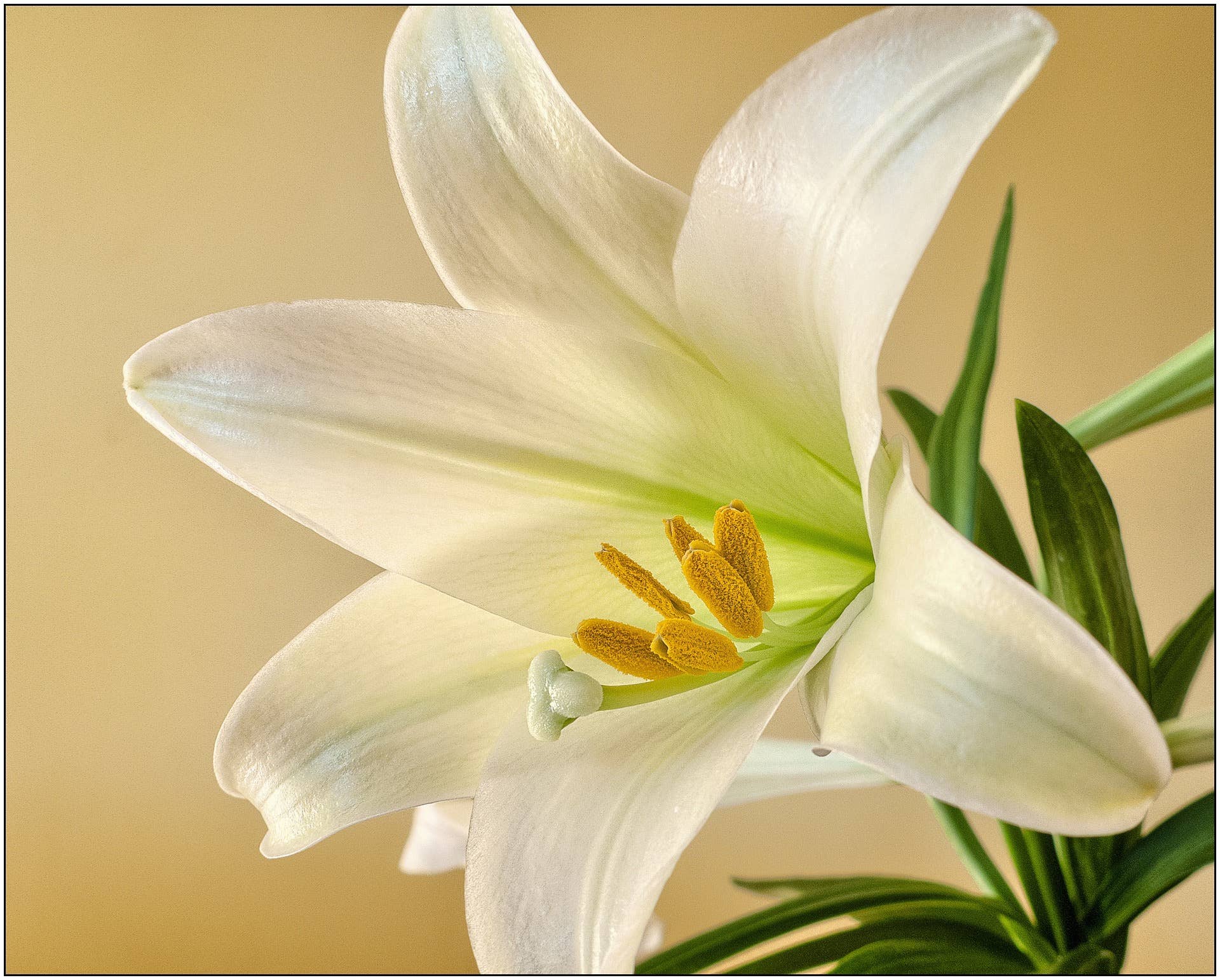
Easter lilies are popular plants during spring. They have large white flowers and a sweet smell.
People often ask if Easter lilies can survive cold weather. Understanding the plant helps answer this.
Origin And Characteristics
Easter lilies come from Japan and Taiwan. They belong to the lily family, known as Lilium longiflorum.
These plants grow tall stems with trumpet-shaped white flowers. They bloom around Easter time, which is why they are special.
- Native to warm, coastal areas
- White, fragrant flowers
- Can grow up to 3 feet tall
- Blooms last about two weeks
Common Growing Conditions
Easter lilies prefer mild temperatures. They grow best in well-drained soil with good sunlight.
These plants do not like freezing weather. Cold can damage their leaves and flowers.
- Ideal temperature: 60-70°F (15-21°C)
- Needs full to partial sunlight
- Soil should be moist but not wet
- Protect from frost and freezing
Cold Weather Impact
Easter lilies are beautiful plants often used for spring decoration. Cold weather can affect their health and growth. Knowing how cold impacts these lilies helps you care for them better.
These plants do not like very low temperatures. Keeping them safe from cold damage is important to keep them blooming well.
Temperature Thresholds
Easter lilies grow best in mild temperatures. They can start to get damaged if the temperature drops below 50°F (10°C). Very cold air can slow their growth and cause stress.
Below 40°F (4°C), the plant cells can become weak. This makes lilies more likely to suffer from cold injury. Protecting them from temperatures under 40°F is important for their survival.
- Above 50°F (10°C): Safe for growth
- 40°F to 50°F (4°C to 10°C): Risk of stress
- Below 40°F (4°C): High risk of damage
Effects Of Frost And Freeze
Frost happens when temperatures drop just below freezing at night. It can cause water inside lily leaves to freeze. This freezes the plant cells and can kill parts of the plant.
Freezing temperatures for hours can kill the whole plant. The leaves turn brown and soft. The flower buds may drop off, stopping blooms from opening.
- Frost causes water in cells to freeze and damage tissue.
- Freeze can kill leaves and flowers completely.
- Protect lilies by covering them or moving pots indoors.
Protecting Easter Lilies Outdoors
Easter lilies are beautiful plants that bloom in early spring. They can face damage from cold weather if not cared for properly.
It is important to protect them outdoors to help them survive frost and low temperatures. Good care helps the lilies grow strong and healthy.
Ideal Planting Locations
Choose a spot that gets plenty of sunlight during the day. Easter lilies need at least six hours of sun to grow well.
Plant them near a wall or fence to block cold winds. Avoid low areas where water can collect and freeze around the roots.
- Pick a sunny spot with good air flow
- Avoid places with standing water
- Plant near a windbreak like a fence or hedge
Using Mulch And Coverings
Mulch keeps the soil warm and protects roots from freezing. Use straw, shredded leaves, or bark mulch around the base of the plant.
Covering lilies with cloth or frost blankets helps stop frost damage at night. Remove coverings during the day to allow sunlight and air.
- Apply 2-3 inches of mulch around plants
- Use breathable frost cloths or old sheets for covers
- Remove covers on sunny days to avoid overheating
Credit: dengarden.com
Indoor Care During Cold Months
Easter lilies can survive cold weather if cared for indoors. Cold months need special attention to keep them healthy.
Bringing lilies inside protects them from frost and harsh winds. Proper care helps them bloom again next season.
Optimal Indoor Conditions
Keep Easter lilies in a bright spot with indirect sunlight. Avoid placing them near heaters or cold drafts.
Maintain indoor temperatures between 60 and 70 degrees Fahrenheit. This range supports healthy growth without stress.
- Place near east or west-facing windows
- Keep away from vents and radiators
- Maintain steady room temperature
Watering And Humidity Tips
Water Easter lilies when the top inch of soil feels dry. Use room temperature water to avoid shock.
Keep humidity moderate to prevent leaf dryness. Use a humidity tray or mist leaves occasionally if air is dry.
- Check soil moisture before watering
- Water at the base to avoid wet leaves
- Use a tray with water and pebbles for humidity
Signs Of Cold Damage
Easter lilies are delicate plants that suffer in cold weather. Cold damage can hurt their leaves and stems. Knowing the signs helps you protect your lilies early.
Look closely at your plants after a cold night. Early signs of damage show on leaves and stems. Acting fast can save your Easter lilies.
Leaf And Stem Symptoms
Leaves turn yellow or brown when cold hurts them. They may also look wet or mushy. Stems can become soft and bend easily. These changes mean the plant cells froze.
- Leaf edges turn brown and dry
- Leaves appear wilted or limp
- Stems feel soft instead of firm
- Leaves may have dark spots
- New growth slows down or stops
Check the plant in the morning after frost. Damage often shows as blackened or darkened areas on leaves and stems. This means the cold killed some cells.
Recovery Chances
Easter lilies can recover if cold damage is mild. New leaves may grow after a few weeks. Keep the plant in a warmer place and avoid watering too much.
Severe damage to stems or many leaves reduces recovery chances. Dead parts should be trimmed to help the plant focus on healthy growth. Watch for new shoots as a good sign.
- Mild damage: good chance to recover
- Severe damage: recovery is harder
- Remove dead leaves and stems
- Keep plant warm and dry
- Watch for new growth in 2-3 weeks
Expert Maintenance Tips
Easter lilies are beautiful but need care in cold weather. Proper maintenance helps them survive winter.
Follow these tips to keep your lilies healthy and strong during cold months.
Pruning And Fertilizing
Cut back dead leaves and flowers after blooming. This stops energy loss and helps growth.
Use a balanced fertilizer with equal parts nitrogen, phosphorus, and potassium. Feed plants once a month during the growing season.
- Remove yellow or brown leaves
- Trim spent flower stems close to the base
- Apply fertilizer every 4 weeks in spring and summer
Timing For Replanting
Plant Easter lilies after the last frost date in your area. This prevents cold damage to new roots.
Choose a well-drained spot with good sunlight. Replant bulbs in early fall if you live in mild climates.
- Wait until soil is warm and frost-free
- Plant bulbs 6 to 8 inches deep
- Space bulbs 8 to 12 inches apart

Credit: www.starbrightnyc.com
Frequently Asked Questions
Can Easter Lilies Tolerate Frost Or Freezing Temperatures?
Easter lilies can survive mild frost but not hard freezes. Temperatures below 28°F (-2°C) may damage or kill the plant. Protect lilies by moving potted plants indoors or covering outdoor lilies during cold snaps for best survival.
How To Protect Easter Lilies From Cold Weather?
Cover Easter lilies with frost cloths or burlap during cold nights. Mulching around the base helps insulate roots. Moving potted lilies indoors or to sheltered areas also prevents cold damage and supports healthy growth during chilly periods.
What Temperature Is Too Cold For Easter Lilies?
Temperatures below 28°F (-2°C) are too cold for Easter lilies. Prolonged exposure to freezing conditions causes leaf browning and plant death. Ensure lilies are kept in temperatures above freezing to maintain their health and flowering potential.
Can Easter Lilies Survive Outdoors In Winter?
Easter lilies generally cannot survive harsh winters outdoors. They thrive in USDA zones 8-10 where winters are mild. In colder zones, lilies should be grown as indoor plants or dug up and stored during winter.
Conclusion
Easter lilies can survive cold weather with proper care and protection. Cover plants during frost to keep them safe. Avoid letting soil freeze around the roots. Place lilies in a sheltered spot if possible. Cold can slow their growth but usually won’t kill them.
Watch the weather closely in early spring. Taking these steps helps lilies bloom beautifully after winter. Keep your Easter lilies healthy and enjoy their bright flowers year after year. Simple care makes all the difference in cold climates.