Can Eagle Chicks Survive Cold Weather? Essential Survival Facts
Have you ever wondered how eagle chicks manage to survive in cold weather? As majestic as eagles are, their fragile chicks face a daunting challenge when temperatures drop.
You might think that their survival is solely based on luck, but there’s more to the story. Understanding how these young birds endure the chill can reveal secrets of nature that you never imagined. Wouldn’t you like to know what it takes for these chicks to thrive when the odds seem stacked against them?
Dive into the fascinating world of eagle survival and discover the surprising strategies that ensure their continuity, even in the harshest of climates. Your curiosity could unlock insights that change the way you see nature’s resilience.

Credit: www.sacbee.com
Eagle Chick Vulnerability
Eagle chicks face many risks in cold weather. Their survival depends on how well they keep warm. Young eagles are not fully ready for cold conditions.
Understanding how eagle chicks regulate body heat and develop feathers helps explain their vulnerability. Both play key roles in keeping chicks safe from the cold.
Body Temperature Regulation
Newborn eagle chicks cannot control their body temperature well. They rely on their parents to stay warm. Without warmth, chicks can lose too much heat quickly.
- Chicks have a small body size that cools fast
- They lack the ability to shiver effectively
- Parents brood them to provide needed warmth
- Cold can cause stress and slow growth
Feather Development Stages
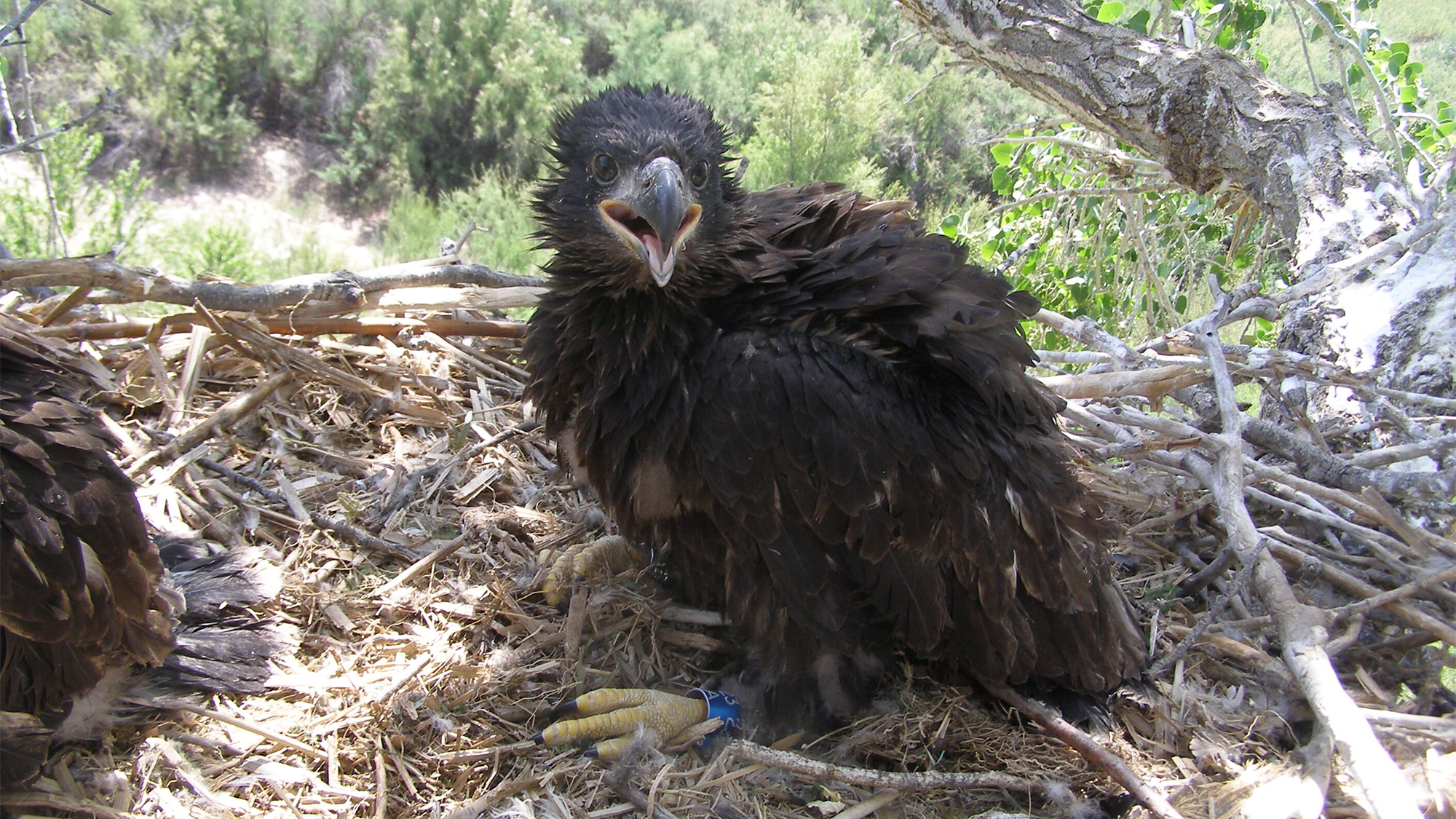
Feathers grow in stages after hatching. The first feathers are soft and thin. They do not keep heat well. Over time, stronger feathers develop to protect chicks.
| Stage | Description | Heat Protection |
| Down Feathers | Soft, fluffy, first feathers | Low |
| Pin Feathers | New, tightly wrapped feathers | Medium |
| Adult Feathers | Fully grown, strong feathers | High |
Credit: www.popsci.com
Impact Of Cold Weather
Cold weather affects eagle chicks in many ways. Their bodies must work harder to stay warm. This can slow their growth and make them weak.
Parents try to protect their chicks from the cold. Still, very low temperatures can be dangerous for young birds.
Effects Of Low Temperatures
Low temperatures cause stress to eagle chicks. They use more energy to keep warm. This means less energy for eating and growing.
- Chicks may shiver to generate heat.
- Cold slows digestion and nutrient absorption.
- Wet feathers freeze easily, reducing warmth.
- Parents spend more time sheltering chicks.
- Prolonged cold can stunt growth.
Risks Of Hypothermia
Hypothermia happens when body temperature falls too low. Eagle chicks cannot survive long if they get hypothermia.
| Risk Factor | Effect on Chicks |
| Exposure to cold wind | Increases heat loss |
| Wet feathers | Reduces insulation |
| Hunger | Less energy to keep warm |
| Weak immune system | More vulnerable to illness |
| Prolonged cold exposure | Can lead to death |
Parental Protection Strategies
Eagle parents use special ways to keep their chicks warm. Cold weather can be hard for young eagles. Parents act to protect their chicks from the cold.
These strategies help chicks stay safe and grow strong. Parents watch the weather and change their care as needed.
Brooding Behavior
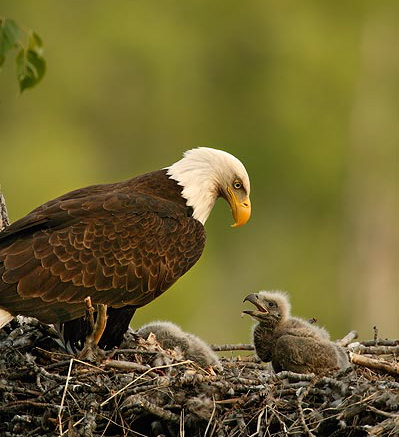
Parent eagles sit on their chicks to keep them warm. This is called brooding. The parent uses its body heat to stop the chicks from getting cold.
Brooding also protects chicks from wind and rain. Parents take turns brooding so one can hunt for food. This way, chicks get warmth and food.
Nest Insulation Techniques
Eagle parents build nests with soft materials to keep chicks warm. They use leaves, moss, and feathers to make the nest cozy. This traps heat inside.
Parents add fresh materials to the nest during cold days. The nest walls block cold air and protect chicks from harsh weather. Good insulation is key to chick survival.

Credit: www.cbc.ca
Habitat And Nest Location
Eagle chicks face many challenges in cold weather. Their survival depends on where eagles build nests. Habitat and nest location help protect them from cold.
Choosing the right spot keeps chicks safe and warm. Eagles look for places that block wind and hold heat well. These choices improve chances of survival during cold days.
Choosing Sheltered Sites
Eagles pick nests in places that shield from harsh weather. Trees and cliffs that face away from strong winds are popular. Shelter helps keep chicks dry and warm.
- Dense tree branches block cold winds
- Cliffs protect nests from storms
- High locations reduce risk from predators
- Close to water for easy food supply
- Near sunny spots for warmth
Microclimate Benefits
Microclimates near nests give extra warmth and protection. Small changes in temperature and wind affect how chicks feel. Nests in good microclimates help chicks stay healthy.
| Microclimate Factor | Benefit for Eagle Chicks |
| Sun Exposure | Increases nest temperature |
| Wind Shielding | Reduces heat loss from chicks |
| Humidity Levels | Prevents drying out of skin and feathers |
| Vegetation Cover | Provides insulation and camouflage |
Feeding And Energy Needs
Young eagles face tough cold weather. They need extra food to stay warm.
Parents work hard to meet their chicks’ energy needs in winter. Feeding is key to survival.
Increased Caloric Intake
Eagle chicks burn more energy in cold weather. They need more calories to keep warm.
- Chicks eat more often than usual
- Parents bring larger food portions
- High-fat foods help keep energy levels up
- Warmth from food aids in growth
Hunting Patterns Of Parents
Parents change hunting times to get enough food. They hunt more during daylight.
| Time of Day | Hunting Activity Level |
| Morning | High |
| Afternoon | Medium |
| Evening | Low |
Adaptations To Cold Environments
Eagle chicks face many challenges in cold weather. They must stay warm to survive and grow strong.
Adult eagles and their chicks have special ways to handle cold days and nights.
Physiological Adjustments
Eagle chicks have thick down feathers that trap heat. These feathers keep their bodies warm.
Their bodies can slow down some functions to save energy. This helps them survive when food is scarce.
- Thick down feathers trap body heat
- Low body fat helps regulate temperature
- Slowed metabolism saves energy
Behavioral Changes
Adult eagles protect their chicks by covering them with their wings. This blocks cold wind and snow.
Chicks huddle close together to share warmth. They also stay in the nest where it is safer and warmer.
- Adults shield chicks with wings
- Chicks huddle to keep warm
- Stay in nest to avoid cold exposure
Human Impact And Conservation
Eagle chicks face many challenges in cold weather. Humans affect their survival through changes in the environment. Conservation efforts help protect these young birds and their habitats.
Understanding how cold weather impacts eagle chicks is key to supporting their growth. Human activities can make these conditions worse, but many groups work to improve the situation.
Climate Change Effects
Climate change causes unusual weather patterns. Cold snaps can be stronger or longer than before. This affects eagle chicks by making it harder for them to stay warm and find food.
- More frequent storms reduce hunting success for parent eagles.
- Temperature drops cause chicks to use more energy to stay warm.
- Changes in prey availability lead to less food for chicks.
- Habitat shifts force eagles to move to new areas.
Supportive Conservation Efforts
Groups and communities work to protect eagle nests and habitats. They also monitor weather impacts and help injured birds. These efforts improve chick survival during cold weather.
| Conservation Action | How It Helps Eagle Chicks |
| Protecting Nest Sites | Prevents disturbance and keeps chicks safe |
| Providing Supplemental Food | Supports chicks when natural prey is scarce |
| Weather Monitoring | Alerts teams to assist during extreme cold |
| Public Education | Raises awareness about eagle protection needs |
Frequently Asked Questions
Can Eagle Chicks Survive Cold Weather Conditions?
Yes, eagle chicks can survive cold weather with parental warmth and insulation from nest materials. Their down feathers provide initial warmth until they grow stronger feathers for protection.
How Do Parent Eagles Protect Chicks From The Cold?
Parent eagles shield their chicks by brooding them constantly, using body heat. They also build nests with insulating materials like sticks, leaves, and moss to retain warmth.
At What Temperature Do Eagle Chicks Become Vulnerable?
Eagle chicks become vulnerable when temperatures drop below freezing without parental care. Prolonged exposure to cold can lead to hypothermia, affecting their growth and survival chances.
Do Eagle Nests Provide Enough Warmth For Chicks?
Eagle nests are carefully constructed to provide excellent insulation. The thick, layered structure helps maintain a stable temperature, protecting chicks from harsh cold and wind.
Conclusion
Eagle chicks face many challenges in cold weather. Their parents keep them warm and safe in the nest. Strong feathers grow fast to protect them from cold. Food supply is important to help them stay healthy. Cold weather can be tough, but eagle chicks have ways to survive.
Watching these young birds grow shows nature’s strength and care. Their survival depends on warmth, food, and protection. This helps eagle populations stay strong year after year.