Do Stray Cats Survive Cold Weather? Essential Survival Insights
Have you ever wondered how stray cats manage to survive when temperatures drop? As winter approaches, these resilient creatures face a tough battle against the cold.
But how do they really cope, and what can you do to help them? Understanding their survival tactics not only satisfies your curiosity but also empowers you to make a difference in their lives. Get ready to uncover the secrets of how stray cats endure the harsh winter months and discover simple ways you can lend a helping hand.
Stay with us, and let’s explore the fascinating world of stray cats and their fight against the cold together.
Stray Cats And Cold Weather Challenges
Stray cats face many dangers during cold weather. They have no warm shelter to protect them.
Understanding these challenges helps us know how cold affects stray cats. It also shows why they struggle to survive.
Temperature Risks For Strays
Low temperatures can cause serious problems for stray cats. Without warmth, their bodies lose heat quickly.
- Hypothermia: Their body temperature drops to dangerous levels.
- Frostbite: Skin and ears can freeze and get damaged.
- Weak immune system: Cold makes it easier to get sick.
- Energy loss: Cats need more food to keep warm but may not find enough.
Common Cold Weather Threats
| Threat | Effect on Stray Cats |
| Snow and Ice | Hides food and water sources, making survival harder. |
| Wind Chill | Increases heat loss and risk of hypothermia. |
| Rain and Wetness | Makes fur wet, reducing insulation and causing chills. |
| Limited Shelter | Leaves cats exposed to cold and predators. |

Credit: www.reddit.com
Natural Survival Instincts
Stray cats face many challenges during cold weather. Their survival depends on natural instincts and behaviors. These instincts help them stay warm and find food.
Understanding how stray cats adapt in winter shows their strength and resourcefulness. They change their habits to survive the harsh conditions.
Behavioral Adaptations
Stray cats change how they act to keep warm and safe. They become less active to save energy. Cats also curl their bodies to reduce heat loss.
- Reducing movement to save energy
- Curling up to keep body heat
- Seeking warmth in groups
- Being more cautious to avoid danger
Finding Shelter
Cold weather forces stray cats to find safe places to stay warm. They look for dry, hidden spots that block wind and rain. Common shelters include abandoned buildings, garages, and thick bushes.
| Shelter Type | Advantages | Challenges |
|---|---|---|
| Abandoned Buildings | Warm and dry | Risk of humans or animals |
| Garages | Protection from wind | Limited space |
| Thick Bushes | Hidden and insulated | Less warmth |
| Under Cars | Warm engine area | Danger from movement |
Diet Changes In Winter
Food is harder to find in winter. Stray cats change their diet to survive. They eat small animals, birds, and leftover human food. They may also hunt more at night when it is warmer.
- Hunting rodents and birds
- Eating scraps and garbage
- Eating insects under leaves
- Searching for food near homes
Physical Adaptations To Cold
Stray cats face cold weather with several physical changes. These changes help them stay warm and survive.
Their bodies adjust to keep heat inside and reduce energy loss during cold days and nights.
Fur And Body Heat
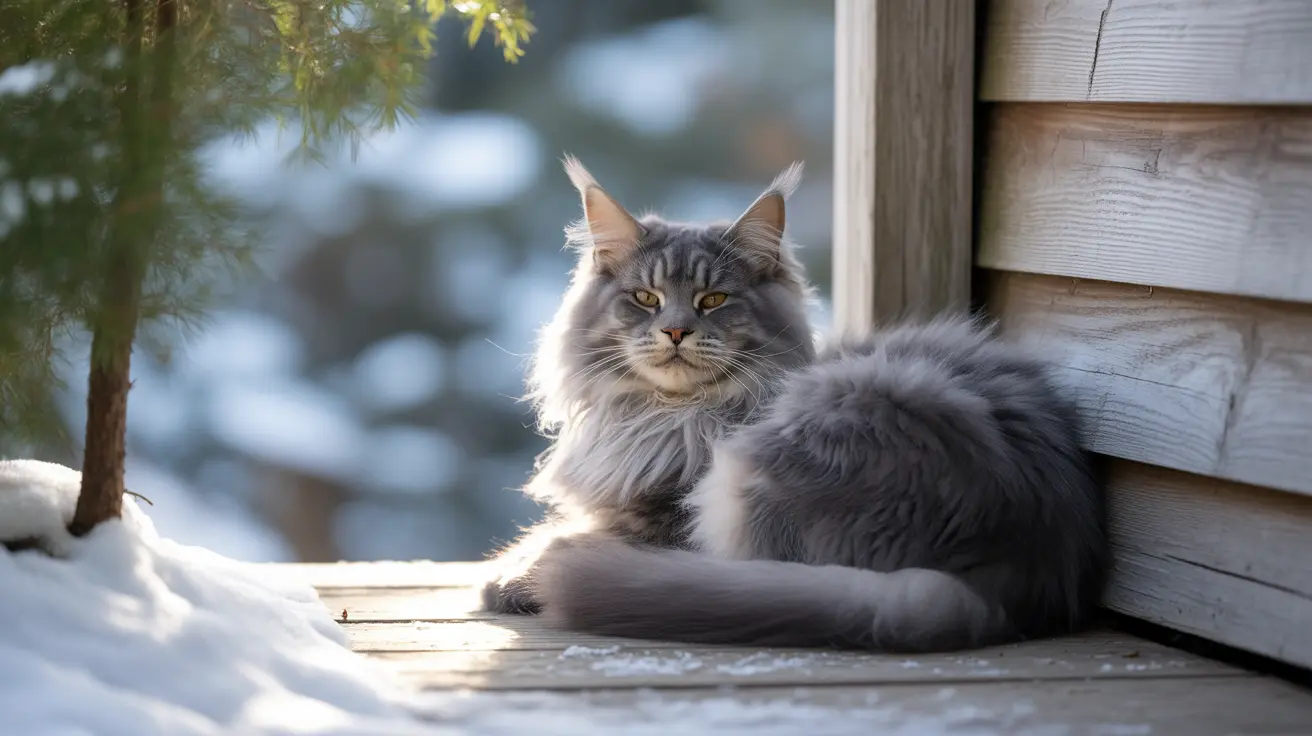
Stray cats grow thicker fur in cold seasons. This fur traps warm air close to their skin.
Their fur also becomes longer and denser. This extra layer protects them from wind and snow.
- Thick undercoat keeps warmth inside
- Long guard hairs block cold wind
- Fur color may darken to absorb more heat
- Whiskers stay sensitive to help in the dark
Energy Conservation
Stray cats use less energy to survive cold weather. They reduce movement to save body heat.
They also find sheltered spots to rest. These places keep them safe from cold and wind.
- Lower activity helps keep energy
- Sleeping in groups shares body warmth
- Seeking shelter reduces heat loss
- Slower metabolism uses less energy

Credit: www.reddit.com
Human Impact On Survival
Stray cats face many challenges in cold weather. Humans can help improve their chances of survival. Small actions make a big difference.
This article looks at how humans affect stray cats by feeding them, giving shelter, and supporting community efforts.
Feeding Stray Cats
Providing food helps stray cats stay healthy and strong in winter. Without food, they may not survive the cold.
- Offer dry or canned cat food in a safe place.
- Feed cats at the same time daily to build trust.
- Use clean bowls and replace food regularly.
- Avoid feeding harmful human foods like onions or chocolate.
Providing Shelter
Shelter protects stray cats from harsh weather. Simple shelters can save their lives in freezing temperatures.
| Shelter Type | Materials Needed | Benefits |
| Insulated Box | Wood, foam, straw | Keeps warmth inside |
| Plastic Storage Bin | Bin, straw, blanket | Waterproof and warm |
| Cat House | Wood, nails, paint | Durable and safe |
Community Efforts And Support
Groups and neighbors can work together to help stray cats survive cold weather. Sharing resources and ideas improves care.
- Organize feeding stations and shelter building
- Raise funds for cat food and supplies
- Promote spaying and neutering to control population
- Educate about safe and kind treatment
When To Intervene
Stray cats face many risks in cold weather. It is hard for them to keep warm. Knowing when to help can save a cat’s life.
Look for signs that show a cat is too cold. Acting fast is important to prevent serious harm.
Signs Of Hypothermia
A cat with hypothermia needs help right away. Watch for these signs:
- Shivering or trembling
- Weakness and slow movements
- Cold ears and paws
- Slow breathing or heart rate
- Stiff muscles or lack of coordination
- Unresponsive or very sleepy behavior
Rescue And Care Tips
If you find a cold stray cat, act carefully. Follow these steps to help safely:
| Action | Details |
| Move Gently | Use a towel or blanket to pick up the cat slowly. |
| Warm Slowly | Wrap the cat in warm blankets; avoid direct heat like heaters. |
| Check for Injuries | Look for wounds or frostbite and avoid causing pain. |
| Offer Warm Water | If the cat is alert, provide small amounts of warm water to drink. |
| Contact a Vet | Get professional help as soon as possible for proper care. |
Credit: pethelpful.com
Frequently Asked Questions
Do Stray Cats Survive Harsh Winter Conditions?
Stray cats can survive cold weather by finding shelter and conserving energy. They grow thicker fur and seek warm places like garages or sheds. However, extreme cold poses risks like hypothermia, so survival depends on access to food, water, and safe shelter.
How Do Stray Cats Find Warmth In Winter?
Stray cats find warmth by hiding in insulated spots such as under porches, inside abandoned buildings, or near car engines. They also curl up to share body heat. Their thick winter coat helps retain warmth, but they still need shelter to avoid frostbite and cold stress.
What Signs Show A Stray Cat Is Struggling In Cold?
Signs include shivering, lethargy, frostbite on ears or paws, and slow movements. Stray cats may also appear thin due to difficulty finding food. If you notice these signs, providing shelter and warmth can improve their chances of survival during winter.
Can Feeding Stray Cats Help Them Survive Winter?
Yes, feeding stray cats nutritious food supports their energy needs in cold weather. High-calorie meals help maintain body heat. Fresh water is also essential to prevent dehydration. Consistent feeding increases their survival chances during harsh winter months.
Conclusion
Stray cats face many challenges during cold weather. They find shelter in small, warm places to survive. Their thick fur helps protect them from the cold. Food becomes harder to find, making survival tough. People can help by providing food and safe spots.
Watching stray cats reminds us of their strength and struggle. They show us how life can be tough but still hopeful. Caring for stray cats helps them live through harsh winters. Every small effort makes a big difference for these animals.