Can Armadillos Survive Cold Weather? Shocking Truth Revealed!
Have you ever wondered how armadillos manage to survive in chilly weather? While these fascinating creatures are known for their unique armor-like shells and love for warm climates, the idea of them braving the cold might seem puzzling.
You might be asking yourself: Can armadillos really endure cold temperatures? The answer could surprise you. By understanding how armadillos adapt to different environments, you’ll gain insights into their resilience and survival tactics. Keep reading to uncover the secrets of how these remarkable animals navigate the challenges of cold weather, and why it matters to you.

Credit: smokymountainnews.com
Armadillos And Cold Weather
Armadillos are small mammals known for their armor-like shells. They mostly live in warm places. Cold weather can be a big challenge for them.
This article explores how armadillos handle cold temperatures. We look at different species and their natural habits. We also see how they adapt to survive in colder climates.
Armadillo Species And Habitats
There are many armadillo species. Most live in Central and South America. Some live in the southern parts of the United States. Their homes range from forests to grasslands.
- Nine-banded armadillo: Found in warm and mild climates.
- Pink fairy armadillo: Lives in dry, sandy areas.
- Giant armadillo: Prefers rainforests with stable temperatures.
- Six-banded armadillo: Found in open savannas and woodlands.
Most armadillos avoid cold places. They like areas where winter is mild or short. Cold weather can cause them to slow down or hide.
Natural Climate Adaptations
Armadillos have some ways to cope with cold weather. They use their burrows to stay warm. Their shells protect them from wind and cold air. But they do not have thick fur to keep heat.
| Adaptation | How It Helps |
| Burrowing | Provides shelter and warmth |
| Low body temperature | Reduces energy needs in cold |
| Slow metabolism | Conserves energy during cold spells |
| Armor shell | Blocks wind and cold air |
During very cold weather, armadillos may enter a state called torpor. This is like a short hibernation. It helps them survive when food is scarce and temperatures drop.
Body Features Affecting Cold Survival
Armadillos face challenges in cold weather. Their body features play a big role in how well they survive low temperatures.
Understanding these features helps us see why armadillos struggle in cold climates and where they can live safely.
Insulation And Body Temperature
Armadillos have a hard shell made of bony plates. This shell protects them but does not keep heat inside well.
Their body temperature is lower than many mammals. They cannot keep warm easily when it gets very cold.
- The shell blocks wind but does not trap much heat.
- They have sparse fur, so less natural warmth.
- Lower body temperature means slower heat production.
Metabolic Rate And Activity Levels
Armadillos have a low metabolic rate compared to other mammals. This means they produce less body heat.
They reduce activity in cold weather to save energy. Less movement means less heat generated from muscles.
- Low metabolism limits heat production.
- Reduced activity helps conserve energy.
- They may burrow or find shelter to stay warmer.
Behavioral Strategies In Cold
Armadillos face challenges in cold weather because they have thin shells. They cannot stay warm like some animals with thick fur. To survive, armadillos change how they behave.
These changes help armadillos keep their body heat and avoid freezing. They use special habits to protect themselves during cold times.
Burrowing Habits
Armadillos dig deep burrows in the ground. These burrows stay warmer than the outside air. The soil acts like a blanket to keep cold out.
Inside these burrows, armadillos rest and hide from cold wind and snow. They often block the entrance with dirt or leaves to keep warmth inside.
- Burrows are dug below the frost line to avoid freezing
- Armadillos use burrows for shelter and safety
- They may share burrows with other armadillos to stay warm
Seasonal Movement Patterns
Armadillos move to warmer places during cold months. They do not migrate long distances but find nearby areas with better temperatures.
This movement helps them avoid the coldest weather. They stay active less in winter and slow their body functions to save energy.
- Move to sheltered areas with more sunlight
- Reduce activity to conserve heat and energy
- Use local areas with less frost and snow
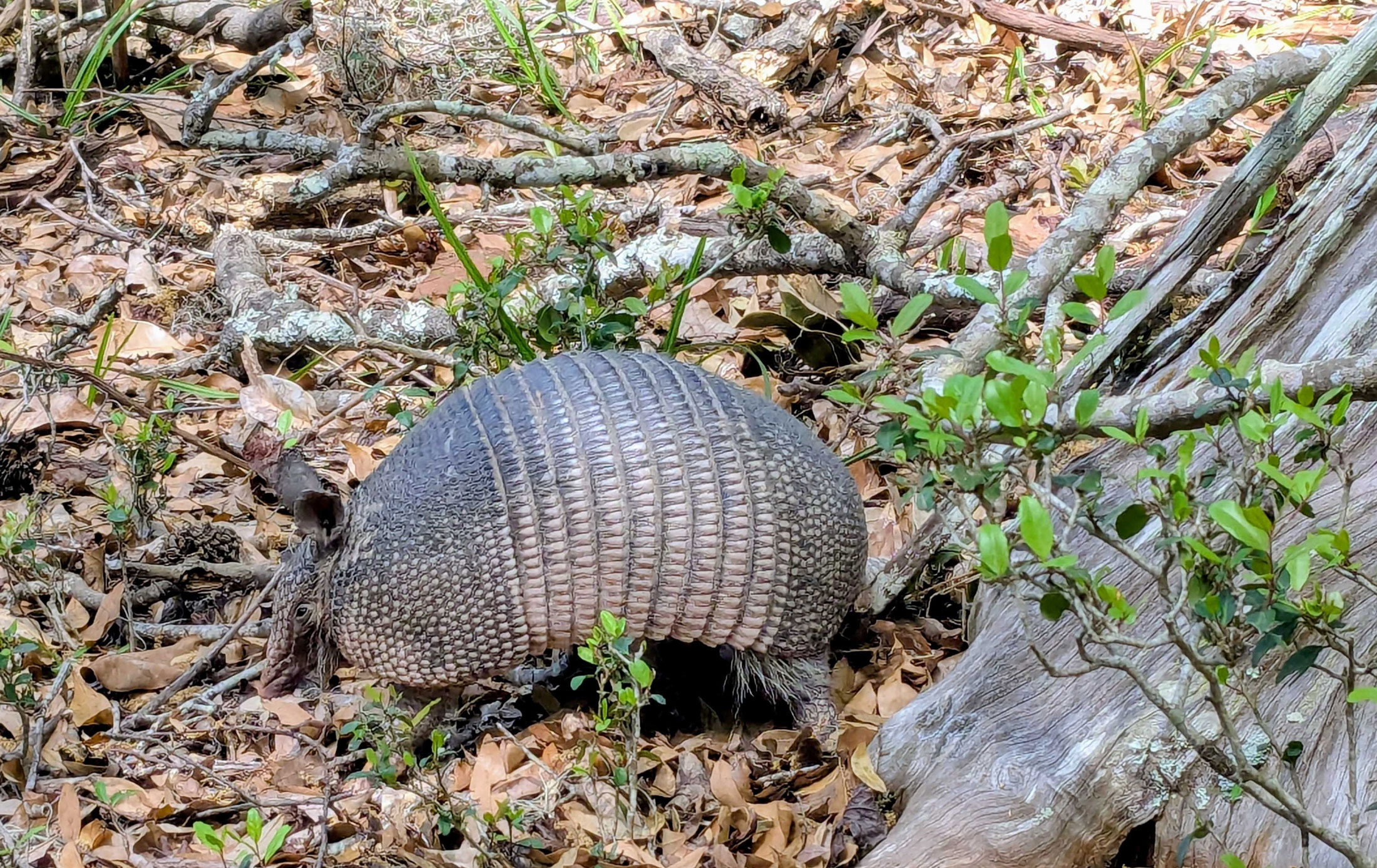
Credit: smokieslife.org
Limitations And Risks In Winter
Armadillos are not well suited for cold weather. Their bodies struggle to keep warm when temperatures drop. Winter can be very hard on them.
They have thin skin and little fat to protect against cold. This makes them more vulnerable to cold-related problems.
Impact Of Freezing Temperatures
Freezing temperatures can slow down an armadillo’s movement. Their body functions work less well in cold weather. This makes finding food harder.
Cold also affects their ability to stay alert. This can make them easier prey for predators. They may spend more time hiding to stay warm.
- Lower body temperature reduces energy
- Slower reactions increase danger
- Harder to find food in cold
- More time spent in burrows
Health Risks And Mortality Rates
Cold weather raises health risks for armadillos. They can get frostbite on their ears and feet. Illnesses related to cold also increase.
Many armadillos do not survive harsh winters. Mortality rates go up when freezing days last long. Lack of food and cold stress cause death.
- Frostbite can cause infections
- Cold stress weakens the immune system
- Starvation is common in winter
- Higher death rates in cold months
Human Influence On Armadillo Cold Survival
Armadillos face challenges in cold weather because they are native to warm areas. Human activities change their environments. These changes affect how well armadillos survive cold seasons.
This article looks at how urban heat and climate change influence armadillo cold survival. Both factors can change the local temperatures and habitats for these animals.
Urban Heat Effects
Cities create warmer areas called urban heat islands. Concrete and buildings absorb and keep heat. This warmth can help armadillos stay active during cold months.
- Warmer city areas reduce the risk of freezing
- Armored shelters in urban spaces protect from cold winds
- Food sources may be more available in towns
- Human waste can provide extra nutrition
Climate Change Impacts
Climate change shifts weather patterns and raises average temperatures. This can let armadillos spread into colder regions they could not live in before.
| Climate Factor | Effect on Armadillos |
| Milder Winters | Less risk of cold injury |
| Longer Warm Seasons | More time for feeding and breeding |
| Extreme Weather | Possible habitat damage |
| Changing Vegetation | New food sources or loss of old ones |

Credit: precisionpredator.com
Frequently Asked Questions
Can Armadillos Survive In Freezing Temperatures?
Armadillos struggle in freezing temperatures due to their low body fat and thin shells. They prefer mild climates and avoid extreme cold to survive.
How Do Armadillos Adapt To Cold Weather?
Armadillos burrow underground to escape cold weather. They use their burrows as insulation against frost and maintain warmth during cold spells.
What Happens To Armadillos In Winter?
In winter, armadillos reduce activity and enter a state of torpor. This helps conserve energy and survive periods of cold and food scarcity.
Are Armadillos Native To Cold Climates?
No, armadillos are native to warm, tropical, and subtropical regions. Their physiology is not suited for prolonged cold or snowy environments.
Conclusion
Armadillos face challenges in cold weather. Their bodies are not built to stay warm for long. They rely on burrows and dense vegetation to shelter themselves. When temperatures drop too low, armadillos may struggle to survive. They are more common in warmer climates.
Understanding their limits helps protect these unique animals. Watching how they adapt teaches us about nature’s balance. Cold weather is tough, but armadillos find ways to cope—sometimes barely.