Can Virus Survive in Cold Weather: Shocking Truth Revealed!
Have you ever wondered why colds and flu seem to spread more during the winter months? It’s a question that might have crossed your mind as you bundle up and brace yourself for the chilly air.
You might be curious if viruses thrive in cold weather, or if it’s just a seasonal coincidence. Understanding this could change how you protect yourself and your loved ones. Imagine being able to navigate through the cold season with confidence, knowing exactly what to expect and how to stay healthy.
This article will unravel the mystery of viruses in cold weather and give you the insights you need to stay one step ahead. Dive in, and let’s explore the fascinating world of viruses and winter together.
Virus Behavior In Cold
Viruses change how they act in cold weather. Cold can affect their spread and survival. Understanding this helps us stay safe in winter.
This article explains how temperature affects viruses, common winter viruses, and how cold weather impacts virus life.
How Temperature Affects Viruses
Low temperatures slow down virus decay. Viruses can stay active longer in the cold. Warm weather often reduces their strength.
- Cold air keeps viruses stable on surfaces.
- Freezing temperatures can preserve viruses.
- Heat damages virus proteins and stops infection.
- Humidity also changes virus survival rates.
Common Viruses In Winter
Many viruses spread more in winter. People stay indoors, making it easier for viruses to move between hosts.
| Virus | Common Symptoms | Peak Season |
| Influenza | Fever, cough, sore throat | December to February |
| Common Cold | Runny nose, sneezing | Winter months |
| RSV (Respiratory Syncytial Virus) | Cold-like symptoms, wheezing | Late fall to early spring |
| Norovirus | Vomiting, diarrhea | Winter outbreaks |
Cold Weather And Virus Longevity
Cold weather helps viruses last longer on surfaces and in the air. This raises infection chances.
Factors helping virus longevity in cold:
- Lower temperature slows virus breakdown.
- Dry air keeps virus particles stable.
- Cold slows human immune response, making infection easier.
Credit: www.theguardian.com
Scientific Studies On Virus Survival
Viruses react differently to cold weather depending on their type. Scientists study how long viruses stay alive in low temperatures. This helps understand disease spread in winter.
Research uses lab tests and real-world data to learn about virus survival. The results show that cold alone is not the only factor. Other conditions affect virus lifespan.
Laboratory Findings
Labs test virus samples under controlled cold conditions. They measure how long viruses can infect cells at different temperatures. Many viruses survive longer at low temperatures.
- Some flu viruses survive on surfaces for days in cold weather.
- Cold slows down virus decay and keeps them active.
- Dry air combined with cold can increase virus survival.
- Viruses like coronaviruses can last longer on cold surfaces.
Real-world Observations
Studies track virus spread in cold climates and seasons. Data shows higher infection rates in winter for some viruses. Cold weather may help viruses survive outside the body longer.
| Virus | Peak Season | Cold Weather Survival |
| Influenza | Winter | High |
| Common Cold | Winter | Moderate |
| Norovirus | Winter | High |
| Coronavirus (SARS-CoV-2) | All Year | Variable |
Differences Among Virus Types
Viruses have different structures that affect survival in cold. Some viruses with a lipid outer layer last longer in cold air. Others without this layer break down faster.
Key differences in virus survival:
- Enveloped viruses:Like flu and coronavirus, survive longer in cold, dry air.
- Non-enveloped viruses:Like norovirus, also survive well but react differently to humidity.
- Virus size and shape:Affect how easily viruses dry out or stay stable.
Impact Of Cold On Immune System
Cold weather can change how our immune system works. It can affect the body’s ability to fight viruses.
Understanding this impact helps explain why some viruses spread more in winter.
Immune Response In Low Temperatures
Low temperatures can slow down the immune system. White blood cells may work less efficiently.
The body produces fewer immune signals, making it harder to fight infections quickly.
Cold Weather And Susceptibility
Cold weather can increase the chance of getting sick. People spend more time indoors close to others.
The cold can also dry out the nose and throat, reducing natural defenses against viruses.
- More indoor crowding raises virus spread
- Dry air harms mucus membranes
- Lower body temperature weakens defense
Role Of Humidity And Air Quality
Humidity affects how long viruses stay in the air. Low humidity helps viruses survive longer.
Poor air quality can stress the lungs, making it easier for viruses to cause infections.
- Low humidity keeps virus particles airborne
- Dry air weakens respiratory tract defenses
- Polluted air irritates lungs and immune cells
Myths Vs Facts About Viruses And Cold
Many people think cold weather makes viruses stronger. This idea is very common in winter. People often blame the cold for getting sick.
It is important to know the truth about viruses and cold weather. Understanding facts helps us stay healthy.
Common Misconceptions
One myth says cold weather kills viruses. Some believe cold air causes colds and flu directly. Others think being outside in cold makes you sick.
People also think cold weather weakens the immune system quickly. Another false idea is that hot drinks stop viruses.
- Cold weather kills viruses
- Cold air causes colds and flu
- Being cold weakens immunity fast
- Hot drinks prevent virus infection
What Science Actually Shows
Viruses can survive in cold weather but not because of cold air alone. Some viruses last longer in low temperatures. Cold air does not cause infections directly.
Viruses spread more in winter because people stay indoors. Close contact helps viruses move from person to person. Dry air also makes it easier for viruses to spread.
- Cold helps some viruses last longer
- Cold air does not cause infections
- Viruses spread by close contact indoors
- Dry air helps viruses spread
Preventive Measures In Winter
To stay healthy in winter, wash hands often and avoid close contact with sick people. Keep rooms ventilated to reduce virus spread.
Use humidifiers to add moisture to dry air. Dress warmly to stay comfortable but remember cold does not cause illness alone.
- Wash hands frequently
- Keep distance from sick people
- Ventilate indoor spaces
- Use humidifiers to reduce dryness
- Dress warmly for comfort
Implications For Public Health
Cold weather affects how viruses spread and survive. This has important effects on public health efforts.
Understanding virus survival in cold helps plan better health strategies. It also guides how people prepare for winter months.
Virus Transmission Patterns
Viruses often spread more in cold weather. Dry air and close indoor contact increase transmission.
- Cold air can preserve viruses longer on surfaces
- People spend more time indoors near others
- Lower humidity makes it easier to breathe in virus particles
Cold Weather Preparedness
Preparing for cold weather can reduce virus spread and protect health.
| Preparation | Benefit |
| Wear warm clothing | Supports immune system |
| Use humidifiers | Maintains moisture in air |
| Ventilate indoor spaces | Reduces virus concentration |
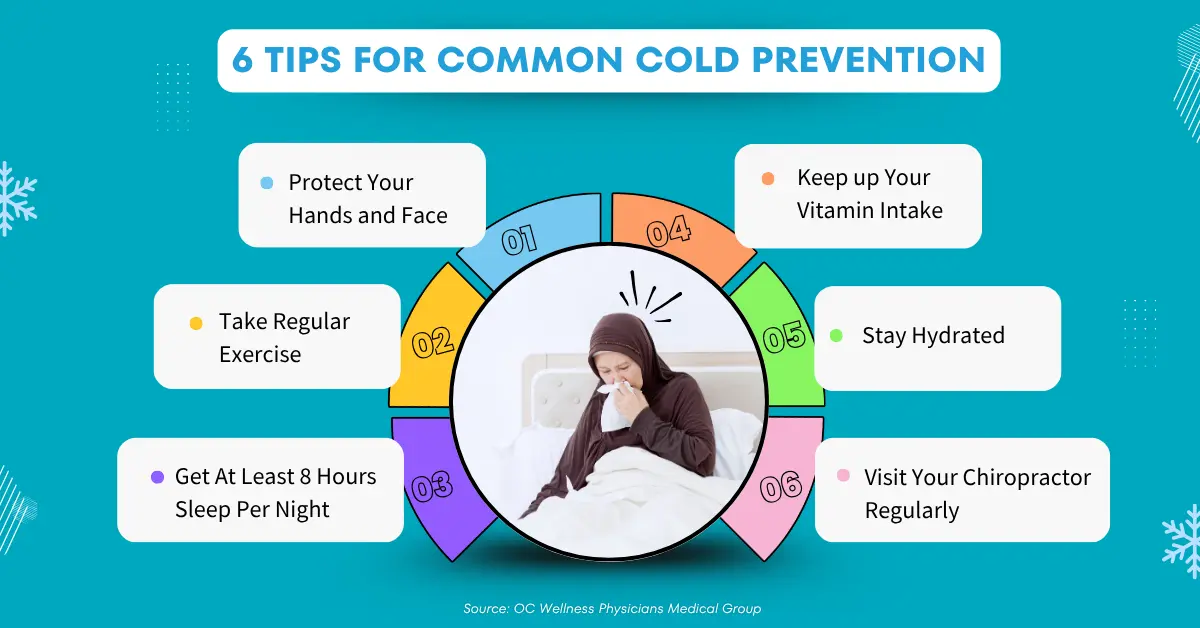
| Practice good hygiene | Lowers infection risk |
Vaccination And Protection Strategies
Vaccines help protect people during cold seasons. They reduce illness and slow virus spread.
- Get vaccinated before winter
- Follow health guidelines on masks and distancing
- Boost immunity with proper nutrition and rest

Credit: www.discovermagazine.com
Credit: www.healthline.com
Frequently Asked Questions
Can Viruses Survive In Cold Weather Conditions?
Yes, many viruses can survive longer in cold weather. Low temperatures slow down virus decay, helping them remain infectious.
Why Do Viruses Thrive More In Winter Months?
Cold and dry air preserves viruses better. People also stay indoors, increasing virus transmission in winter.
Does Cold Weather Increase Virus Transmission Rates?
Cold weather can increase transmission because viruses survive longer and people gather indoors, facilitating spread.
Can Cold Temperatures Kill Viruses On Surfaces?
Cold temperatures alone don’t kill viruses. Proper cleaning and disinfecting are needed to eliminate viruses on surfaces.
Conclusion
Viruses can live longer in cold weather than in warm conditions. Cold air slows down their breakdown, helping them survive outside the body. This means the risk of catching a virus may rise during winter months. Staying clean and washing hands often helps reduce infection chances.
Wearing masks in crowded places also protects you. Remember, cold weather alone does not cause illness—viruses and contact do. Stay safe by keeping good hygiene and avoiding close contact when possible. Understanding how viruses act in cold weather helps you stay healthier year-round.