Can Cockroaches Survive in Heat: Shocking Truth Revealed!
You’ve seen them scuttle across hot kitchen tiles on sweltering summer afternoons, and you’ve heard the rumors: cockroaches are practically indestructible, able to survive everything from nuclear blasts to extreme heat. But how much of that is fact, and how much is myth? This guide breaks down the exact science of cockroach heat tolerance, species-specific survival limits, and actionable, proven pest control steps that work for 2026, no matter how hot your summer gets.
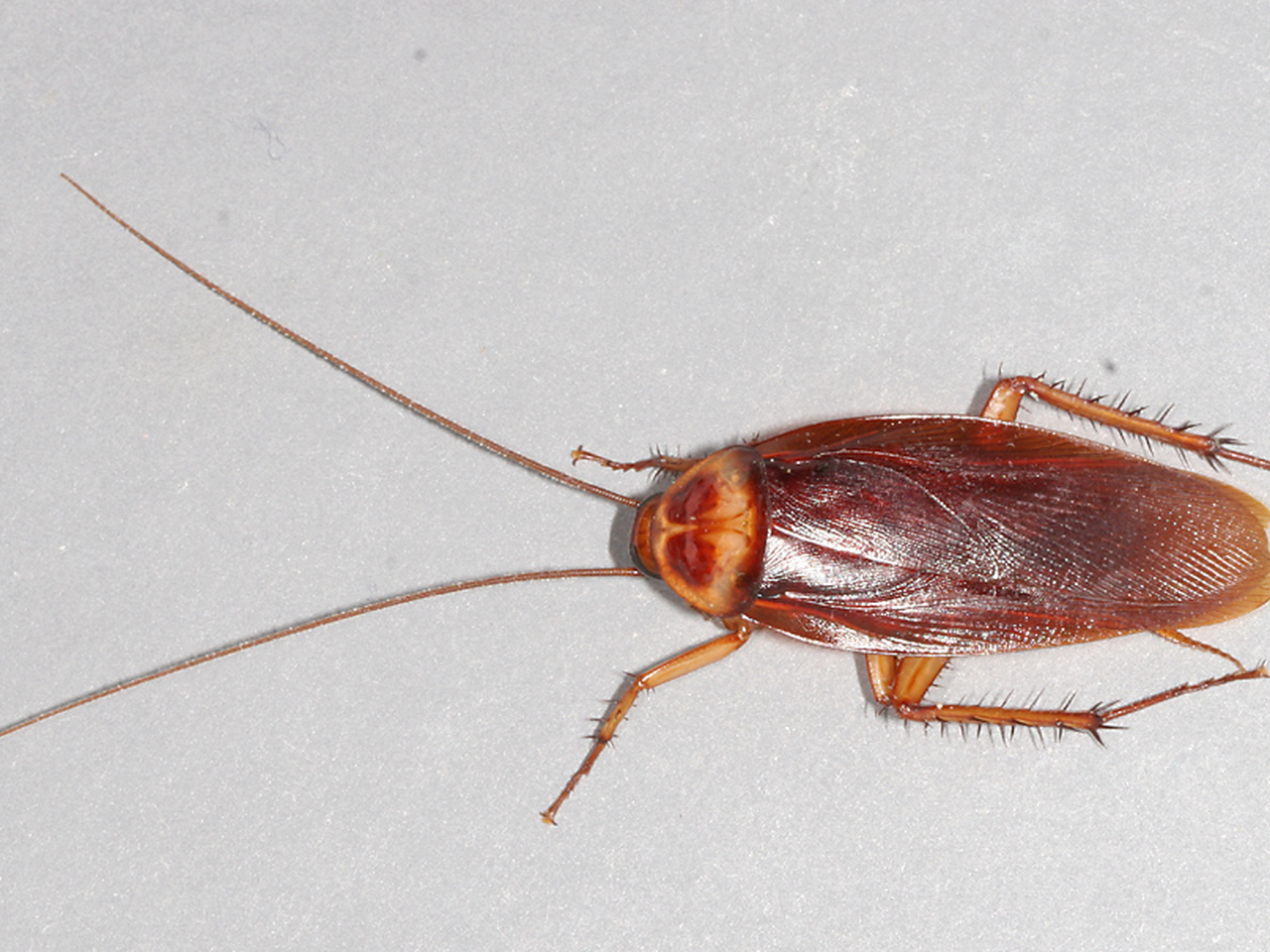
 German cockroaches, the most common indoor pest, are highly vulnerable to prolonged heat above 95°F (35°C).
Credit: hitmanpest.com
German cockroaches, the most common indoor pest, are highly vulnerable to prolonged heat above 95°F (35°C).
Credit: hitmanpest.com
The Surprising Science of Cockroach Heat Tolerance
Cockroaches have earned their reputation as nearly indestructible pests, but their heat tolerance is far more nuanced than pop culture suggests. Understanding their exact survival limits, physical adaptations, and behavioral responses to heat will help you avoid common pest control mistakes and keep your home roach-free even during the hottest months. You can also read our guide on if you want to survive past read this guide.
Exact Survival Thresholds by Species
Cockroaches are poikilothermic, meaning their body temperature matches their environment, so their heat tolerance varies drastically by species and life stage. Most common household cockroach species thrive at temperatures between 70°F and 90°F (21°C to 32°C), but their upper lethal limits differ widely. German cockroaches, the most common indoor pest, die after 2 hours of exposure to 95°F (35°C), while larger American cockroaches can survive short bursts of 120°F (49°C) before protein denaturation and irreversible dehydration set in. Eggs and nymphs are far more vulnerable to heat than adult roaches: research from the University of Florida Entomology Department confirms that German cockroach eggs die after just 1 hour of exposure to 110°F (43°C), while adult American cockroaches can tolerate 120°F (49°C) for up to an hour before succumbing to cellular damage University of Florida cockroach biology guide.
Built-In Adaptations That Help Roaches Beat the Heat
Cockroaches have evolved a suite of physical and behavioral adaptations to survive high temperatures. Their waxy exoskeleton is coated in cuticular hydrocarbons that reduce water loss, letting them stay hydrated for weeks without access to standing water. When exposed to heat stress, they produce heat shock proteins that protect cell membranes from damage. Behaviorally, they practice thermoregulation by hiding in cool, moist microclimates during the hottest parts of the day: in practice, you’ll almost always find roaches clustered under sinks, behind refrigerators, or in basement cracks during heatwaves, as these spots stay 10-15°F cooler than the rest of the home. A common mistake homeowners make is only treating visible roach hotspots, ignoring the hidden cool voids where roaches shelter during extreme heat. You can also read our guide on can geraniums survive light frost.
How Extreme Heat Changes Cockroach Behavior
Heat doesn’t just affect roach survival — it fundamentally changes how they move, forage, and interact with your home. Understanding these behavioral shifts will help you target infestations more effectively.
Shifts in Activity and Foraging Patterns
Contrary to popular belief, extreme heat doesn’t make roaches more active — it actually slows their movement once temperatures exceed their optimal range. During mild warm spells (70-85°F / 21-29°C), roach metabolism speeds up, so they forage more frequently for food and water. But when temperatures rise above 95°F (35°C), they reduce activity to avoid overheating, only coming out to forage at dusk and dawn when temperatures drop. This is why you’ll often see fewer active roaches during peak afternoon heat in the middle of a heatwave, even if the infestation is still present. Outdoor roach populations also move indoors during heatwaves, seeking the cooler, more stable temperatures of human structures — which is why summer is the most common time for new roach infestations to appear. You can also read our guide on survival shelters made of snow.
Sheltering Habits That Help Them Avoid Lethal Heat
Roaches can fit through gaps as small as 1/16 inch, so they hide in tiny, hard-to-reach spots during extreme heat: behind baseboards, inside electrical outlets, under appliance motors, and inside wall voids. These hiding spots are often cool enough to let roaches survive outdoor temperatures that would otherwise be lethal. This behavior is a key reason shelter selection for extreme conditions is critical for both pest control and general emergency preparedness: pests will always seek out the most stable, protected microclimates available during harsh weather.
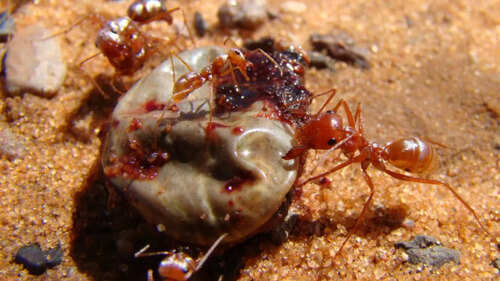
 Roaches seek out cool, shaded microclimates during heatwaves to avoid lethal temperatures.
Credit: www.sacbee.com
Roaches seek out cool, shaded microclimates during heatwaves to avoid lethal temperatures.
Credit: www.sacbee.com
Heat vs. Cold: Which Is Harder for Cockroaches to Survive?
Many people assume heat is the biggest threat to roaches, but the opposite is true: cockroaches are far more vulnerable to cold than to short-term heat exposure. Cold temperatures cause ice crystals to form in their hemolymph (insect blood), which ruptures cells and is almost always fatal below 32°F (0°C) for more than a few hours. Even temperatures below 45°F (7°C) will slow their metabolism so severely that they can’t eat, drink, or reproduce, eventually dying of starvation or dehydration. You can also read our guide on electric jacket how to survive.
Heat, by contrast, only causes lethal damage when temperatures exceed their thermal tolerance for extended periods, or when they can’t access water to replace lost moisture. This is why roach infestations are exponentially more common in warm climates like Florida, Texas, and the southern United States than in cold northern states. If you’re preparing for extreme weather events, understanding these temperature limits can help you avoid high-risk exposure zones where pest infestations are most likely to spike during temperature swings.
 Cold temperatures are far more lethal to most cockroach species than short-term heat exposure.
Credit: www.callnorthwest.com
Cold temperatures are far more lethal to most cockroach species than short-term heat exposure.
Credit: www.callnorthwest.com
Which Cockroach Species Can Actually Survive High Heat?
Not all roaches are built the same when it comes to heat tolerance. The table below breaks down the most common species, their heat limits, and their vulnerability to heat-based pest control:
| Species | Max Short-Term Heat Survival | Preferred Habitat | Heat Vulnerability |
|---|---|---|---|
| American cockroach | 120°F (49°C) for 30-60 mins | Warm, moist areas (basements, drains, outdoor mulch) | Low; thrives in hot, humid climates |
| German cockroach | 95°F (35°C) for 2 hours | Indoor, moderate temp areas (kitchens, bathrooms, wall voids) | High; dies above 100°F (38°C) with prolonged exposure |
| Oriental cockroach | 85°F (29°C) for 1 hour | Cool, damp areas (sewers, crawlspaces, under sinks) | Very high; avoids heat entirely, rarely found in hot, dry spaces |
| Turkestan cockroach | 125°F (52°C) for 45 mins | Dry, warm outdoor areas (garages, patios, compost piles) | Low; most heat-tolerant common species, increasingly common in the southwestern U.S. |
If you live in a hot, dry climate, you’re far more likely to deal with heat-tolerant American or Turkestan roaches, which require far more aggressive pest control than the cold-sensitive German roaches common in cooler regions. You can also read our guide on survival stories of animal attacks.
Can You Actually Use Heat to Kill Cockroaches? Pros, Cons, and Common Mistakes
The idea of using heat to eliminate roaches without pesticides is appealing, but it’s far more complicated than most homeowners realize.
How Professional Heat Treatments Work
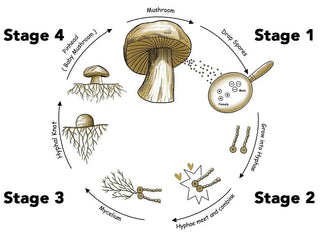
Licensed pest control professionals use industrial-grade heaters to raise the temperature of an infested space to 135-150°F (57-66°C) for 2-4 hours, with calibrated temperature monitors placed in every room, wall void, and piece of furniture to ensure consistent lethal heat exposure. This method kills all life stages of cockroaches, including eggs tucked deep in cracks, and is EPA-approved as a chemical-free pest control option, making it ideal for homes with children, pets, or people with pesticide sensitivities. The CDC specifically recommends heat treatment as a safe, effective option for severe cockroach infestations CDC guidance on cockroach control. You can also read our guide on can mushroom spores survive heat.
Critical Limitations of DIY Heat Treatments
In practice, most DIY heat treatment attempts fail for three key reasons. First, standard home HVAC systems cannot maintain the consistent, high temperatures needed to kill roaches in wall voids, cluttered spaces, or behind thick furniture — roaches will simply move to the coolest spots in your home, where the heat never reaches. Second, unmonitored space heaters and ovens pose a serious fire hazard, and can damage heat-sensitive items like electronics, wood furniture, and plastics. Third, even if you maintain high temperatures for a few hours, roach eggs tucked deep in insulated cracks can survive if the temperature drops even slightly, leading to a re-infestation a few weeks later.
When Heat Treatment Is (and Isn’t) the Right Choice
Heat treatment works best for small, uncluttered spaces with localized infestations, like a single room or apartment. It’s not ideal for large homes with thick insulation, or infestations that have spread to wall voids and crawlspaces, where heat can’t penetrate evenly. For most homeowners, combining targeted heat exposure with sanitation, entry point sealing, and roach bait is far more effective than heat alone, and aligns with non-toxic home defense methods that are safe for the whole family.
5 Actionable Steps to Keep Roaches Out During Hot Weather
You don’t need expensive professional treatments to reduce your roach risk during heatwaves. Follow these evidence-based steps to keep your home roach-free:
- Seal all gaps larger than 1/16 inch around windows, doors, pipes, and baseboards with silicone caulk. Roaches can fit through gaps smaller than a dime, so even tiny cracks are potential entry points.
- Fix leaky faucets and pipes immediately. Roaches can survive weeks without food, but only a few days without water, so eliminating moisture sources is the single most effective step to deter them during hot, dry spells.
- Store all food in airtight glass or hard plastic containers, and wipe down counters and floors daily to remove even small crumbs. Roaches can survive on a single crumb for weeks, so even minor sanitation lapses can support an infestation.
- Reduce clutter in basements, garages, and under sinks to eliminate cool hiding spots where roaches can escape heat and breed undetected.
- Place roach bait stations in areas where you’ve spotted roach activity, near cracks and behind appliances. Bait is carried back to nests, killing eggs and nymphs that might survive short heat exposure, and works for 3-6 months with minimal maintenance.
Most of the supplies you’ll need for these steps are staples of any basic emergency pest kit, so you can tackle small infestations quickly without calling a professional.
Common Myths About Cockroaches and Heat, Debunked
Tales of roach invincibility have been around for decades, but many are just common survival myths with no scientific backing. Let’s set the record straight:
- Myth: Roaches can survive boiling water or fire. Truth: Boiling water (212°F / 100°C) kills roaches instantly, but only if it makes direct contact with their bodies. Roaches hiding in deep cracks will be completely unaffected by a splash of hot water. Fire is obviously lethal, but roaches cannot survive being burned.
- Myth: Turning up your AC will kill roaches. Truth: Roaches can survive temperatures as low as 45°F (7°C) for weeks, so even very cold AC won’t kill them — it will just make them hide in warmer spots like behind your refrigerator or in wall voids near heating ducts.
- Myth: Roaches are more active during extreme heat. Truth: While their metabolism speeds up slightly in warm temperatures, extreme heat above 95°F (35°C) slows their activity and forces them to hide, so you’ll actually see fewer active roaches during peak afternoon heat, even if the infestation is still present.
- Myth: A single heatwave will eliminate your roach infestation. Truth: Roaches will simply move to the coolest parts of your home during extreme heat, making the infestation harder to detect until temperatures drop. Once the weather cools, surviving roaches will ramp up reproduction, often leading to a larger infestation than before.
Frequently Asked Questions
Can cockroaches survive extreme heat conditions?
Yes, but only up to species-specific limits. American and Turkestan cockroaches can survive short exposure to 120°F (49°C), but German and Oriental cockroaches die at much lower temperatures. No cockroach species can survive sustained exposure to temperatures above 150°F (66°C) for more than a few minutes. During heatwaves, roaches will move indoors to escape outdoor temperatures that exceed their tolerance, which is why infestations often spike in summer.
What temperature kills cockroaches instantly?
Temperatures above 150°F (66°C) will kill all life stages of cockroaches instantly, but this is rarely achievable in a home without professional equipment. For DIY heat treatments, maintaining 120°F (49°C) for 2+ hours will kill most adult roaches, but may not reach eggs hidden deep in insulated cracks.
How do cockroaches adapt to hot climates?
Cockroaches use both behavioral and physiological adaptations to survive hot climates. They hide in cool, moist microclimates during the hottest parts of the day, produce heat shock proteins that protect their cells from damage, and have a waxy exoskeleton that reduces water loss to prevent dehydration. In hot, dry climates, species like the Turkestan cockroach have evolved to survive with minimal water, making them especially hard to eliminate.
Does heat affect cockroach reproduction?
Yes. Optimal breeding temperatures for most cockroach species are 70-85°F (21-29°C). Temperatures above 95°F (35°C) slow egg development, reduce hatching rates, and can kill eggs before they hatch. Prolonged heatwaves can temporarily reduce roach population growth, but once temperatures drop, surviving roaches will ramp up reproduction to make up for the loss.
Can I use my oven or space heaters to kill roaches?
No. Ovens and space heaters cannot maintain consistent, lethal temperatures throughout an entire room, and they pose a serious fire hazard if left unattended. Professional heat treatment uses calibrated industrial equipment with temperature monitors to ensure all areas reach lethal temps without damaging your home.
Final Takeaways
Cockroaches are undeniably resilient, but they’re not invincible to heat. The shocking truth is that while some species can survive short bursts of extreme heat, no cockroach can tolerate sustained temperatures above 150°F (66°C), and most common household species die at temperatures well below that. Heat alone is rarely enough to eliminate an infestation, though: roaches will simply hide in cool, hidden spots until temperatures drop. The most effective long-term roach control strategy combines targeted heat exposure (if appropriate for your space) with moisture elimination, food storage, entry point sealing, and roach bait to kill all life stages.
Pairing these strategies with long-term home protection basics will keep your space roach-free year-round, no matter how hot the summer gets.