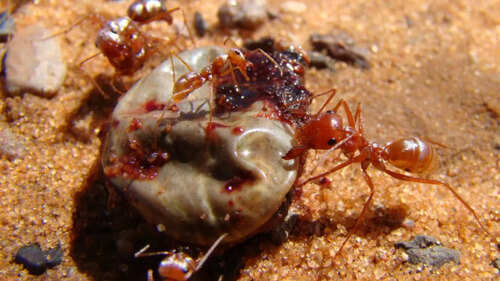
Have you ever wondered how ants manage to thrive even when the sun beats down fiercely and temperatures soar? You might think such tiny creatures would struggle or even perish in extreme heat.
But ants have some surprising tricks that help them survive where many other insects can’t. If you want to understand how these little survivors cope with scorching conditions, keep reading. You’ll discover fascinating facts that might change the way you see these common insects forever.
Ants And Heat Tolerance
Ants are fascinating creatures, especially when you consider their ability to survive in extreme conditions. Heat tolerance is a critical factor for their survival, particularly as global temperatures rise. Understanding how ants cope with high heat can offer you surprising insights into resilience and adaptation in nature.
How Ants Regulate Body Temperature
Ants don’t have sweat glands like humans, so they use smart strategies to manage their body temperature. Many species avoid the hottest parts of the day by staying underground or in shaded areas.
Some ants adjust their activity levels, becoming more active during cooler mornings and evenings. Others use their bodies to dissipate heat, spreading out or clustering to control temperature better.
Have you ever noticed ants forming trails? These trails can help regulate temperature by enabling movement between cooler and warmer spots efficiently.
Species That Thrive In Hot Climates
Not all ants react to heat the same way. Certain species like the Sahara Desert’s Cataglyphis antsare remarkable heat survivors. They can walk on scorching sand, with surface temperatures exceeding 60°C (140°F).
Another example is the Fire ants, which build deep nests to protect their colony from extreme heat. Their tunnels stay much cooler compared to surface temperatures.
These ants show that thriving in heat isn’t just about tolerance but also about smart behavior and nest design. What strategies would you use if you had to survive in such harsh conditions?
Limits Of Heat Survival
Ants are remarkable creatures, but even they have their breaking points when it comes to heat. Understanding the limits of heat survival helps you appreciate how these tiny insects cope with harsh environments. It also reveals the risks they face during heatwaves and how their behavior changes to survive.
Temperature Thresholds For Ant Activity
Ants are active within specific temperature ranges that vary by species. Most ants begin to slow down when temperatures rise above 35°C (95°F). Beyond 45°C (113°F), many species stop all activity to avoid fatal damage.
Some desert ants can tolerate higher heat, remaining active near 50°C (122°F), but this is rare. Have you noticed ants disappearing from your garden during the hottest parts of the day? They’re likely avoiding temperatures that exceed their survival threshold.
Effects Of Prolonged Heat Exposure
Even if ants can survive short bursts of extreme heat, prolonged exposure is dangerous. Extended heat stresses their metabolism and can cause dehydration quickly.
Heat also weakens their immune system, making ants vulnerable to diseases and predators. Without shade or moisture, entire colonies may perish during heatwaves.
Next time you see ants retreating underground or clustering in shaded spots, remember they’re protecting themselves from heat dangers you might overlook. How might changes in global temperatures affect these survival strategies in the future?
Adaptations To Extreme Heat
Ants are remarkable creatures that survive in some of the hottest places on Earth. Their secret lies in a mix of clever adaptations that help them avoid overheating and keep functioning even under intense heat. Understanding these adaptations can give you insights into how life thrives against the odds.
Behavioral Strategies
Ants don’t just passively endure heat—they actively avoid it through smart behaviors. You might have noticed ants disappearing during the hottest parts of the day. That’s because many species retreat underground or into shaded areas to escape the sun’s peak intensity.
Some ants even adjust their activity schedules, becoming nocturnal or working early in the morning when temperatures are cooler. Others build nests with complex tunnel systems that trap cool air and moisture, creating a natural air conditioner. Have you ever wondered how something so tiny can engineer such effective shelters?
Physiological Mechanisms
Beyond behavior, ants have internal adaptations that help them handle heat. Their bodies can tolerate higher temperatures than many insects, thanks to special proteins that protect their cells from heat damage. These heat shock proteins act like tiny firefighters, rushing to fix heat-induced damage.
Additionally, ants regulate water loss efficiently, which is crucial in hot environments. Their tough exoskeletons reduce evaporation, and some species produce metabolic water by breaking down food internally. This clever trick ensures they stay hydrated even when water is scarce.
Think about your own body—how often do you consider how heat affects you and what you do to stay cool? Ants offer a fascinating example of survival through both smart choices and built-in resilience.
Credit: www.iflscience.com
Heat And Colony Dynamics
Heat plays a major role in shaping ant colony life. High temperatures affect how ants behave and survive together. Understanding these effects helps us see how ants adapt and keep their colonies strong. Heat changes many colony activities, from reproduction to food collection.
Impact On Reproduction
Extreme heat can slow down ant reproduction. The queen lays fewer eggs in very hot conditions. Eggs and larvae are sensitive to temperature changes. Too much heat can cause eggs to dry out or die. Ants try to protect the brood by moving them to cooler parts of the nest. This behavior helps keep the colony growing despite the heat.
Changes In Foraging Patterns
Hot weather forces ants to change their search for food. They avoid the hottest parts of the day. Instead, ants forage early in the morning or late in the evening. These cooler times reduce the risk of overheating. Ants also shorten their trips to avoid heat stress. These shifts help ants find food while staying safe in extreme heat.
Human Influence On Ant Heat Stress
Humans have changed many natural environments. These changes affect ants and their ability to survive heat. Ants face more heat stress because of urban development and global warming. Understanding human influence helps us see how ants cope with extreme heat.
Urban Heat Islands
Urban areas trap more heat than rural ones. Concrete and asphalt absorb sunlight and raise temperatures. This creates “urban heat islands” where ants live hotter than normal. Ants in cities often face higher temperatures and less shade.
These hotter zones can harm ants by:
- Increasing water loss from their bodies
- Reducing their activity times
- Changing their food sources and habitats
Some ants adapt by digging deeper nests or becoming more active at night. Still, many struggle to survive the extra heat caused by human structures.
Climate Change Effects
Rising global temperatures bring more heat waves and droughts. These changes stress ants and their colonies. Ants may face:
- Longer periods of extreme heat
- Less food due to plant changes
- Disrupted breeding cycles
Climate change forces ants to adapt fast or face population declines. Some species move to cooler places or change their behavior. Others may not survive these rapid changes.
Credit: askabiologist.asu.edu
Surprising Ant Heat Survivors
Ants surviving extreme heat might surprise you. Despite their tiny size, some ants thrive in environments that would challenge many other creatures. Their ability to endure high temperatures offers fascinating insights into nature’s adaptability and resilience.
Desert Ants’ Unique Traits
Desert ants have developed special features to beat the heat. Their bodies reflect sunlight, reducing the amount of heat they absorb. Long legs keep their bodies away from the hot ground, acting like stilts.
They also have a unique ability to regulate their body temperature by moving quickly between shaded and sunny spots. These ants use their antennae not only to sense food but also to detect temperature changes. This helps them avoid the hottest parts of the day.
Case Studies Of Extreme Heat Endurance
Scientists have observed Saharan silver ants surviving surface temperatures exceeding 120°F (49°C). These ants limit their foraging to the hottest hours, when predators avoid the heat. Their speed and heat resistance allow them to gather food quickly and safely.
Another case involves Australian desert ants that burrow deep underground to escape midday heat. Their nests maintain a cooler temperature, showing how ants use both behavior and environment to survive. Can your own garden ants adapt if the weather gets hotter?
Credit: www.iflscience.com
Frequently Asked Questions
Can Ants Survive In Extreme Heat Conditions?
Yes, ants can survive extreme heat by seeking shelter underground. Their nests provide insulation from temperature spikes, keeping them cool.
How Do Ants Regulate Temperature In Hot Environments?
Ants use their nest structure and behavior to regulate heat. They move deeper into the soil or create ventilation tunnels to maintain stable temperatures.
What Is The Highest Temperature Ants Can Tolerate?
Most ants tolerate temperatures up to 50°C (122°F). However, prolonged exposure to extreme heat above this can be fatal to them.
Do Ants Adapt To Climate Change And Rising Temperatures?
Ants adapt through behavioral changes like altering foraging times and nest locations. Some species evolve heat-resistant traits over generations to survive warmer climates.
Conclusion
Ants display remarkable resilience in extreme heat. They adapt quickly to survive. Seeking shelter underground helps them avoid direct sun. Their teamwork ensures their colony’s survival. Some species even thrive in hot climates. Ants manage heat better than most creatures.
This adaptability highlights their unique survival skills. Yet, they still face challenges as global temperatures rise. Their story teaches us about resilience in harsh conditions. Understanding ants in heat offers insights into nature’s wonders. It reminds us of the importance of adaptation.
Ants, small but mighty, continue to fascinate us.