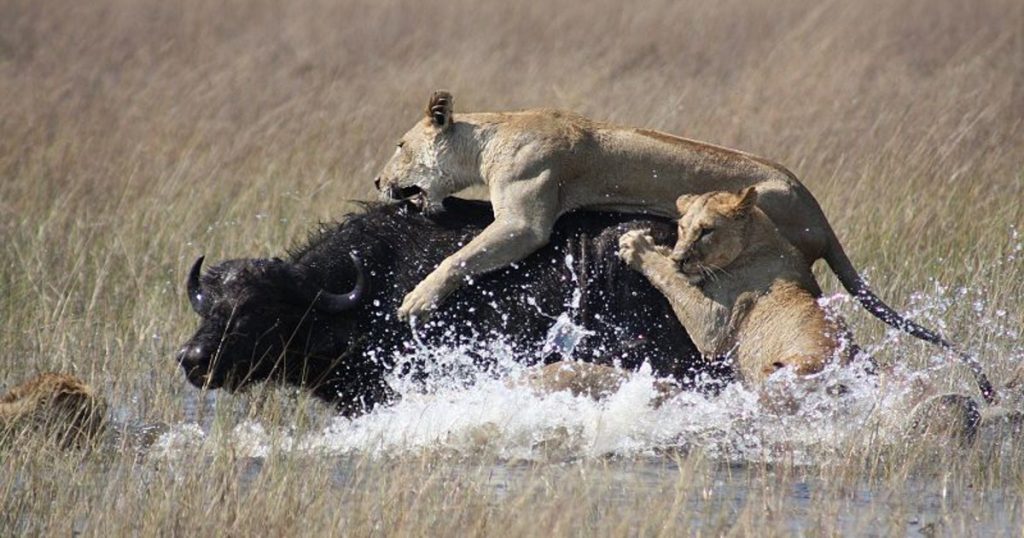
When you’re out in the wild or even in your backyard, the unexpected can happen. Imagine a peaceful hike suddenly interrupted by a bear, or a leisurely swim turning tense with a shark nearby.
Your heart races, and your mind scrambles for a plan. Knowing exactly what to do in these moments can make all the difference. This guide is designed to equip you with the essential strategies to calmly and effectively handle encounters with various animals.
You’ll discover practical tips that could turn a potentially dangerous situation into a story of survival. Keep reading to transform fear into confidence, ensuring you’re prepared for whatever nature throws your way.
Credit: www.ebay.com
Bear Encounters
Bears are powerful animals that can appear suddenly in the wild. Understanding how to handle bear encounters helps keep you safe. Knowing different bear types and their behavior reduces risks. Staying calm and prepared can prevent dangerous situations.
Identifying Bear Species
Recognizing the bear species is important for safety. The two main types are black bears and grizzly bears. Black bears are usually smaller with a straight face profile. Grizzly bears have a hump on their shoulders and a concave face.
Color can vary but is less reliable than shape and size. Black bears can be brown or black. Grizzlies tend to be brown or blond. Knowing the species helps decide how to react during an encounter.
Preventing Bear Attacks
- Make noise while walking to alert bears of your presence.
- Keep food stored in bear-proof containers away from your campsite.
- Travel in groups, as bears avoid larger numbers.
- Stay on marked trails and avoid dense brush where bears hide.
- Carry bear spray and know how to use it effectively.
Preventing surprise encounters reduces attack chances. Be aware of bear signs like tracks and scat.
Response During An Attack
Stay calm and avoid sudden moves. Do not run; bears can run faster. Speak softly and try to appear larger by raising your arms. If the bear charges, stand your ground.
Use bear spray if the bear comes close. If a grizzly attacks, play dead by lying flat and covering your neck. For black bears, try to fight back using any object available.
Understanding the right response can save your life during a bear encounter.
Snake Bites
Snake bites can be dangerous and require quick action. Knowing about venomous snakes and how to avoid bites saves lives. Being prepared with first aid knowledge helps reduce harm.
Common Venomous Snakes
- Copperhead: Found in North America, causes pain and swelling.
- Rattlesnake: Recognizable by its rattle, delivers venom that affects blood and nerves.
- Coral Snake: Bright colors, neurotoxic venom causing paralysis.
- Black Mamba: Fast and aggressive, deadly neurotoxic venom.
- King Cobra: Largest venomous snake, venom attacks the nervous system.
Avoiding Snake Bites
- Stay on clear paths, avoid tall grass and rocks.
- Wear boots and long pants in snake habitats.
- Do not touch or try to catch snakes.
- Watch where you step or place your hands.
- Make noise to alert snakes of your presence.
- Keep campsites clean and free of food scraps.
First Aid For Snake Bites
- Keep the person calm and still to slow venom spread.
- Position the bite area lower than the heart.
- Remove tight clothing or jewelry near the bite.
- Clean the wound with soap and water, but do not flush.
- Do not cut the wound or try to suck out venom.
- Avoid applying ice or tourniquets.
- Seek emergency medical help immediately.
Shark Attacks
Shark attacks are rare but can be dangerous. Understanding shark behavior helps reduce risks. Knowing how to act in water and during an attack increases survival chances. Awareness and calmness play key roles in safety.
Shark Behavior Patterns
Sharks often swim near shorelines and reefs. They hunt mainly at dawn and dusk. Sharks sense movement and vibrations in water. Most attacks happen because sharks mistake humans for prey. They usually bite once and swim away. Recognizing these patterns can keep you alert.
Safety Tips In Water
- Swim in groups, not alone.
- Avoid water at dawn, dusk, and night.
- Do not wear shiny jewelry or bright clothes.
- Stay close to shore and avoid deep water.
- Avoid areas with fishing activity or seals.
- Keep calm and move smoothly in water.
Actions If Attacked
Defend yourself with any object available. Aim for the shark’s eyes, gills, or snout. Stay as still and calm as possible. Try to keep the shark in sight. If bitten, get out of the water quickly. Call for help immediately after escaping.

Credit: www.amazon.com
Big Cat Threats
Big cats such as lions, tigers, leopards, and cougars can pose serious threats in the wild. These predators are fast, strong, and skilled hunters. Understanding their behavior and knowing how to act can save your life. Awareness and preparation reduce risks of dangerous encounters.
Recognizing Big Cats
Big cats vary in size, color, and patterns. Lions have golden coats and manes on males. Tigers show orange fur with black stripes. Leopards have spotted coats with rosette patterns. Cougars are solid tan or grayish. Each species moves silently and watches carefully. Spotting tracks, sounds, or scat can signal their presence nearby.
Preventing Confrontations
- Stay alert in areas where big cats live.
- Make noise to avoid surprising them.
- Keep children and pets close.
- Do not run or turn your back.
- Travel in groups whenever possible.
- Store food securely to avoid attracting cats.
Defensive Techniques
Big cats rarely attack humans without cause. If a cat approaches, stay calm and stand tall. Raise your arms to appear larger. Speak firmly and loudly. Do not crouch or bend down. Back away slowly without sudden moves. If attacked, fight back using sticks, rocks, or fists. Aim for the cat’s eyes and face. Protect your neck and head at all times.
Insect Stings And Bites
Insect stings and bites can turn a pleasant outdoor experience into a stressful situation quickly. Knowing which insects pose the greatest threat and how to minimize your chances of getting bitten or stung can make a big difference. Understanding the right treatment steps can also help you manage reactions effectively and avoid serious complications.
Dangerous Insects To Know
Some insects deliver more than just an itchy annoyance—they can cause severe allergic reactions or transmit diseases. Watch out for:
- Bees and Wasps:Their stings can cause intense pain and, for some, life-threatening allergies.
- Fire Ants:Their bites and stings can cause burning pain and swelling, sometimes leading to infections.
- Ticks:These tiny arachnids latch onto skin and can spread Lyme disease and other illnesses.
- Mosquitoes:Besides itchy bites, mosquitoes carry diseases like West Nile virus and malaria.
Have you ever wondered why some people react differently to the same insect bite? It’s often due to individual sensitivity and previous exposures.
Reducing Exposure Risks
Preventing bites and stings starts with awareness and simple habits. Avoid wearing strong perfumes or bright colors that attract insects. Choose long sleeves and pants when walking in grassy or wooded areas.
Keep food and sugary drinks covered outdoors since they attract wasps and bees. Use insect repellents containing DEET or picaridin on exposed skin. Remember, checking yourself for ticks after outdoor activities can save you from illness.
Do you take a moment to scan your surroundings before sitting on the ground or picking up firewood? Small actions like these lower your chances of an unwelcome sting or bite.
Treatment For Reactions
If you get stung or bitten, act quickly to reduce pain and swelling. Remove stingers carefully using a scraping motion with a credit card or fingernail—avoid squeezing the stinger. Wash the area with soap and water to prevent infection.
Applying a cold compress helps reduce swelling and numb the pain. Over-the-counter antihistamines or hydrocortisone creams can soothe itching and inflammation. For severe allergic reactions, carrying an epinephrine auto-injector (EpiPen) can be lifesaving.
Have you prepared a first aid kit with insect bite treatment supplies for your outdoor trips? Being ready can turn a frightening moment into a manageable one.

Credit: theageofmiraclesbook.com
Alligator And Crocodile Risks
Alligators and crocodiles pose serious risks in certain environments. Understanding their habits and how to react can save your life. These reptiles are powerful and fast, especially near water, so awareness is key to avoiding dangerous encounters.
Habitats And Behaviors
Alligators prefer freshwater environments like swamps, rivers, and lakes. Crocodiles can live in both freshwater and saltwater, often found in estuaries and coastal areas.
Both are ambush predators. They stay hidden just beneath the surface, waiting for prey. Their attacks are sudden, making surprise a major factor in their hunting success.
Have you noticed how these animals rarely move far from water? That’s because they rely on it for hunting and cooling down.
Avoiding Attacks
- Stay alert near water edges, especially at dawn and dusk when alligators and crocodiles are most active.
- Avoid swimming in areas known for these reptiles. Signs and local advice can help you identify risky spots.
- Never feed alligators or crocodiles; this encourages dangerous behavior and reduces their fear of humans.
- Keep pets and children away from water’s edge—they are easy targets.
Remember, these animals often attack when provoked or if they feel threatened. Respect their space and you reduce your risk significantly.
Escape Strategies
If you spot an alligator or crocodile approaching, back away slowly. Sudden moves might trigger an attack. Keeping calm is your best defense.
In the rare case of an attack, fight back fiercely. Aim for sensitive areas like the eyes and snout. Many survivors report that aggressive resistance makes predators release their grip.
Running straight away works best because these reptiles tire quickly on land. Have you ever wondered how fast you can really move when adrenaline kicks in?
Wild Dog And Wolf Encounters
Encounters with wild dogs and wolves can be unnerving, especially if you’re unprepared. Understanding their behavior and knowing how to act can make all the difference between a safe escape and a dangerous confrontation. Let’s break down what you need to know to stay safe during these unexpected meetings.
Behavioral Traits
Wild dogs and wolves often travel in packs and communicate through vocalizations, body language, and scent markings. They are generally wary of humans but can become aggressive if they feel threatened or are protecting their territory or young.
Wolves tend to observe from a distance first, assessing your behavior before making any move. Wild dogs, especially feral ones, may be more unpredictable and less fearful of humans.
Have you noticed how a wolf’s ears flatten or how a wild dog’s tail stiffens? These signs often signal discomfort or aggression. Recognizing such cues early can give you a critical edge.
Preventive Measures
- Stay calm and avoid sudden movements.Quick actions can provoke a chase or attack.
- Keep your distance.Never approach or corner them, especially if pups or food are nearby.
- Make yourself appear larger.Raise your arms or hold your jacket open to look more intimidating.
- Travel in groups.Predators are less likely to target multiple people.
- Secure food and garbage.Avoid attracting wild dogs or wolves to your campsite or home.
Once, while hiking alone, I noticed a pair of wild dogs watching me silently. I stayed still, made myself look bigger, and slowly backed away. They lost interest immediately—proof that calm and awareness work.
De-escalation Methods
If you find yourself face-to-face with a wild dog or wolf, your goal is to avoid triggering their fight-or-flight response. Start by maintaining eye contact without staring aggressively.
Speak firmly and loudly to show confidence. Avoid turning your back or running; this may encourage a chase. Instead, slowly back away while keeping the animal in sight.
If the animal approaches aggressively, stand your ground and use any available object to create a barrier. Throwing sticks or rocks near, but not at, them can sometimes deter an attack.
What would you do if a wolf blocked your path on a trail? Practicing these steps mentally can prepare you for that moment and help you act without panic.
Frequently Asked Questions
How To Stay Calm During An Animal Attack?
Staying calm helps you think clearly and react wisely. Avoid sudden movements and speak softly. Panic can provoke the animal further, so breathe deeply and focus on slowly backing away if possible.
What Are The Best Defenses Against Bear Attacks?
Carry bear spray and know how to use it. Avoid eye contact and speak calmly. If attacked, play dead for grizzly bears but fight back against black bears. Always hike in groups and make noise to avoid surprises.
How To Protect Yourself From Snake Bites?
Wear boots and long pants in snake habitats. Stay on clear paths and watch where you step. If bitten, remain calm, immobilize the limb, and seek immediate medical help. Do not try to suck out venom or use tourniquets.
What Should You Do If Attacked By A Wild Dog?
Avoid running or turning your back. Stand still, use a firm voice, and try to appear bigger. If bitten, defend yourself with any object nearby and seek urgent medical care to prevent infection and rabies.
Conclusion
Staying calm helps you think clearly during animal attacks. Knowing basic safety tips can save your life. Always respect wildlife and keep your distance. Carrying simple tools like whistles or pepper spray may help. Practice these steps often to feel prepared.
Remember, your safety depends on quick and smart actions. Stay alert, stay safe, and protect yourself. Survival is possible with the right knowledge and care.