Imagine you’re hiking through a dense forest or camping under the stars when suddenly, you find yourself face-to-face with a wild animal. It’s a scenario that can send shivers down your spine, but don’t worry—you’re not alone.
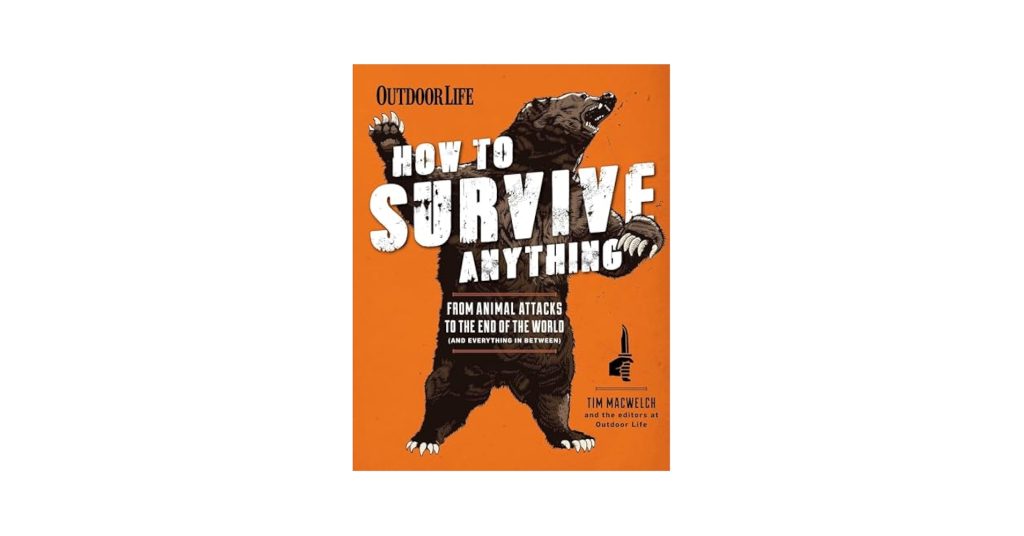
Knowing how to survive an attack by a wild animal can mean the difference between panic and preparedness. This blog post will guide you through essential strategies and insights from the book “How to Survive an Attack by a Wild Animal.
” Are you ready to equip yourself with life-saving knowledge? Keep reading to empower yourself with the skills and confidence you need to stay safe in the wild.

Credit: www.amazon.ca
Types Of Wild Animal Attacks
Understanding the types of wild animal attacks can prepare you to react quickly and effectively if you ever face such a situation. Not all attacks are the same; some animals strike with a clear intent to hunt, while others attack out of fear or to protect their territory. Knowing the difference can help you choose the right response and increase your chances of survival.
Predatory Vs Defensive Attacks
Predatory attacks happen when an animal sees you as prey. These are often silent and calculated, with the animal stalking or sneaking up before striking. Predators like big cats or wolves may circle or hide before attacking, so sudden movements can trigger their chase instinct.
Defensive attacks, on the other hand, occur when an animal feels threatened or cornered. This type of attack is usually loud and aggressive, meant to scare you away rather than to kill. Bears and moose often charge or bluff charge to warn you off, not necessarily to hunt.
Ask yourself: Are you moving calmly or panicking? Your behavior influences whether an animal sees you as prey or a threat. Staying composed can sometimes prevent an attack from escalating.
Common Aggressive Species
- Bears:Known for defensive charges, especially females with cubs. They may bluff charge but can become lethal if provoked.
- Big Cats (Lions, Tigers, Cougars):Predators that rely on stealth. Sudden movements or running can provoke a chase.
- Wolves and Coyotes:Usually shy but can attack if hungry or cornered. Pack attacks increase danger.
- Wild Boars:Aggressive and fast. They attack with tusks when surprised or defending their young.
- Snakes:Defensive strikes when stepped on or threatened. Venomous bites require immediate attention.
Recognizing which species you’re dealing with shapes your survival strategy. Would you stand your ground, back away slowly, or try to appear larger? Your knowledge of the animal’s behavior is your strongest tool.
Recognizing Warning Signs
Recognizing warning signs is your first line of defense when facing a wild animal encounter. Animals rarely attack without giving signals first. Understanding these signals can give you crucial seconds to react and stay safe.
Animal Body Language
Animals communicate danger through their body language. Look for stiff posture, raised fur, or direct staring. These signs often mean the animal feels threatened or is preparing to defend itself.
Notice if the animal is making sudden movements or showing its teeth. Growling, hissing, or loud vocalizations are clear warnings. If you see these signs, slowly back away without turning your back.
Once, I ignored a bear’s warning growl and learned the hard way how serious these signals are. Your awareness can prevent a dangerous situation from escalating.
Environmental Cues
Besides body language, the environment often signals increased risk. Look for disturbed vegetation, fresh tracks, or scat nearby. These clues tell you the animal has been active in the area recently.
Pay attention to sounds like snapping branches or rustling leaves, which may indicate an animal approaching. Avoid areas with limited escape routes or where animals may feel cornered.
Ask yourself: Are you entering a place where animals are likely to feel trapped or surprised? Adjust your path to avoid these risky spots whenever possible.
Preventing Wild Animal Encounters
Preventing wild animal encounters is the best way to stay safe in nature. Being careful and prepared lowers the chance of surprise meetings with animals. Understanding animal behavior and taking simple steps can protect you and the wildlife.
Safe Camping Practices
Choose a campsite away from animal trails and water sources. Animals visit these places often. Keep your tent clean and free from food smells. Store food in sealed containers and use bear-proof lockers if available.
Make noise while moving around your campsite. This alerts animals of your presence and helps avoid sudden encounters. Avoid camping near dense bushes or tall grass where animals may hide.
Avoiding Attractants
Do not leave food scraps or trash outside your tent. These smells attract animals like bears, raccoons, and foxes. Use designated trash bins or pack out all waste. Avoid cooking strong-smelling food near your sleeping area.
Keep pet food inside and clean up after pets immediately. Avoid carrying scented lotions or perfumes in the wild. These scents can draw curious animals closer to you.

Credit: www.amazon.com
Essential Survival Gear
Essential survival gear can be the difference between life and death during a wild animal attack. Having the right tools on hand gives you confidence and improves your chances of escaping unharmed. Think about what you would want within reach if you suddenly found yourself face-to-face with a dangerous animal.
Protective Tools
Protective tools act as your first line of defense. Items like pepper spray specifically designed for animal encounters can deter aggressive behavior immediately. Carrying a sturdy walking stick or a lightweight baton can help you create distance and protect yourself without needing to get too close.
I once witnessed a hiker use a thick branch to keep a charging wild boar at bay. The branch gave him enough time to back away safely. Could a simple tool in your backpack save you in a similar moment?
- Animal-specific pepper spray
- Sturdy walking stick or baton
- Protective gloves to prevent bites or scratches
- Whistle or noise-making device to startle animals
Emergency Communication Devices
In critical situations, calling for help fast is essential. Emergency communication devices like satellite phones or personal locator beacons can alert rescuers even where cell service is unavailable. These tools ensure you’re never truly alone when danger strikes.
Imagine being stranded after an attack, unable to move far but needing immediate assistance. A personal locator beacon can send your exact location with a simple button press. Would you feel safer knowing someone can find you quickly?
- Satellite phone for remote communication
- Personal locator beacon (PLB) for emergency alerts
- Two-way radios for group communication
- Fully charged power banks to keep devices alive
Immediate Response Strategies
Facing a wild animal attack is a terrifying experience that demands quick thinking and clear action. Your immediate response can make the difference between harm and safety. Knowing how to react right away helps you control the situation and protect yourself effectively.
Staying Calm Under Pressure
Keeping calm is your strongest weapon during an attack. Panic makes you lose focus and slows your reactions. Take a deep breath and control your heartbeat as best as you can.
Think about a hiker I know who once surprised a bear. Instead of running, they froze and spoke softly. This unexpected calmness confused the bear just enough to avoid escalation.
Ask yourself: How can you steady your mind when fear tries to take over? Practicing breathing exercises before any outdoor adventure can prepare you for such moments.
Defensive Postures And Movements
Your body language sends clear signals to the animal. Stand tall and face the animal directly without turning your back. Avoid sudden movements that might provoke an attack.
Raise your arms slowly to appear larger. If you have a jacket or backpack, hold it above your head. This can intimidate the animal or make you look less like prey.
Moving away slowly and steadily works better than running. Quick dashes might trigger the animal’s chase instinct. Have you ever noticed how predators react to fleeing prey? Stay deliberate and calm in your steps.
- Keep eye contact but don’t stare aggressively
- Use a firm, deep voice to assert yourself
- Back away slowly without turning around

Credit: www.georgiatoons.com
Species-specific Defense Techniques
Facing a wild animal attack requires more than just staying calm; it demands understanding the unique behavior and defense mechanisms suited to each species. Your survival chances improve dramatically when you know exactly how to react to bears, big cats, or snakes. Let’s look at practical, species-specific defense techniques that can keep you safe in these dangerous encounters.
Bear Attack Responses
Different bears call for different reactions. If you meet a black bear, try to intimidate it by making yourself look bigger and louder. Yell, wave your arms, and if it attacks, fight back aggressively—black bears can be scared off by resistance.
Grizzly bears, on the other hand, require a different approach. If a grizzly charges, playing dead might save your life. Lie flat on your stomach, cover your neck with your hands, and remain still until the bear leaves.
Have you ever wondered why some people survive bear attacks while others don’t? It often comes down to recognizing the type of bear and responding accordingly. Carrying bear spray is a smart addition to your defense tactics.
Big Cat Encounters
Big cats like mountain lions or leopards see humans as prey if you run or turn your back. Instead, maintain eye contact and try to appear as large as possible. Raise your arms, open your jacket, and speak firmly.
If a big cat attacks, fight back with anything you have—sticks, rocks, or even your fists. Target the animal’s eyes and face to increase your chances of escape. Remember, playing dead won’t work here; showing weakness encourages the attack.
Have you noticed how people instinctively freeze or flee? These reactions might trigger a predator’s chase instinct. Staying assertive could be your best defense.
Snakebite First Aid
Snakebites require quick and calm action. Keep the bitten limb immobilized and lower than your heart to slow venom spread. Avoid cutting the wound or trying to suck out venom—these methods cause more harm than good.
Remove tight clothing or jewelry near the bite site because swelling may occur. Clean the wound gently with soap and water, then cover it with a clean, dry dressing. Seek medical help immediately and try to remember the snake’s color and shape for identification.
Have you ever thought about carrying a snakebite kit during outdoor adventures? Knowing the right first aid steps could save precious minutes and your life.
Post-attack Survival Steps
Surviving an attack by a wild animal doesn’t end when the danger passes. What you do immediately afterward can determine whether you fully recover or face serious complications. Taking quick, calm action after the attack is crucial to protect your health and increase your chances of rescue.
Administering First Aid
Stop any bleeding as fast as you can. Use clean cloth or clothing to press firmly on wounds. This can prevent blood loss, which is often the biggest threat right after an attack.
Clean the wounds gently with water if you have it. Avoid using harsh chemicals, but removing dirt and debris lowers infection risk. After cleaning, cover the wounds with sterile bandages or the cleanest cloth available.
Check for signs of shock—pale skin, rapid breathing, or confusion. Keep yourself or the injured person warm and calm. If you feel dizzy or weak, lie down and elevate your legs slightly to improve blood flow.
Seeking Help And Evacuation
Once you’ve stabilized your condition, find a safe place away from the animal. Your next priority is reaching help quickly. Do you know the emergency numbers or the nearest ranger station in your area?
Use any communication device to call for assistance. If you’re in a remote area without signal, try to move towards a known trail or clearing where rescuers might find you. Avoid unnecessary movement that could worsen injuries.
If you’re with others, organize them to help carry or support you. Staying together increases everyone’s chances of survival. Remember, asking for help is a sign of strength, not weakness.
Training And Preparation Tips
Training and preparation are your best defenses when facing a wild animal attack. Knowing what to do and practicing those skills can make a life-saving difference. Let’s break down how to build both your physical and mental readiness.
Survival Skills Practice
Regularly practicing survival skills sharpens your instincts and builds muscle memory. This means if you encounter a wild animal, your reactions will be quicker and more effective.
Focus on key skills like:
- Recognizing animal behavior signs
- Using deterrents like loud noises or sprays
- Executing defensive moves safely
- Escaping dangerous areas calmly
Try role-playing scenarios with a friend or trainer. This helps you stay calm and confident under stress. Have you ever noticed how your body tenses when surprised? Training helps you control that response.
Mental Conditioning
Your mind can either freeze or fight during an attack. Mental conditioning prepares you to stay focused and make smart decisions.
Practice visualization by imagining an animal encounter and how you would respond. This mental rehearsal strengthens your confidence. You can also try breathing exercises to control panic.
Ask yourself: How would you keep calm if you suddenly faced a charging animal? Training your mind is just as important as training your body to survive.
Frequently Asked Questions
What Are The First Steps To Survive A Wild Animal Attack?
Stay calm and avoid sudden movements. Make yourself look bigger and slowly back away. Do not run or turn your back on the animal. Use any available objects to defend yourself if attacked.
How Can I Prevent Wild Animal Attacks In The Wild?
Stay alert and avoid areas with recent animal sightings. Make noise to warn animals of your presence. Store food securely and keep a safe distance from wildlife. Always follow local guidelines and carry deterrents like bear spray.
What Should I Do If A Wild Animal Charges At Me?
Stand your ground and do not run. Use loud noises to scare the animal away. If attacked, fight back using any objects or your hands, aiming for sensitive areas like eyes or nose.
Are There Specific Animals I Should Fear More In The Wild?
Yes, predators like bears, mountain lions, and wolves pose higher risks. Each animal requires a different response, so learn their behaviors and appropriate survival tactics before your trip.
Conclusion
Surviving a wild animal attack takes calm and quick action. Know the animal’s behavior and stay alert in nature. Use the book’s tips to protect yourself and others. Practice safety habits before heading outdoors. Stay confident, and avoid panic during encounters.
Remember, preparation can save your life. Keep learning and stay ready for any situation. Stay safe and respect wildlife to avoid danger.