How to Survive Climate Change a Lesson from Hurricane Maria: Essential Strategies
Imagine standing on solid ground as the world around you shifts and changes in ways you’ve never seen before. Climate change is no longer a distant threat; it’s here, affecting lives every day.
Hurricane Maria was a stark reminder of nature’s power and the fragility of our environment. You might wonder, “How can I prepare for such events? ” Or “What can I learn from those who have faced the fury of a hurricane?
” You’ll discover essential strategies that can help you navigate the unpredictable world of climate change. We’ll explore real-life lessons from those who lived through Hurricane Maria’s wrath, offering insights that could make a difference when you need it most. Stay with us to uncover the knowledge and tools you need to face the future with confidence.
Impact Of Hurricane Maria
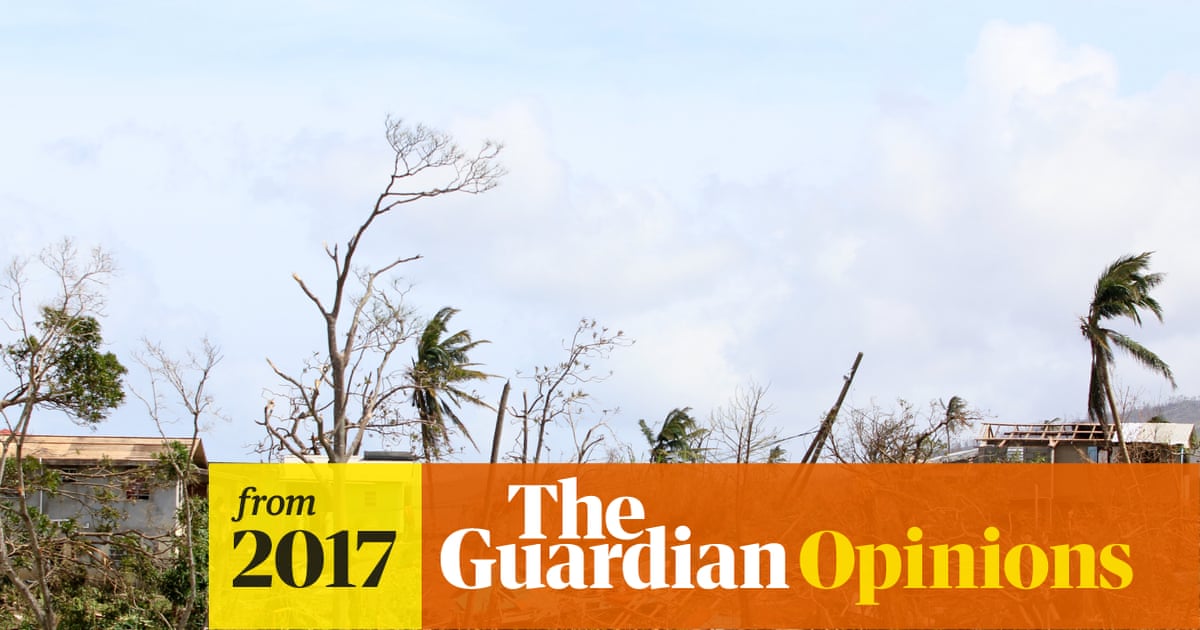
Hurricane Maria hit Puerto Rico hard in September 2017. It caused massive damage to homes, roads, and power lines.
The storm showed how dangerous climate change can be. It also taught us important survival lessons.
Devastation And Aftermath
Maria destroyed nearly all the island’s power systems. Floods and landslides blocked many roads. Thousands lost their homes.
Many people faced shortages of food, water, and medicine. Hospitals struggled to work without electricity. The damage was widespread and severe.
Challenges In Recovery
Restoring power and clean water took months. Communication was poor, making help hard to organize. Many rural areas stayed isolated.
Supplies arrived slowly. The local economy suffered, leaving many without jobs. Rebuilding homes and infrastructure required great effort.
- Broken power grids delayed recovery
- Damaged roads slowed rescue teams
- Limited resources increased hardships
- Communication failures hindered coordination
Lessons From The Response
Strong community support helped people survive. Locals shared food and water. Neighbors helped clear roads and fix homes.
Planning for future storms became a priority. Officials focused on building stronger infrastructure. People learned the value of preparedness.
- Community cooperation saves lives
- Emergency plans must be clear and practiced
- Investing in resilient infrastructure is key
- Quick aid delivery reduces suffering

Credit: hrwstf.org
Preparing For Extreme Weather
Extreme weather events like hurricanes cause major damage. Preparing early can save lives and homes.
Hurricane Maria showed how important it is to plan for strong storms. Being ready helps you stay safe.
Building Resilient Infrastructure
Strong buildings resist wind and flooding better. Use materials that can handle heavy rain and wind.
Raise homes above flood levels. Secure roofs with extra fasteners to prevent damage.
- Use concrete or brick walls
- Install impact-resistant windows
- Elevate electrical systems
- Build storm shutters for windows
Emergency Supplies And Kits
Keep a kit ready with basic needs. Supplies help during power outages and limited access to stores.
Include food, water, and medicine for at least three days. Check and update your kit regularly.
- Non-perishable food and bottled water
- First aid supplies and prescription medicines
- Flashlights and extra batteries
- Portable phone charger
- Important documents sealed in waterproof bags
Evacuation Planning
Know your evacuation routes before a storm. Plan where to go and how to get there safely.
Share your plan with family and neighbors. Prepare a transportation plan for those without cars.
- Identify local shelters and safe locations
- Plan multiple routes to avoid blocked roads
- Keep your car fueled and ready
- Prepare a “go bag” with essentials
Community Strategies
Climate change causes strong storms like Hurricane Maria. Communities must prepare to survive these events. Working together helps people stay safe and recover faster.
We learn from Hurricane Maria that communities can use teamwork and planning. These strategies help protect lives and support each other during disasters.
Local Collaboration And Support
Neighbors, local leaders, and organizations must join forces before and after storms. Sharing resources and skills builds strong support networks.
Local groups can organize food, water, and shelter. They help each other rebuild homes and restore services quickly.
- Create community plans for emergencies
- Share tools and supplies
- Check on vulnerable neighbors
- Organize local meetings to discuss risks
Communication Networks
Strong communication systems keep people informed during disasters. They help share warnings, updates, and safety tips.
Communities use radios, phones, and social media to stay connected. Backup plans work when power or internet fail.
- Set up local radio stations
- Use group messaging apps
- Create emergency contact lists
- Train people on communication tools
Volunteer And Aid Coordination
Volunteers play a big role in disaster response. Organizing volunteers helps deliver aid faster and avoid confusion.
Communities can assign tasks and track needs. Coordinators connect volunteers with families needing help.
- Register volunteers before disasters
- Assign clear roles for aid delivery
- Keep records of resources and workers
- Work with outside aid groups for support

Credit: www.americamagazine.org
Adapting To Climate Change
Hurricane Maria showed us how strong storms can harm communities. We must learn to live with climate change. Adapting helps people stay safe and protect their homes.
Adapting means changing how we live to handle new weather patterns. We can use smart ideas to reduce damage and recover faster.
Sustainable Living Practices
Living sustainably means using less and wasting less. It helps lower pollution and saves resources for the future.
Simple changes at home make a big difference. People can grow their own food and reduce plastic use to protect the planet.
- Plant gardens with local vegetables
- Use reusable bags and containers
- Save water by fixing leaks
- Recycle and compost waste
Renewable Energy Use
Renewable energy comes from the sun, wind, and water. It does not pollute the air or cause climate change.
Using solar panels or wind turbines helps communities have power even after storms. It also lowers energy costs.
- Install solar panels on roofs
- Support community wind projects
- Use solar water heaters
- Choose energy-efficient appliances
Protecting Natural Barriers
Natural barriers like mangroves and coral reefs protect land from storms and floods. They absorb waves and reduce damage.
Keeping these barriers healthy helps protect homes and wildlife. Restoring damaged areas is important after disasters.
- Plant mangrove trees along coasts
- Restore coral reefs with local groups
- Protect wetlands from building
- Stop cutting down coastal forests
Government And Policy Role
Governments shape how communities prepare for and respond to climate disasters. Policies guide the use of resources and long-term planning. Lessons from Hurricane Maria show the need for strong government action.
Effective policies help protect people and reduce damage. They also support rebuilding efforts after disasters. This section explains key government roles in fighting climate change impacts.
Disaster Preparedness Policies
Disaster preparedness laws must ensure fast and clear responses. Governments should create rules that make communities ready for storms and floods. Plans must include evacuation routes and emergency shelters.
- Set clear communication channels for emergencies
- Train local teams for disaster response
- Maintain and update evacuation plans regularly
- Require building codes that resist hurricanes and flooding
Funding And Resource Allocation
Governments must assign enough money to disaster management and climate change actions. Proper funding helps build stronger infrastructure and supports affected people quickly. Resource sharing between agencies is also important.
| Funding Area | Purpose | Example |
| Emergency Services | Support rescue and relief operations | Firefighters, medical aid |
| Infrastructure Repair | Fix roads, bridges, power lines | Rebuilding after hurricanes |
| Community Programs | Educate and prepare citizens | Disaster drills and training |
| Climate Research | Study risks and solutions | Weather monitoring systems |
Long-term Climate Action Plans
Long-term plans help reduce future climate risks. Governments should focus on cutting emissions and protecting natural areas. These plans require cooperation from all levels of government and the public.
Key elements of climate action plans:
- Set clear goals for reducing greenhouse gases
- Invest in renewable energy sources
- Protect wetlands and forests to absorb carbon
- Support sustainable agriculture and water use
- Promote public awareness and education
Personal Resilience Tips
Climate change causes more strong storms like Hurricane Maria. These storms can change lives quickly. Learning how to stay strong helps you face these challenges.
Building personal resilience means preparing your mind, skills, and money. This guide shares tips from Hurricane Maria survivors to help you be ready.
Mental Health And Stress Management
Strong storms cause fear and sadness. Taking care of your mental health keeps you calm and helps you think clearly. Talk to family and friends to share your feelings.
Try simple ways to reduce stress like deep breathing, walking, or listening to music. Rest and sleep are important to feel better and stay healthy.
- Talk about your worries with someone you trust
- Practice relaxation techniques daily
- Keep a routine to feel more normal
- Ask for help if you feel overwhelmed
Skill Building For Self-sufficiency
Hurricane Maria showed that help may take time to arrive. Learning useful skills helps you care for yourself and your family during emergencies.
Skills like growing food, fixing things, and first aid are very important. They make you less dependent on outside help and safer during disasters.
- Grow simple vegetables at home
- Learn basic first aid and CPR
- Practice fixing household items
- Store clean water and know how to purify it
Financial Preparedness
Money problems can make disasters worse. Saving money and planning your budget helps you handle emergencies better. Even small savings make a difference.
Keep important documents safe and have emergency cash ready. Know your insurance options and understand what they cover for disasters.
- Save a small emergency fund regularly
- Keep copies of important papers in a safe place
- Review and update insurance plans
- Plan a budget that includes disaster expenses

Credit: www.weforum.org
Frequently Asked Questions
What Lessons Does Hurricane Maria Teach About Climate Change?
Hurricane Maria shows the severe impact of climate change-driven storms. It highlights the need for better preparedness and resilient infrastructure. Communities must improve emergency response and adapt to extreme weather caused by climate change to survive future disasters effectively.
How Can Communities Prepare For Climate Change Disasters?
Communities should develop emergency plans, strengthen infrastructure, and educate residents. Investing in sustainable resources and early warning systems saves lives. Collaboration among local governments, NGOs, and citizens is vital for effective climate disaster preparedness and resilience.
What Role Does Infrastructure Play In Climate Change Survival?
Strong, resilient infrastructure minimizes damage during climate events. Upgrading buildings, power grids, and water systems reduces risks. Effective infrastructure supports faster recovery, protects lives, and ensures essential services continue during disasters like hurricanes intensified by climate change.
How Does Climate Change Increase Hurricane Intensity?
Warmer ocean temperatures fuel hurricanes, making them stronger and wetter. Climate change increases storm frequency and rainfall, leading to more severe damage. Understanding this helps communities prepare for worsening hurricane impacts and prioritize climate adaptation strategies.
Conclusion
Surviving climate change needs strong preparation and quick action. Hurricane Maria showed us the power of nature’s force. Communities must build better shelters and share resources. Saving water, food, and energy helps during tough times. Staying informed and helping neighbors strengthens everyone.
Together, we can face future storms with hope. Learning from the past makes us more ready. Small steps today protect us tomorrow. Let’s act now to keep our world safer.