Can a Crocodile Survive in Cold Weather: Shocking Truth Revealed
Have you ever wondered if a crocodile could survive in cold weather? It’s a curious thought, especially when you consider these creatures are often associated with hot, swampy regions.
But what happens when the temperature drops? Can these ancient reptiles adapt to chilly conditions, or does the cold spell trouble for them? As you explore this intriguing question, you’ll uncover fascinating insights about crocodile biology and behavior that might surprise you.
Stick around to discover how these formidable creatures manage—or struggle—when faced with the chill of cold weather. This exploration might just change the way you view these remarkable reptiles.
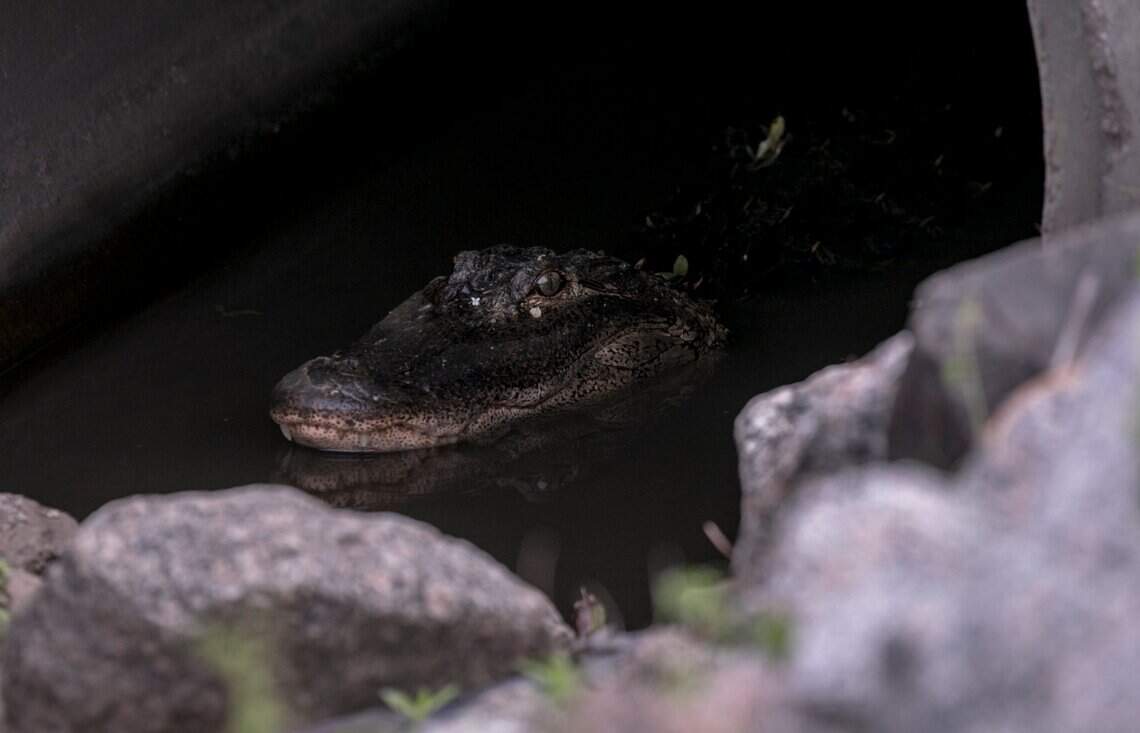
Credit: www.islandpacket.com
Crocodile Habitat And Climate
Crocodiles live in warm areas near water like rivers and lakes. Their bodies need heat to work well.
Cold weather can be hard for crocodiles because they are cold-blooded animals. They need warmth to stay active.
Preferred Temperature Range
Crocodiles prefer temperatures between 82 and 92 degrees Fahrenheit. They can survive if it is a little cooler.
If the temperature drops below 70 degrees, crocodiles become slow and less active. They may stop eating.
- Best temperature: 82°F to 92°F (28°C to 33°C)
- Active but slower: 70°F to 82°F (21°C to 28°C)
- Too cold: below 70°F (21°C)
Natural Geographic Distribution
Crocodiles live mostly in tropical areas near the equator. They are found in Africa, Asia, Australia, and the Americas.
They live in places with warm climates all year. Cold places do not have crocodiles because they cannot survive there.
- Africa: Nile crocodile in rivers and lakes
- Asia: Saltwater and mugger crocodiles in rivers and coastal areas
- Australia: Saltwater crocodiles in northern wetlands
- Americas: American crocodile in Central and South America

Credit: www.timesnownews.com
Effects Of Cold Weather On Crocodiles
Crocodiles are cold-blooded animals. Their body temperature changes with the environment.
Cold weather can slow down their body functions. This affects how they move and survive.
Metabolic Changes
In cold weather, crocodiles lower their metabolism. This means they use less energy.
Their heart rate and breathing slow down. This helps them save energy during cold times.
- Reduced energy needs
- Slower digestion
- Lower oxygen use
Behavioral Adaptations
Crocodiles change their behavior to handle cold weather. They seek warmer places like sunny spots.
They stay still for long periods to keep energy. They also reduce feeding because food is scarce.
- Basking in the sun to warm up
- Staying in water or mud to keep stable temperature
- Less movement to save energy
Survival Strategies In Cold Conditions
Crocodiles live mostly in warm places. Cold weather can be hard for them. They use special ways to stay alive when it gets cold.
This article explains how crocodiles survive cold times. They slow down and hide to keep safe.
Brumation Process
Brumation is like hibernation for reptiles. Crocodiles enter brumation to save energy. Their body slows down a lot. They breathe less and move very little.
- Heart rate drops
- Body temperature lowers
- They stop eating
- They stay still for long periods
This process helps crocodiles survive cold months without much food.
Use Of Burrows And Water
Crocodiles find safe places to hide during cold weather. They use burrows or water to stay warm and protected.
| Survival Spot | Benefit |
| Burrows | Keep crocodiles warm and shielded from wind |
| Water | Water holds heat longer than air, helping temperature stay stable |
These spots help crocodiles avoid the cold air and stay alive until warmer weather returns.
Limits Of Cold Tolerance
Crocodiles are reptiles that usually live in warm places. Their bodies do not handle cold well. Cold weather can limit their survival.
Understanding how cold affects crocodiles helps us learn about their needs and risks.
Critical Temperature Thresholds
Crocodiles have a minimum temperature they can tolerate. Below this, their body functions slow down. This limit is near 50°F (10°C).
- At about 68°F (20°C), crocodiles are active and feed well.
- Between 50°F and 68°F, activity slows and feeding decreases.
- Below 50°F, crocodiles become very sluggish and may stop feeding.
- Temperatures under 40°F (4°C) can cause serious harm or death.
Impact On Health And Activity
| Temperature Range | Health Effects | Activity Level |
| Above 68°F (20°C) | Normal metabolism and health | High activity and feeding |
| 50°F to 68°F (10°C to 20°C) | Slowed metabolism, minor stress | Reduced movement and feeding |
| 40°F to 50°F (4°C to 10°C) | Stress increases, risk of illness | Very low activity, fasting |
| Below 40°F (4°C) | High risk of organ failure, death | Almost no movement, possible death |
Cold weather weakens crocodiles. It can cause infections and slow healing. Their immune system does not work well in cold.
Case Studies And Real-life Examples
Crocodiles usually live in warm places. People wonder if they can live in cold weather too. Scientists studied crocodiles in cooler areas. They also looked at crocodiles kept in cold places.
This helps us understand how crocodiles survive when it is cold. Real stories show what happens to them in these conditions.
Crocodiles In Cooler Regions
Some crocodiles live in places cooler than the tropics. For example, saltwater crocodiles live in parts of northern Australia. These areas can get cooler during winter.
In these cooler months, crocodiles become less active. They stay in water or mud to keep warm. Their body temperature drops, and they slow down to save energy.
- Saltwater crocodiles in Australia can tolerate temperatures around 10°C (50°F).
- They reduce movement and eat less during cold months.
- Some crocodiles burrow into mud to avoid cold air.
Captive Crocodiles In Cold Climates
Zoos and wildlife parks keep crocodiles in colder places. They use heaters and special enclosures to keep the animals warm. This helps crocodiles stay healthy in cold weather.
Some zoos report crocodiles can survive short cold spells with proper care. They watch the animals closely to prevent health problems. Cold stress can cause illness if not managed well.
- Indoor heated pools help crocodiles stay warm.
- Heat lamps and warm shelters protect them from cold air.
- Zoo staff adjust feeding to keep crocodiles strong in winter.

Credit: www.newsbreak.com
Implications Of Climate Change
Crocodiles live mostly in warm places. Cold weather can be hard for them. Climate change causes temperatures to change worldwide.
These changes affect crocodile survival. This article looks at how their homes shift and future challenges they face.
Shifts In Crocodile Habitats
Rising temperatures make some cold places warmer. Crocodiles may move to new areas. They search for better climates to live.
Some areas get too hot or dry. Water sources can shrink or disappear. This forces crocodiles to find new habitats.
- Crocodiles move north or south to cooler spots
- Wetlands and rivers can dry up in hot regions
- New habitats may lack food or shelter
Future Survival Challenges
Cold weather still limits where crocodiles live. Sudden cold spells can cause harm or death. Climate change may increase extreme weather events.
Crocodiles must adapt fast to survive. Food scarcity and habitat loss are big problems. Human activity also threatens their future.
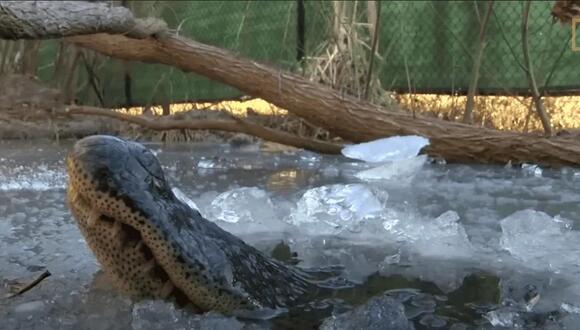
- Extreme cold can freeze crocodiles in shallow water
- Less food due to habitat changes
- Pollution and development reduce safe areas
Frequently Asked Questions
Can Crocodiles Survive In Cold Weather?
Crocodiles are cold-blooded and struggle to survive in cold weather. They become sluggish and inactive when temperatures drop below 50°F (10°C). Prolonged exposure to cold can be fatal, as their metabolism slows and they cannot regulate body heat effectively.
How Do Crocodiles Adapt To Colder Climates?
Crocodiles adapt by basking in the sun to warm up. They also reduce activity to conserve energy during colder periods. Some species enter a state similar to hibernation, called brumation, to survive short cold spells without eating or moving much.
What Temperature Is Too Cold For Crocodiles?
Temperatures below 50°F (10°C) are generally harmful to crocodiles. Prolonged cold exposure can cause health issues and reduce their immune response. Crocodiles prefer warm, tropical climates with water temperatures above 70°F (21°C) for optimal survival and activity.
Can Crocodiles Live In Temperate Regions?
Crocodiles rarely thrive in temperate regions due to cold winters. Some species, like the American crocodile, tolerate mild temperate climates but need warm water to survive. Cold winters limit their distribution mainly to tropical and subtropical zones.
Conclusion
Crocodiles do not handle cold weather well. Their bodies need warmth to stay active. In cold climates, they slow down and stay still. This helps them save energy but can be risky. They need warm water and sun to survive.
Cold weather can make them sick or weak. So, crocodiles live best in warm places. They cannot live long in cold areas. Nature designed them for heat, not cold. Understanding this helps protect crocodile habitats better.