Can a Ship Survive a Category 5 Hurricane? Shocking Truth Revealed!
Imagine standing on the deck of a massive ship, feeling the power of the ocean beneath you. Now, picture that same ship facing the fury of a Category 5 hurricane.
It’s a chilling thought, isn’t it? As you read this, perhaps you’re wondering whether a ship, no matter how sturdy, can truly withstand such a formidable force of nature. This question taps into your natural curiosity and perhaps even a bit of fear, urging you to understand the limits of human engineering against the relentless power of Mother Nature.
By diving deeper into this topic, you’ll uncover surprising truths about ships, hurricanes, and the incredible technology that keeps them afloat. Ready to explore this fascinating subject? Let’s set sail into the heart of the storm.

Credit: www.youtube.com
Category 5 Hurricanes Explained
Category 5 hurricanes are the strongest storms on Earth. They bring extreme wind, rain, and flooding. These storms can cause severe damage to buildings and nature.
Understanding their power helps us prepare for their impact. Two main features define these storms: wind speeds and storm surge.
Wind Speeds And Damage Potential
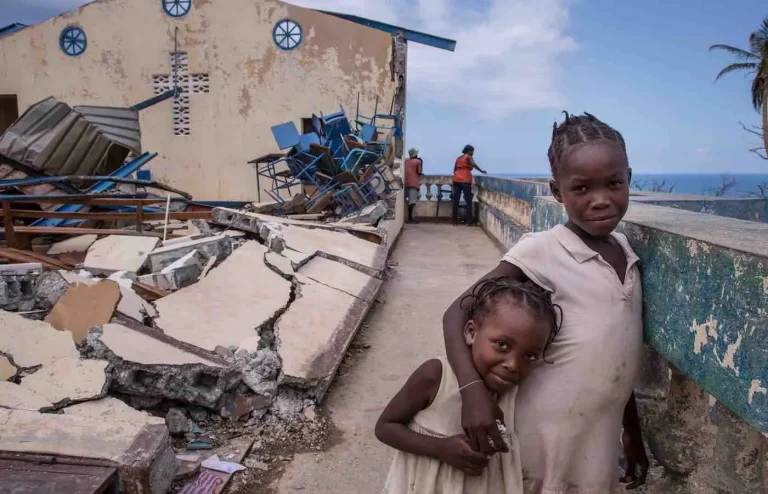
Category 5 hurricanes have wind speeds greater than 157 miles per hour. These winds can destroy homes, uproot trees, and knock down power lines.
- Roofs can be torn off buildings
- Cars and small structures can be lifted or flipped
- Flying debris can cause injuries and damage
- Communication and power may be lost for days or weeks
Storm Surge And Wave Heights
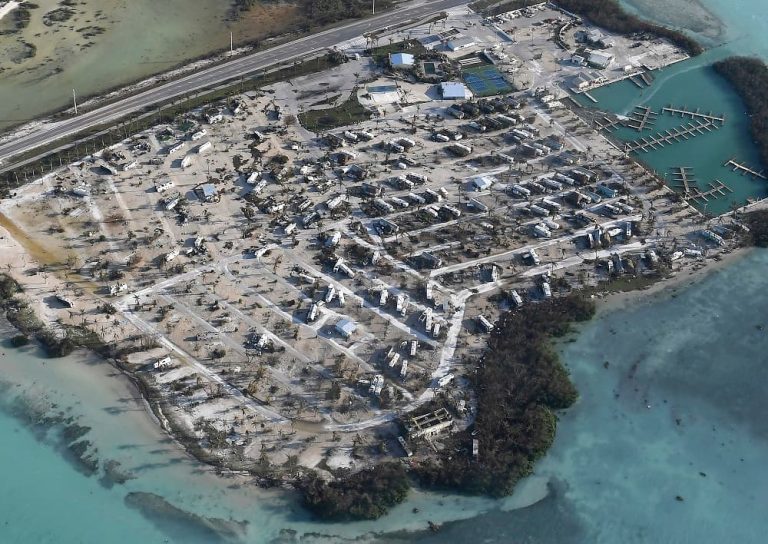
Storm surge is a rise in sea level caused by the hurricane’s winds pushing water onshore. This surge can flood coastal areas and cause severe damage.
| Factor | Category 5 Hurricane |
| Storm Surge Height | 18 feet or higher |
| Wave Heights | Up to 50 feet or more |
| Flooding | Severe coastal and inland flooding |
Ship Design And Hurricane Resistance
Ships face huge challenges in a Category 5 hurricane. These storms have very strong winds and huge waves. Shipbuilders design vessels to handle these tough conditions. Good design helps ships stay safe and keep working.
Strong construction and smart safety features help ships survive. The design focuses on keeping the ship stable and protected. This is very important to avoid damage or capsizing.
Hull Strength And Stability
The hull is the main body of the ship. It must be very strong to fight high waves and wind pressure. Builders use thick steel and special shapes to make hulls tough.
Stability means the ship can stay upright and balanced. Wide hulls and low centers of gravity help keep the ship steady. Ballast tanks also adjust weight to improve balance during storms.
- Reinforced steel hulls resist wave damage
- Hydrodynamic shapes reduce wave impact
- Wide beams increase ship stability
- Ballast systems balance the ship in rough seas
Safety Features And Reinforcements
Ships have special safety parts to protect crew and cargo. Watertight compartments stop flooding if the hull breaks. Strong bulkheads divide the ship into sections to limit damage.
Reinforcements include extra supports and braces in weak spots. Modern ships have advanced navigation and communication tools. These help crews avoid the worst parts of the storm.
- Watertight compartments prevent flooding
- Bulkheads strengthen internal structure
- Extra braces protect weak areas
- Advanced navigation helps avoid severe weather
Historical Incidents At Sea
Ships have faced many hurricanes throughout history. Some survived, but others met disaster. Studying these events helps us understand ship safety during storms.
This article looks at famous ship encounters with hurricanes and the lessons learned from past disasters at sea.
Famous Ship Encounters With Hurricanes
One of the most well-known hurricane encounters was the 1900 Galveston Hurricane. Many ships were caught off guard by the storm’s strength.
- The USS Memphis was destroyed by waves during a strong hurricane in 1916.
- The SS Central America sank in 1857 after hitting a hurricane, causing a great loss of life.
- The Queen Mary survived the 1944 Great Atlantic Hurricane by using advanced navigation and strong design.
These ships show how hurricanes test the strength and design of vessels at sea.
Lessons Learned From Past Disasters
Past disasters taught sailors and shipbuilders many important lessons about hurricane survival.
| Lesson | Details |
| Early Warning | Ships must have access to accurate weather forecasts. |
| Strong Hull Design | Reinforced hulls can resist powerful waves and winds. |
| Storm Navigation | Skillful routing helps avoid the worst parts of a hurricane. |
| Emergency Preparedness | Crew training and safety equipment are critical for survival. |
These lessons guide modern shipbuilding and navigation to improve survival chances in Category 5 hurricanes.

Credit: www.reddit.com
Navigational Strategies During Hurricanes
Sailing through a Category 5 hurricane is very dangerous for any ship. Strong winds and huge waves can damage the ship or cause it to sink. Good navigation helps keep the ship and crew safe.
Ships use special strategies to avoid hurricanes or reduce risks. These strategies include careful planning, monitoring weather, and knowing when to leave the area.
Avoidance And Evacuation Tactics
Ships try to avoid the hurricane by changing their route. Captains steer away from the storm’s path to stay safe. If the storm is too close, ships may leave the area quickly.
Evacuation means moving crew to safety. Some ships have plans to reach safe harbors before the hurricane arrives. This reduces danger to the crew and the ship.
- Change course to avoid storm center
- Move to safe harbors early
- Reduce speed to handle rough seas
- Prepare crew for emergency actions
Real-time Weather Monitoring
Ships use modern tools to watch weather changes all the time. Real-time data helps captains make quick decisions. This information comes from satellites, radar, and weather reports.
Monitoring the storm’s movement and intensity helps crews react fast. It also helps to find the safest route and avoid dangerous areas.
- Use satellite images to track hurricanes
- Check radar for rain and wind changes
- Receive regular weather updates
- Adjust course based on latest data
Modern Technology Enhancing Ship Safety
Ships face many dangers at sea, especially during strong storms. Modern technology helps ships stay safer. It gives crews better tools to prepare and respond.
Technology also helps ships avoid the worst parts of storms. This reduces the chance of damage or accidents during hurricanes.
Advanced Weather Prediction Tools
Ships use advanced weather tools to track storms early. These tools give detailed information about hurricanes. This helps captains make quick decisions.
- Satellite images show storm size and direction.
- Radar systems detect rain and wind speed.
- Computer models predict storm paths and strength.
- Real-time updates alert crews to changes in weather.
Emergency Communication Systems
Ships have many communication tools for emergencies. These systems keep crews connected to rescue teams and other ships. They send alerts and location data fast.
| Communication System | Use | Benefit |
| Satellite Phones | Calls anywhere at sea | Stay in touch during storms |
| Emergency Position Indicating Radio Beacons (EPIRBs) | Send distress signals | Help rescuers find ships quickly |
| Marine VHF Radios | Short-range communication | Contact nearby ships and coast guards |
Credit: www.thetravel.com
Limitations And Risks For Ships
Ships face serious challenges in Category 5 hurricanes. These storms bring extreme winds and massive waves. Ships are built strong but have limits against such forces.
Besides the ship’s strength, human decisions play a big role. Crew actions and planning affect survival chances in these harsh conditions.
Structural Limits Against Extreme Forces
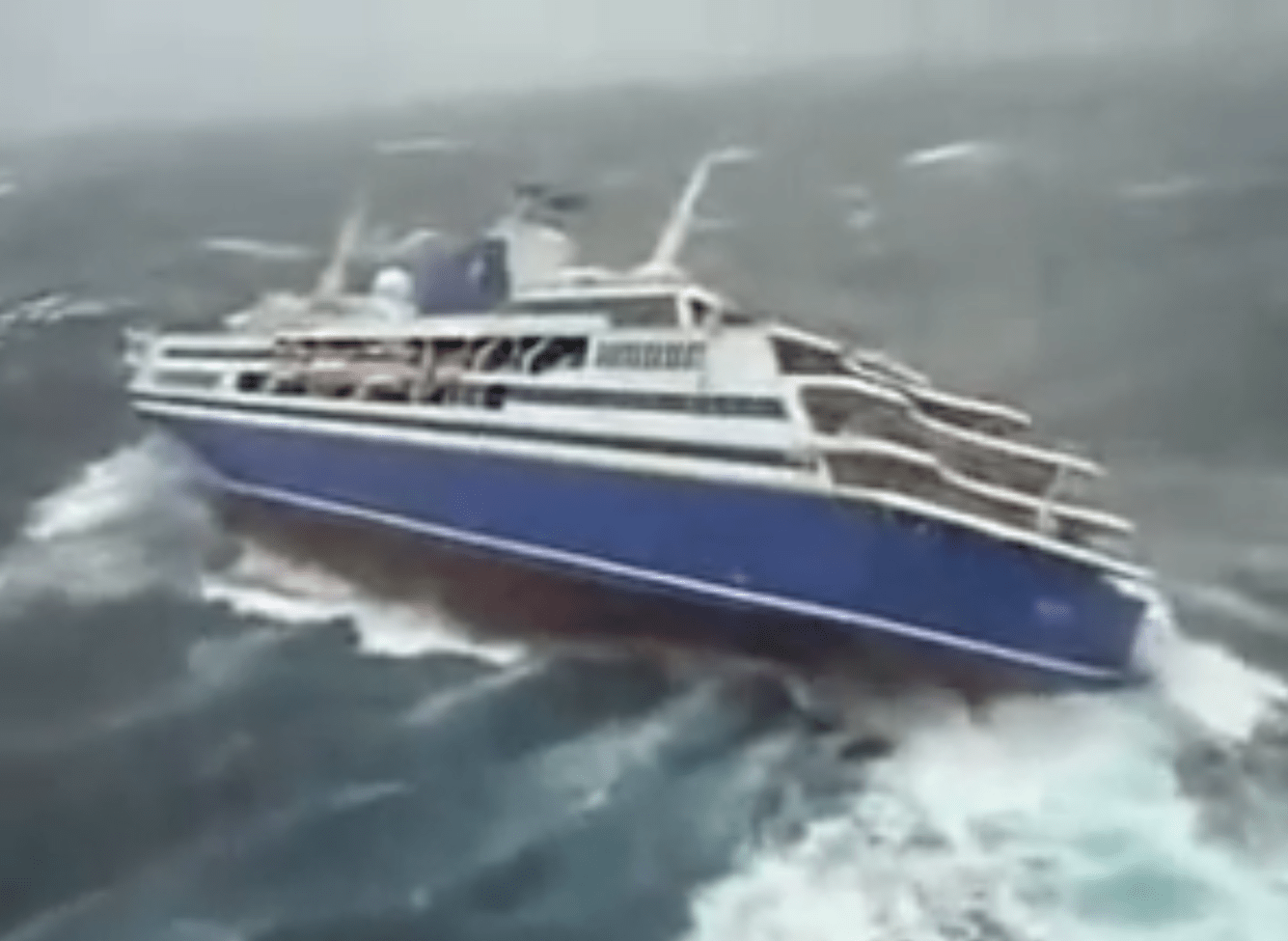
Ships have tough hulls and strong designs. Still, Category 5 hurricanes test these limits with huge waves and strong winds. Stress can cause damage or even sink a ship.
- Hull cracks or ruptures from heavy wave impacts
- Engine failure due to water damage or rough motion
- Loss of steering from broken rudders or control systems
- Damage to cargo leading to instability
- Flooding from broken seals or hull breaches
Human Factors And Decision-making
The crew’s choices affect safety during storms. Good decisions can reduce risks, but mistakes increase danger. Training and experience help crews respond well.
| Decision Factor | Impact on Survival |
| Route Planning | Avoiding storm center lowers risk |
| Speed Adjustment | Slowing reduces wave damage |
| Communication | Staying informed aids quick action |
| Emergency Drills | Prepared crew handles crises better |
| Load Management | Proper balance keeps ship stable |
Future Innovations For Hurricane Survival
Ships face extreme danger in Category 5 hurricanes. Scientists and engineers work on new ways to keep ships safe.
New technology and materials will help ships survive stronger storms in the future.
Improved Materials And Designs
Stronger materials can make ships tougher against huge waves and strong winds. New designs help ships stay stable.
Lightweight metals and special coatings reduce damage from saltwater and wind. Hull shapes change to cut through big waves better.
- Use of carbon fiber and titanium for strength
- Hydrophobic coatings to repel water
- Hull designs that reduce wave impact
- Flexible structures to absorb shocks
Autonomous Navigation In Severe Weather
Autonomous ships use sensors and computers to avoid storms. They can change course faster than humans in bad weather.
These systems analyze wind, waves, and storm paths to find the safest route. This lowers the risk of damage and saves lives.
- Real-time weather tracking with AI
- Automatic route adjustments for safety
- Remote control in emergency situations
- Faster decision-making than human crews
Frequently Asked Questions
Can Ships Withstand Category 5 Hurricane Conditions?
Ships built for deep-sea travel can endure strong winds and high waves. However, survival depends on ship design, size, and crew skill. Proper preparation and navigation are vital for safety during a Category 5 hurricane.
What Ship Features Help Survive Extreme Hurricanes?
Strong hulls, advanced stabilizers, and watertight compartments improve survival chances. Modern ships use weather radar and GPS for navigation away from storm centers. These features reduce damage and increase safety in Category 5 hurricanes.
How Do Crews Prepare Ships For Category 5 Hurricanes?
Crews secure loose items, reinforce hatches, and ensure watertight integrity. They follow emergency protocols and monitor weather updates constantly. Prepared crews reduce risks and improve the ship’s ability to survive severe storms.
Can Small Boats Survive A Category 5 Hurricane?
Small boats are highly vulnerable to Category 5 hurricanes. They often lack the strength and stability required to endure extreme waves and winds. It is safest for small vessels to avoid hurricane zones entirely.
Conclusion
Surviving a Category 5 hurricane is very hard for any ship. Strong winds and huge waves put ships at great risk. Only very well-built ships with skilled crews stand a chance. Even then, the danger remains high. Ships must avoid these storms whenever possible.
Safety and preparation are key to survival. Nature’s power is immense and unpredictable. Ships alone cannot control the storm’s force. Respecting weather warnings saves lives and vessels alike. The sea demands constant caution and respect.